The Light Pollution Fix: Protect Birds and Wildlife
All our birds and native wildlife (and even sea turtles that follow the moon to lay eggs) need to avoid light pollution. Bright broken street lights, 24-hour lit supermarkets, multi-storey car parks all play havoc with our wildlife.
Dark skies are beautiful, and you’ll find these in less populated areas (like Northumberland). But where lighting is needed, here are some good tips and resources.
Turn off unused lights to help stop birds flying into windows. Report white or on-all-night lights to Fix My Street (these reports are sent to councils).
Why light pollution should be avoided
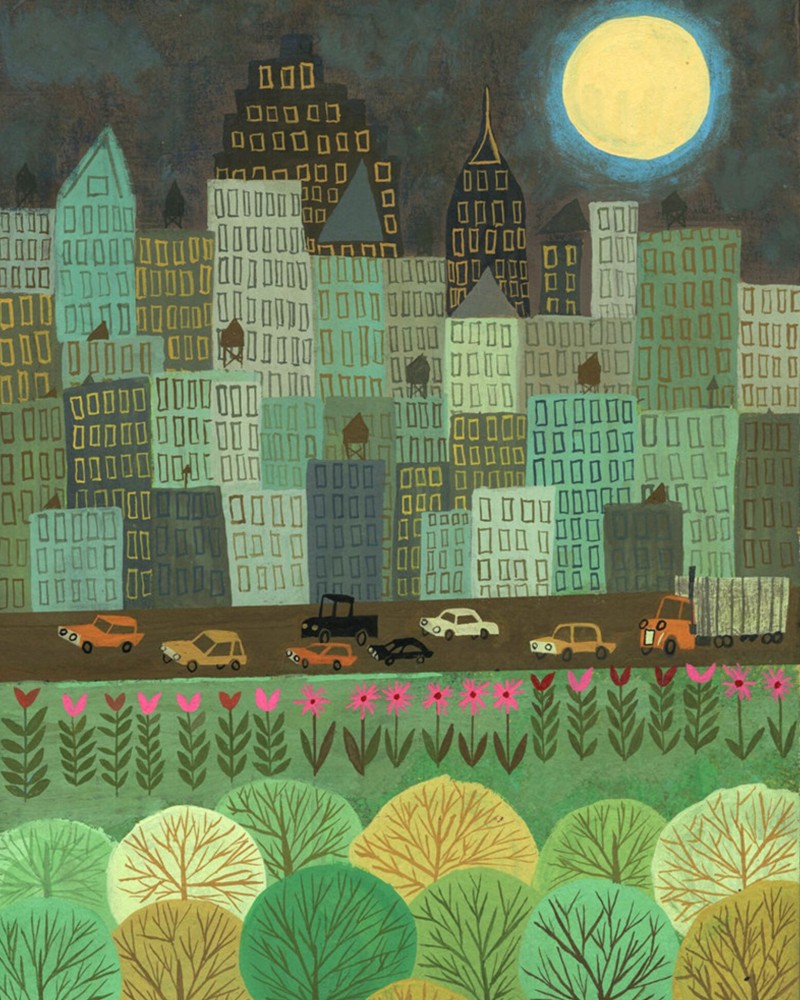
Unlike us humans that navigate by light switches, birds, mammals and marine creatures tend to use the moon. A floodlit hotel or car park can lure all creatures somewhere else, and they become stranded or harmed.
Streetlights that remain on can trick birds into thinking it’s morning. They start singing then breed to early for chicks to survive.
White street lights also attract insects that gather around lamps, and this means less food for birds and bats.
Choose wildlife-friendly lights & fixtures
Businesses and councils can buy wildlife-friendly lighting, which only light the areas needed, in special (orange) hues that are safer for birds, insects and wildlife.
Pick orange‑hued or amber LED bulbs instead of bright white or blue. These colours are more natural and not noticed as much by wildlife. Also choose lamps that point downwards, so the light only shines where you need it, not spilling up to the sky or across a garden.
Also fit motion sensors, so lights only come on when needed, then drop back into darkness, when no-one is around (many solar lights do this). It also saves energy and money. And creates less heat, to reduce urban heat island effect.
Reduce fairy lights and lanterns (if you do cover your house in Christmas lights in December, then at least have a cut-off sensor, so wildlife gets some sleep).
DarkSky UK is the official organisation campaigning to remain free from light pollution. The site has lots of information on the benefits of night skies, plus you can find the nearest dark skies to you.
The site also has lots of materials for educators, and template letters to send to your MP.
Solarlite (solar-powered street lighting)
Solarlite is a company that all councils and town planners should have on speed dial. It provides street lighting for many areas, but the difference is that it’s all solar-based and designed to be not just safe for humans, but also for wildlife as it’s designed to avoid light pollution.
Light pollution is a serious issue. As well as causing birds to fly into windows (from areas lit-up all night near glass), it can cause insects to swirl around lampposts (which means less food for birds and bats).
And can cause birds to wake up at the wrong time, and start singing at midnight to attract a mate, which affects breeding and survival rates.
Report lampposts that don’t go off (and other light pollution) to Fix My Street. These complaints are made public before being sent to councils, so tend to get sorted pretty quickly.
Designed for roads, paths and rural routes, these lights use the power of the sun to safely light up areas for safety. And because they are activated by the sun, councils save massively on electricity bills.
The three main lights offered are:
- Flush studs (these are embedded in highways, junctions and rural roads, for visibility of up to 900 metres. Offers 10 times better visibility than traditional retro-reflective studs (‘cat’s eyes’). Reduces accidents by over 70%.
- Surface studs (these are quick to install for temporary or retrofit needs, again delivering 900 metre visibility). Decreases night time accidents by over 70%.
- Path studs (these provide low-glare illumination for pedestrian and cycle routes). Designed as low-light, to be bat-friendly!
Councils and town planners can use the onsite calculator to work out many to buy, to figure out costs beforehand. And then of course you can factor in savings, from free solar power. There are also solutions for safe level crossings, near trains.
Mammals you might spot at night
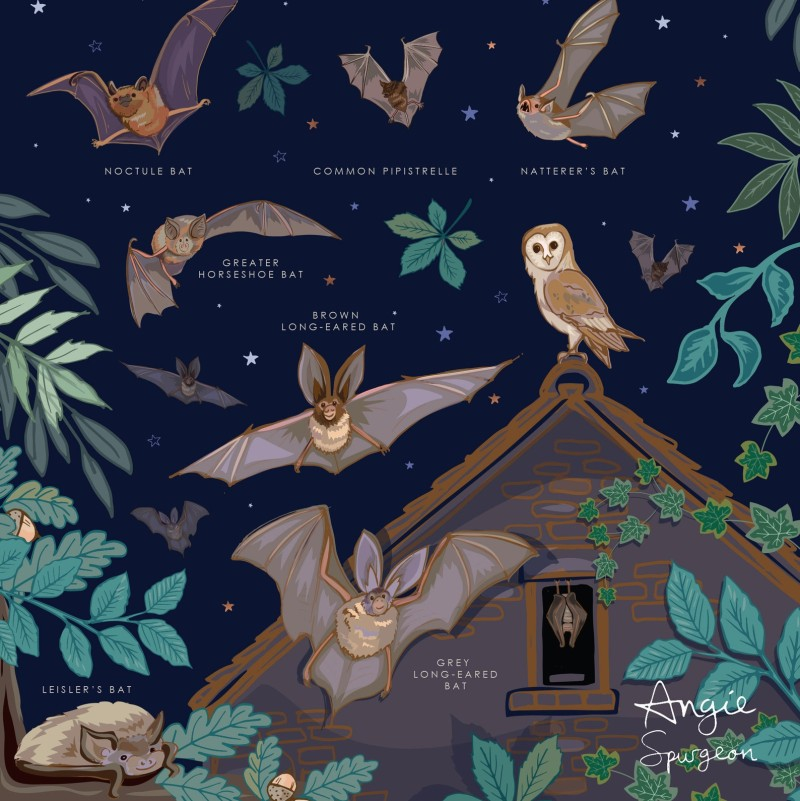
Bats are some of the most reliable nocturnal animals in England. Several species are widespread, and many hunt insects on the wing. On summer evenings, look near ponds, rivers, canals, and tree lines, where insects gather. Gardens can be good too, especially near flowering plants and hedges.
You might also notice bats around streetlights, because moths and midges collect there. To the naked eye they can look like small, quick shadows with fluttering flight.
Hedgehogs often feed after dark, especially in suburban gardens with cover. They spend the night snuffling through leaf litter for beetles, worms, and slugs. If you sit quietly, you may hear rustling under shrubs or along a fence line.
A simple clue is their droppings, often dark, crumbly, and packed with insect bits. Small holes in lawns can also be a sign of night-time foraging.
Badgers live in family groups and use setts (burrow systems), often on woodland edges, banks, and thick hedgerows. They’re best known for hunting earthworms, which they pull from damp grass. As a result, mild, wet nights can be ideal for seeing signs of badgers, even if you don’t see the animals themselves.
Watch for well-worn paths through vegetation, scratch marks near sett entrances, and shallow pits where they’ve been digging. Latrines (small dung pits) can appear near territorial boundaries, often along paths or field edges.
Red foxes are active at night in both town and country. In cities they may trot along quiet streets, gardens, and railway lines, scavenging as well as hunting. In rural areas they work field margins, hedges, and rough grass for small mammals and birds.
People often hear foxes before they see them, especially during the breeding season, when sharp screams carry far in still air. Tracks can help too. Fox prints usually look narrower and neater than most dog prints, with a straighter line of travel.
Hazel dormice are a special case. They’re nocturnal, but they’re also rare, protected, and hard to spot. Dormice live in well-managed woodland, thick hedgerows, and scrub with plenty of food and nesting cover. They feed on flowers, pollen, berries, and insects through the warmer months, then hibernate in winter.
Most people never see one in the wild, and that’s normal. If you’re lucky, local conservation groups sometimes run guided surveys, but these follow strict rules because dormice are legally protected.
Night birds and other after-dark hunters
Owls sit near the top of many night-time food chains, yet you don’t need a remote moor to find them. The tawny owl is strongly linked with woodland, mature parks, and big gardens with old trees. Its classic hoot can sound like a conversation in the dark, and pairs may call back and forth across a boundary.
The barn owl often appears earlier, around dusk, and it’s easiest to spot over open country. Look along field edges, rough grass, and roadside verges where voles live. In flight, a barn owl can seem ghostly pale, with slow wingbeats and a wavering glide. It hunts mainly by sound, dropping suddenly when it pinpoints movement below.
Most small songbirds aren’t nocturnal because they rely on vision to find food, and they need sleep to stay sharp. At night they usually roost, tucked into dense shrubs or tree cover. That’s one reason nocturnal predators such as owls do well, the usual day-time watchers are out of action.
If you want night wildlife you can see almost anywhere, pay attention to moths. Porch lights, kitchen windows, and sheltered outdoor lamps can attract them in warm months. Moths matter because they feed bats, birds, and other insects. They also pollinate some plants after dark, when daytime pollinators have clocked off.
Finally, don’t forget amphibians. On warm, damp nights, common frogs and common toads often move through gardens to feed. They’ll hunt slugs, beetles, and other invertebrates, sometimes right on patios. Ponds, compost heaps, and log piles can all provide shelter, so a small garden can support surprising night-time activity.
The Lunar Clock: How Wildlife Follows the Moon
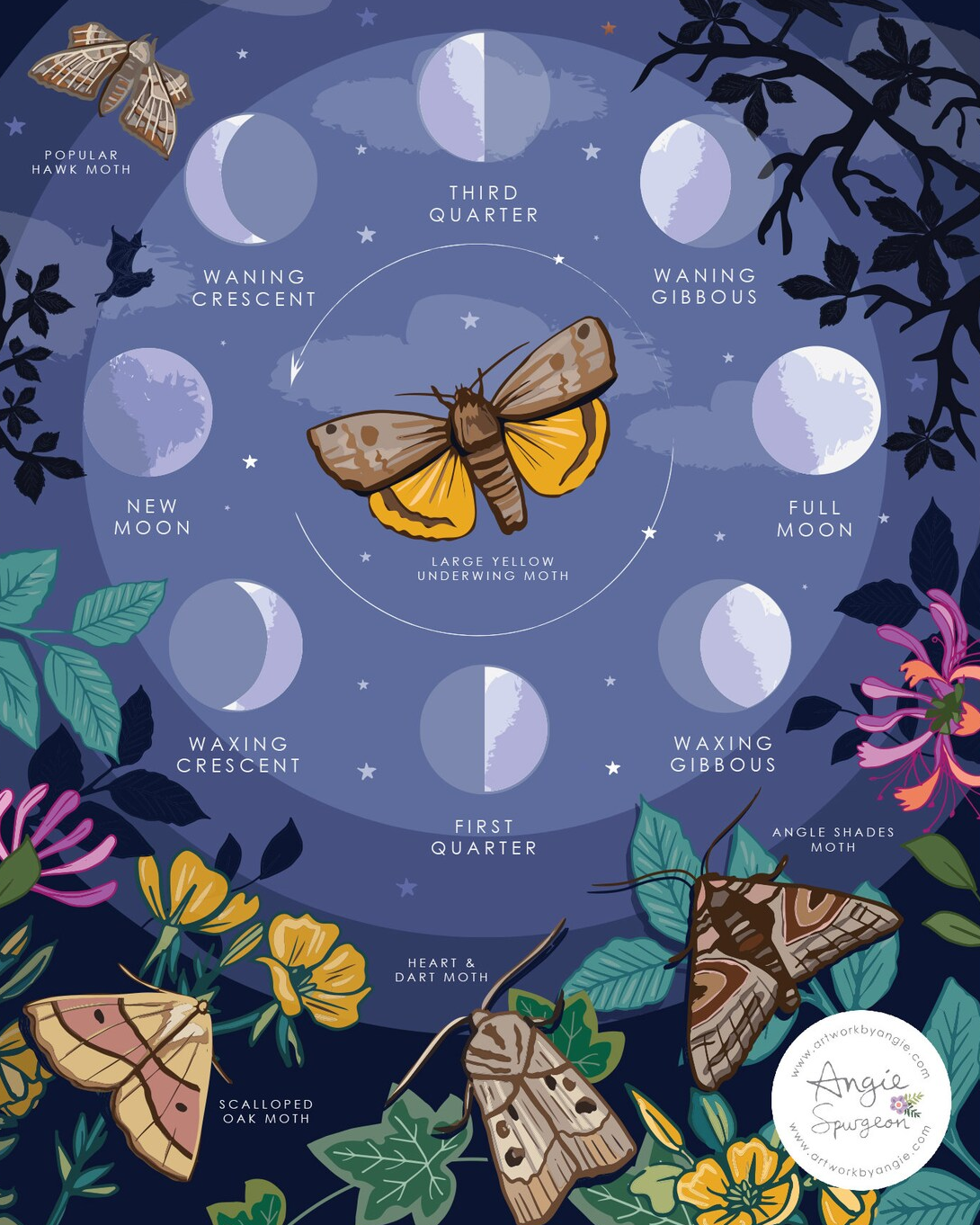
Learn why moths matter!
We’ve all heard how the moon creates tides (it does, but so does the sun) and how wolves howl at the moon (actually they are howling at each other!) But it is true that the moon has a profound influence on our planet’s light, time and tide – and also on behaviours of other creatures, from migration to mating.
Turn off unused lights to help stop birds flying into windows. Report white or on-all-night lights to Fix My Street (these reports are sent to councils). Read more on how to stop light pollution.
- The largest mass spawning event on earth is at Australa’s Great Barrier Reef, when (triggered by the full moon to ensure fertilisation), over 100 species of coral release their eggs and sperm at the same time.
- Endangered female loggerhead sea turtles time their nesting to coincide with new or full moons. The high spring tides help push heavy creatures higher up the beach, so they can lay their eggs in safer areas, above the waterline.
- Many fish coordinate their spawning with the full moon. Tideal shifts help them to disperse fertilised eggs farther into the open ocean.
- European nightjars are just one species of birds dthat use the night light of the moon to forage for food.
- In Africa, wildebeests travel further on migrations during bright full moons, which helps them to spot predators, avoid terrain obstacles and find water sources.
- Sandhoppers and fiddler crabs (both crustaceans) use a sun compass in their brains during the day, but use the moon at night to safely forage during low tides.
- Paradoxically, many nocturnal creatures (like bats and mice) decrease activity during full moon, preferrign to stay invisible to predators.
What exactly is the moon?
The moon was formed billions of years ago by a massive collision, and is slowly drifting away from Earth at around 3.8cm each year. It’s our planet’s only natural satellite, and with extreme temperatures and no atmosphere, the 12 people who have walked on it, have left footprints that will last for millions of years.
Because the moon rotates at the same rate as it orbits earth, we only ever see one side of it. It’s more egg-shaped than round. And just like earth, it gets ‘moonquakes’ that can last for up to 10 minutes. Although it looks the same size as the sun, it’s actually around 400 times smaller, because the sun is 400 times further away.
Sound waves can’t travel on the moon. Not all good – that means you would never hear the rustle of trees, or the purr of a cat.
People have been studying the moon for years. It’s believed that Stonehenge had something to do with it (the Royal Crescent and Circus streets in Bath are said to be based on the design, in a ‘sun and moon’ crescent shape’).
The moon plays a huge part in navigation for many creatures. From knowing where to lay eggs, to navigation to knowing when to go to bed and wake up. Light pollution from (including from 24-hour supermarkets) leads to all kinds of issues:
- Birds wake up at midnight to start their morning song (this affects breeding and chick survival rates).
- Turtles have been known to visit multi-storey car parks to try to lay eggs, thinking the light is the moon.
- Many amphibians time their mating choruses to moon phases, to avoid nocturnal predators. So artificial light can suppress calling behaviour, causing them to miss their narrow breeding windows.
- Blue lights around lamp posts attract the insects that birds would eat.
How does the moon affect the tides?
The tide goes out twice a day due to the moon’s gravity that pulls ocean water toward it. On the opposite side of the planet, gravitational pull is weaker, and this causes water to bulge and create a second high tide.
As the earth rotates once a day, most coastal locations pass through both of these bulges, causing two high tides and two low tides every 24 hours. That’s why it’s important to check tide times, as some places in England means at high tide, the beach disappears completely.
In England, low tides are when the moon faces Earth at a right angle. Twice a month, you get neap or spring tides that are higher or lower than average.
Read how to keep dogs safe by the seaside (and check beach bans before travel).
Does the moon affect garden crops?
Biodynamic gardening is when people plant above-ground crops during a waxing moon, and root crops during a waning moon. This is because it’s believed that increasing light pulls moisture into the soil for leafy greens, and decreasing light moves energy down into troots, better for carrots, potatoes, onions or beetroot.
No-dig organic gardener Charles Dowding (who grows all his own food in Somerset) has conducted experiments, comparing growth and harvest weights. He sowed seeds two days before a full moon (waxing) and the other half two days after a full moon (waning). With mixed results!
- Read more about pet-friendly gardens. Also don’t leave windfalls on the ground, as fruit seeds and pips are toxic to pets. Also know trees to avoid near horses (including yew, oak and sycamore).
- If planting trees, avoid netting. There are fruit tree protectors instead that still stop nibblers but don’t trap birds and wildlife (remove during pollination for insects, or you’ll get no fruit). Read more on wildlife-friendly gardening.
Does the moon affect our moods?
It was thought so for a long time (the word ‘lunacy’ is linked to the moon). People were even given reduced sentences for committing crimes during a full moon. But now it’s believed that the moon has no bearing on our moods. Only that a bright moon may mean it takes longer to fall asleep!