Simple swaps for a pet-friendly garden

If you share your home with animal companions (or visiting ones), here are some simple tips to ensure gardens are safe to explore and play in.
Secure your garden
- Install sturdy fencing to stop pets escaping.
- Neutering dogs and cats can reduce roaming in search of mates.
- Blue Cross offers low-cost services for dogs and cats.
- Repair broken fence posts, decking and balcony rails.
Hedgehog highways?
Wildlife groups encourage cutting a 13 cm × 13 cm hole in fences so hedgehogs can move safely between gardens. If you have small pets that could escape, block these holes during the day when hogs are sleeping, then you can re-open them at night (when pets are inside).
Choose pet-friendly landscaping
- Paving is generally safer than gravel, which can trap between paws.
- Paving can become extremely hot, so provide plenty of shade.
- Choose wood outdoor kennels (not metal that could overheat).
- Organic lawns are safer because they avoid pesticides.
- Use non-toxic wood stain on fences and furniture.
- Cats don’t always land safely. Keep accessible windows closed or fitted with secure screens. Some people use enclosued ‘catios’ for fresh air.
Remove litter, chemicals and sharp tools
- Remove litter and take leftover chemicals to hazardous waste for safe disposal. If you have any remaining, store them safely away.
- Use edging shears over strimmers, and store sharp tools securely.
- Choose non-toxic slug/snail deterrent
Oil and antifreeze are highly poisonous. If changing fluids yourself:
- Choose propylene glycol antifreeze where possible.
- Use a funnel to reduce spills.
- Absorb spills with sand or cat litter. Then scoop and bin securely (don’t mop, this will spread the spill).
Protect pets in every season
- Natural grass also stays cooler than artificial turf, in higher temperatures.
- Provided shaded resting places (even cats can get heatstroke).
- Keep heavy ceramic water bowls filled with fresh, clean water every day.
- Only use pet sunscreens (wash off sunscreen, deodorant and cosmetics with zinc oxide before pets kiss you – same for cocoa butter creams).
- Avoid open water barrels, use child/pet-safe water butts.
- Learn how to remove ticks from dogs.
- Ensure ponds have sloping sides or are safely fenced (avoid netting).
- Rinse paws with warm water after walks to rinse off rock salt, which can burn at higher indoor temperatures.
Choose pet-safe safe garden plants
Many common garden plants can be unsafe (even brushing a tail past). This info also applies to rabbits and guinea pigs. Symptoms of poisoning are vomiting and drooling, tremours, seizures and weakness.
Common unsafe plants for pets include:
- All bulbs (lilies, daffodils, tulips, crocuses)
- Rhododendrons
- Wildflowers (including poppies)
- Sago palm (indoor plant)
Avoid essential oil plants (lavender, pine) near pets. Also choose unscented household cleaning/laundry products (citrus is especially unsafe near animals).
Avoid burning citronella around pets. Waspinator is a paper bag that looks like a nest to territorial wasps (install before nests occur, for best results).
Blue Cross has tips on pet-friendly gardens. Campaigners want warnings on seed packs (and in gardening books) to alert of dangers. Learn more about:
Many flowers are unsafe near pets, so be aware of this before buying/growing flowers, or gifting to others. PDSA has tips for pet-safe gardens. Find lists of plants/flowers that are toxic to:
- Dogs
- Cats
- Rabbits
- Guinea pigs
- Horses
- Toxic houseplants
- Toxic Christmas plants (holly, mistletoe, ivy, poinsettias)
Also never face indoor plants to face outdoor gardens, to help stop birds flying into glass windows.
For Dog’s Sake is a lovely book with info on toxic plants and foods to avoid, with an illustrated first aid guide.
Animal Poison Helpline operates 24 hours a day (for any toxin concern). Veterinary professionals can also access VPIS Global. for specialist advice.
Keeping pets safe near garden mulch
Mulch is excellent for no-dig gardening, but not every type is pet-safe. Avoid:
- Fresh compost (can contain harmful moulds)
- Cocoa mulch (contains same toxin as chocolate)
- Pine mulch (sharp pieces can cause injuries)
- Rubber mulch (choking hazard)
- Straw mulch (only digestible by ruminants, hay is better)
Collars, ID and microchips
- It’s UK law for cats over 20 weeks (and dogs over 8 weeks) to be microchipped. Get at reduced rates for low incomes.
- FlexiTags lists important info, without needing for hanging tags.
- Experts say to avoid collars until around 8/10 weeks (puppies) or 6 months (kittens). Blue Cross has tips on quick-release cat collars.
- Harnesses avoid collar accidents. Or quality quick-release dog collars remain secure on walks (the lead is locked through D-rings). But break off in emergencies. KeepSafe in North America is the main brand.
Help protect garden birds
Cats are natural hunters, but a few simple changes can reduce bird deaths.
- Keep cats indoors at dawn/dusk (when birds are likely feeding). Avoid wooden bird feeders (cats can claw up). Place them 10 feet above ground, sheltered from wind/sun with 360-degree view to spot predators.
- Get involved in community efforts to provide natural habitats for birds like hedgerows (berries!) and tree-planting, to provide natural roosts.
- Read tips on how to reduce bird-window collisions.
Always pick up pet poop
Pet waste can spread parasites to other pets and people.
- Pick up waste immediately.
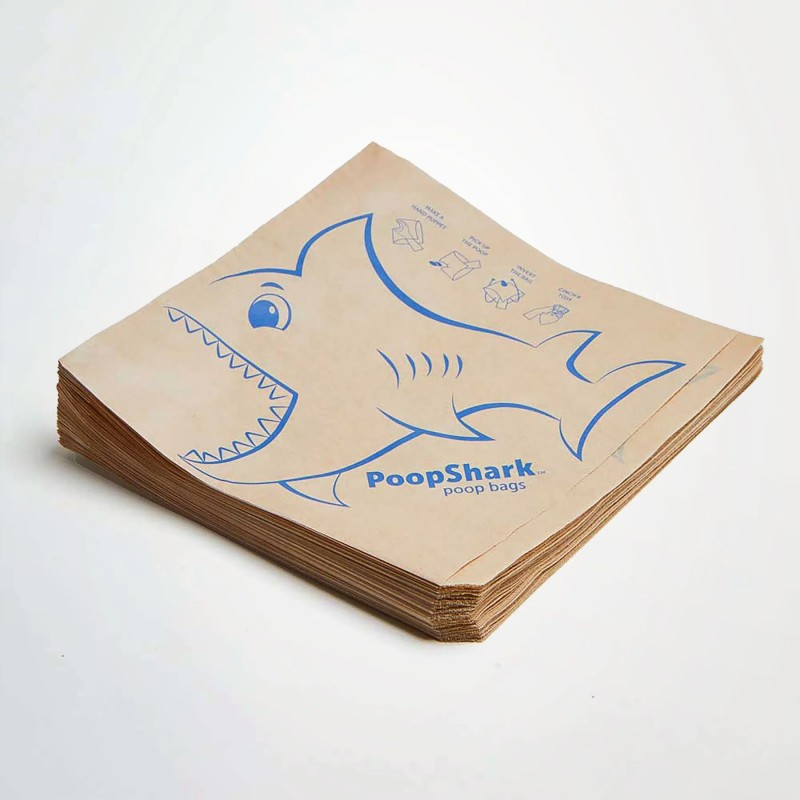
- Dispose of in biodegradable poop bags where available.
- Immediately flush where dogs pee with water, to prevent brown lawns.
Keep pets safe near snakes
England’s only venomous snake, the adder, can bite dogs if disturbed.
- Keep dogs on leads when walking in tall grass or bush. Be extra careful around piles of wood and rocks. And creeks or other water sources, especially early morning or evening.
- Don’t leave food (or fruit waste) outside (this can also attract rodents).
- Humane dog trainers can teach dogs how to avoid snakes.
- Dog-Friendly Cornwall has tips on when to avoid walking (‘safe hours’ were previously before 9am and after 7pm). But climate change has adapted temperatures, so this does not always follow.
- Goodheart Animal Health Centres has tips to protect small dogs (advice could apply to other species) from birds of prey. Attacks are rare, but info is useful for people who live near eagles and raptors.
If your dog is bitten by a snake:
- Call a vet immediately (read how to avoid & treat adder bites).
- Keep calm and stay quiet, so your dog doesn’t panic. Lift and carry your dog to the car to stop venom from spreading.
- Don’t wash or attempt to treat the bite yourself.
- If you can safely take a photo of the snake, this can help vets.
- Animal Emergency Service has tips on symptoms and treatment.