Simple swaps for wildlife-friendly gardens
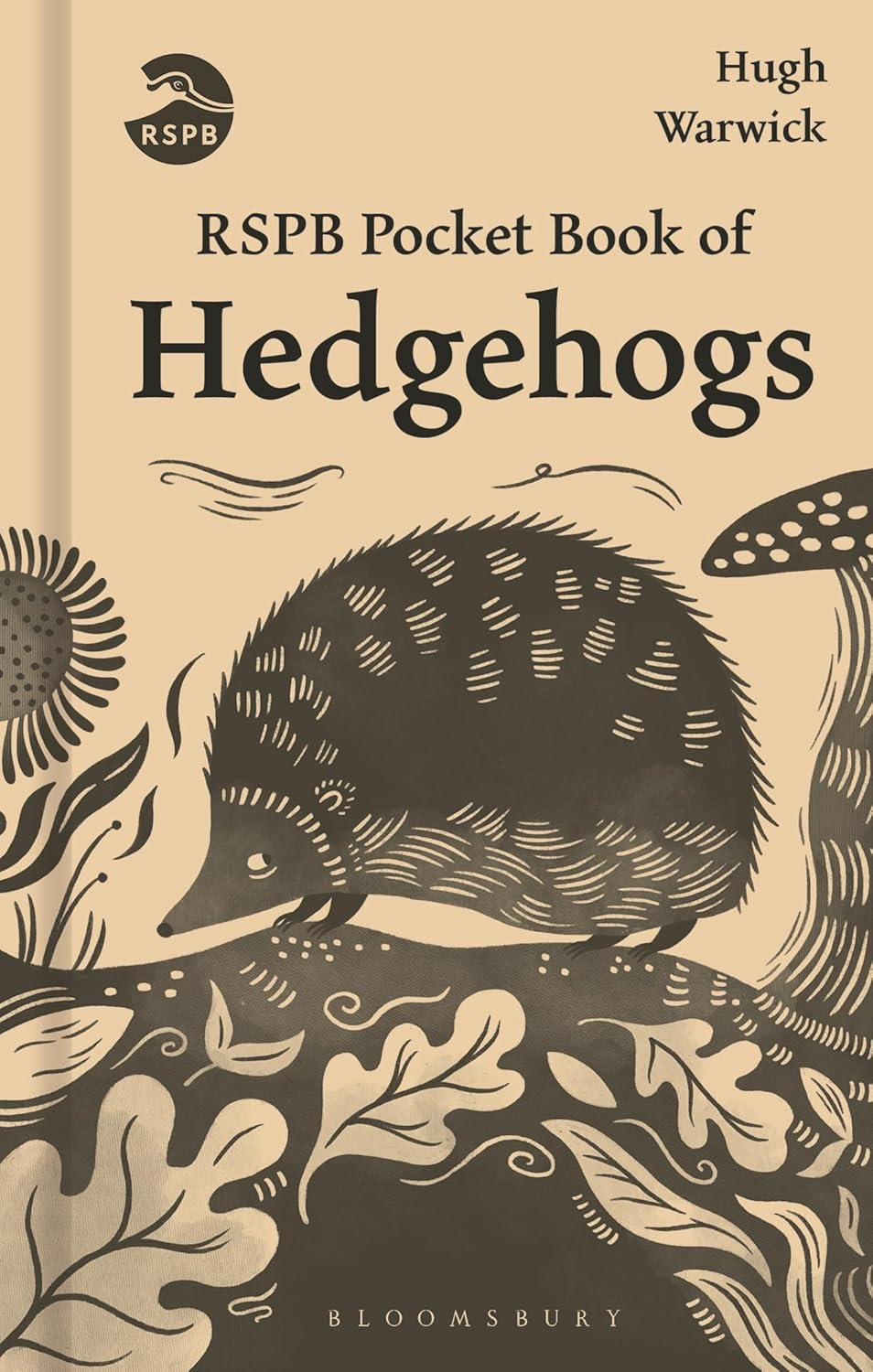
If you grow your own food or flowers, then it’s important to also ensure that the garden is wildlife-friendly (even if you don’t grow anything, it’s just as important!) So here are a few tips and resources to help the birds, bees, butterflies and mammals that share your garden space!
If you share your home with animal friends, learn about pet-friendly gardens (many plants and mulches are unsafe near animal friends). And use nontoxic humane slug and snail deterrents (organic gardens should take care of this by attracting birds, ladybirds, frogs and toads).
10 Steps to a Nature Garden (a friendly online course!)
10 Steps to a Nature Garden is a wonderful self-paced online course from Patch of the Planet, on how to grow a wildlife-friendly garden. Ideal for anyone who loves nature, it includes over 4 hours of videos, and lots of exercises, plus you join the ‘Patch Pals’ online learning community.
The course was created by ecological gardeners, who are experts on permaculture and fruit trees. They know how to grow a garden that will be loved not just by you, but visiting mammals to tiny insects!
Simple swaps for a wildlife-friendly garden
Know what not to feed birds (and how to site feeders/houses/bird baths safely – clear look-outs for predators and keep cats indoors at dusk/dawn when birds are feeding – avoid ‘climbable’ poles)).
Read how to create safe havens for garden birds and stop birds flying into windows (switch off lights when not in use, avoid facing indoor foliage to gardens and place feeders less than 1.5 feet or more than 30 feet away).
- Choose native plants and garden organic! Recycle empty chemical bottles in bins, take non-empty bottles to hazardous waste (don’t pour down drains).
- No-dig gardening (protects earthworms which do most work for you, and stag beetles (big grubs you find in soil).
- Peat-free compost (keep fresh compost and cocoa mulch away from pets – pine and rubber mulch can also puncture or choke). Move piles gently to avoid harm to hogs and frogs (avoid bonfires).
- Garden water safety. Choose shallow (non-slippery bowls) with large stones as landing pads for small creatures. Ensure sloping sides for wildlife-friendly ponds. Troughs on farms are hazards, read more on how to help wild owls.
- If knocking down old sheds, check for foxes (make dens underneath) and hibernating bats and hedgehogs. Check hoglets have left home (at least 8 weeks after giving birth, which can be from spring to July).
- Hedges are better than solid fences. It’s not always practical (choose non-toxic versions for pets (holly is unsafe) and livestock (yew is toxic to horses and livestock). But in the wild, hedges are better as it’s easier for wildlife to shelter.
How to help hibernating wildlife in gardens
Leave sheltered spots. Leave out leaf litter, log piles and hollow stems for wildlife to shelter (and hibernating mammals can sleep through winter):
- Prickly hedgehogs (need ‘hedgehog highways’ to move between gardens at night). If you have pets, cover up holes during the day, when hogs are asleep). Also cover drain holes and remove litter.
- Sleepy dormice (farmers can plant hazelnut trees, which they fatten up on, to get through their long winter sleep).
- (not-scary) bats! (illegal to disturb unless a bat rescuer). Plant night-scented flowers for nectar). Evening primrose and lavender are listed as non-toxic to most pets (there is conflicting info for rabbits and guinea pigs)
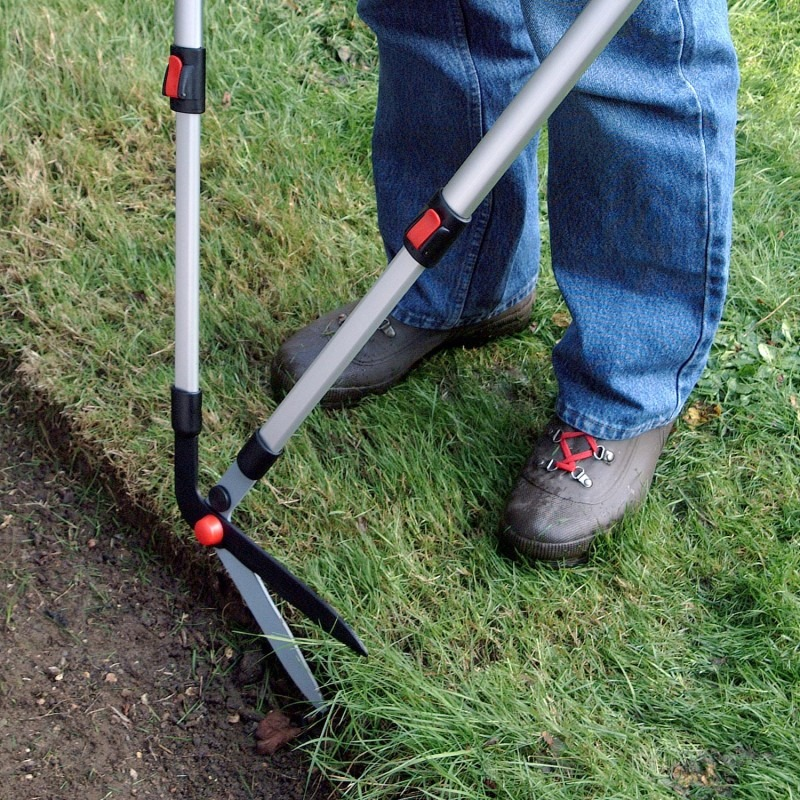
Choose edging shears (over nasty strimmers)
Any wildlife rescue charity will tell you that one of the main issues they deal with, is creatures caught up in strimmers, leading to horrific injuries and often death. Hedgehogs, frogs and any creatures that live in long grass are particularly in danger.
Many end up with deep cuts and head wounds, especially creatures like hogs that freeze when frightened, and roll themselves into a ball (rather than running away).
If you find any creature needing help, contact your local wildlife rescue (or take to the vet if you can’t get through – there is no charge to you).
These telescopic edging shears are by a quality brand, designed to be easy to use, and to last for years, possibly a lifetime! Garden shears are not just good exercise, but much safer to avoid accidentally injuring wildlife (if you use strimmers, sweep through long grass with a broom handle first).
Same with mowing (never use robotic mowers, as slow-moving wildlife can’t escape in time).
These shears are designed to perfectly adjust to your frame, and take the backache out of lawn edging, meaning it will be just as easy to trim lawn edges.
Each handle adjusts independently to tailor for those with shoulder or arm problems, and the carbon steel blades are shaped with an undulating edge, to better grip the grass, for a more precise cut.
As with any steel blade, it’s best to clean with fresh water and dry well after use, to prevent corrosion. A final wipe over with an oiled cloth with add an extra layer of protection (vegetable oil is fine).
Where to recycle garden strimmers
You don’t want to donate them, as this could mean someone else harms wildlife. Instead, enter your postcode at Recycle Your Electricals to find your nearest outlet, they will be made into scrap metal.
All stores that sell electrical goods must take old ones back by law (even if you are not buying something new). Or at least take back the strimmer and buying some edging shears!
If you have no transport, most councils offer bulky waste collection.
Ensure petrol tanks are empty (use a siphon pump and pour into a jerry can for disposal at hazardous waste -don’t pour down drain). If the strimmer has been sitting for a long time, drain the carburettor by loosening the drain bolt under the float bowl, to remove residual stale fuel, and dispose of safely as above.
Choose fruit tree protectors or bags (over nasty netting)
Netting is awful for birds and wildlife. For a start, many brands are the wrong colour (so not seen by wildlife, especially nocturnal owls and bats). And most is way over the mesh size (tiny) recommended by wildlife rescue charities (who end up having to go out and untangle creatures caught in it).
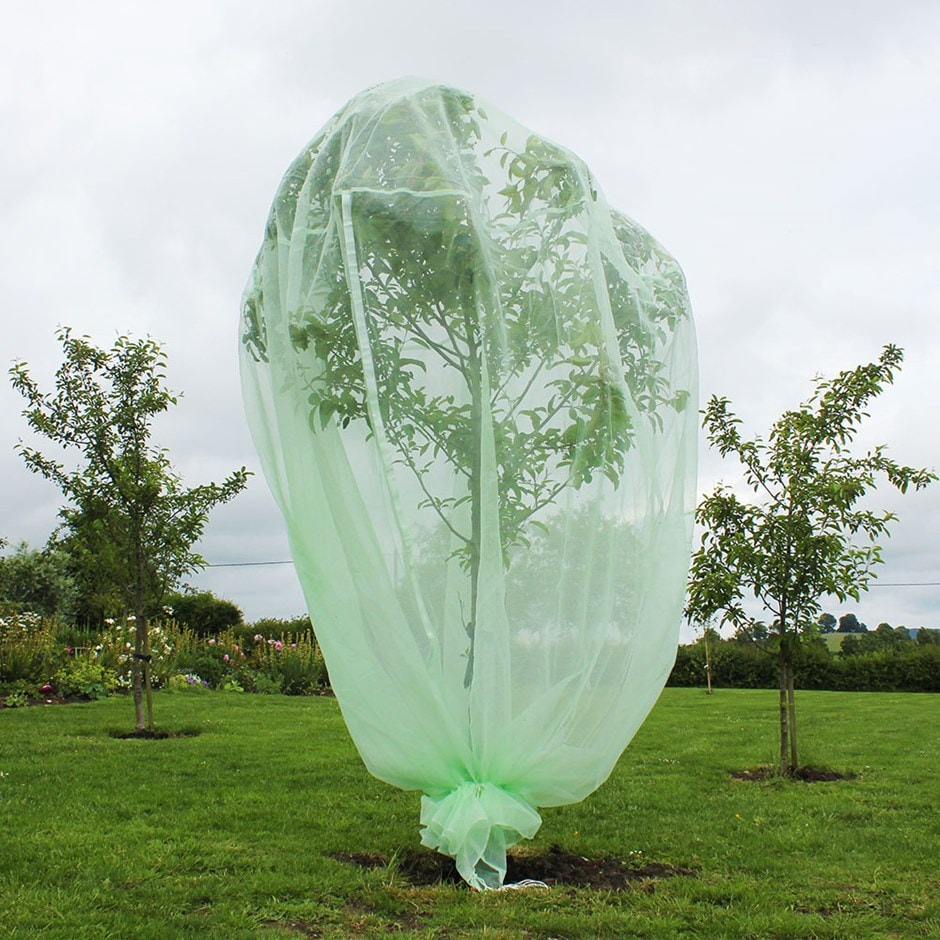
These fruit tree protectors are made with tiny mesh that is safer to birds and wildlife, over netting that can trap and entangle many creatures. Designed to keep fruit trees and bushes safe from bad weather and unwanted visitors.
Remove for pollination (this enables bees and other creatures to reach the flowers, or else no fruit will develop). Ensure ties are secure at the bottom to prevent access, and fruit from dropping out that would attract rodents.
Designed with a sealable opening side, the net lifts and secures over trees and shrubs, to keep our cherry worm, aphids, fruit fly, wasps and birds, and also insulates fruit crops from frost, heavy rain and hail.
The ultrafine 1mm mesh is designed to be used in early spring to protect blossom, and in summer/autumn to protect fruit. Ideal for fruit bushes along with cherry, peach, plum, nectarine, apricot, apple and pear trees. You’ll need two people and two long lightweight poles to lift and drape over trees.
Fruit protector bags are similar, for smaller berry bushes. Sold in a pack of 10, these breathable bags let air and moisture flow. Again remove for pollination. They have drawstrings for easy closure ((ensure the ties are properly secure to avoid entanglement). Ideally these should be made with biodegradable twine)
If you see creatures caught in netting, call your local wildlife rescue (don’t try to remove yourself, you could do more harm than good). Also stow away rotary washing lines and football nets, after use.
- Wildlife ponds can be covered with rigid grids that still let wildlife flourish, and also prevent drowning accidents for children and pets. They can also be used over fish ponds (not the same as wildlife ponds, as carnivore fish eat tadpoles)
- Goal Wall (for commercial use, it’s expensive) is made from recycled plastic, the perfect alternative to netting in goal posts.
- Urban birds can be deterred by quality spikes (good quality brands) that make landing uncomfortable on buildings, but cause no harm.
- Never use mesh bags to feed birds, they trap tiny beaks or legs. Choose brand name feeders (never feed nuts in spring/summer, this could choke baby birds).
- Badger gates are used near farms, these are made from wood and enable badgers to move to and from areas, without getting trapped.
Where to recycle garden netting
Cut into small pieces (less than 6 inches) then bundle tightly in a plastic bag and seal with plastic-free tape before safe disposal (ask your council where).
Most ‘nets’ for citrus fruits and onions are made from plastic (so never compost). Buy loose produce (or take zero waste produce bags to the store). To dispose of existing fruit netting, cut open the holes and place inside a larger sealed bag for disposal (you could also tie a knot in the middle) at supermarket bag bins (remove/recycle metal clips).