Breast Cancer (prevention, treatment & humane research)

Breast cancer is the most common form of cancer in the UK, with around 60,000 (around 400 of them being men) people diagnosed each year. It mostly affects women over 50 (25% of all case are in women over 75), with high survival rates these days. 85% of people live over 5 years when being diagnosed, with all medics saying that early detection is key.
However, this still leaves around 12,000 people each year dying from breast cancer.
What causes breast cancer?
Around 5 to 10% of breasts cancers are genetic. But over 70% of all breast cancers are oestrogen-receptor positive, which means they exist due to only a few causes:
- Long-term exposure to oestrogen. This could be due to early menstruation (before age 12), or late menopause (after age 55) or not having children.
- Hormone replacement therapy (long-time use is a risk, due to combined oestrogen and progesterone therapy after menopause)
- Obesity (after menopause, fat cells produce more oestrogen)
- Genetics (this is a rare, but combined with age increases risk)
Do other countries have lower breast cancer rates?
Many countries have much lower rates of breast cancer than in England (Bangladesh, Mongolia, Nepal and countries in Central America, South-central Asia and Eastern/Middle Africa). This is though simply due to not following the ‘standard western diet’ of high-fat and sugars, combined with more regular exercise.
How to spot symptoms of breast cancer
Women age 50 to 70 are invited for NHS screening every three years to detect cancers, before they can be seen or felt. Carry out regular breast exams:
- Check for lumps and swelling
- Look for a rash or nipple discharge
- Look for skin changes (dimpling/puckering)
If you have any concerns, contact your GP.
How to prevent breast cancer
There is no ‘magic bullet’ to prevent breast cancer. But following these guidelines can drastically reduce your risk. It’s thought that around one third of breast cancers are linked to lifestyle habits (obesity, lack of exercise, smoking and drinking alcohol).
- If eligible, take up offer of regular mammograms, especially if you have a family history of breast cancer.
- Maintain a healthy weight. This means eating (mostly or all) low-fat plant foods, plenty of fibre and lots of fresh produce. Combined with regular exercise (including at least 150 minutes of brisk walking) each week. Losing just 5% of your body weight substantially reduces the risk of breast cancer.
- Limit alcohol intake. If you don’t want to go teetotal, then at least keep to NHS guidelines. This means no more than 1 glass of wine, 1 pint of beer or 2 spirit shots 6 days a week (not all combined!) with one ‘dry day’.
- Breastfeeding for at least one year helps to lower the risk of breast cancer.
- Avoid smoking. This is linked to higher risk of breast cancer, especially in premenopausal women.
- Avoid HRT (hormone replacement therapy) as long-term use increases risk (a lot is made from oestrogen-rich urine of pregnant horses).
- Choose natural contraception methods, as birth control pills also increases risk.
- Live organically. Reducing exposure to chemicals helps to reduce risk, especially in some plastic and non-stick goods. Choose a sustainable zero waste lifestyle for food, beauty, cleaning and gardening.
Conventional treatment for breast cancer
Orthodox treatment for breast cancer begins with surgery to remove lumps or even breasts, combined with medicines, radiography, chemotherapy and hormone therapies. These are prescribed depending on the type, size and grade of cancer.
Specialist nurses are often on hand to deal with side effects of medicines like fatigue and lymphedema (swollen legs or arms).
Sometimes the patient’s breasts can be reconstructed using implants or their own tissue. Follow-up checks and mammograms are usually carried on for several years after diagnosis, to maintain the ‘all-clear.
Nutritional helpers for breast cancer
- Turmeric is anti-inflammatory and a good spice to add to a veggie curry.
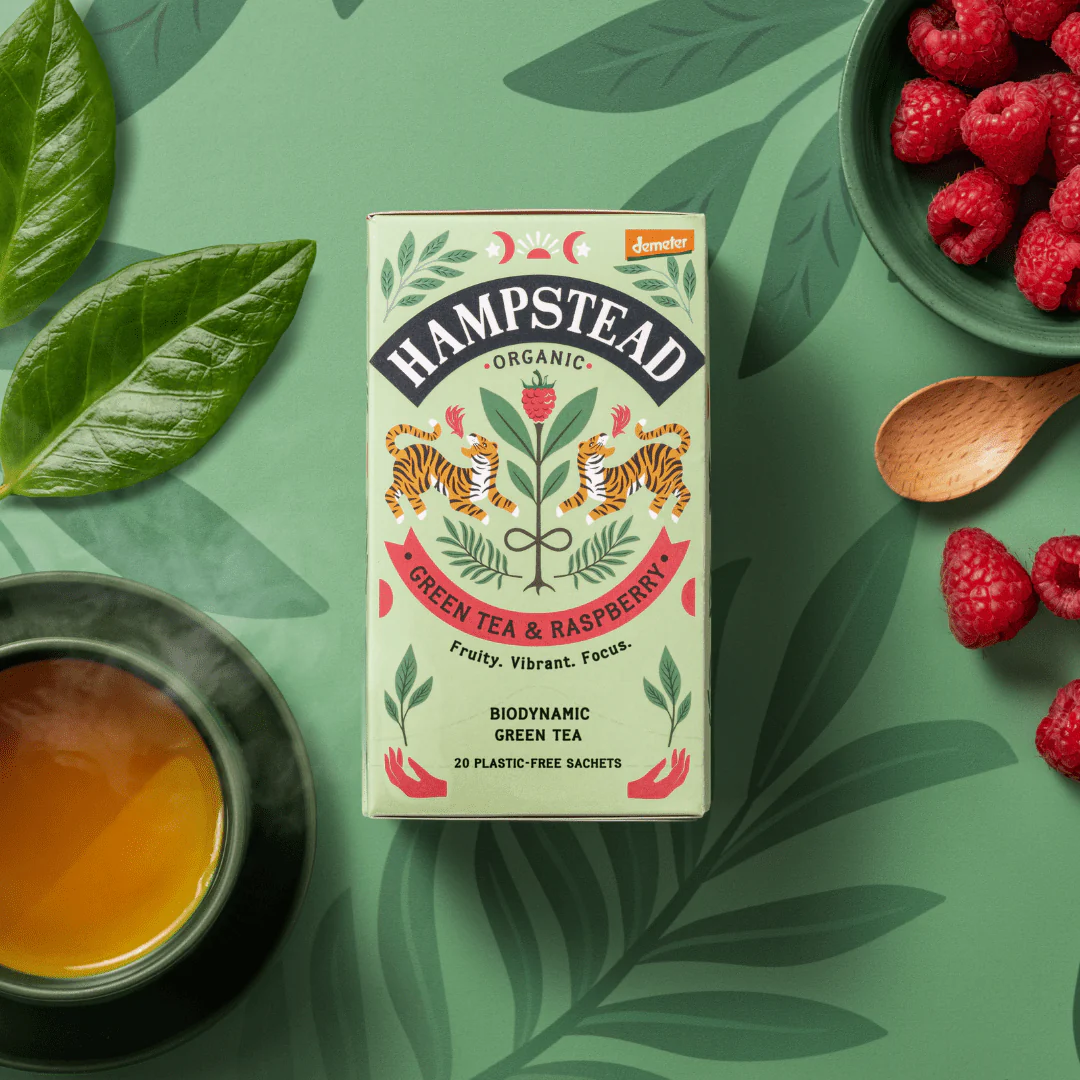
- Green tea contains polyphenols which can reduce recurrence risk in early-stage breast cancer. Avoid caffeine for pregnancy/nursing.
- Broccoli and kale are high in sulforaphane, which can help to slow cancer cell growth (check medication before eating lots of dark leafy greens, due to vitamin K).
- Omega 3 fatty acids may help to lower breast cancer risk and reduce treatment-related inflammation. You don’t need fish (which has its own risk from mercury). You can get these from nuts, seeds or algae-based supplements.
- Vitamin D is linked to better outcomes and lower recurrence. You can get this in summer from 20 minutes on bare skin. In winter (or if you cover your skin or spend most time outdoors), vegan D3 (from algae or lichen) may be recommended.
- Whole soy (tofu, edamame beans) contain isoflavones that may lower risk of recurrency and mortality. Don’t be scared off by stories in the media (Asian women eat soy all the time and have far lower breast cancer rates). But do choose good organic sustainable brands like Tofoo (made in Yorkshire!)
Holistic treatment options for breast cancer
Always tell your GP or oncology team before starting any holistic treatment, as some supplements and medicines could interact with conventional medicines.
- Acupuncture should always be performed by a licensed professional, using sterilised needs. It can help to reduce nausea, vomiting, pain, hot flashes and anxiety.
- Massage therapy to help relieve muscle tension, anxiety and fatigue.
- Meditation can help to reduce anxiety and improve sleep. As can Tai Chil. Yoga should only be practiced, once surgery scars have healed.
- Aromatherapy oils can help with sleep, relaxation and nausea. Avoid large amounts of oestrogen cancers. And avoid essential oils for pregnancy/nursing (keep away from babies/pets, avoid if pets sleep in your bedroom).
Supporting humane medical research for breast cancer
Humane medical research charities do an amazing job trying to figure out cures for breast cancer, but don’t get the publicity or funding that the big charities do, although they are kind, quicker, cheaper and more accurate. As well as making better use of funds, rather than spending it on expensive TV ads. They focus mostly on:
- 3D cell models and organ-on-a-chip (using human breast cells to create 3D models with blood supplies, to simulate how cancer cells spread within human tissue).
- Breast cancer prevention (not just lifestyle changes, but the role of fibroblasts (structural cells) in dense breast tissue).
- Replacing the use of mice with fully humanised models. This would save over 4000 mice used annually at present in breast cancer lab experiments.
The Complete Guide to Breast Cancer
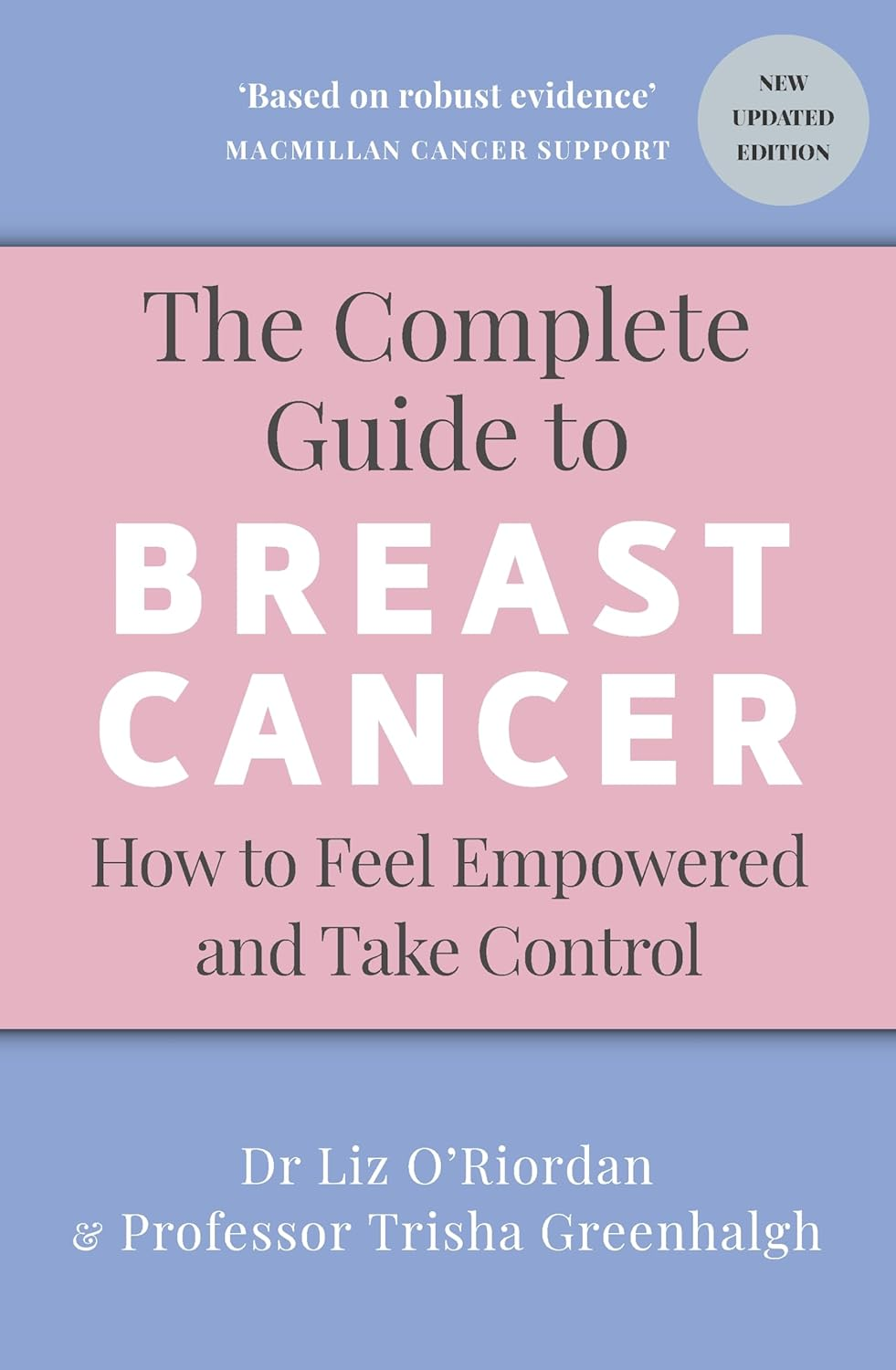
The Complete Guide to Breast Cancer is a compassionate and upbeat book by a retired GP and a breast cancer survivor, who together use their experience to provide a trusted and thorough source of information. Designed to empower, the book offers:
- Simple explanations of breast cancer treatments
- Staying healthy during and after treatment
- Coping with the emotional burdens
- Dealing with the fear of recurrence
- Living with secondary breast cancer
- A chapter on disability and breast cancer
Help and information for breast cancer patients
- Physicians Committee for Responsible Medicine trains volunteers how to cook foods to prevent and treat cancer (plant-based and free from sugar and refined oils).
- Boost is a silicone breast form for women who have had mastectomies. Lightweight and comfortable, it fits inside a standard bra, with a ‘curve range’ for fuller shapes. They are available on the NHS, ensure your GP says you are ready to wear one.
- Maggie’s Centres are beautiful buildings with landscaped gardens near NHS hospitals, to give patients and carers somewhere to relax, while waiting for treatment.
- Something to Look Forward To lets hotels, holiday home owners and theatres donate stays or visits for cancer patients.
- Macmillan Nurses provide NHS-funded palliative care for dying patients. It also offers a free phoneline, email support and live chat.
- SimPal is a charity that provides free pre-paid SIM cards for people on low incomes, including those living with cancer. The phones let them stay in touch, call for help or apply for benefits. It welcomes donated factory-set 4G working phones.