London (an urban forest with over 9 million trees)
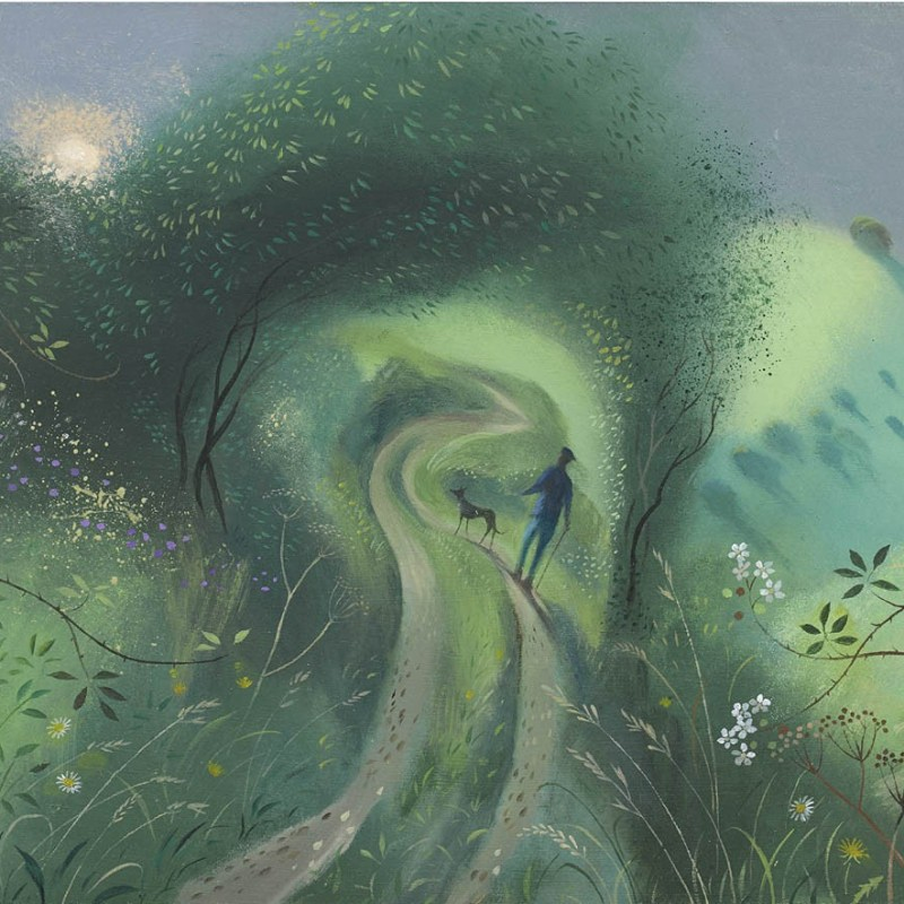
London is imagined as a bustling city of concrete, traffic, and flashing lights. But in fact it has more trees than people, with over 3000 parks and thousands of tree-lined streets give Londoners space to relax, meet friends, and enjoy fresh air.
If out walking, follow the Countryside Code to keep all creatures safe. For dog-friendly parks, keep them away from all bulbs and conkers.
Did you know many trees (including yew, oak and sycamore) are unsafe near horses? Councils should not plant flowers in railings, as deer can get stuck in them.
The “Urban Forest”: London’s Tree Canopy
London’s “urban forest” spreads wide, with millions of trees covering nearly a fifth of the capital. From grand plane trees shading central squares to old oaks in local parks, these trees trap pollution, and provide cleaner air and cool shelter.
London Parks spends a year walking around the author’s favourite parks. From his local haunt on Hampstead Heather to Richmond Park to Battersea Park (with the little brown dog statue, in memory of the first victim of vivisection).
Hyde Park: The Heart of Central London
Hyde Park was built in 1536 by Henry III who ‘stole the park’ from local monks, who used it as a place of worship and gardening. He forced the monks out, to use it to hunt deer.
Thankfully today the 350 acres is home to over 4000 trees and an antique bandstand. Lake Serpentine is acutually a pool, built at request of Queen Caroline in 1730. It alas is infamous for the IRA bomb which killed four men and seven horses in 1982.
Richmond Park: A Wild Oasis Near London
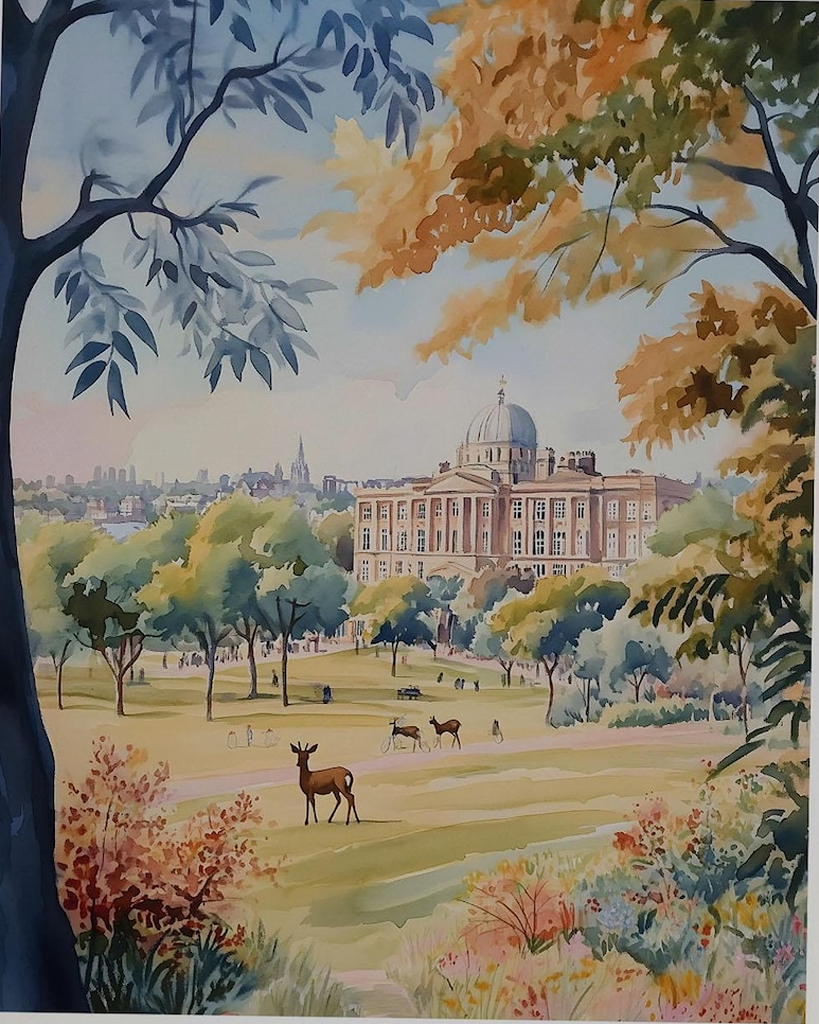
Richmond Park is a living landscape packed with history, wildlife and wide open views. Known for its herds of red and fallow deer, around 600 have roamed these fields and woods since the 17th century.
The Isabella Plantation bursts colour each spring and summer (Azaleas and rhododendrons (toxic to dogs) line the winding paths.
Alternatives to Culling Deer
Richmond Park does cull deer, saying venison profits go towards employing Wildlife Officers. And says contraceptives would cause stress through rounding up and fencing. Rewilding is not possible, as introducing wolves could attack children or dogs. Hopefully solutions can be found to co-exist peacefully with deer friends.
Regent’s Park: Gardens and Wildlife
Regent’s Park has neat gardens, flower borders and secret corners for quiet reading, as well as an Open Air Theatre that draws crowds each summer.
Boycott the zoo (caging animals to conserve species is not the answer). And instead notice wild swans, herons and robins living wild along winding paths.
Hampstead Heath: Wild Panoramic Vistas
Hampstead Heather is more wild than many parks. In North London, trails dart through woodlands and meadows, up to Parliament Hill. On a clear day, the view across the city from here rivals any postcard.
Secret Gardens (in central London)
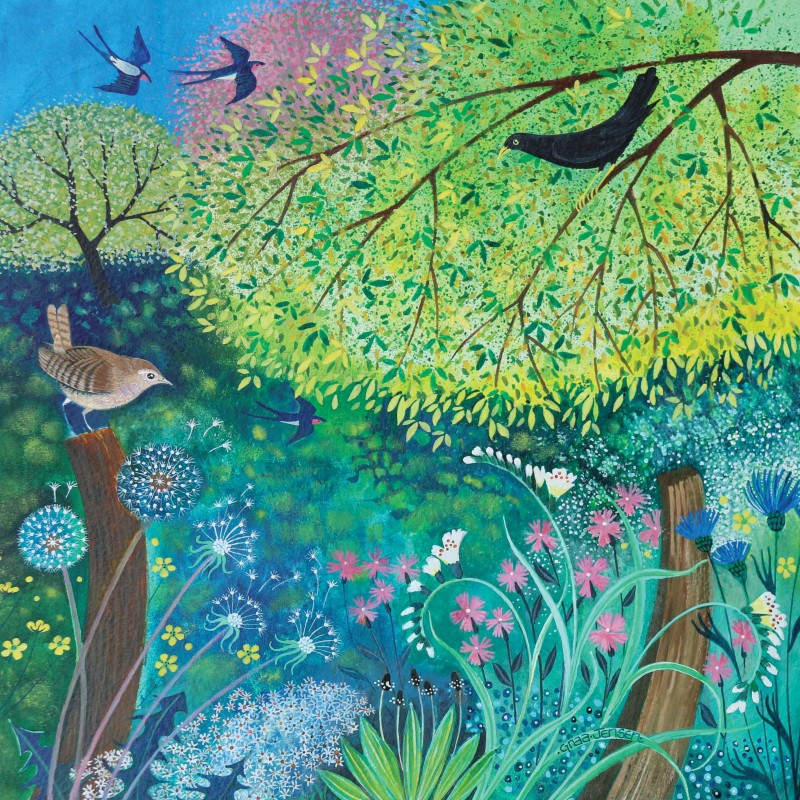
Don’t visit a hidden London garden to ‘do anything’. You won’t find skateboard parks or ice-cream shops or tearooms here. You’ll just find peace and quiet.
- Culpeper Community Garden transformed a barren area back in the 1980s. There are places to relax, and also some people use the garden to grow their own vegetables.
- Hampstead Hill Garden sits within a large park, with trees, stone paths and flowers. Mostly left to grow wild and organic. It’s a well-known oasis of calm in a busy part of the city.
- Red Cross Garden was created in 1887 by Octavia Hill, a social former who founded the National Trust. Filled with trees and colourful flowers, there are benches to look over the grass, or to chat or read.
- The Onion Garden is close to the Houses of Parliament. It grows many plants, but not onions! The name is due to when monks used to grow them, but now it’s more flowers.
- Phoenix Garden is a small garden in central London, quiet and calm (despite being near busy buildings and roads). Run by volunteers, bees and butterflies have already discovered it
- Postman’s Park (near St Paul’s cathedral) is a quiet spot to relax, and a fitting tribute to those who have saved other people’s lives.The Memorial includes stories from the late 1800s and early 1900s.
- St Dunstan in the East (in the city of London) sits amid the ruins of a church that was hit by bombs during World War II. Built in the 12th century, it had already been damaged in the Great Fire of London (1666). This time, when bombed, the local people decided to turn the area into a public garden, instead of rebuild the church.
The Tower of London (that’s actually a castle)

Designed to blend in beautifully with the nearby Tower of London (just 6 minutes walk away), Tower Bridge is made from steel (11,000 tons of it!) then glad in Cornish granite and Portland stone.
The Tower of London is actually a castle, where the crown jewels and coronation robes are kept. It’s also home to the famed ravens who have their wings clipped to stop them flying off (though the tower claims this is to keep them safe and well-fed, as they have never lived in the wild).
Less common than smaller crows, ravens have metallic feathers and wedge-shaped tails, often flying upside-down for fun. Young ravens drop sticks mid-air, to fly and catch them.
Located in the London borough of Tower Hamlets, the palace become infamous for housing people who would meet a grisly end. From poor Anne Boleyn (beheaded by her husband Henry VIII) to spies executed during World War I.
The last person to be executed here (by firing squad) was a Luxembourg-born German spy, who was captured after parachuting into the UK during World War II.
Tower Bridge: A Magnificent Victorian Structure
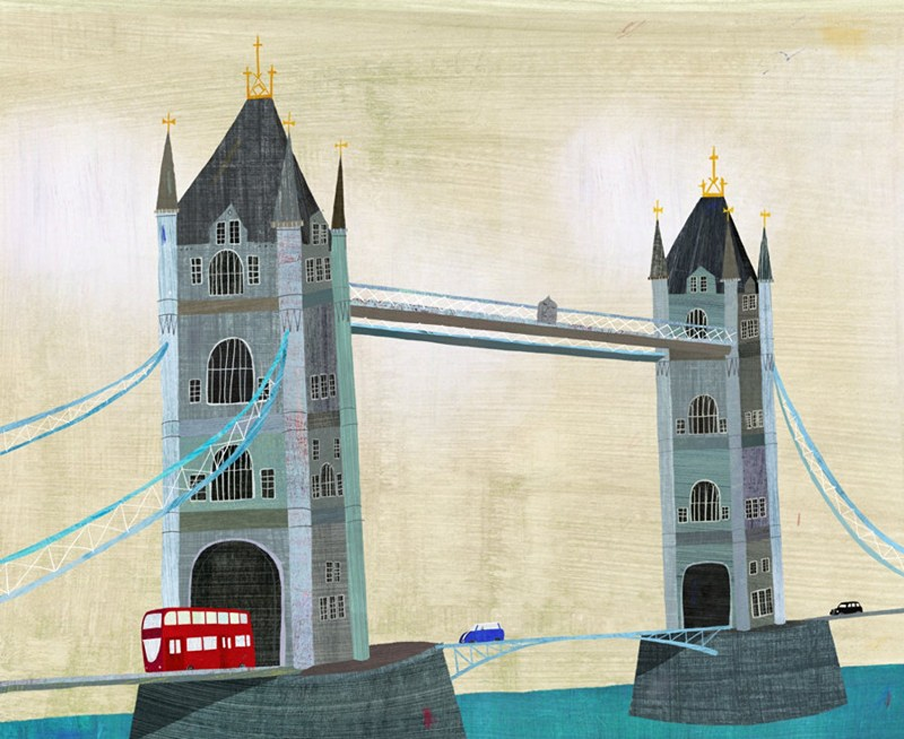
Tower Bridge is a suspension bridge built in the late 1800s, to give people better access to the East End. Often confused with London Bridge (half a mile away), the urban (denied) legend is that an American (who bought a bridge to put in Arizona) bought the wrong one!
The bridge was originally built to allow ships to pass underneath, while letting walkers and cars pass overhead. It took almost 8 years to build and almost 500 workers.
Even today the bridge still opens for ships to pass. And visitors can watch all the action through the famed thick glass floors. Braille booklets are available for blind people to also enjoy all the action.
England’s Own Version of the Film ‘Speed!
In 1952, a double-decker bus began to slide, as the bridge accidentally opened.
Driver Albert Gunter saved everyone’s lives by making a split-second decision to accelerate to clear the opening gap (a bit like in the film Speed when the road wasn’t built). There were no serious injuries and to reward his bravery, he was awarded the princely sum of £10!
London in the Wild (nature in the city)
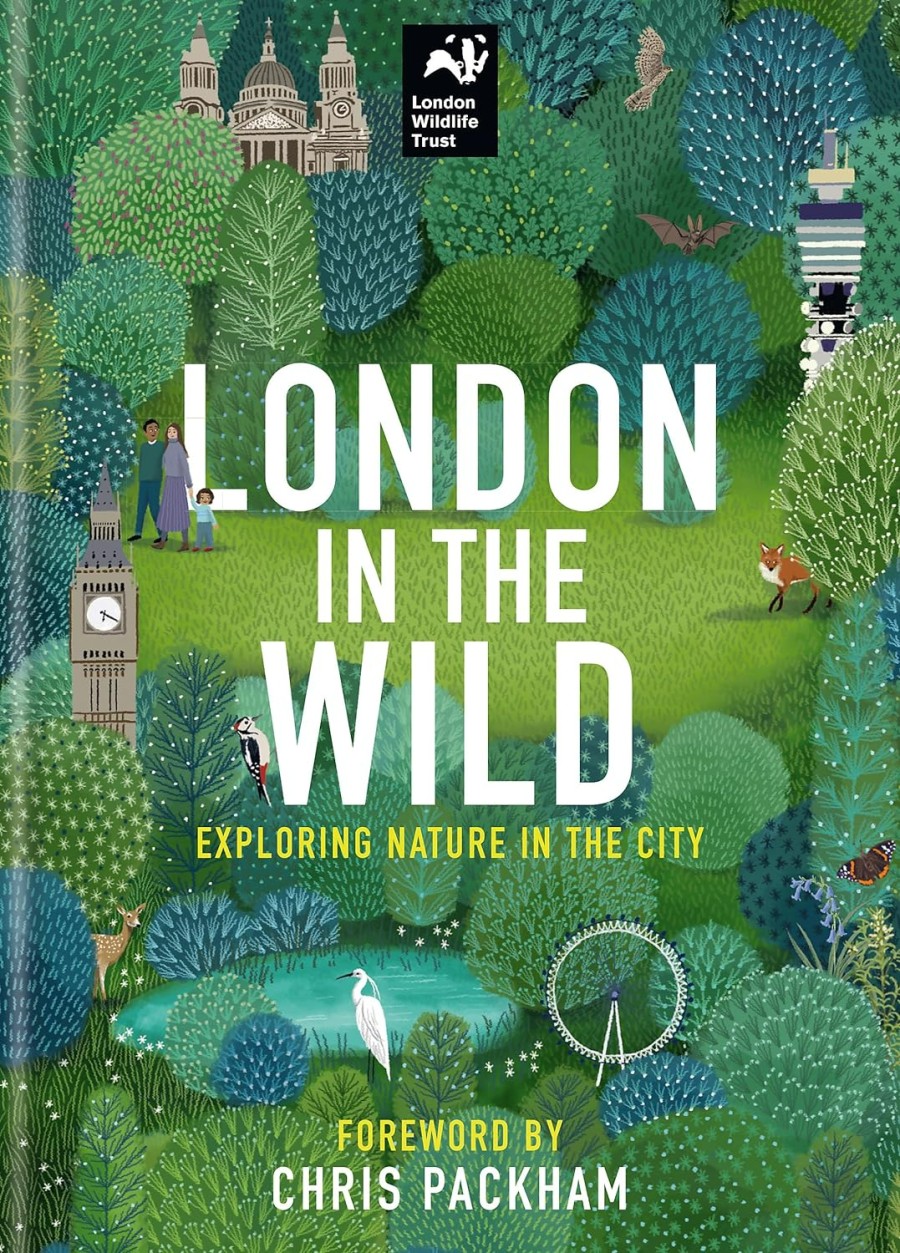
London in the Wild is a guide to a city teeming with over 15,000 species of flora, fungi and fauna (marsh frogs, hedgehogs, short-eared owls, dragonflies, foxes, stag beetles and pigeons!) You’ll even learn about the day-to-day life of a London tube mouse! London also has over 800km of surface railway lines, which provide habitats and food for wildlife.
Read how to how to help your wildlife rescue). Reducing light pollution (especially in glass buildings) can help stop birds flying into windows.
Only cut and prune vegetation from September to February, outside of breeding periods. This is to help nesting birds that are protected by law (it’s a crime to harm a nest).
- Local wildlife rescues or rehabilitators
- London Wildlife Protection (birds) and Moonstone Rescue
- Report wildlife crime to Crimestoppers (anonymous)
London Wildlife Trust has over 1000 volunteers who manage 36 free-to-access nature reserves (you can get married there, with profits helping local creatures). It’s also helping to transform London’s 3 million gardens into mini-nature reserves.
Record your sightings to help them monitor welfare and numbers of:
- Deer
- Dragonflies and damselflies
- Hedgehogs
- Owls and kestrels
- Glow worms
- Stag beetles
- Water voles
Ring-necked parakeets live wild in London, due to escaping from the pet industry. Native to Africa and southern Asia, they nest in tree holes in gardens and parks, and can roost in noisy flocks, eating nuts, seeds, berries and fruits.