Boycott Zoos (and still save endangered species)

Visiting animal zoos might feel like a harmless day out, but there’s a bigger story behind the fences and glass. Many zoos promote themselves as havens for education and endangered species, but that’s not really the truth. Also read of reasons to avoid tourist aquariums.
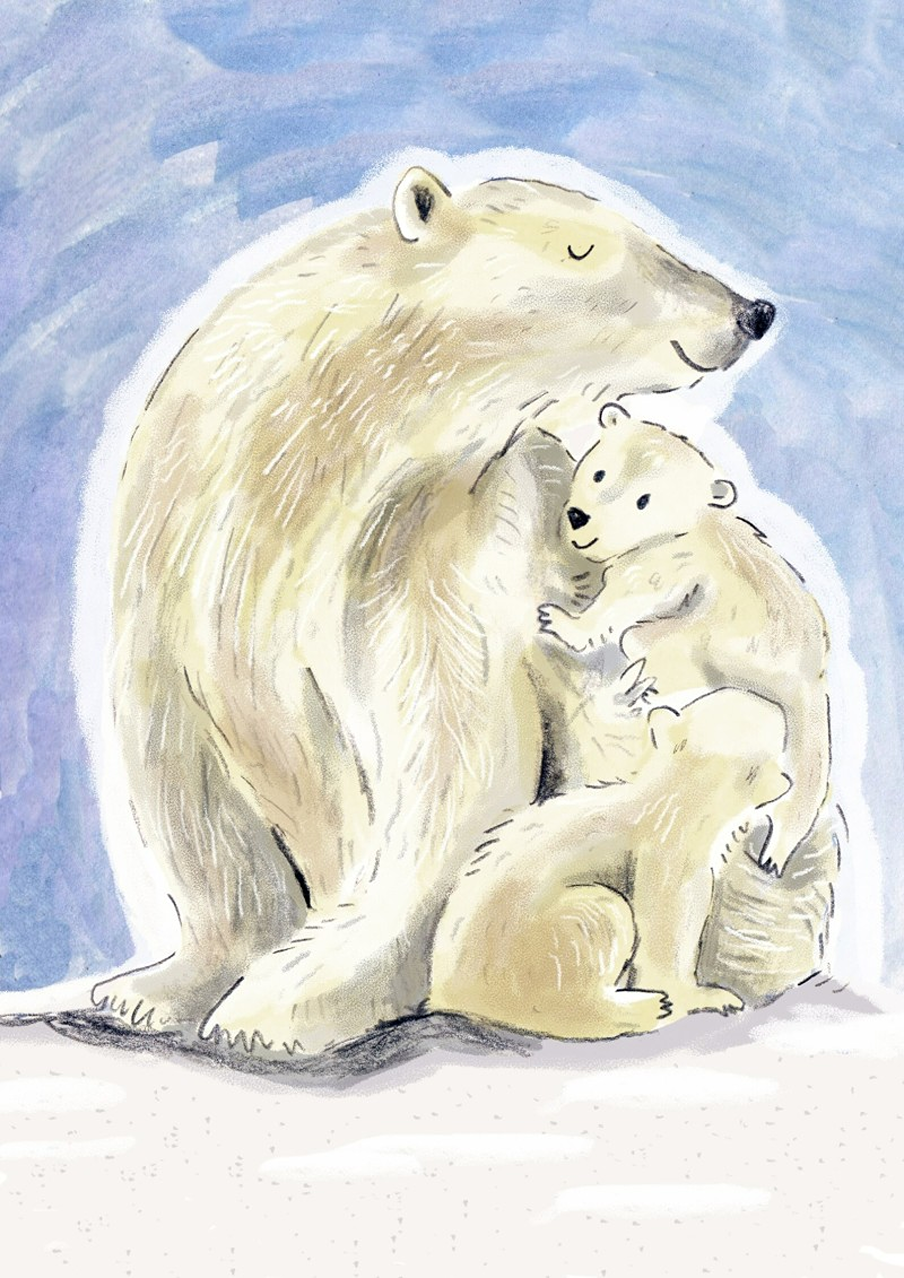
- Most creatures are not in environments where they can behave like in nature. Polar bears have one million times less space, the climate is too hot or cold for most ‘big animals’, and most lick bars and head-bob, due to severe boredom.
- The average child spends around 20 seconds viewing each creature. This is entertainment, not education.
- Most bird habitats are tall cages. But wild birds fly horizontally (think of an eagle flying over a canyon).
- Reptile experts say they should be in glass tanks, but in swamps akin to their natural habitats.
- Due to wanting profits, some zoos and ‘wildlife parks’ have in the past bred more animals than needed, then killed the cubs. That’s not animal conservation.
Kate on Conservation writes how wild elephants roam in herds, the size of a city. But zoos give around a hectare of space (they can walk that in a minute) and are usually housed in groups of three (in the wild, this could be hundreds).
Although animal circuses are now illegal in England, zoos aren’t and have many welfare issues (after years of campaigning, a Cumbrian zoo has finally closed, though some animals were so ill or injured, they had to be put to sleep).
Support Born Free Foundation (over zoos)
Born Free is the charity that focuses on conservation of endangered species in their natural habitats abroad, run by the founders’ son Will Travers. He says that zoos never educate, as you are not viewing how an animal would behave in the wild.
Many animals develop medical problems due to the wrong weather and homes, and there is high infant mortality for polar bears, lameness in elephants and mental health issues for apes.
Presently there is a campaign to rescue 15 penguins from London’s Sea Life, who are housed in a dingy basement, rather than live akin to how they would naturally.
Submit reports to Born Free about animal concerns for zoos (or circuses abroad) and for animals used in the media. Take photos and videos if you can. Also contact the polar, local animal shelter and tour operator.
Also Support Freedom for Animals
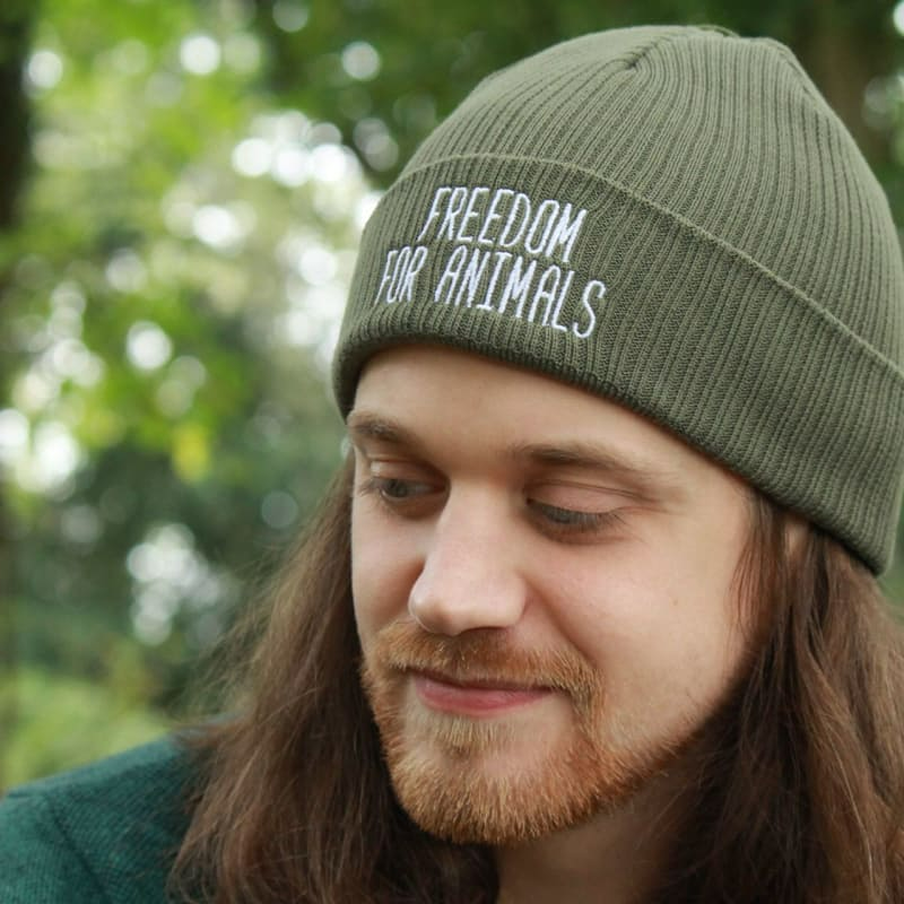
Freedom for Animals is the other main welfare charity for captive animals, which investigates and educations (it sells nice organic cotton and beanies, to help raise funds).
You can also report a mobile zoo, be a whistle-blower (anonymous) and download a free activist pack. This charity also campaigns to stop reindeer being used to ‘entertain children’ at shopping centres, as long journeys, bright lights and noise terrifies them.
New Welfare Laws for Zoo Animals
The UK government is soon to bring in new welfare laws for zoo animals, which at least is an improvement. This will make it mandatory to provide larger habitat enclosures for elephants, improved public safety measures and better training for staff.
However, it still won’t be as good as conserving animals in their natural habitats.
There are still around 300 licensed zoos (this includes aquariums) in England, which is quite surprising, considering most of us don’t like the idea of caged animals, for bored children to gaup and point at.
When asked why so many people in England still visit zoos (around 20%), the answer is always the same. There are welfare concerns, but they have been duped into believing that we need zoos to conserve endangered species, when this is just not true.
Born Free published a report Conservation or Collection, showing that nearly all UK zoos don’t have endangered species, and if they do, they make little conservation effort, it’s more about tourism income. Key findings included:
- Only just over 25% of species are endangered
- Over half at classified as ‘least concern’ on the IUCN Red List (endangered species)
- Only a third of species born at zoos are endangered.
- Most zoos house more domestic animals, than endangered species.
While an elephant enclosure containing a tiny number of often unrelated individuals costs many millions, field conservationists are crying out for even a fraction of those resources, to protect wild elephants and their habitats. Bluntly, the multi-billion-pound zoo world promises much, but delivers very, very little. Will Travers
Lowdown on England’s Three Most Popular Zoos
England’s three most popular zoos by far are London, Chester and Whipsnade. Let’s look at what they do, and how much they protect endangered species, compared to field conservationists in the wild (say in Africa).
London Zoo is one of the largest near Regent’s Park. It no longer houses elephants due to not enough space, but there are other concerns.
Whipsnade Zoo (owned by the same organisation that runs London zoo) does however house elephants, even though Born Free campaigns for no elephants to be housed in zoos in England. The herd of Asian elephants are in 30 acres, a tiny amount of space, compared to the wild.
Chester Zoo again has welfare issues, with Born Free to urge it (and Blackpool zoo) not to keep wild apes there, who are bored out of their brains. These include orangutans (the argument being that they are critically endangered).
They are, but that’s because most junk food and bar soaps are made with palm oil. If this issue was sorted out, their forest homes in Indonesia would be safe. Shoving our orange cousins (who are highly intelligent, they even make umbrellas from leaves when it rains) is not the answer.
Born Free states that keeping wild apes in captivity leads to chronic stress, obesity, heart disease and poor mental health, echoed by Chris Packham, who says that ‘great apes mustn’t be imprisoned for our entertainment any longer’.
And if the above is not enough to convince, here are some genuine reviews of recent months, by first-time visitors to all three zoos:
Visitors to London zoo reported that the lions and tigers looked sick, and animals were not living in nice conditions. Some saw enclosures not ‘full enough for a full-growing animal, and the creatures looked depressed, including a ‘seriously depressed gorilla’ staring at them’.
Whipsnade Zoo visitors reported again that the animals looked thorough miserable, and all you could do was ‘stare at the animals that did ‘absolutely nothing’.
Chester zoo reviews were even more depressing. As rather than be upset about animal welfare, nearly all the negative reviews were from people complaining that there were not enough animals for their children to gaup at, and heaven forbid, some of them were asleep?
Many parents seemed more concerned about the price of a slushie drink, than the animals living their lives in small cages.