Zero Waste Mountain Hiking (helpful tips)
If you enjoy going mountain hiking, here are some useful tips and resources.
Follow the 7 steps of Leave No Trace (leave nothing but footprints). Dispose of waste responsibly when you get home (or in designated bins) and never leave behind litter (nor have barbecues, which cause wildfires).
Obviously only attempt mountains if you’re fit and carrying proper gear. And don’t take dogs near high peaks or cliffs. If hiking low slopes with (fit) dogs, read The Essential Guide to Hiking with Dogs for safety tips.
Always follow the Countryside Code to keep all creatures safe. Keep dogs away from steep banks, mushrooms (and toxic plants/trees) and on leads near birds, barnyard friends and wild ponies.
If at the nearby coast, keep away from nesting birds and never walk on sand dunes. Learn how to keep dogs safe by the seaside (check beach bans before travel).
How to upright an overturned sheep
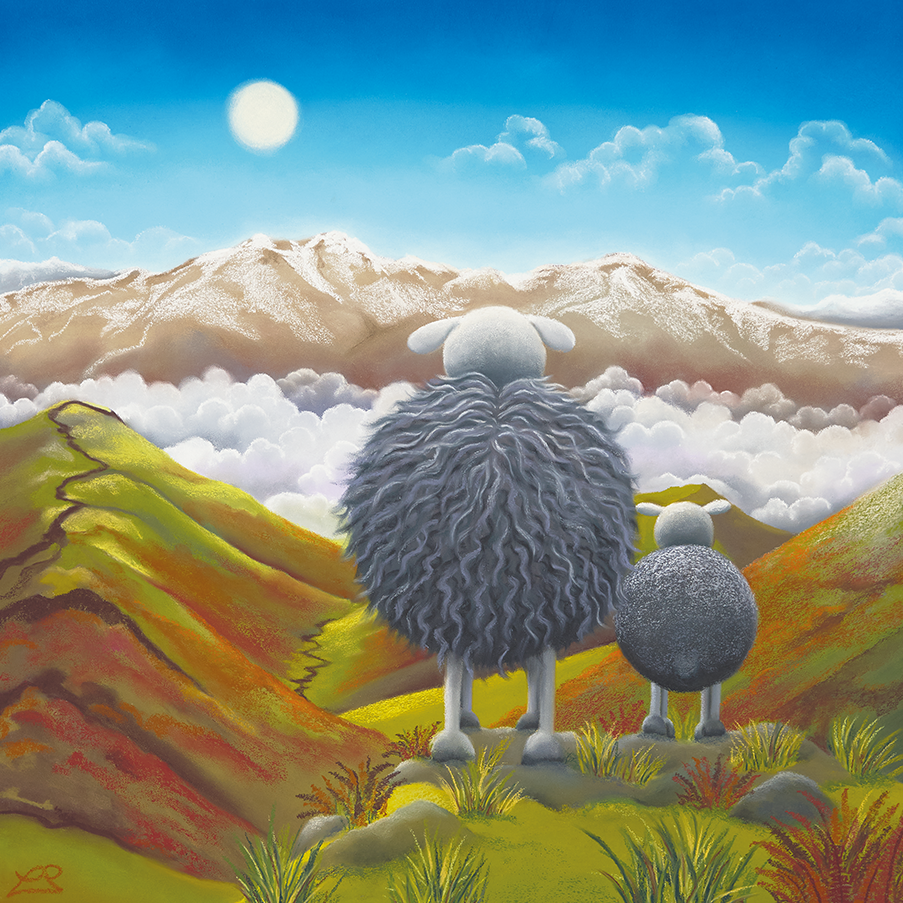
Pregnant sheep (and sometimes due to wool waterlogged from rain) can sometimes roll over onto their backs, and can’t get back upright, due to having four stomach chambers (so will die if not turned back upright).
If you see a sheep on its back, just firmly right it back, then stay with it, until rain has drained off, so it won’t happen again. Then inform your local farmer.
Basics for zero waste mountain hikers
- Rapanui organic cotton jumpers are as warm as wool, worth the investment and the company often offers sale bargains.
- If you smoke, use a personal ashtray (which extinguishes butts immediately, to safely store until you find a proper bin).
- Use a battery-free torch, stored in a sustainable rucksack. Also take a reusable water bottle to stay hydrated as you climb!
Fully Waterproof Vegan Hiking Boots
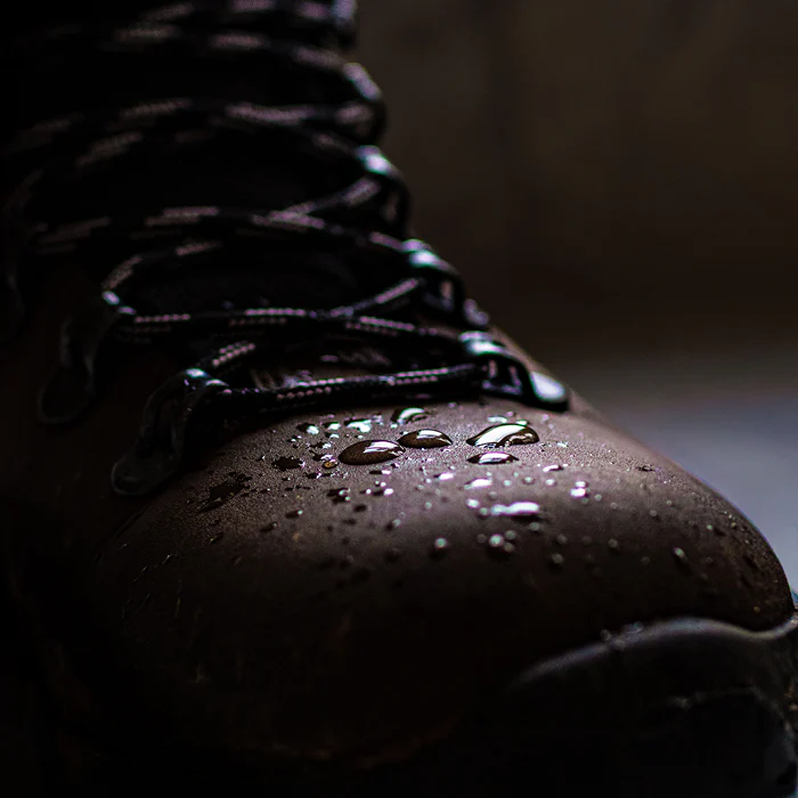
These fully waterproof hiking boots (for women) have been two years in the pipeline, made to exceptional standard for grip, stability, comfort and durability.
Use this discount code for £10 off your order (automatically applied at checkout)
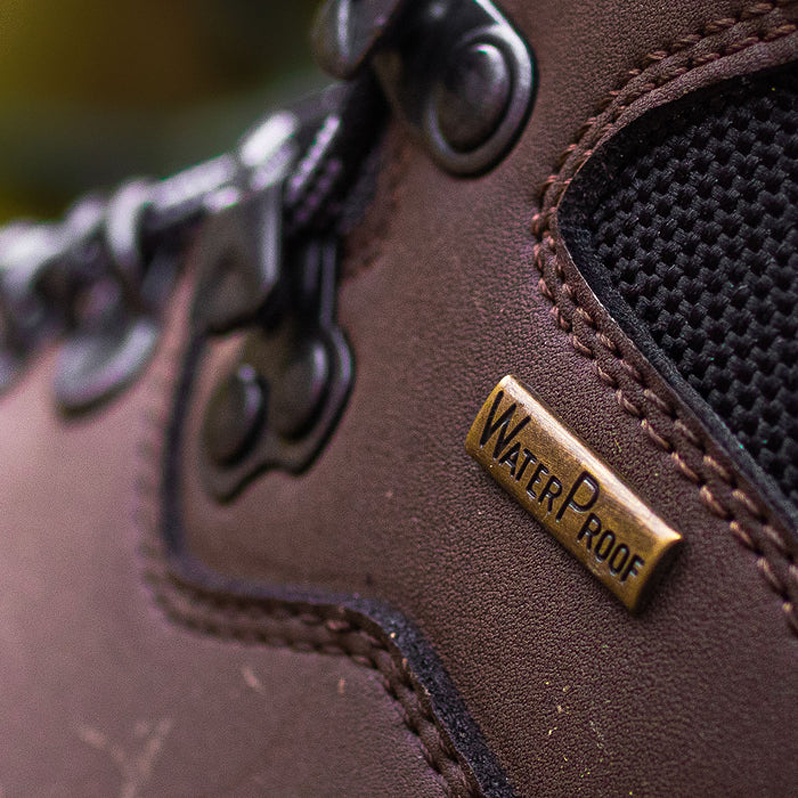
Made in Tunisia, the suppers are scuff-resistant and are fully waterproof with sealed seams, a bellows tongue and a special breathable membrane. The Vibram rubber injection outsole has been designed for grip, traction and stability. And the footbed is super comfortable. Also in black.
Vegan boots are not just kinder to animals, but also the environment, as there are no chemicals needed for the tanning process.

Will’s Vegan Shoes (London) offers good vegan walking shoes and boots. Focusing on quality (there are no Black Friday sales and a whopping 365-day return), they are also sent in zero waste packaging.
Everything is made ethically in a solar factory in Italy (or ethically in Portugal) and shipped quickly from Essex, the uppers have scuff-resistant materials to avoid discomfort on long walks.
And feet/ankles are supported with padding on the tongue and around the collar. Lab-tested to be waterproof, these are also easy to take on and off.
Reusable Travel Mugs (ideal for hiking!)
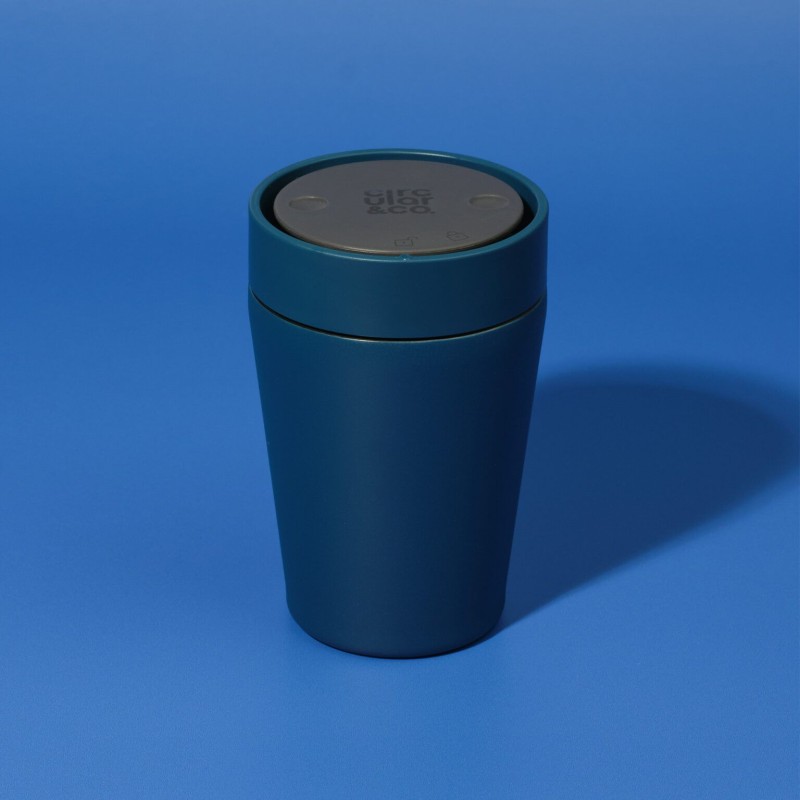
Ideal for soup (good for hikers and mountain climbers), Circular & Co travel mugs are made from 90% post-consumer recycled stainless steel, for a thermal insulation that keeps drinks hot for 6 hours (or cold for 12 hours).
Use code EnglandNaturally for 10% discount
In three sizes (8oz, 12oz or 16oz). They also have easy one-hand opening, and a 360° sip lid for intuitive drinking from any angle.
NHS says that it’s best to avoid caffeine for pregnancy/nursing (or no more than 2 cups of weak tea daily – or 1 cup of mild coffee or cola). We like Sanctuary Coffee (profits help animals!)
Use a sink protector to catch coffee grounds, then bin (caffeine may affect compost creatures). Same with tea leaves.

Where to Go Hiking in England
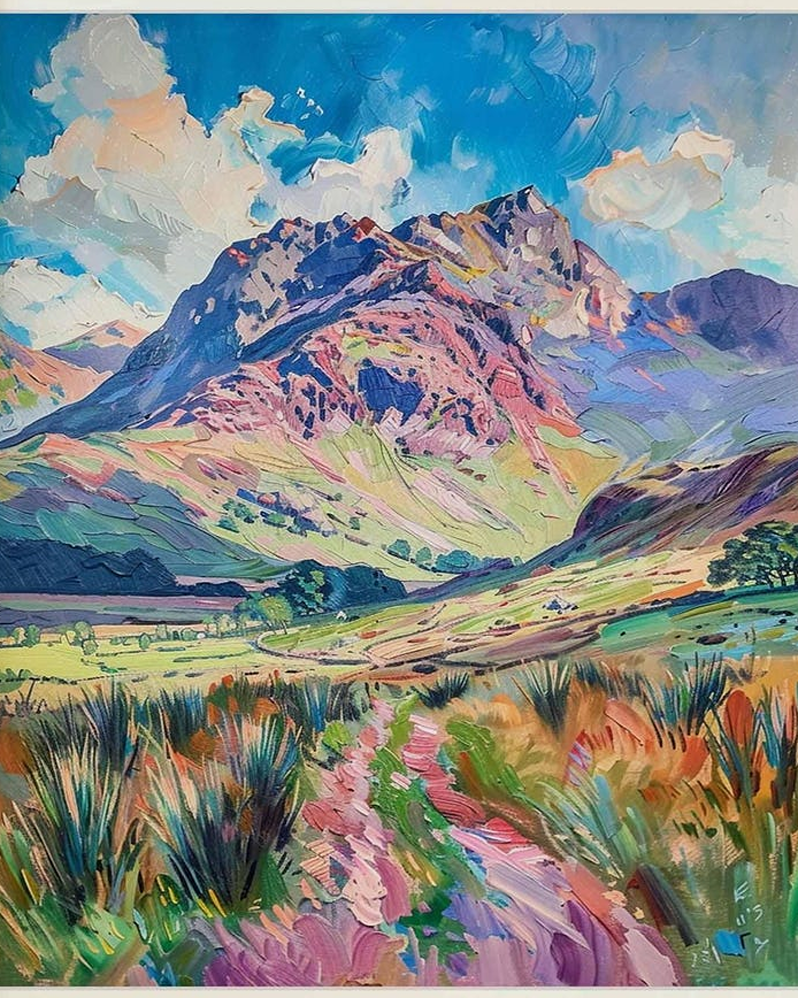
Although Wales and Scotland have higher mountains, England has a lot of mountains too. Read our post on the Lake District Mountains. You’ll also find mountainous regions in Northumberland National Park (the Cheviot Hills), the Pennines (the ‘backbone of England’ and the Peak District.
There are even mountains in the Midlands. The Malvern Hills are notoriously difficult to climb, often used as practice for mountaineers ascending Mount Everest (nicknamed ‘the mini-Himalayas’). From the top (Worcestershire Beacon), you can see (on a clear day) several counties at once, and Wales!
For more info, read The Mountains of England and Wales, a walking guide to climbing all 254 summits in a series of 60 walks.
Cross Fell (Pennines)
Cross Fell is the highest point in the Pennines, at 893 metres. It stands in a wild, open setting, often shrouded in wind and cloud. The area is known for its ‘Helm Wind’, the only named wind in Britain, which can make the summit a serious challenge on bad days.
On clear days, walkers are treated to sweeping views over the Eden Valley and as far as the Lake District. The plateau is wild and lonely, covered with heather, stones and peat, and walkers should come prepared for sudden changes in weather.
Ingleborough (Yorkshire Dales)
Ingleborough, at 723 metres, is one of Yorkshire’s celebrated Three Peaks. Its flat-topped summit stands out against the surrounding landscape, with limestone pavements and caves below. Popular with walkers taking on the Three Peaks Challenge, Ingleborough is also rewarding as a single adventure.
Walkers approach through wildflower meadows, passing ancient remains and dramatic scars. The summit views stretch over the Dales, reaching as far as Morecambe Bay on a good day. There’s a timeless quality to this mountain, which has inspired myths and folk tales for generations.
Kinder Scout (Peak District)
Kinder Scout, the Peak District’s highest point at 636 metres, isn’t just a mountain, it’s a symbol of access and freedom. The Mass Trespass of 1932 started here, helping to win walkers’ rights to explore open countryside. The plateau is wild and boggy, dotted with gritstone boulders and winding streams.
Reaching the top from Edale or Hayfield is a challenge, with steep sides and exposed moorland, but the views over the Hope Valley and Manchester reward every step. Kinder Scout reminds us why protected access matters, especially in such an open, windswept place.
High Willhays (Dartmoor)
High Willhays, at 621 metres, is the highest point in southern England. Found in Dartmoor National Park, its summit is a windswept tor, jutting from wild heathland. The approach crosses open moor, past ponies and ancient stone circles.
Weather can change quickly, with sudden mist or driving rain, adding a wild feel to the landscape. Views from the top reach across Devon to the coast on a clear day. High Willhays has a remote charm, reminding visitors of the south’s wilder side.
The Cheviot (Northumberland)
The Cheviot is the highest hill in the Cheviot range, reaching 815 metres. The climb is gentle at first, with grassy slopes leading to a broad summit. Walking here feels different from the Lakes or Dales; there’s a sense of borderland and history, as the ridge has long marked the divide between England and Scotland.
The area is quiet, often overlooked, which makes encounters with wildlife and wide horizons even more striking. Peat bogs and rolling hills stretch as far as you can see, creating real solitude.