Easy ways to make roads safer for wildlife
Roads can divide habitats, forcing animals to cross busy traffic to reach food, water, shelter or mates. Many species are most active at night, including hedgehogs, foxes, badgers and amphibians. Toads and frogs may also migrate during breeding season, crossing roads despite the danger.
Wildlife crossings should be considered before new roads are built. Tunnels, bridges, wildlife fencing and safe crossing points can help animals move between habitats without entering traffic.
Humane training for dogs not only keeps them safe near roads, but stop them chasing birds and other wildlife into areas near traffic.
Wildlife reflectors fit along road verges and send headlights sideways into the undergrowth. They are cheap and quick to fit, and should be orange-hued (ask your council to get involved).
Drive carefully around wildlife
- Follow speed limits and slow down near woods, fields, ponds and wildlife warning signs.
- Be especially alert at dawn, dusk and during the night.
- Use full beam at night (but dip lights in fog, rain or snow – otherwise bright lights could reflect back and startle wildlife).
- Keep your brakes, lights and windscreen clean and in good condition.
- Never sound your horn or swerve suddenly around wildlife, as this can cause another accident.
- Avoid throwing litter from vehicle windows. This can attract creatures, and others to feed on roadkill. Use a car trash bag.
- If you smoke, use a pocket ashtray rather than dropping cigarette ends onto the roadside.
Keep a rescue kit in car boots (a cardboard box with punched air-holes, thick gloves and tassel-free towel). For injured wildlife, call local wildlife rescue (or vet) and the police for larger animals (they have marksmen who can shoot suffering animals, if RSPCA takes too long).
Help different wildlife species
Different animals need different types of protection.
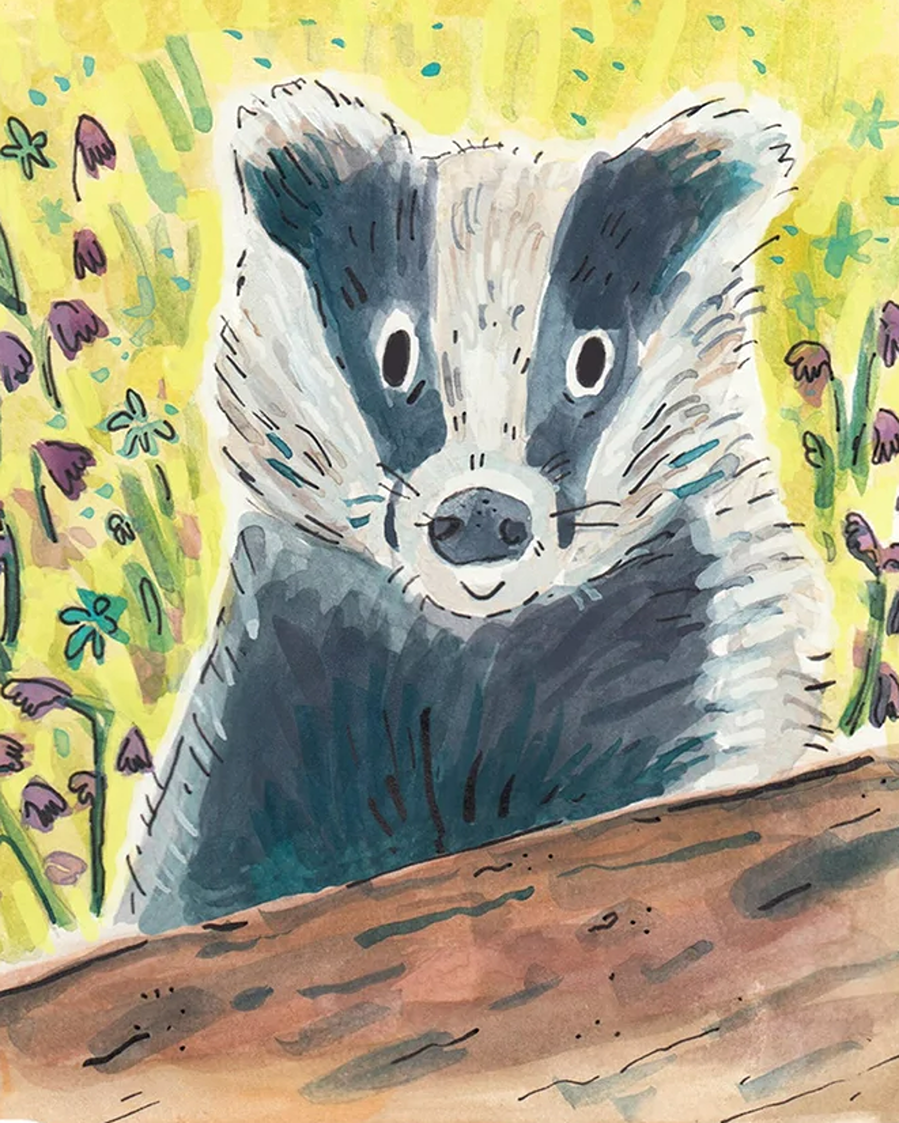
Help badgers
Badger warning signs and tunnels can reduce road deaths. Report badger casualties to Badger Trust (volunteers can rescue cubs). It runs an emergency vet fee fund. Also report road casualties.
Help hedgehogs
Create small openings in garden fences to make “hedgehog highways”. These gaps allow hedgehogs to travel between gardens instead of crossing roads.
If you have prey animals (rabbits etc) or terrier dogs who may escape through holes, cover them during the dya when hogs are asleep. Or just get involved in community efforts to plant more hedgerows.
Help frogs and toads
Building wildlife-friendly ponds can reduce need for amphibians to cross roads. During breeding season, consider volunteering with a local toad patrol, where trained volunteers help amphibians cross safely.
Help deer and boar
Never approach or move an injured deer yourself as it could run off injured – cover with a blanket and use body weight to keep it still until the police or wildlife rescue arrives.
Councils can help by not planting flowers in railings, where deer often get stuck (they eat flowers). Also report accidents for (including for boar) at Deer Aware.
Help pheasants
These Asian birds have road sense, and overbred for the hunting industry (so eat endangered sand lizards and baby adders). They are involved in 7% of all roadkill, and can injure/kill humans.
Aside from not breeding them for hunting, thick hedges and native shrubs along roadsides will help birds not wander onto open tarmac, and give them safer retreats. Farmers can help by leaving field margins, uncut grass strips and wide verges near roads.
Help swans and geese
These heavy birds sometimes end up near roundabouts as they need a good ‘run’ to take off. Bird diverters are placed every 10 metres or so to make power lines and poles visible to birds. Aviation authorites also use them to prevent plane crashes.
Help owls and bats
The Barn Owl Trust says it’s best to do one of the following (note birds of prey require specialist handling, due to strong beaks and sharp talons):
- Screen major roads on both sides with high hedges or closely spaced trees adjacent to the road.
- Plant trees approximately 3–4 m from the road edge, with side branches extending to within 1 m of the road surface.
- Manage roadside verges to develop tall scrub, creating a barrier that encourages owls to fly above traffic.
- Avoid installing Barn Owl nest boxes within 1 km of a major road, unless continuous screening is present on both sides.
What to do after a wildlife collision
- Move to a safe place and avoid putting yourself or others in danger.
- Do not approach large, frightened or injured animals, as they may panic or run into traffic.
- Contact a wildlife rescue, vet or the police for larger animals.
- Keep a sturdy cardboard box (with ventilation holes), thick gloves and a towel without tassels in your car for small animals—but only handle wildlife if it is safe and you have been advised to do so.
- Many organisations specialist guidance say for hedgehogs, deer or badgers (the latter has local groups who will even come out to rescue the cubs, if the mother is injured or killed).
- Birds of prey require specialist handling because of their sharp talons and powerful beaks.