Why England’s wetlands matter – and how to restore them
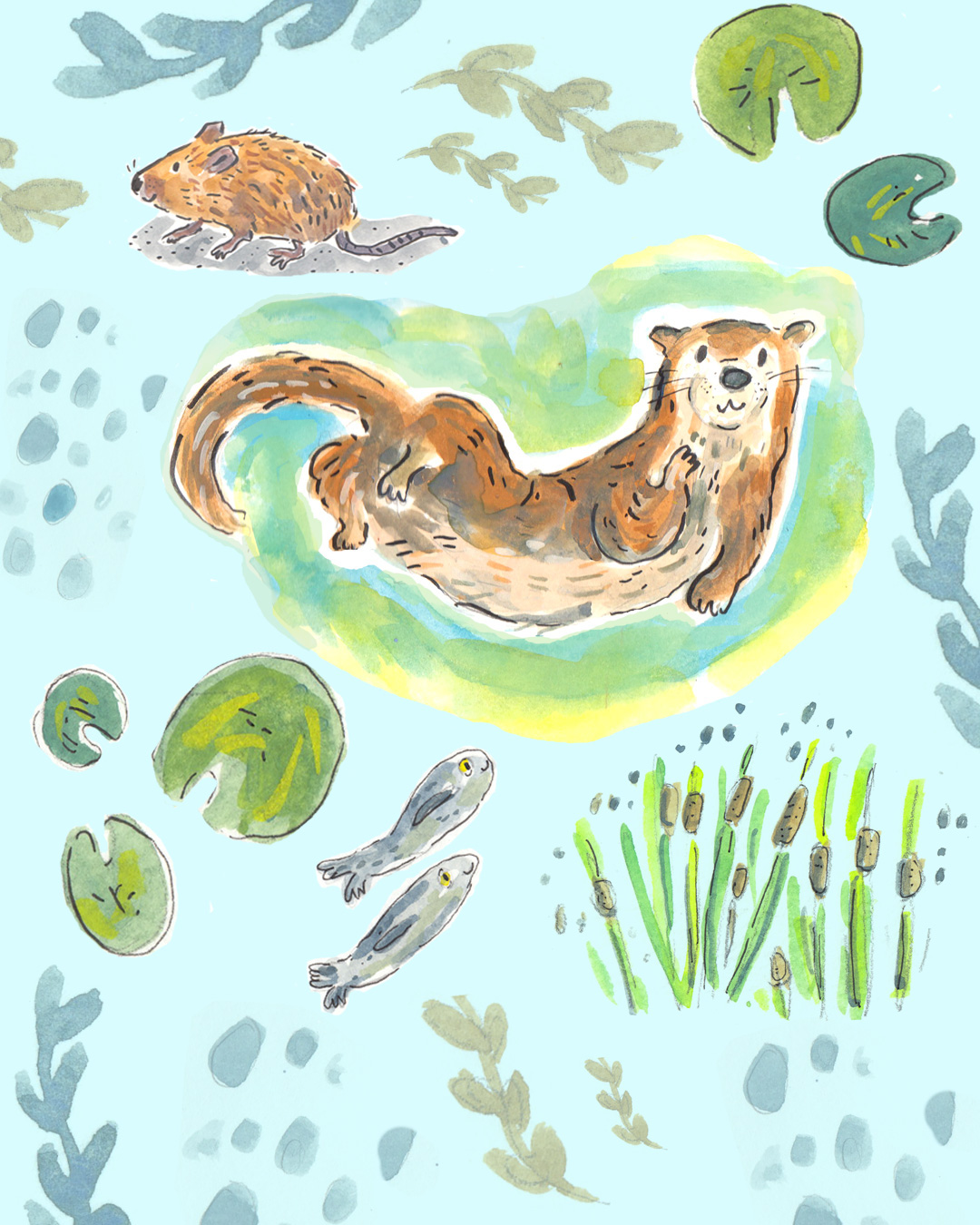
Wetlands are among England’s most valuable natural environments. From lowland fens (mostly in East of England) and reedbeds to peatlands, there are also wet meadows, marshes and floodplain wetlands. All of these landscapes support an extraordinary variety of wildlife.
Wetlands help prevent floods and wildfires
Another benefit to wetlands is that they help to prevent natural disasters, which can be more common due to climate change. They are not the answer (preventing climate change is) but they can help:
How wetlands help prevent floods
Wetlands store excess rainwater and act like natural sponges, holding water during periods of heavy rainfall, then release it gradually. They can also slow water flow, and reduce the speed at which water moves downstream.
Restored floodplain wetlands can provide areas where again rivers can spread safely, reducing pressure on downstream areas. While wetland plants hold soil together and slow moving water, to stop sediment from being washed into rivers.
How wetlands can reduce wildfires
Wet soils are difficult to burn, so waterlogged peat and wetland soils contain much less readily combustible material than dry vegetation. Wetland plants and soil remain damp even during dry periods.
They can even interrupt fire spread (rivers, ponds, marshes and wet grasslands can create natural barriers between areas of dry land, and healthy peatlands can reduce risk of sever fires, as well as protecting stored carbon.
Yet today England’s wetlands have been lost, drained, polluted and altered. Agriculture, carbon development, and changed land management means many naturally wet landscapes have been separated from rivers, drained for cultivation or damaged by pollution.
What exactly are wetlands?
Wetlands are simply areas whwere water is a part of the landscape: marshes, swamps, fens, bogs, reedbeds, wet grasslands and peatlands. They can be found along rivers and coasts, around lakes and ponds and anywhere that groundwater naturally reaches the surface.
They can look very different: a reed-filled marsh beside a river is very difference from an upland peat bog. But water always shapes the ecology of the landsape.
Wetlands are havens for wildlife
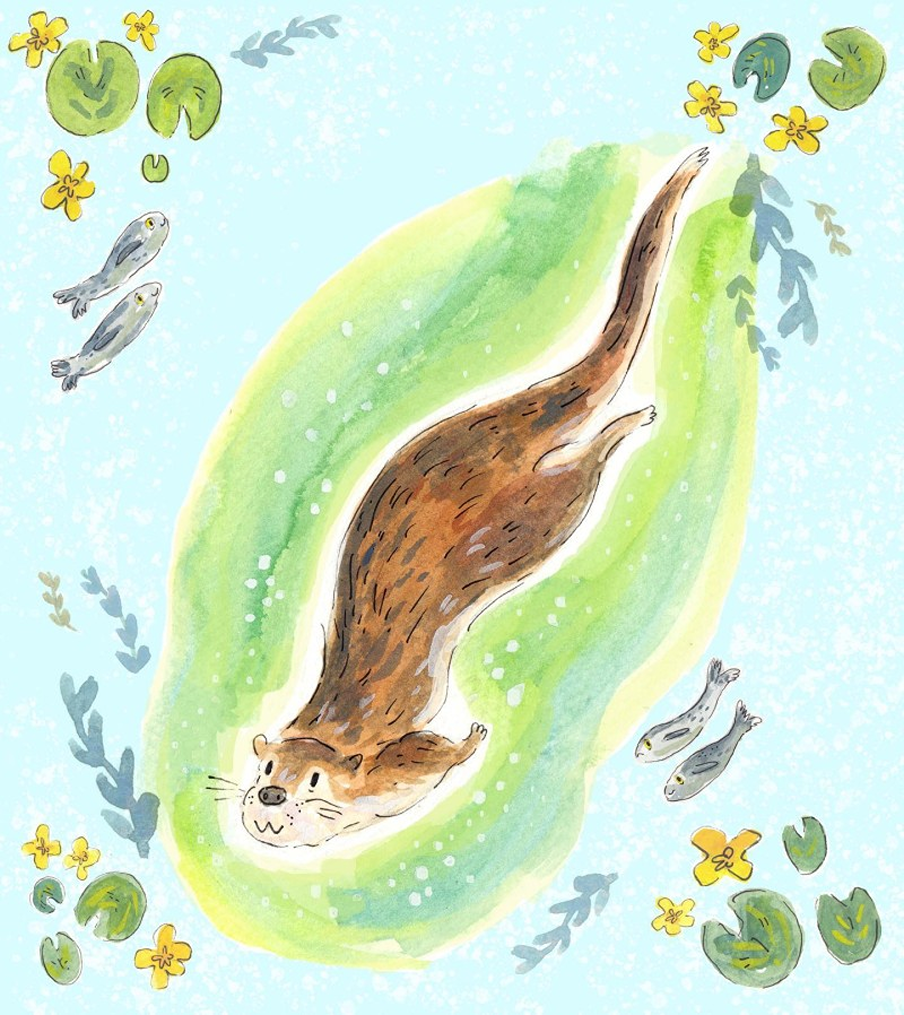
One of the strongest reasons to protect England’s wetlands is to help biodiversity. They provide food, shelter and breeding grounds for a huge range of species:
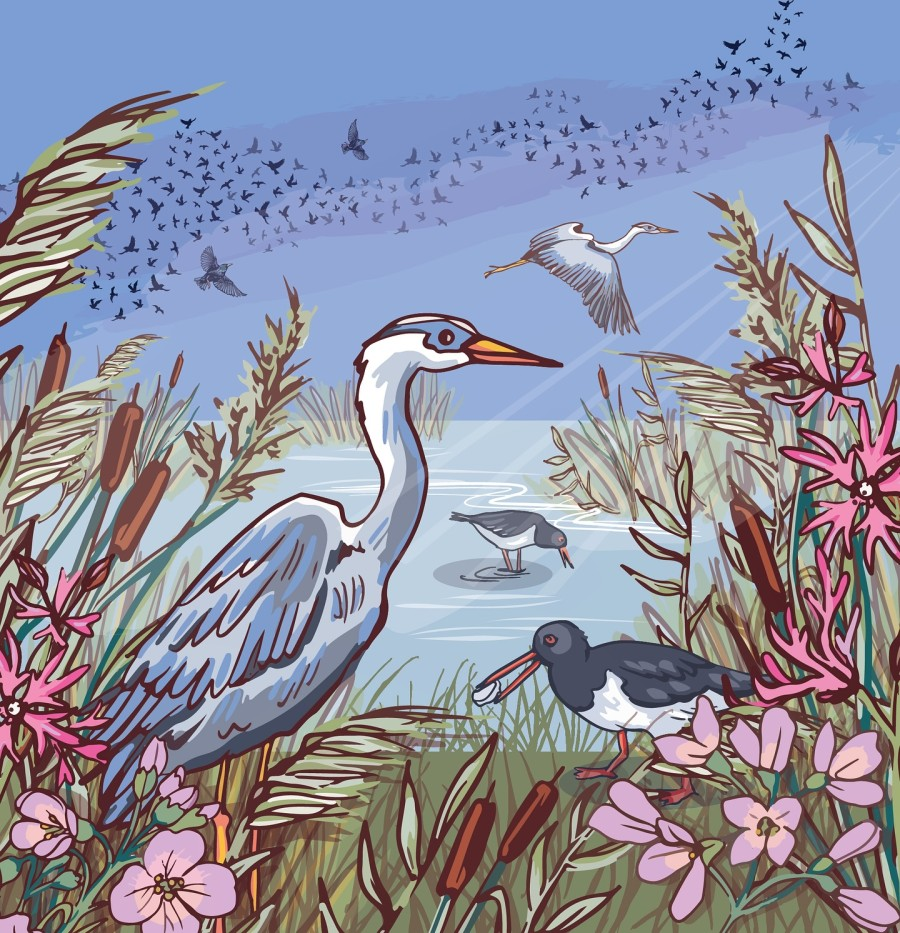
- Birds (lapwings, curlews, snipe, bitterns sand water rails) depend on wet habitats. Some (like curlews and lapwings) are very endangered, mostly due to loss of habitat.
- Reedbeds provide nesting sites for birds, while shallow pools and muddy margins offer feeding grounds for wading birds and wildfowl.
- Wetlands are also important for insects including endangered dragonflies and damselflies. Other insects that benefit are beetles, butterflies and numerous aquatic invertebrates.
- Amphibians such as frogs, toads and newts also benefit from ponds, pools and marshy habitats. Plants adapted to wet conditions (reeds, sedges, fen species) create complex habitats that support entire communities of wildlife.
When wetlands disappear, these interconnected habitats disappear with them.
Restoring wetlands can reverse some of these losses by creating space where wildlife populations can recover and move between suitable habitats.
Wetlands improve water quality
Wetlands are nature’s water filters. As water moves slowly through vegetation and soil, sediments and some pollunants are captured and transported. This is particularly important in agricultural landscapes (and 70% of England’s land is agricultural). Runoff otherwise carries soil and nutrients from fields into nearby rivers and streams. This can create dangerous algae.
The climate value of wetlands
Wetlands also have an incredible ability to store carbon. Peatlands are especially important, as peat (formed over thousands of years as waterlogged conditions slow decomposition of plant material) accumulates organic matter, and stores carbon.
When peatlands remain wet and healthy, the carbon is locked away from long periods. Peatlands also prevent floods by soaking up water, and provide important habitats for endangered species.
But when peat dries out (or is removed), the stored carbon is released. This contributes to not just climate change, but wildfires.
Never buy peat. Either make your own compost or buy peat-free. Read more on pet-friendly gardens to avoid unsafe mulch like cocoa. Also keep fresh compost away from pets, as it contains mould.
Why the hunting industry harms peatlands
On some grouse moors, patches of heather are burned in rotation, to encourage young heather shoots that red grouse feed on. It also maintains open moorland to suppress taller vegetation and trees, for easier shoots.
Not all heather burns involve peat, but some do. Conservationists and peatland scientists have concerns that this practice is associated with both floods and wildfires.
Why have England’s wetlands declined?
The most common reason is simply drainage. Waterlogged land has sometimes been regarded as ‘difficult to develop for farming’, so wildlife has suffered, as the land has been drained to farm instead.
Urban expansion has also resulted in loss of wetland habitats. As has pollution and climate change (changing rainfall patterns and causing droughts, rising temperatures and freak weather).
These pressures then interact. For example, a wetland that has already been drained, may be less able to cope with drought or extreme rainfall.
How can we restore England’s wetlands?
There is no single solution. Different habitats require different approaches. And before building homes or changing farming practices, government should consult with experts, not just make decisions based solely on politics and economics. Some solutions include:
Restore natural water levels
Water is at the heart of wetland ecosystems. So altering landscapes so that water remains in the landscape is obviously the first step. Rather than ‘just waiting for it to rain’.
Reconnect rivers with their floodplains
Rivers can be given greater freedom to interact with their floodplains. This can be done by removing or setting back embankments, restoring natural river features or creating areas for floodwater to safely spread. This can slow the movement of water, helping to prevent floods.
Restore peatlands
Peat compost is not yet banned, but it should be. Monty Don calls buying peat ‘eco terrorism’. Healthy peatlands need to remain wet. Basically the answer is leaving them alone (so this also means not burning heather on peatlands for the grouse hunting industry).
Create wetland buffers
These again can slow runoff, trap sediment and provide wildlife habitats, by creating connections between isolated ecosystems. Even small wetlands can help, when located in the right places.
Restore coastal wetlands
England’s coastline contains important wetlands like saltmarshes, estuaries and tidal habitats. Again these face pressure from development, as well as coastal erosion and sea level rises, due to climate change.
Managed realignment can help tidal areas to return to areas where they were reclaimed from the sea. This can create new saltmarsh habitat and provide more space for coastal processes to operate more naturally.
Improve agricultural practices
We all support our small organic farmers. But they need to do their bit too. Farmers are actually crucial to wetland restoration, by avoiding chemical run-off into rivers and seas.
They can also create wet grassland and establish buffer strips and better grazing practices to help support biodiversity and water quality. Read more on nature friendly farming.