Reduce Your Carbon Footprint (simple tips & swaps)

Your carbon footprint is simply the amount of carbon you produce in a single day. If we all reduces our personal footprints over time, this would have far bigger effect than what governments are doing (i.e nothing).
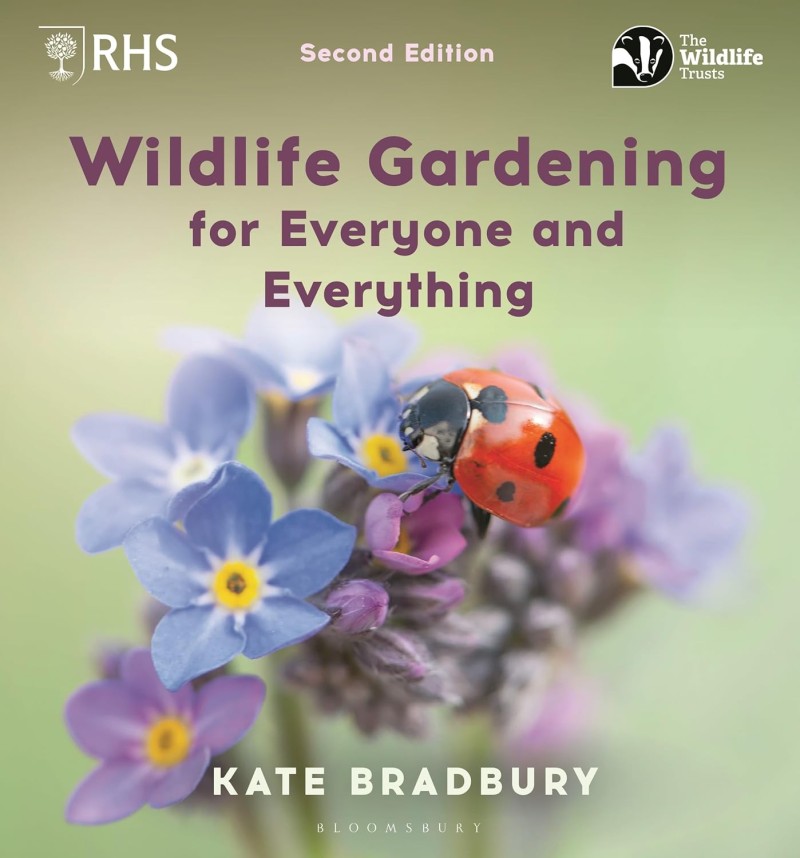
How to Reduce Your Carbon Footprint is a fun book packed with tips to heat or cool your house, manage electronic devices, cook smarter, garden with nature, shop local, travel sustainably and change financial habits.
Before cooking, read up on food safety for people and pets. If growing food, read our posts on no-dig gardening. Avoid facing indoor foliage to outdoor gardens, to help stop birds flying into windows.
Ellen Tout is an eco living editor who has worked with Friends of the Earth, and is also a coastal guardian with Kent Wildlife Trust. A vegan who is passionate about reducing food waste, she lives in Kent.
Easy Ways to Reduce Your Carbon Footprint
A carbon footprint is the total greenhouse gases from the things you do. Burning fuel in your car, the energy needed to light your home, and even what’s on your dinner plate all add to it.
- Switch to LED bulbs. They use far less energy and last longer.
- Unplug devices. Appliances on standby waste power day and night.
- Walk or cycle for short trips. Good for your health and budget too.
- Use public transport where possible. Trains and buses share journeys with others.
- Eat less red meat and dairy. Livestock rearing creates lots of greenhouse gases.
- Cut food waste. Plan meals and use leftovers.
- Choose local and seasonal produce. Cuts down on transport emissions.
- Recycle paper, glass, plastics, and cans properly.
- Avoid single-use items. Reusable water bottles, bags, and coffee cups.
- Fix and repair things, instead of binning them.
Free Carbon Calculators
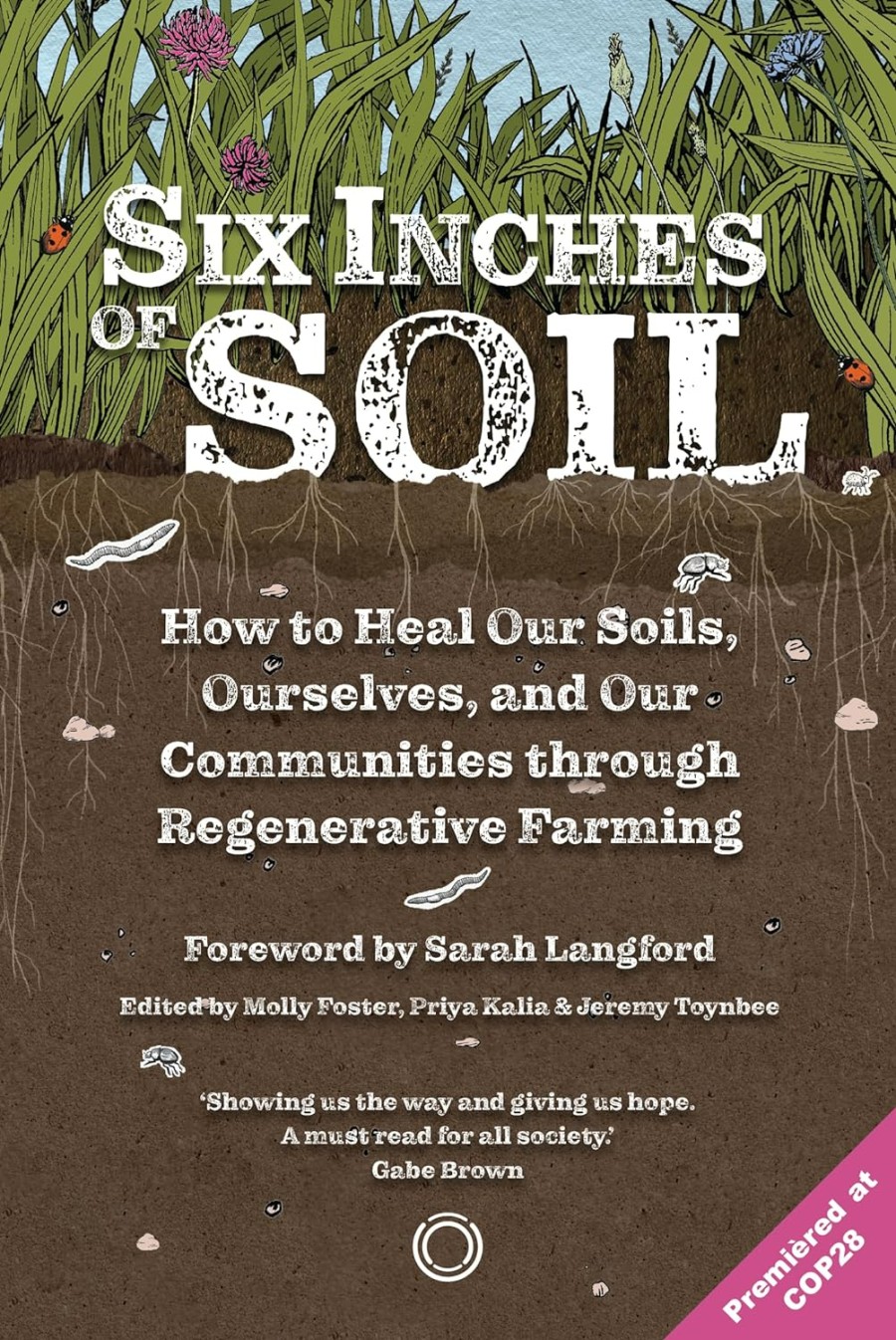
The Farm Carbon Calculator is a free carbon calculator toolkit, and takes 30 minutes to 2 hours to give a lens into how you can save carbon. Developed by an organic vegetable farmer in the Scilly Isles, it can be used by farms of any scale or soil type or place in the UK.
Mukti Mitchell is an eco expert (son of ecological writer Satish Kumar) who once built a solar-powered boat, and sailed it around the British Isles, to show it could be done.
He has produced a wonderful free carbon calculator. Make yourself a cuppa, and sit down with a good notepad and pen. The 5 minute quiz can reduce your energy bills. Or take the full 45 minute version to drastically reduce your energy and bills (and of course, carbon!)
It’s very detailed, so find your bills as you’ll be asked about your tariff, type of energy used, how many in your household etc. You’ll also be asked about your travel and eating habits, as this is a calculator for all your carbon use, not just energy.
Once finished, just save your results, then go back now and then, to see how your carbon is reducing, and in turn, your bills.
Calculate the Carbon Footprint of Everything
The Carbon Footprint of Everything is an expert and entertaining guide by a carbon expert. Supported by solid research, just look up anything to find easy-to-follow charts and graphs.
From drying your hands to carrier bags and from boiling water to buying newspapers, this makes learning how to reduce your carbon footprint fun! Contents include the carbon footprint of:
- Having a child
- Ironing a shirt
- A glass of beer
- Getting cremated
- The World Cup
- Volcanic eruptions
- The Iraq war
Mike Berners-Lee is a professor who specialises in carbon foot-printing. He is professor and fellow of the Institute for Social Futures at Lancaster University, and director and principal consultant at Small World Consulting, based in Lancaster Environment Centre.
What is the Carbon Footprint of Bamboo?

Bamboo is the world’s fastest-growing grass. It’s not local (it’s mostly grown in China) but it’s sold widely now in England, as an alternative to slow-growing trees.
To produce everything from furniture to insulation to coffins and cooking tools. It’s even used to make clothing.
The issue of course is that although it’s good not to chop down trees, flying in bamboo from the other side of the world has a high carbon footprint too. So what’s the truth about using bamboo, and what’s the best way to buy it?
Does Buying Bamboo Affect Panda Habitats?

It shouldn’t, no. Industrial (moso) bamboo is not the same kind as fresh shoots eaten by wild pandas. Having said that, we have to be careful to avoid monocultures (where one product is touted as wonderful, and then other land is destroyed to build plantations).
This has happened say with palm oil (affecting orangutan habitats) and tencel (new plantations of flammable eucalyptus trees have been banned in Portugal and Spain, due to concerns over wildfires – the trees are made into a fabric, and also for ‘compostable’ packaging for coffee and chocolate).
Having said that, bamboo grows so fast (around 35 inches per day), that it’s unlikely that new land is needed. As once the shoots are chopped, new bamboo shoots up again!
Pandas are solitary animals, who mostly live alone in forests. They do handstands, to pee up trees, to show dominance. Trying to pee higher than the other pandas!
Why do pandas have black circles around their eyes? The legend goes that once there was a group of pandas, looked after by four shepherd girls.
One day they threw themselves in front of one of the cubs, to protect an attack by a leopard. And were killed.
The pandas wore black ash on their arms as a sign of respect, and wiped their crying eyes. This left black marks, which continue to this day.
What Items Can Be Made from Bamboo?
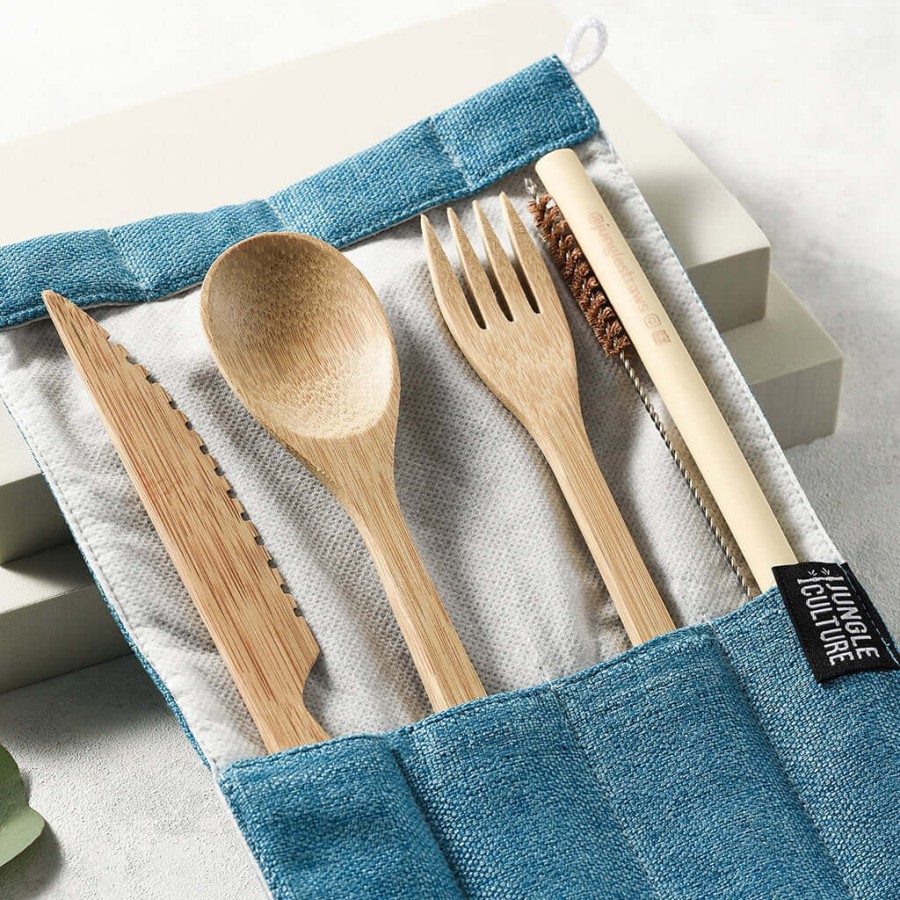
Many items can be made from bamboo including reusable cutlery sets. As an alternative to plastic or old-growth wood.
Don’t steep anything made with bamboo in water, as it will biodegrade away!
Low-Carbon Affordable Housing Communities
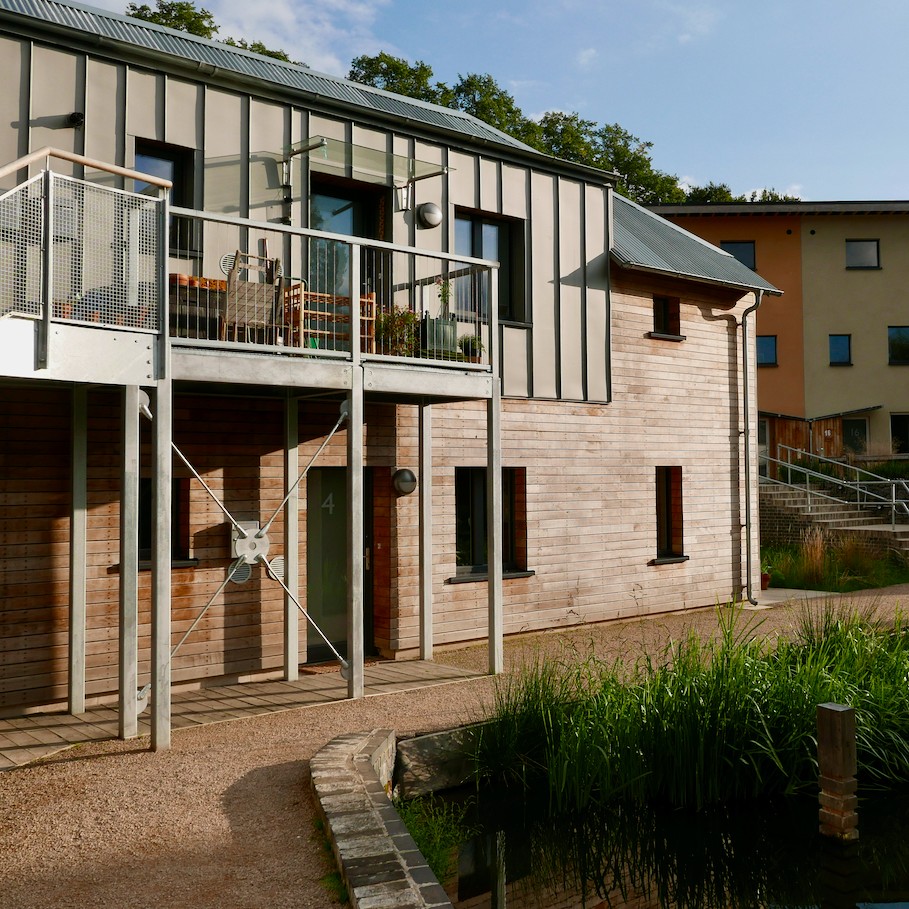
These are designed to be affordable, but without relaxing planning laws that harm nature and wildlife. They use modern design to keep energy use and bills low.
Creating Cohousing: Building Sustainable Communities contains case studies of co-housing communities in Europe and North America. The authors also wrote Senior Cohousing Handbook.
You can find communities in England at CoHousing and MICO.
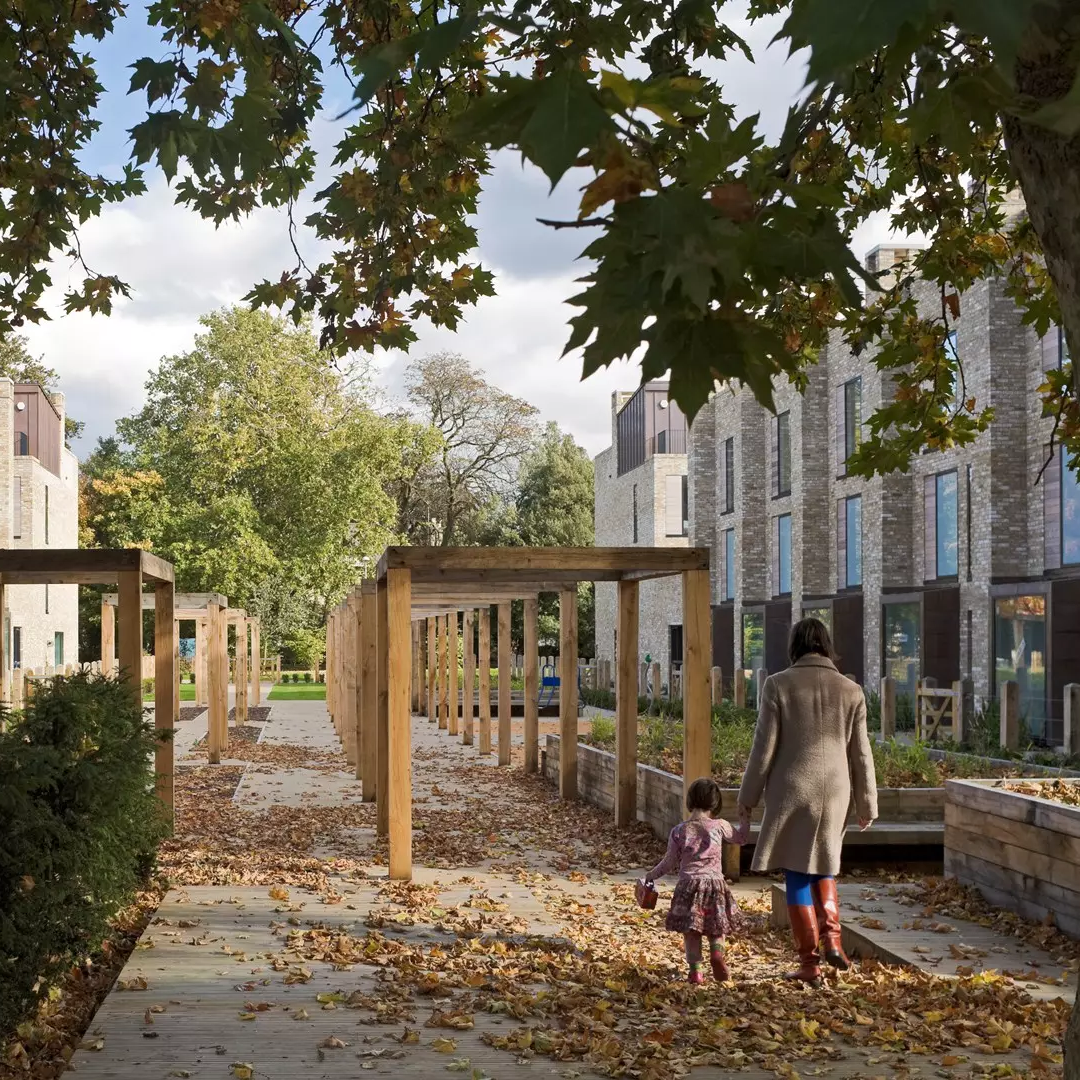
Accordia has set a benchmark for large-scale eco communities, building mews houses and apartment buildings on a former brownfield site, enveloped with a landscape of over 700 trees.
The terraced streets are surrounded by beautiful public gardens and walkable paths, with discreet cycle and car parking built-in. The estate is arrange over five compact ‘estates’ with everywhere else being green space.
All homes have floor-to-ceiling windows for natural light (good but important to avoid light pollution and not to display indoor foliage to face outdoors to prevent bird strike). External spaces within each home, preserve privacy for individuals.
BedZed is England’s first large eco-village community. With a friendly community and plenty of green space, these homes are not ‘cheap’, but also are not for millionaires only. This village in South London has become the gold standard for other schemes worldwide.
It mixes 100 homes with office space (so walkable), a college and community facilities. It produces very little waste, and most people have no need for a car. The bricks were from 20 miles away, and a huge amount of the building materials were recycled (many from waste generated while refurbishing Brighton railway station).
And this village was not made by destroying wildlife land. It was built on the site, where sludge used to be spread, from nearby sewage works!
The solar panels insulate the homes, and the wind cowls offer natural air conditioning. The biomass boiler runs on green energy, and all the appliances are energy-efficient and water-efficient, further reducing carbon emissions and bills.
The estate built one-bedroom apartments to four-bedroom townhouses – a mix of privately-owned homes, some on shared ownership, and others owned by housing associations for renting to people in low incomes.
Most homes (however small) have gardens, and there is a large shared green playing field. And the mostly car-free neighbourhood means the area is safe and happy to live in.
Three residents living in one property here (using the on-site car-sharing club instead of running a private vehicle) saves around £4 a day in bills, compared to the average London household.

Building for People (by a German eco-architect)
If you’re curious about real solutions that bring down emissions without sending costs through the roof, low-carbon affordable housing uses:
- Passive design cuts the need for pricey heating and cooling systems. These homes use airtight construction, thick insulation, and clever window placement. The result is a constant, pleasant indoor temperature all year round.
- Using recycled bricks, reclaimed timber, and low-carbon concrete keeps emissions down and cuts raw material costs. Sustainable materials like bamboo or cork work well for flooring and walls.
- Compact homes are often cheaper to buy or rent, making low-carbon living within reach for more people.