Nine Proven Ways to Prevent Climate Change

Greenland, Ava Lily
Here are the nine proven ways from experts on how to prevent climate change. Listen to them instead of biased media and politics!
Use your vote
Always register and use your vote (you can opt out of the electoral register that’s sold on, or even vote anonymously for safety concerns or privacy). There’s only so much we can do, it’s up to politicians to get on board to do the rest, by making laws.
Write to MPs and councillors to ask them what their policies are, and how they voted.
2. Eat Less Meat and Dairy
It’s good to go plant-based, but if you can’t right now, at least try to eat mostly vegan foods. We don’t have enough land for everyone to eat free-range, and factory livestock farming is one of the biggest emitters of greenhouse gases (due to factory and ‘poo’ emissions).
Find plant-based recipes to start you off.
3. Cut Back on Flying
Again, nobody’s saying you can’t ever go on a plane again. But try taking the train or stayvacations, and use Zoom for business meetings abroad.
Read tips to go greener at the airport.
4. Leave the Car at Home
For short trips, try walking or cycling! Try car-sharing clubs to only use cars when you need them.
5. Reduce Your Energy Use and Bills
You don’t need to turn down energy to be cold. Get a radiator booster to massively reduce bills, and apply for home insulation grants for older homes.
Switch over to Ecotricity, a green energy company that doesn’t use abattoir waste.
6. Respect and Protect Green Spaces
Again, this is mostly through how you vote, to ensure wild spaces are not paved over or built on. But you can also volunteer for local projects and grow your own organic gardens.
Read more on no-dig gardening and humane slug/snail deterrents. If you live with animal friends, read up on pet-friendly gardens (some recommended flowers and fruit trees are not safe). Also avoid netting to protect food (just leave some for wildlife!)
7. Bank and Invest Money Responsibly
Where you bank is important, as most banks invest in fossil fuels and other nasties.
Bank and invest your money responsibly.
You can still switch banks if you’re in debt.
8. Cut Consumption and Waste
Live simply! Go for nature walks, read books from the library, sleep more, play with animals and children, just be in the moment, visit church and evening classes, listen to music.
Anything that doesn’t involve revolving your world around consumption, waste and shopping!
9. Talk About the Changes You Make
This is likely the least important. Banging on about how green you are, is likely not going to make you a lot of friends. Instead, just lead by example and hopefully others will follow!
Climate Action for Busy People
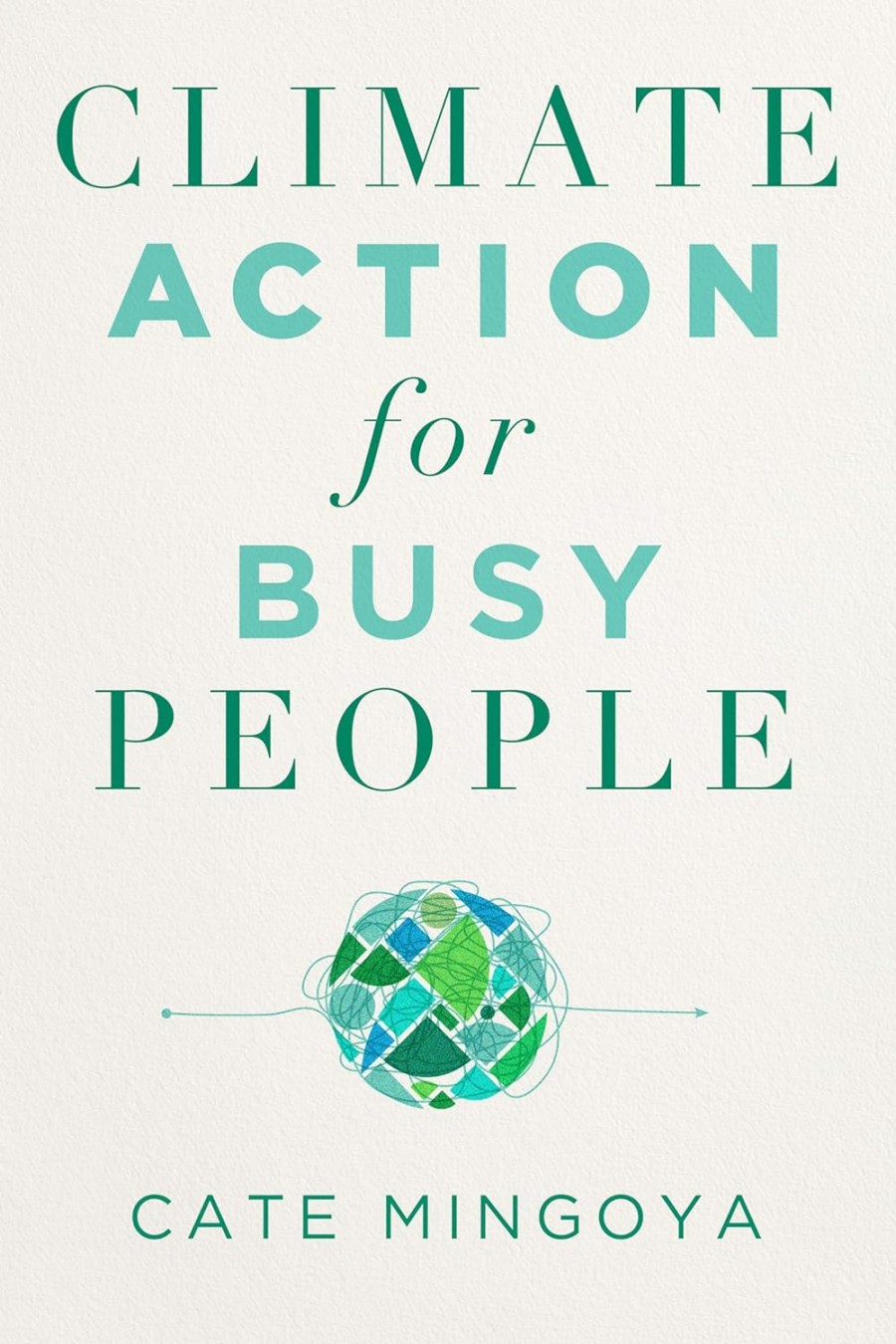
Climate Action for Busy People is a book for anyone concerned over heat waves, storms and forest fires. The time to create climate-resilient communities is now. While policy innovations are also needed, good solutions are at local level.
This book is a hopeful and realistic roadmap for individuals and groups who want to move the needle towards environmental justice.
Drawing from professional and personal success in climate adaption and community organising, the author begins with a brief history of why our communities look the way they do, and how that affects how vulnerable we are, to climate risks.
Each chapter can help readers scale up their actions. From identifying climate solutions that a person or small group can pull off in a handful of weekends (like tree plantings or de-paving parties) to advocating for change at government level.
It’s not too late for people of all ages and skill levels, to create climate-safe neighbourhoods. This book is an invaluable guide for anyone who wants to make lasting improvements, to make their communities climate-resilient.
Cate Mingoya-LaFortune is Chief Officer of Climate Resilience and Land Use for Groundwork USA. She holds a Master in City Planning and a BA in Biology, and lives in New England.
10 Climate Actions for Busy People
- Switch Off and Unplug Appliances
- Choose Greener Ways to Get Around
- Eat more plant foods!
- Use Reusable Containers and Bags
- Switch to clean green energy.
- Support Eco-friendly Companies
- Cut Down on Water Use
- Recycle Right, Donate More
- Talk About Climate With Friends
- Join Local Initiatives
- Volunteer
Living the 1.5 Degree Lifestyle (to stop climate change)
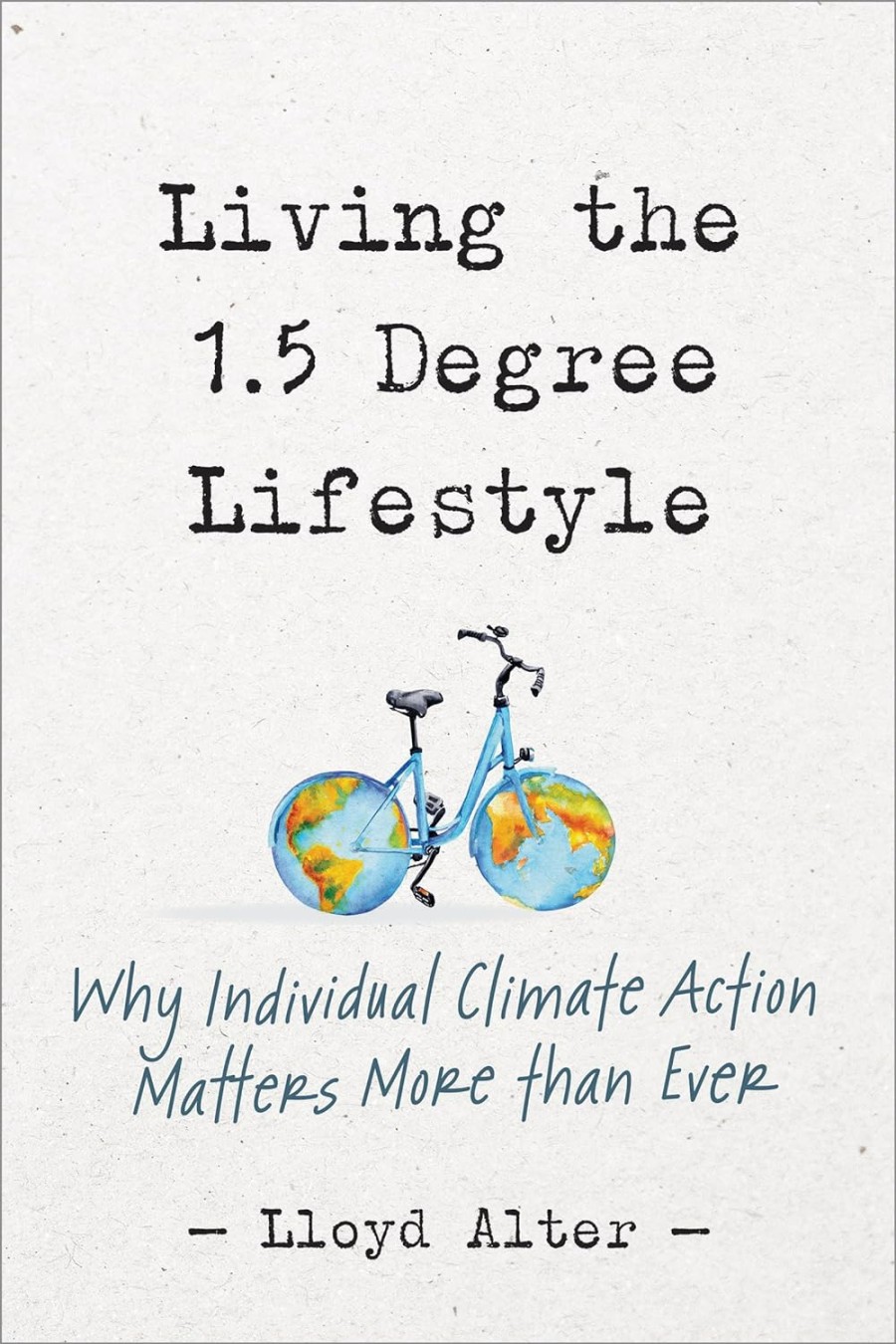
Living the 1.5 Degree Lifestyle reveals the carbon cost of everything we do, hand shows how to reduce your carbon footprint by over 80% to 2.5 tons a person per year, by 2030.
Find the big wins to what to drop – from takeout food to bikes, cars and Internet usage. Learn the invisible carbon baked into everything, and why electric cars are not the answer.
I used to have a monster carbon footprint. I was in my second career (my first was an architect) as a real estate developer in Toronto, building award-winning condos. I drove my classic Porsche a couple of blocks to work, I drove my daughters to school.
Then at weekends, we drove to the ski resort where all the rich developers hung out. Every weekend in summer, I drove up to our cottage. Throw in a few flights a year, and I was living a 30-tonne lifestyle. Then after a falling out with business partners, I had a massive financial loss and probably a nervous breakdown.
This book shows that creating carbon minimalism is the answer. Big-picture thinking is needed like investing and supporting local indie shops (that sell food with zero food miles so no lorries are needed to transport it from central distribution houses).
Creating walkable communities with parks (trees!) and initiatives to work from home or locally, so people don’t chop down whole swathes of countryside to build ‘high speed trains’ that nobody needs.
It’s about retaining countryside so people can walk to the shops to buy healthy food, then this means populations that don’t languish in hospitals and care homes, all of which also emit huge fossil fuels to keep them running.
Lloyd Alter is a writer, public speaker, architect and inventor. He is also Adjunct Professor of Sustainable Design at Toronto Metropolitan University.
Also read his other book The Story of Upfront Carbon, about how the answer to solving climate change is for all us to ‘live with just enough’.
7 Steps to Live the 1.5 Degree Lifestyle
- Eat local, organic plant-based foods
- Avoid Single-Use Plastic
- Walk, Cycle or Take Public Transport
- Get Involved in Sharing Economies
- Live Simply – Buy Less!
- Travel Locally – Fly Less!
- Switch to Clean Green Energy