Plant-Based Catering for Schools and Business

Plant-based catering means meals built around vegetables, beans, lentils, grains, fruit, nuts and seeds. There’s no meat or fish, and it can be dairy-free too (depending on the brief). It isn’t a debate about labels or lifestyle. It’s simply a way to serve satisfying food to mixed groups.
Schools often need meals that suit different cultures and home diets. Offices need food that travels well, holds in hot boxes, and doesn’t send people into an afternoon slump. Plant-based dishes can fit both, because they’re flexible by design. You can serve the same base meal, then add optional toppings for different needs.
Read info by dietitians on food allergens (they say the top 8 allergens of milk, eggs, soy, shellfish, fish, peanuts, tree nuts and wheat account for around 90% of all allergens, the others being mustard or sesame seeds).
Read up on food safety for people and pets. Bin allium scraps (onion, leeks, garlic, shallots, chives) and tomato/citrus/rhubarb scraps (acids may harm compost creatures). Same with tea leaves and coffee grounds.
Fully remove tinned lids (or pop ring-pulls back over holes) before recycling, to avoid wildlife getting trapped.
Health, energy and focus
Nobody needs a sermon at lunch. Still, it helps to understand why certain meals leave people satisfied. Fibre-rich foods (like beans, lentils, whole grains, and vegetables) can help people feel full for longer. When you balance the plate, energy tends to feel steadier.
A simple rule of thumb works well in both schools and workplaces:
- Half the plate: vegetables or salad (raw, roasted, or mixed into sauces)
- A quarter: whole grains or starchy carbs (brown rice, wholewheat pasta, potatoes)
- A quarter: protein (chickpeas, lentils, beans, tofu)
- Plus: healthy fats (olive oil, seeds, avocado), used with a light hand
That approach suits sports days, exam weeks, long meetings, and late shifts. It also helps when you need hearty food without relying on meat. For younger pupils, it can be as simple as a lentil pasta bake with veg on the side. For offices, think grain bowls with chickpeas and a punchy dressing.
Budget, waste and carbon
Plant-based catering offers a few sensible cost levers. Pulses, grains, and seasonal vegetables can be good value, and they store well. That matters when prices jump and you still need consistent portion costs.
Kitchen teams can also cut waste with formats that suit batch cooking. Soups, tray bakes, dhal, and bean chilli reheat well and keep their quality. Smart portioning helps too, especially in schools where appetites vary by age. Meanwhile, using leftovers safely (for example, roasted veg folded into a pasta sauce the next day) can reduce what goes in the bin.
Build meals around familiar favourites
Strong starting points include chilli, bolognese, curry, wraps, burrito bowls, cottage pie-style dishes, and pasta bakes. A lentil and veg bolognese can please meat-eaters when it’s rich and well-seasoned. A chickpea tikka with rice works for mixed groups because it feels complete.
Flavour comes from technique as much as ingredients. Start with onions and garlic, then build depth with herbs and spices. Tomato purée, lemon juice, vinegar, and miso can add savoury notes without relying on meat stock. When you roast vegetables, you get caramelised edges, not soggy cubes. That one change can make a tray bake feel like a treat.
Texture matters too. Soft-on-soft meals can feel dull, even if they taste fine. Add crunch where you can, such as toasted seeds, crispy onions, or toasted breadcrumbs (served separately if allergens are a concern). For office catering, keep sauces on the side when possible, because it stops things going limp in transit.
A simple example that works in both settings: a burrito bowl bar. Serve rice, black beans, roasted peppers, sweetcorn, salsa, and shredded lettuce. Then offer toppings like grated cheese, dairy-free yoghurt, and lime wedges. People build what suits them, and the kitchen keeps one core dish.
Are School Dinners Any Better These Days?
Since Jamie Oliver’s campaign, there are now stricter rules. But there are still issues. And after years of not being on sale, the ‘revamped’ turkey twizzlers have returned. They’ve had a bit of a makeover, but one child nutritionist says they still are not gold standard eating for young bodies and minds. And obviously not kind to factory-farmed turkeys.
The average UK school dinner costs around £2 to £3, and must adhere to strict nutritional standards, ensuring fresh fruits and vegetables, and all the major nutrients.
Common menu items these days are less ‘sponge with bright pink custard’ and more fruit salads or crumbles, after offering pasta, curry and jacket potatoes.
If you are on a low income, you can apply for free school meals.
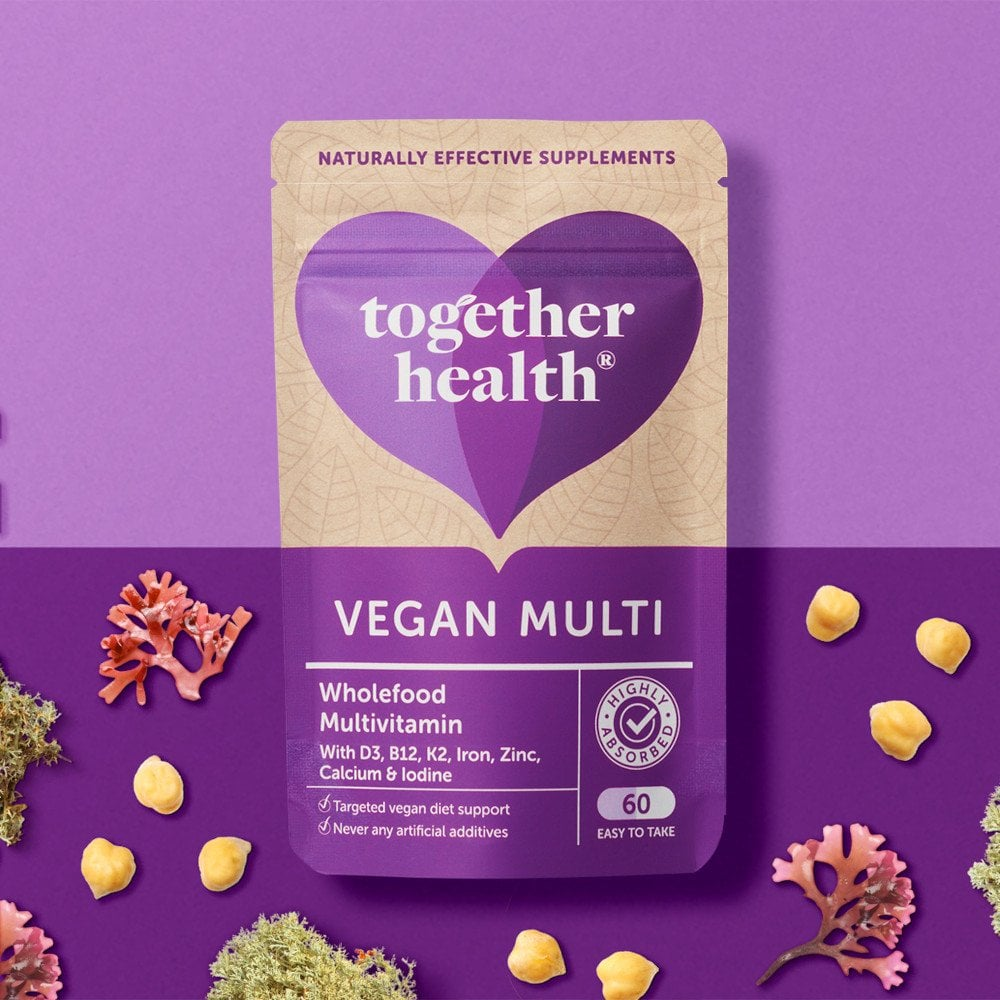
Water and/or milk must be available at every meal. Some parents vegan children (and those with allergies or religious beliefs) want NHS Healthy Start Vouchers (for low incomes) to offer dairy-free milk and vegan vitamin D supplements (as well as fresh produce), especially as many African-American children are lactose-intolerant.
Free Breakfasts for Children on Low Incomes
Many children these days live in poverty, and go to school without eating. Tired children find it difficult to study.
Schools can apply to Magic Breakfast Club, which has been serving free school breakfasts for over 20 years. These are pretty healthy and tend to be made with easy-to-store and freeze ingredients like cereals, porridge, bagels and baked beans, along with fresh juice. All the menus comply with strict school standards and are high in fibre.
Choking Hazards for Children
Choking hazards should be avoided for children and people with swallowing difficulties (and allergies). Also keep small toys off the kitchen floor where toddlers and pets could find them.
Learn how to help someone who is choking. Foods to avoid include:
- Nuts, Seeds & Nut/Seed Butters (avoid for under 5)
- Chia seeds (soak in liquid first, if used)
- Dry Bread, Crackers & Croutons
- Crumbly Foods (pies & biscuits)
- Peas, Grapes, Cherry Tomatoes, Cherries (even sliced)
- Carrot Sticks
- Sausages (slice lengthwise & again, for older children)
- Foods with Seeds (raspberries etc)
- Boiled Sweets
- Sticky Foods (some cheese, marshmallow, mochi)
- Tough Foods (steak, bacon, skin/bone/gristle)
- Stringy Foods ((beans, rhubarb)
- Floppy Foods (lettuce, cucumber, spinach)
- Chia seeds (mix with water first, if using for others)
Does Plant-Based School Food Harm Farmers?
It’s the law for schools to offer plant-based meals to those who ask. Some MPs have complained that offering plant-based meals harms farmer incomes. But most animal-based school food is from big factory-farming brands.
Across the pond, California’s MUSE Global School serves plant-based food to children, often grown in raised beds, via a Seed to Table program. If growing your own school gardens:
Read more on no-dig gardening and humane slug/snail deterrents. If you live with animal friends, read up on pet-friendly gardens (some recommended flowers and fruit trees are not safe). Also avoid netting to protect food (just leave some for wildlife!)
Do Children Know Where Food Comes From?
A worrying survey by British Nutrition Foundation found the following disturbing answers amid primary school pupils:
- A third thought cheese was made from plants
- 25% thought fish fingers were from chicken or pigs
- A third of young children thought pasta & bread came from meat
- Almost 20% of younger children did not know potatoes grew underground. 10% thought they grew on trees!
Yet nearly all children know that we’re supposed to eat at least ‘five-a-day’ showing that information does get through, if campaigns are run well. But (wrongly), 20% of children thought canned versions don’t count (they do – a can of peas is fine if you can’t find fresh).
Years ago, all schools offered cookery classes. Yet just like first aid and swimming, learning to cook (and budget) are essential skills that should be up there with maths and English.
Learning how to make a meal with fresh ingredients (and knowing how to balance a tiny income) is far more important, than using a protractor to estimate the angle that a triangle goes up against a wall!
Forest Green Kitchen (plant-based catering)

Forest Green Kitchen offers plant-based foods for schools, caterers (including hospitals) and football clubs (the company was founded by the owner of England’s first vegan football club!)
Made in Gloucestershire, the food is free from all major food allergens (and soy) and sold in compostable and recyclable packs. And contains no air-freighted ingredients. Offerings are all high in protein and include:
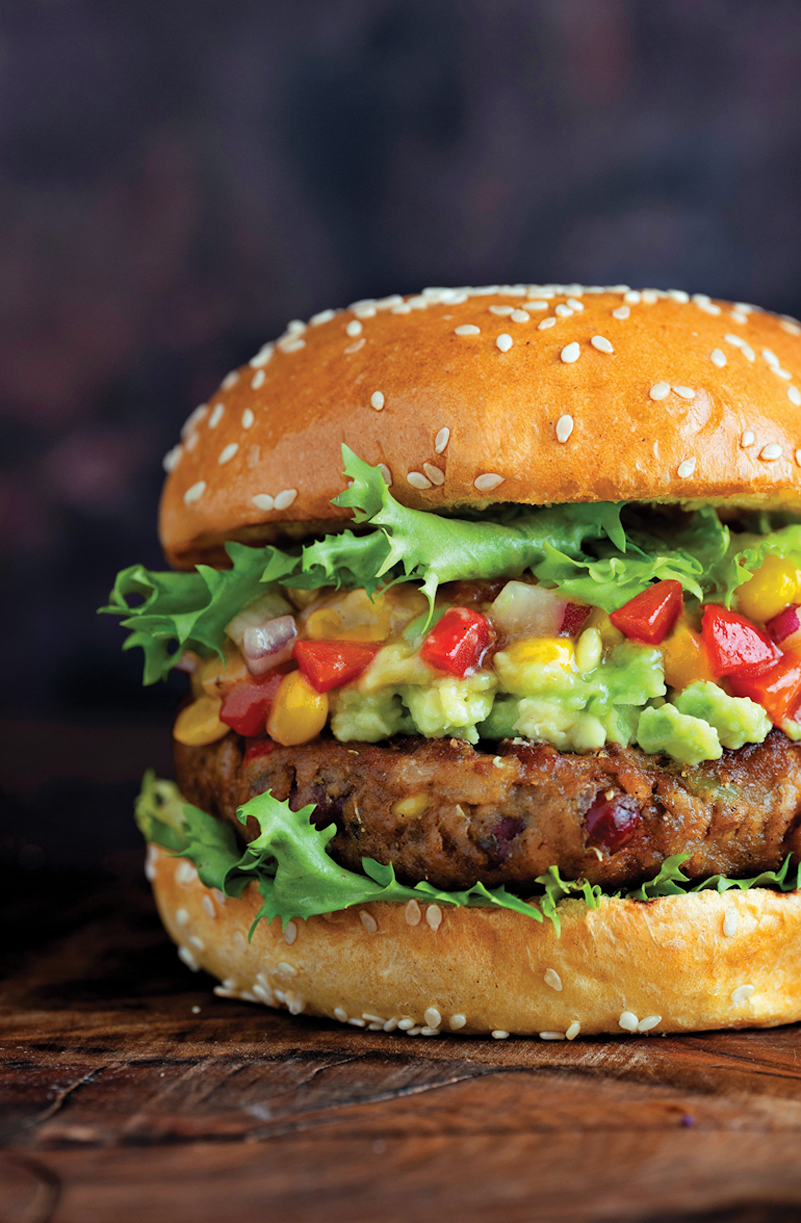
- Shiitake mushroom burgers
- Jamaican jerk burgers
- Spicy vegan balls

It’s far simpler to just offer good tasty plant-based food for everyone, as it covers all the bases, without having to cook different food for different people:
- It’s suitable for vegans and vegetarians
- It’s good to avoid egg/milk allergies
- Respects religious beliefs (Jews and Muslims can eat most vegan food)
- It’s cholesterol-free and animal-kind
- It’s good for the planet
- It’s often cheaper than free-range meats and dairy