The Peak District (England’s oldest national park)
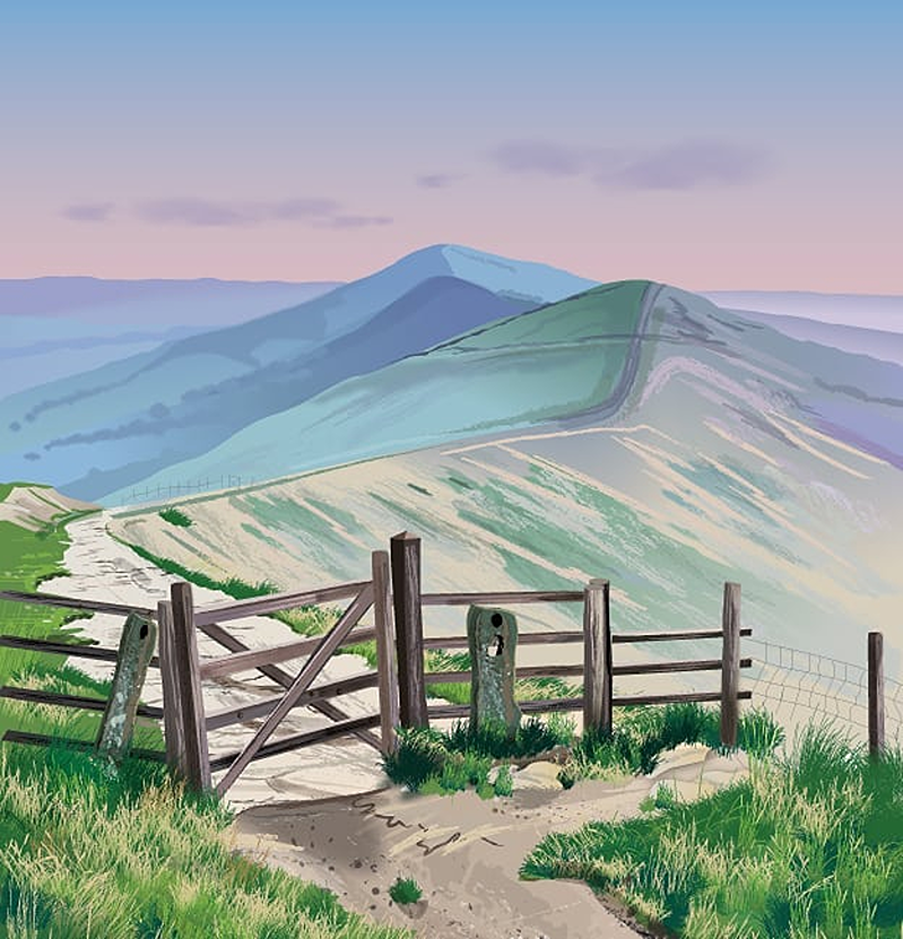
The Peak District was opened back in 1951, after years of campaigning by local people, who were banned from walking near areas owned by rich landowners. Covering over 550 square miles, this is full of rolling hills, valleys and villages.
Set mainly in Derbyshire, and reaching into nearby counties, it marked a shift towards keeping beautiful countryside open for public enjoyment. Today, the park appeals to walkers, cyclists, families, climbers, and anyone who wants a day out, easy to reach from Manchester and Sheffield.
If out walking, follow the Countryside Code to keep all creatures safe. Keep dogs on leads near steep banks (and away from toxic spring bulbs).
Pregnant sheep (and sometimes due to wool waterlogged from rain) can sometimes roll over onto their backs, and can’t get back upright, due to having four stomach chambers (so will die if not turned back upright).
If you see a sheep on its back, just firmly right it back, then stay with it, until rain has drained off. Then inform your local farmer.
What makes the Peak District special?
The Peak District isn’t only important because it came first. It also offers two very different sides of upland England, and that contrast gives the park much of its pull. On one side, there are high moors, exposed edges, and long views. On the other, there are green fields, limestone dales, and rivers that fold through softer ground.
That mix makes the park feel broad without being hard to grasp. You can spend a morning on open high ground, then end the day by a village tea room or a riverside path. As a result, the area suits many kinds of visit, from a short Sunday walk to a full week away.
How it became England’s first national park
The park’s 1951 designation came after years of pressure for better public access to the countryside. In simple terms, people wanted open country to be something they could enjoy, not only admire from a distance.
Because it sits close to large industrial cities, it had long been a place where workers came to walk, rest, and breathe. So its national park status carried a strong public message. Beautiful country should be protected, but it should also be shared.
Difference of Dark Park to White Peak
The Dark Peak is the park’s rougher, higher side. It is known for gritstone edges, peat moorland, and big skies. Walks here can feel wide, windy, and slightly stern, in a good way. Places like Kinder Scout and Stanage Edge show that character clearly.
By contrast, the White Peak feels gentler. Its limestone creates dales, caves, and greener pasture. Paths often follow streams or thread between dry-stone walls. Dovedale is the best-known example, with stepping stones and steep-sided valley views that feel calm rather than harsh.
Walks, viewpoints, and outdoor adventures
If you want a classic Peak District walk, Mam Tor is often the place to start. The route is manageable for many people, and the ridge gives broad views with very little fuss. On a clear day, it feels open and generous.
Stanage Edge offers something different. Its long gritstone line looks almost shaped for drama, and the views stretch far over moor and field. Walkers love it, and so do climbers, because the rock faces are a major draw. Meanwhile, Kinder Scout feels wilder. It is a plateau rather than a neat summit, and the ground can be rough, boggy, and exposed. That gives the walk more weight.
Then there is Dovedale, which shows the softer side of the park. The stepping stones, river path, and limestone crags make it one of the best family outings in the area. It’s popular, yes, but the appeal is easy to see.
Market towns, villages, and heritage sites
The Peak District isn’t just for boots and waterproofs. Bakewell brings together local food, stone buildings, and a town centre that still feels lived in. It makes a good base, but it also stands well on its own for a short visit.
Learn how to make vegan Bakewell tart!
Castleton is smaller and more tightly held by the hills. It is known for show caves, walking routes, and the ruined Peveril Castle above the village. Because so much sits close together, it’s an easy place to explore without rushing.
Then there is Chatsworth, just outside the park’s core but central to many visits. The house, gardens, and parkland add another layer to the region’s appeal. You get grand history, art, and estate views, yet the setting still feels tied to the wider Peak District. In short, the park offers both open country and settled, human scale charm.
The best time to go (weather and fewer crowds)
Spring is a lovely time to visit because the fields brighten, paths feel fresh, and the air is often clear. Summer brings longer days and easier travel, but it also brings crowds, especially at honeypot sites like Dovedale and Mam Tor.
Autumn may be the best balance. The light softens, the trees turn, and cooler air makes walking easier. Winter can be beautiful as well, particularly on clear, crisp days. Still, ice, mist, and strong wind can make higher routes much harder than they look.
Simple tips for a safe respectful visit
Pack for changeable weather, even on a short walk. Sturdy footwear matters, and waterproof layers matter just as much. A paper map is useful, though a fully charged phone helps too. Before you leave, check the forecast and look up the route.
Try to keep things simple:
- Stick to marked paths where possible, because worn ground erodes quickly.
- Take litter home, even small items like fruit peel or tissues.
- Keep dogs under control, especially near livestock and ground-nesting birds.
- Carry water and snacks, since facilities can be sparse once you’re out walking.
The Peak District (Our Oldest National Park)
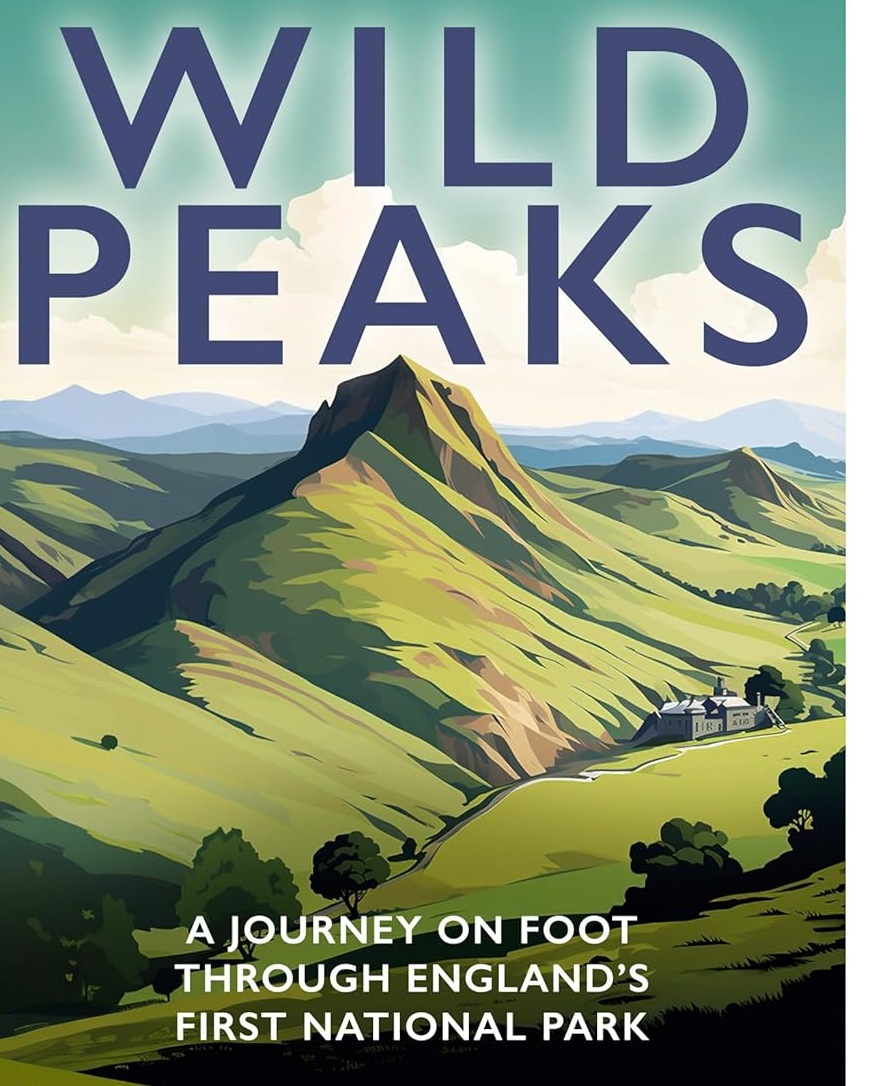
Wild Peaks is a journey on foot by travel writer Tom Chesshyre through the Peak District National Park, which is more than the ‘howling wilderness’ that Daniel Defoe described 300 years ago.
Designed to let hikers escape from industrial Manchester and Sheffield, this Park is home to ridges of rock, peat, farms, villages, cloughs and taverns.
How has the dramatic landscape fared in the last 75 years? Tom hits the trails on a 363-mile ramble to find out, and to celebrate the symbolic home of hiking. Following winding paths, passing at old inns and mountain huts and meeting a rich cast of historians, mountaineers and publicans.
Conclusion
The Peak District remains rewarding because it holds many things together so naturally, history, open moor, limestone dale, village street, and well-worn footpath. You can come for a first walk and feel welcome, or return for years and still find a new corner.
That balance is rare. England’s oldest national park still feels current, not because it tries to, but because it offers space, variety, and a strong sense of place.