Natural Sun Protection (avoid zinc oxide near pets)

The sun cream business is very complicated and confusing. It seems natural to just say ‘sit in the shade and wear a sun hat). And that’s also good advice. Also don’t go out in the main ‘sun hours’. But conventional sun creams still use chemicals that harm coral reefs (banned in Hawaii but yet in the UK). So washing them or swimming in the sea, ends up polluting the oceans and harming marine creatures.
So we are told now to use ‘natural sunscreens’ instead. There are only two around at present: titanium dioxide and zinc oxide. These are now formulated to be thinner (so you don’t have to wear a thick white stripe on your nose like cricketers).
BUT (and it’s a big but), zinc oxide (in nearly all ‘natural sunscreens’ is highly toxic if ingested by pets. So with around half the UK living with animal friends, that means you have to apply it in a closed room, and never let them go near you, while wearing it (waiting until you’ve washed it off).
Also never use human sunscreen on pets, talk to your vet if needed. Also read how to keep pets safe in warm weather. Zinc oxide is also found in some cosmetics and deodorants. But pets are less likely to be licking your face with make-up or underarms, whereas sunscreen is put all over your body.
So what’s to do? Obviously it’s fine to wear zinc oxide sunscreens if you’re never going near an animal friend, but this is quite complicated, especially all through summer.
But if you are near pets, at present the only choice is to avoid sunscreen, not wear it near pets (or at least wash it off anytime they are near) or choose a chemical sunscreen (but don’t go swimming, though it will still pollute if washed down sinks). It’s surprising no better solution has come up.
Never use tanning salons (they can cause skin cancer and even blindness, even with googles) and stay out of strong sun between 10am and 2pm (use a parasol or large hat and wear sustainable sunglasses. Other options are portable gazebos/awnings.
UVA rays age skin and UVB rays cause sunburn. Choosing natural brands is better for your skin and safer for the oceans. Choose scent-free options for pregnancy/nursing.
Green People organic sun creams
Green People organic vegan sunscreens are organic, vegan and free from palm oil (recycle packaging at kerbside or Boots branches). Take Green People’s simple spf quiz, to find out the best sunscreen for you (or your child) to use. The range includes:
Scent-Free sun screen protects against 97% of UVB rays, with soothing aloe vera and antioxidants like edelweiss, green tea and berry wax. Reapply frequently and after swimming, sweating or towelling off.
Use within six months of opening, to ensure UV filters remain stable and provide effective broad-spectrum protection. Apply generously for 20 minutes before going outside.
Age Defy Moisturiser SPF30 combines a moisturiser and sun protection (for the face only). Contains Contains oils of rosehip and pomegranate, and zesty floral scent.
Green People tanning drops
Green People Tinted Moisturiser SPF15 is a blend of sheer mineral make-up and sun cream, with antioxidant sea fennel stem cells and collagen-stimulating Spanish needle. Scented with exotic Tiaré Tahiti flower.
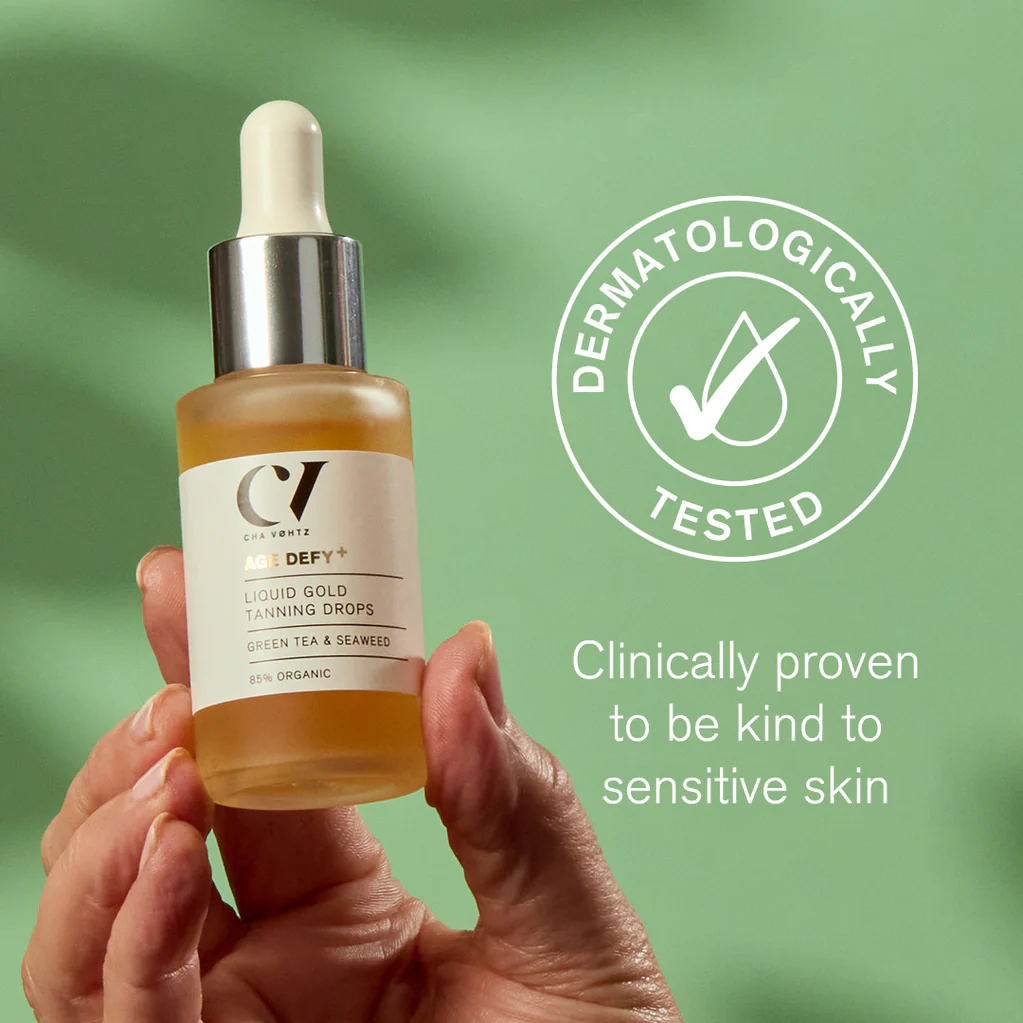
Liquid Gold Tanning Drops are certified organic. A drop or two gives a subtle tan, just mix with skin cream for a tan to appear in hours. Made with collagen-protecting green tea, for skin over 30.
Scent-free organic children’s sunscreen SPF30
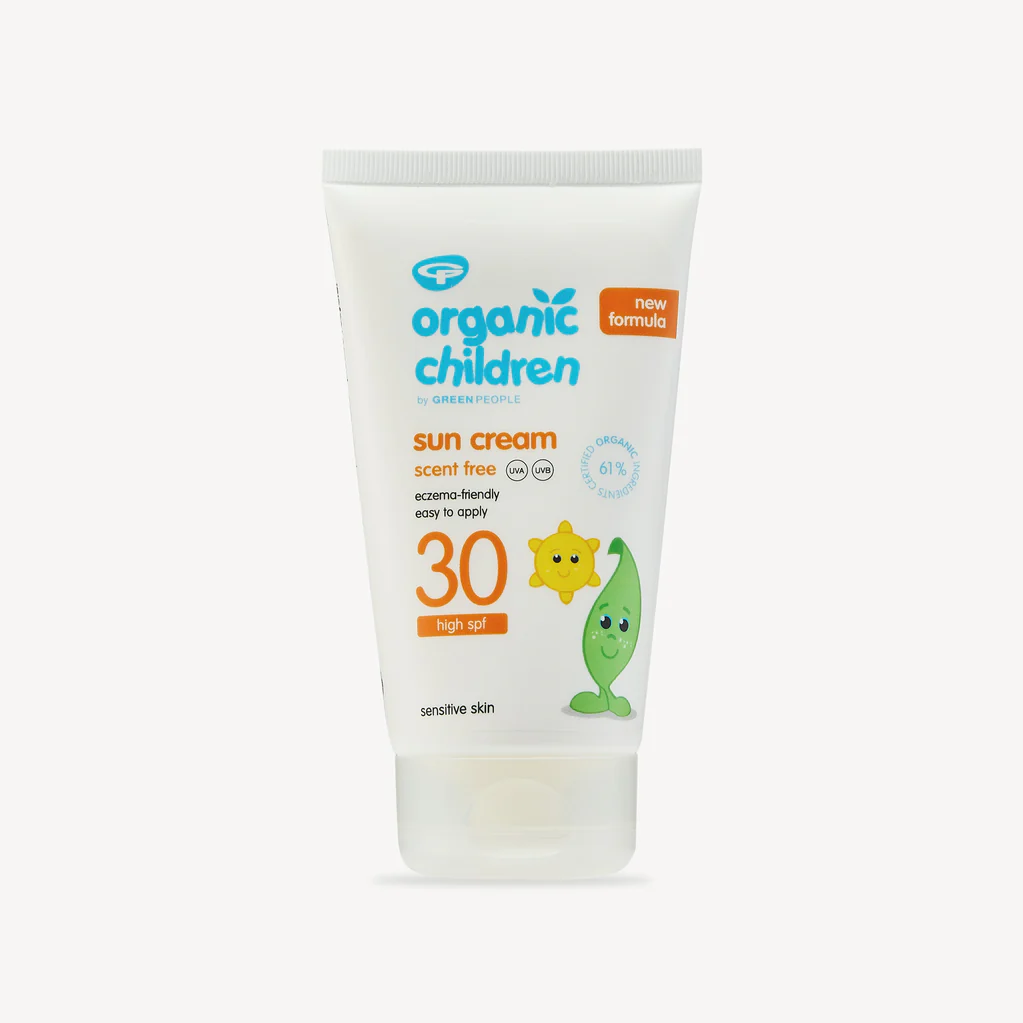
This has no fragrance or essential oils, and provides broad-spectrum protection against UVA and UVB rays, in a travael-friendly squeezy bottle.
If you have a baby, it’s useful to know when hats should—and shouldn’t—be worn.
According to The Lullaby Trust, babies should wear hats outdoors in cold weather. But hats, socks, cardigans, and other extra layers should be removed as soon as you move indoors or into a warm car.
Babies mainly regulate their body temperature through their heads. Leaving a hat on indoors can make them overheat, which increases the risk of illness and is one of the factors linked with sudden infant death syndrome (SIDS).
It recommends indoor temperatures between 16°C and 20°C for sleeping.
If you think a baby may be too warm, check the temperature of their chest or back, rather than their hands or feet, which often feel naturally cooler.
Signs that a baby may be overheating include:
- Sweating
- Damp hair
- Flushed skin
- Rapid breathing
- Being unusually restless or crying intensely
If these signs appear, remove a layer of clothing and move the baby to a cooler environment if necessary.
Parents and carers can also read more about safe clothing, bedding, and sleeping arrangements to help reduce the risk of overheating.
Organic aloe vera to cool skin
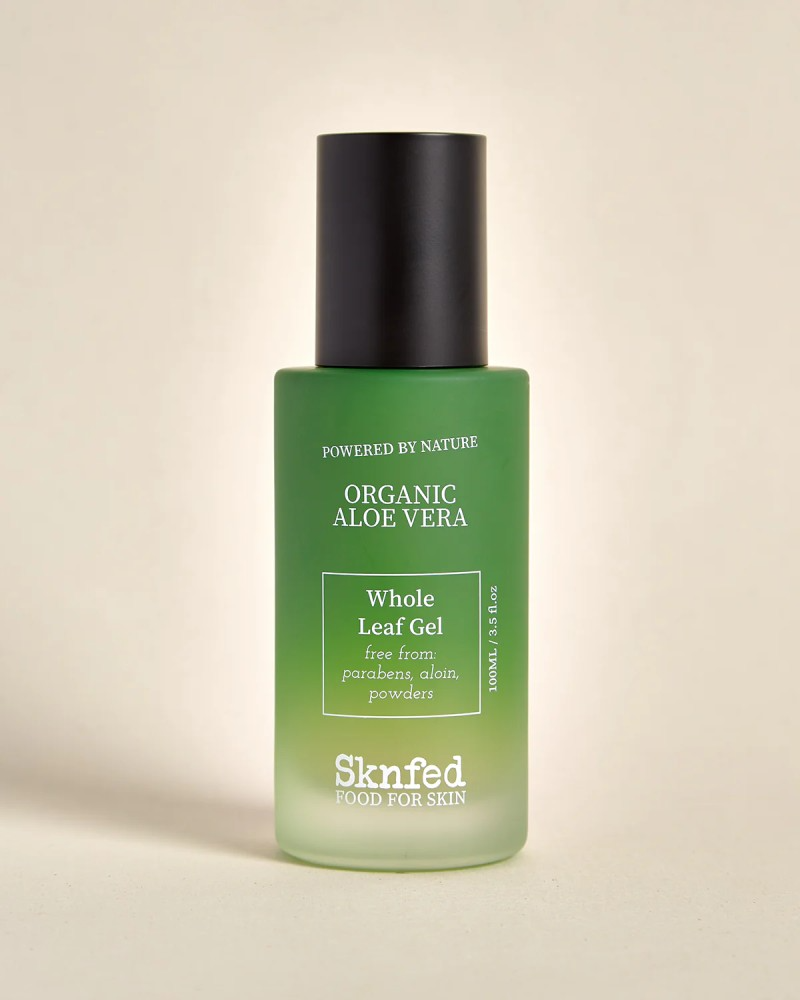
Sknfed Organic Aloe Vera is a whole leaf gel to provide instant relief to dry, irritated and sensitive skin. It’s also good to heal redness and provide relief after sun-exposure. Trusted by over 10,000 users!
If you grow aloe plants, keep them away from pets as they can be toxic (read more on pet plant safety).
To use, just apply a small amount to skin, on problem areas. Keep out of reach of children. For external use only.
Carefully process to remove aloin (which can irritate some skins), this deeply hydrates without clogging pores, and helps to reduce inflammation, and instantly cools and enhances blood circulation.
Enriched with amino acids, vitamins and minerals – it stimulates cells to produce more collagen and elasticity, leaving your skin soft and healthy. Made from fresh whole leaf aloe (rather than powder) to preserve natural nutrients and calming properties.
This is the only thing that calms my skin instantly.
Running in the cold and wind had played havoc with my skin, and my face was feeling dry, flaky and irritated. I’ve been using this twice a day for a week, and it’s completely calmed down my skin.
Rhinophyma (needs medical treatment)
This is when rosacea gets out of control and leads to swelling and thickened skin and enlarged oil glands. Sometimes wrongly linked to alcohol consumption, it can cause (especially in men) a big bulbous red nose. If you’re a fan of the wonderful Dr Pimple Popper, you will have seen her giving professional treatment.
This involves using a scalpel to remove some of the oily skin, and this condition needs help from
Pucker Up Plastic-Free: Zero-Waste Vegan Lip Balms
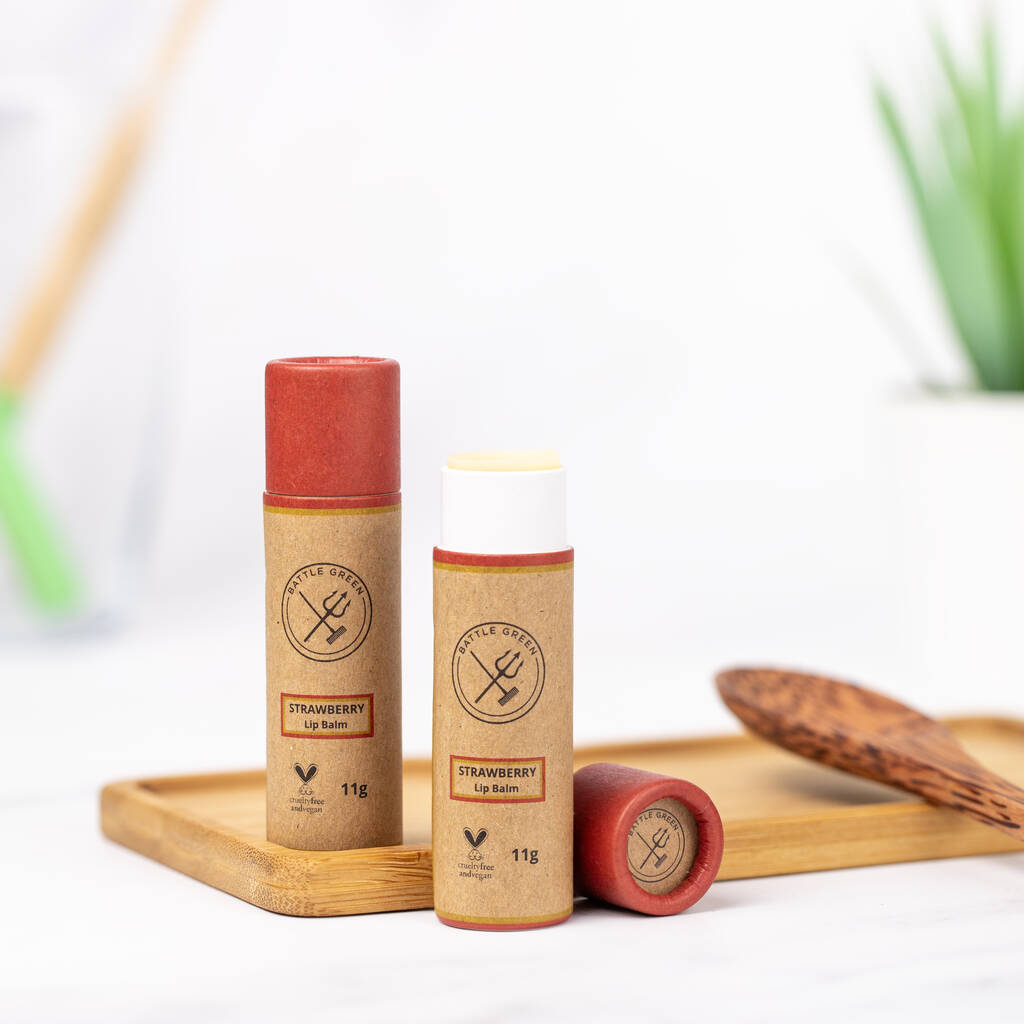
Battle Green Lip Balms are not just made with natural ingredients (organic jojoba oil, cocoa butter and castor oil plus candelilla wax – a vegan alternative to beeswax). But they are also sold in cardboard push-up tubes, to avoid plastic waste.
Lip balms are not needed by everyone (start from the inside – drink enough water, use humidifiers in dry rooms and avoid exfoliating flaky lips).
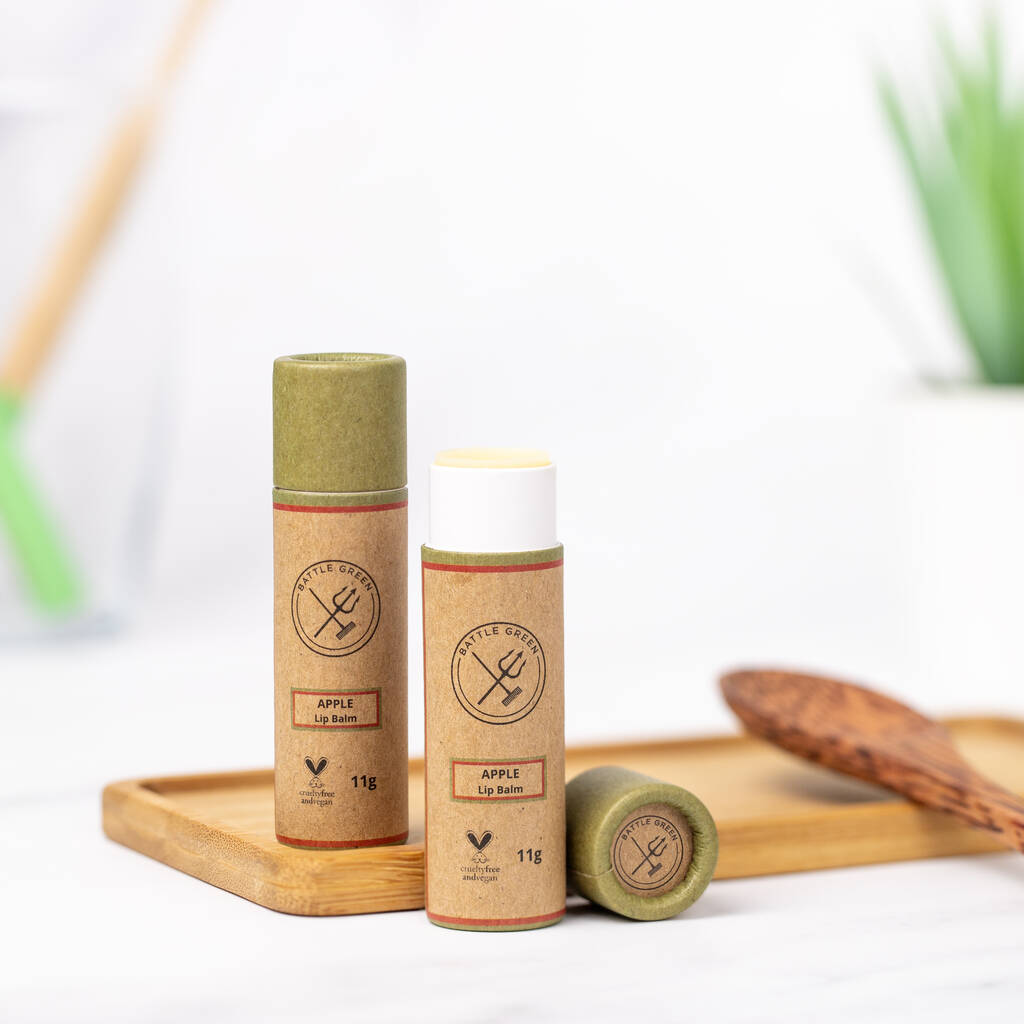
Choose from:
- Apple
- Rose
- Peppermint
- Vanilla
- Lime
- Rose
- Mandarin
The Organic Balm is an organic vegan lip balm made with organic shea butter and safflower oil, you can use this anywhere. It’s designed to help eczema and topical steroid withdrawal, which affects over 15 million people in the UK.
Plumpy Lip Tint Pots (Northern Ireland) are made with shea, mango and cocoa butter with apricot kernel oil. They are sold with subtle sheens or bold pops of colour, ideal for people who find lipsticks too drying.
Don’t Kiss People, If You Have Cold Sores
Cold sores can transfer to others. So don’t go kissing anyone if you have one. Especially don’t kiss babies, as this can lead to serious neonatal herpes.