Help wild swans (England’s graceful birds)
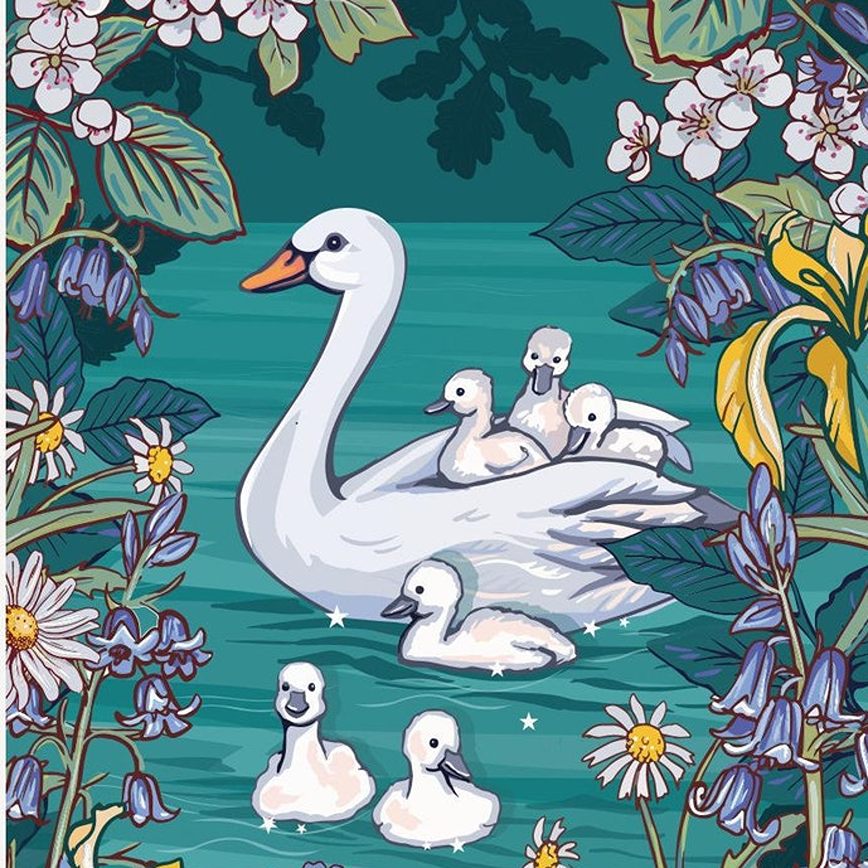
Swans are among the most iconic and majestic birds in the English countryside. Their sweeping white wings, elegant necks, and powerful presence on our rivers and lakes have made them symbols of grace and beauty for centuries.
However, despite their regal appearance, swans face significant threats from human activity, pollution, and habitat changes. Protecting these birds is not just an act of kindness; it is a legal and moral responsibility for everyone who lives near or visits England’s waterways.
This guide provides a comprehensive overview of how to help swans and cygnets, from understanding their natural diet to supporting conservation organizations. By following these guidelines, we can ensure that swan populations remain healthy and vibrant for future generations.
Understanding swan species in England
Before we can effectively protect swans, it is important to understand the different species that call England home. While the Mute Swan is the most common, there are other species that occasionally appear or are kept in captivity.
The Mute Swan (Cygnus olor)
The Mute Swan is the only native swan species in the UK. They are easily recognized by their white plumage, orange bill with a black base, and black legs. Despite their name, Mute Swans are not entirely silent; they produce hissing, grunting, and clicking sounds, especially when agitated.
Mute Swans are territorial and can be aggressive, particularly during breeding season. They are also protected by law, which means it is illegal to harm, kill, or disturb them or their nests. This protection reflects their cultural significance and ecological role in wetland ecosystems.
The Whooper Swan (Cygnus cygnus)
The Whooper Swan is the largest swan species in the world and a winter visitor to the UK. They are larger and more robust than Mute Swans, with a yellow and orange bill that extends further down the face. Whooper Swans are known for their loud, trumpeting calls, which give them their name.
These birds typically arrive in the UK from Iceland and Scandinavia in October and leave by March. They prefer shallow wetlands, estuaries, and flooded fields where they can feed on aquatic plants and agricultural crops.
The Bewick’s Swan (Cygnus columbianus bewickii)
The Bewick’s Swan is a smaller subspecies of the Tundra Swan and is also a winter visitor to the UK. They are similar in appearance to Whooper Swans but have a smaller, more compact bill with a distinct yellow patch. Bewick’s Swans are often found in the same habitats as Whooper Swans but tend to be more elusive.
The Trumpeter Swan (Cygnus buccinator)
The Trumpeter Swan is not native to the UK but is occasionally seen in captivity or as an escapee. It is the largest waterfowl in North America and has a all-black bill. While rare in the wild, their presence highlights the importance of responsible ownership and the potential risks of releasing non-native species into the wild.
Why keeping rivers clean is essential for swans
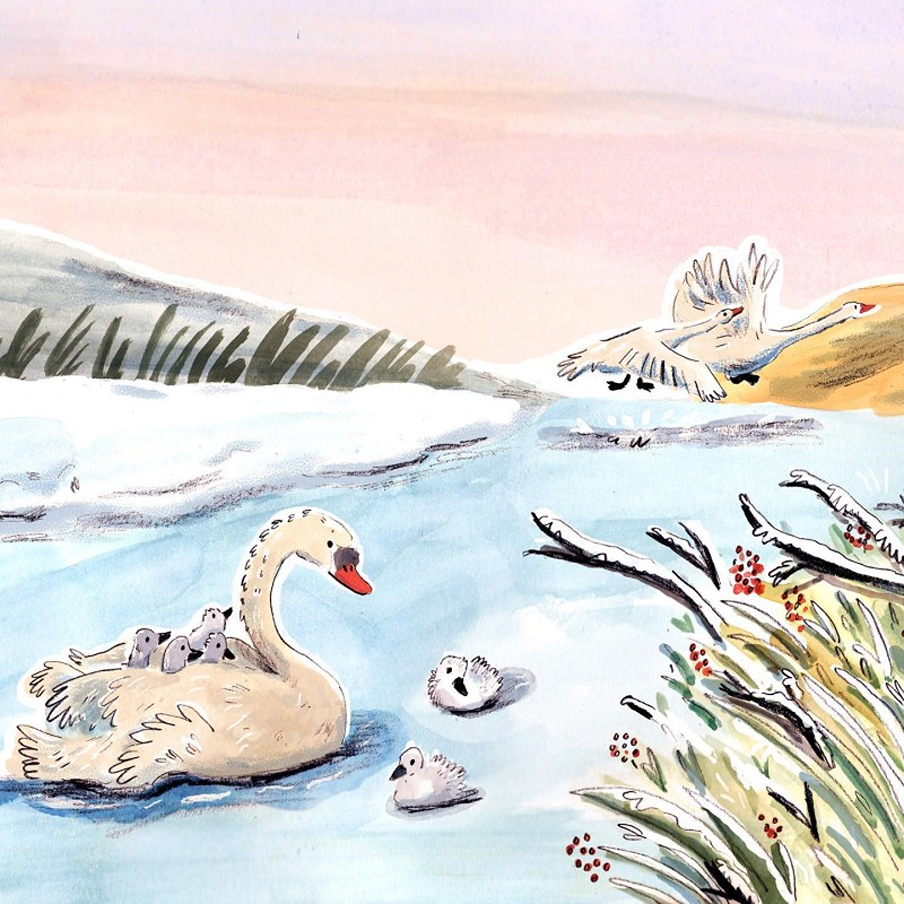
Swans spend a significant portion of their lives on or near water, making water quality critical to their survival. Pollution from plastic waste, chemical runoff, and agricultural runoff can have devastating effects on swan populations.
The danger of plastic pollution
Plastic waste is one of the biggest threats to swans. They often mistake small pieces of plastic for food, which can block their digestive systems and lead to starvation. Microplastics, which are tiny plastic particles, can accumulate in their bodies and affect their health and reproduction.
Additionally, plastic debris can entangle swans, particularly cygnets, restricting their movement and making it difficult for them to swim or feed. This can lead to injury or death.
Chemical runoff and habitat degradation
Agricultural and industrial runoff can introduce harmful chemicals into waterways. Pesticides, herbicides, and heavy metals can contaminate the plants and invertebrates that swans rely on for food. This contamination can weaken their immune systems and make them more susceptible to disease.
Furthermore, excessive nutrients from fertilizer runoff can cause algal blooms, which deplete oxygen levels in the water. This can lead to fish kills and reduce the availability of food for swans.
How you can help
- Reduce Plastic Use: Minimize your use of single-use plastics and properly dispose of waste.
- Support River Cleanups: Participate in local river cleanup events to remove trash from waterways.
- Use Eco-Friendly Products: Choose non-toxic cleaning, laundry and beauty products, to reduce chemical runoff.
- Report Pollution: If you see illegal dumping or pollution, report it to the Environment Agency.
Understanding the natural diet of swans
Swans are primarily herbivores, feeding on aquatic plants, grasses, and some invertebrates. Understanding their natural diet helps us provide appropriate food when necessary.
Aquatic plants
In the wild, swans graze on submerged aquatic vegetation, such as pondweed, water violet, and stonewort. They also feed on algae and mosses.
Terrestrial vegetation
During winter, when water plants are scarce, swans switch to grazing on grasses, crops, and other terrestrial vegetation. They may feed on fields near waterways.
Invertebrates
While less common, swans may also eat small invertebrates, such as snails, slugs, and insects, to supplement their diet with protein.
Supplemental feeding
If you choose to feed swans, stick to natural, healthy options like thawed frozen peas (no salt or butter) or specialist swan food are the safest choices. Avoid bread, processed foods, and salty snacks.
White bread offers little nutritional value, and is high in carbs and can lead to malnutrition (including “Angel Wing” that causes feathers to grow faster than the bone structure can support). Mouldy, crusty or buttered bread (fat can smear on feathers affecting insulation and waterproofing) can harm, as can encouraging swans to become too tame (going near road traffic and dogs).
Keep swans and cygnets safe from humans and dogs
Swans are wild animals and should be treated with respect and distance. Human interference, particularly from dogs and children, can cause significant stress and harm to swan families.
The importance of leaving them alone
Swans, especially during breeding season, can be highly territorial and aggressive. They may hiss, bite, or wing slap to protect their nests and cygnets. While this behavior can be intimidating, it is a natural defense mechanism.
Cygnets are vulnerable and require a safe environment to grow. Disturbance from humans can cause parents to abandon their nests or separate from their young, leading to starvation or predation.
Keeping dogs under control
Dogs are one of the biggest threats to swans and cygnets. Even well-behaved dogs can accidentally chase or injure swans. Dogs may also disturb nests, causing parents to flee.
- Keep dogs on leads: Always keep your dog on a short lead near waterways, especially during breeding season (March to July).
- Respect signage: Heed any signs warning of swan nests or cygnets.
- Train your dog: Ensure your dog responds to recall commands to prevent them from chasing wildlife.
Avoiding roads and traffic
Swans and cygnets sometimes wander onto roads, particularly when migrating or searching for food. This puts them at risk of being hit by vehicles.
- Do not encourage them: Avoid calling or feeding swans near roads, as this can encourage them to approach traffic.
- Drive carefully: Slow down in areas where swans are known to cross roads.
- Report stranded swans: If you see a swan cygnet that needs help, contact a wildlife rescue organization for assistance.
- Ask councils to install bird diverters. These help prevent large birds (who need a long run to take off due to body weight) from flying into pylons or busy roundabouts).
Protecting swan nests and eggs
Swan nests are typically built in secluded areas near water, such as reed beds, riverbanks, or islands. They are vulnerable to disturbance and predation.
Never disturb a nest
It is illegal to intentionally disturb a swan nest or take eggs. The Wildlife and Countryside Act 1954 protects all wild birds, their nests, and eggs. Disturbing a nest can cause parents to abandon it, leading to the death of eggs or cygnets.
- Keep your distance: If you spot a nest, observe it from a safe distance. Do not approach or try to touch the eggs.
- Avoid nesting areas: Plan your walks or boat trips to avoid known nesting sites, especially during breeding season.
What to do if you find an egg
If you find a single egg or a nest that appears abandoned, do not assume it is orphaned. Swans often leave their nests to feed and return later.
- Do not move the egg: Moving the egg can damage it or cause the parents to reject it.
- Contact a professional: If you are concerned about the nest, contact Swan Lifeline or Swan Sanctuary for advice.
The thread of lead shot and fishing waste
Lead shot and fishing waste are significant sources of poisoning for swans and other waterfowl.
Lead poisoning
Lead shot, used by hunters, can end up in wetlands and rivers. Swans may ingest these small pellets while foraging for food. Lead is toxic to birds and can cause paralysis, organ failure, and death.
- Support non-toxic alternatives: Advocate for the use of non-toxic shot in hunting.
- Report illegal hunting: If you suspect lead shot poisoning, report it to Police and/or Crimestoppers (anonymous).
Fishing waste
Discarded fishing line, hooks, and sinkers can entangle swans or be ingested, causing internal injuries.
- Take Your Waste Home: Always pack out your fishing waste, including lines, hooks and lures.
- Use Biodegradable Line: If possible, use biodegradable fishing line to reduce the risk of entanglement.
- Dispose of Line Properly: Use designated bait and line disposal bins at marinas and boat ramps.
How to help injured or distressed swans
If you encounter a swan that appears injured, sick, or orphaned, it is important to act quickly and appropriately.
Swans often tuck one leg inside (a bit like us crossing our legs). So try not to confuse this with an injured or missing leg, but report if concerned.
Assess the situation
- Is it a cygnet? Young cygnets often leave the nest and may appear lost. They are usually still being cared for by their parents. Observe from a distance to see if the parents are nearby.
- Is it injured? Look for visible injuries, such as bleeding, broken wings, or entanglement.
- Is it sick? Signs of illness include lethargy, labored breathing, or unusual behavior.
What to do
- Do not handle unless necessary: Swans can be aggressive and carry diseases. Only handle a swan if it is in immediate danger (e.g., on a busy road).
- Contact a rescue organisation: Call Swan Lifeline, Swan Sanctuary or a local wildlife rescue for guidance.
- Provide a safe space: If you must move the swan, place it in a quiet, dark box with ventilation and keep it warm until help arrives.
When to intervene
- Orphaned cygnets: If a cygnet is alone for more than a couple of hours and the parents are not seen, it may be orphaned.
- Injured adults: Any adult swan with visible injuries needs professional care.
- Entangled birds: Swans entangled in line or netting require immediate assistance. Do not try to remove this yourself, you could make things worse.
Legal protections and reporting wildlife crime
Swans are protected by law in the UK. It is illegal to:
- Kill, injure, or take any wild swan.
- Damage or destroy a swan’s nest while it is in use or building.
- Take or destroy the eggs of a wild swan.
- Intentionally disturb a swan while it is nesting.
Reporting wildlife crime
If you witness wildlife crime, such as poisoning, trapping, or illegal killing of swans, report it immediately.
- Contact the Police: For serious crimes, call 999 or 101.
- RSPB Incident Line: 0300 123 1013.
- Crimestoppers: 0800 555 111 (anonymous reporting).
Providing details such as the location, time, and description of the suspect or activity can help authorities investigate and prosecute offenders.
Supporting swan conservation organisations
Conservation organizations play a vital role in protecting swans and their habitats. Supporting these groups helps fund research, rescue efforts, and advocacy.
Swan Lifeline
Swan Lifeline (based in Eton) is a charity dedicated to the rescue and rehabilitation of swans and other waterfowl. They operate out of Eton, Berkshire, and provide 24/7 emergency response for injured or orphaned swans.
How to Help: Donate, volunteer or sign up as your cause at easyfundraising.
The Swan Sanctuary
The Swan Sanctuary, located in Middlesex (now part of Greater London), is a rescue center for swans and other waterfowl. They provide care for injured and sick birds and work to raise awareness about swan conservation.
How to Help: Again you can donate, volunteer or sign up as your cause at easyfundraising.
Books to learn more about swans

Swan: Portrait of a Majestic Bird is the celebration of our mute swans, by a wildlife writer who has studied mute swans for over 30 years since boyhood and (as a pilot who shares their skies) speaks up for the mute, answering questions about nature and future.
The Swan: A Biography is by nature writer Stephen Moss. With beautiful illustrations, swans are the ‘avian equivalent of Sir David Attenborough’. Swans have been part of England’s scenery for hundreds of years. Thankfully swans are highly protected under the Wildlife and Countryside Act.