Humane dog training (learn from trainers not TV)
Training puppies, adult dogs, rescue dogs and senior pets can help them stay safe, avoid dog bites and fights and bring better laws for so-called dangerous dogs.
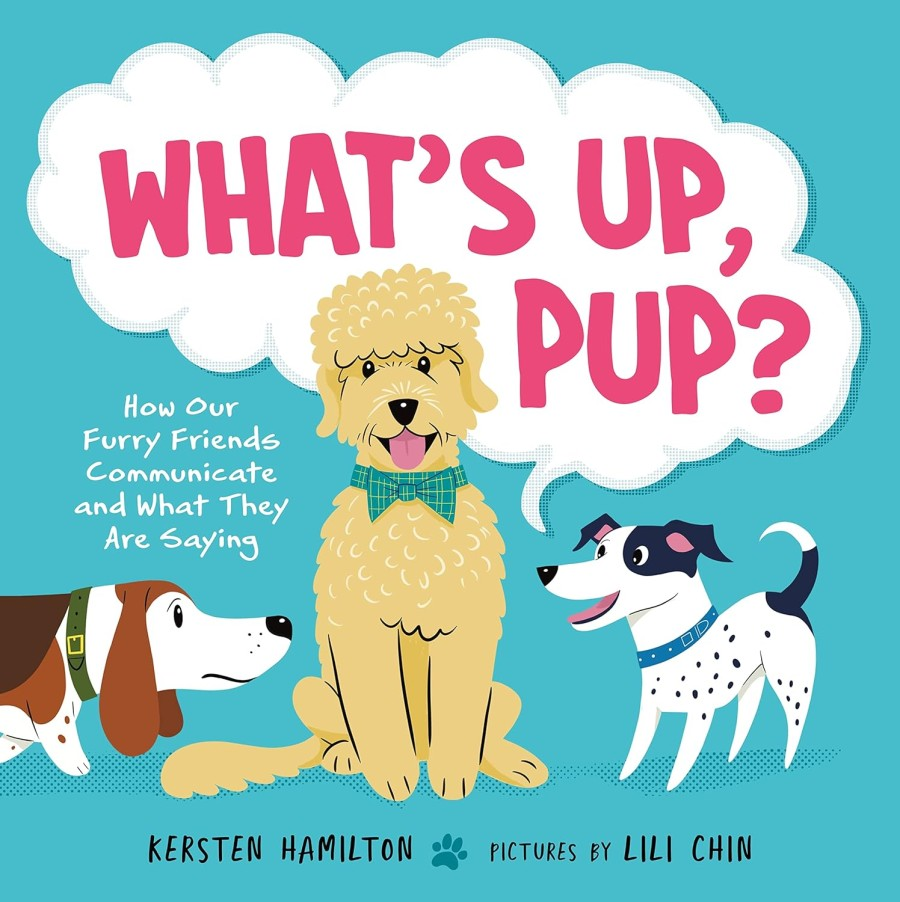
Read What’s Up Pup?, on how dogs (even without words) can ask to play, get scratches or just say ‘I love you’. From sniffers and ears to muzzles and rears, from tail wags to tongue flicks and everything in-between, learn how your pup ‘talks to you’.
Don’t go to ‘celebrity dog trainers’ for advice, as proper experts say their methods (which can even include choke chains) do not work and are not kind. Stick to proper trainers who have trained for years, know what they are doing, and have good references. If you can’t afford one, there are some good books below.
‘Humane’ is a better phrase than ‘positive’, as it still means never scolding, shouting, scaring or hitting dogs, but still giving gentle discipline (like looking the other way) to train dogs, who love to learn.
If walking in nature, always follow the Countryside Code, to keep all creatures safe. For coastal areas, check tide times and warning flags, and read our post on keeping dogs safe by the seaside.
Learn of toxic foods and plants. And read info on quick-release dog collars (secured on walks by linking lead through D-rings which break off, if dogs entangle).
Also read our post on volunteer dog walking.
Preventing Dog Bites and Fights: Expert Advice
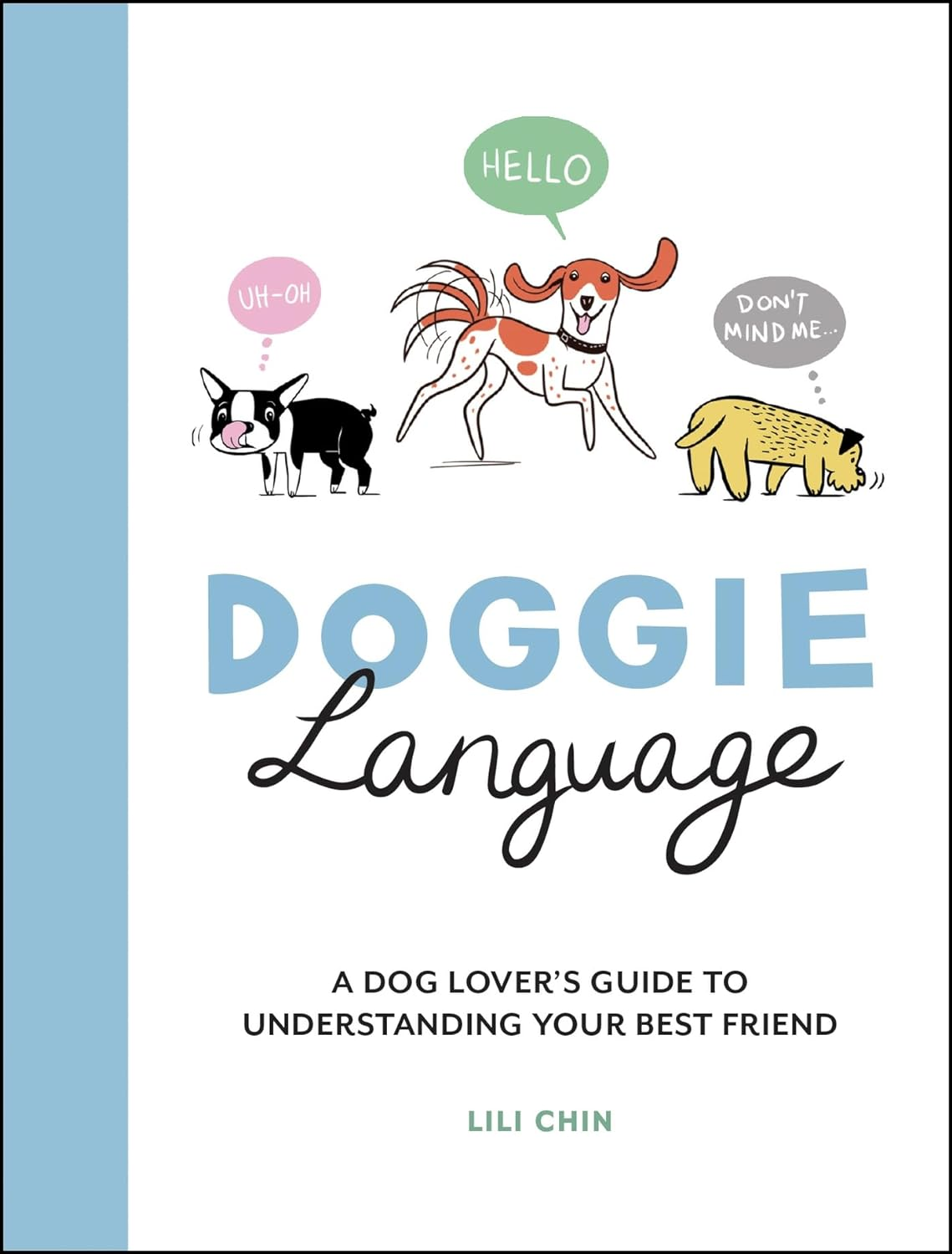
Doggie Language is a lovely book by illustrator Lili Chin, whose works are often feature on posters for vet and behaviour clinics worldwide. Learn how to recognise facial signals in dogs to know if they are happy, scared or about to attack. Learn how your dog uses his ears, eyes, mouth, tail and posture to communicate with you.
Dog Speak uses whimsical illustrations to show how our canine friends communicate, whether it’s tilting their heads, chasing their tails or sitting on your feet. While we mostly rely on words to express how we feel, dogs mostly talk to us (and each other) through facial expressions, body language and other behaviour.
Choosing a qualified trainer
- Respected organisations are IMDT (Institute of Modern Dog Trainers), APDT (Association of Pet Dog Trainers UK), or KCAI (Kennel Club Accredited Instructor) which has its own Dog People’s Manifesto, a detailed guide for government to act on dog welfare issues.
- Southend Dog Training offers a ‘dog trainer in your pocket’ with online dog training for around £12 a month. Includes puppy training, toileting and reactive dogs.
- Train Your Dog Online is an 8-week course based on kind effective methods. Perfect for puppies and rescue dogs, it will your dog not to pull on the lead, work with distractions, respond quickly and calmly and leave things alone that you don’t want them to touch!
Vets say you shouldn’t over-throw balls for dogs (best to let them sniff and explore, to save leg problems later on). The wool on tennis balls is abrasive, so not good for dogs anyway. Go for quality brands of safe (supervised) toys instead).
Good books on humane dog training
Steve Mann is one of the world’s most respected animal behaviourists and dog trainers. Not only does he offer a lot of books on dog training (including by breed) but his book for children is ideal for anyone who just wants the simple basics.
He lists trainers nationwide who have completed his puppy training course, and has his own BBC online course which includes 30 lessons, 4 hours of video and 83 pages of course notes.
His first books Easy Peasy Doggy Squeezy and Easy Peasy Puppy Squeezy were so popular, he now offers books by breed:
- Easy Peasy Labrador
- Easy Peasy Cocker Spaniel
- Easy Peasy Labradoodle
- Easy Peasy Cockerpoo
- Easy Peasy French Bulldog
Blue Cross campaigns against irresponsible breeding of brachycephalic pets (English/French bulldogs, pugs, Boston terriers, Cavalier King Charles spaniels, shih tzus, boxers and Persian cats) that find it difficult to breathe and are more at risk from heatstroke.
What Dogs Want is a fun illustrated guide by animal behaviourist Mat Ward, to why dogs bark and what he or she is thinking. Learn how to avoid separation anxiety, and learn why dogs wag their tails.
Learn how your dog’s brain works, so you can train them at any age from puppy upwards. The author is an animal behaviourist who specialises in dogs and cats with behavioural problems including:
- Aggression, fear, phobias, anxiety
- Barking & destructive behaviour
- Urine marking/spaying, indoor toileting
- Repetitive behaviours
- Jumping up
- Being anti-social
- Mouthing/biting
- Pulling on the lead
How to Train Your Dog shows how to use simple proven ways to solve behavioural issues, by learning how dogs think and how they may struggle with certain things.
Learn how to recall and train on the lead, stop excessive barking and jumping up, how to keep dogs safe around other dogs and children, and how to stop chewing, biting and destructive behaviour.
How to Raise the Perfect Dog is also by the popular founder of Southend Dog Training. Ideal for the first 12 months, this is the no-nonsense guide to positive training that puts your pup at the centre, to build a bond for a lifetime.
He also recently released How to Raise the Perfect Family Dog (which includes tips on preparing dogs for the arrival of new-born babies).
Barking Up The Right Tree is a book by Dr Ian Dunbar, who makes the case that dog training has lost its way and become too complicated and less effective. We must return to quick, easy and enjoyable methods that work. He offers courses at Dunbar Academy.
How to train a fearful or anxious dog
Bark! is a guide for anyone who is living with an anxious, fearful or reactive dog. Learn how to heal such issues using positive reinforcement from certified dog trainer and animal behaviourist Zazie Todd.
If your dog bites, guards food or shows aggression, know that 75% of dogs struggle with fear-based behaviour and require support and understanding, to feel safe and secure.
Decoding the latest canine science, Zazie shows readers who to address the root causes of canine fears (loud noises, vets, separation anxiety and other dogs) and manage natural fear responses.
Learn how to keep your dog, yourself and others safe when your dog is fearful or reactive, and learn how to create safe havens for your dog.
There’s never any excuse to shout or kick/hit a dog. But good training can help prevent events by susceptible people. Read more on how to report animal abuse or welfare concerns.