Beyond the Stripes: The Real Wild Badger
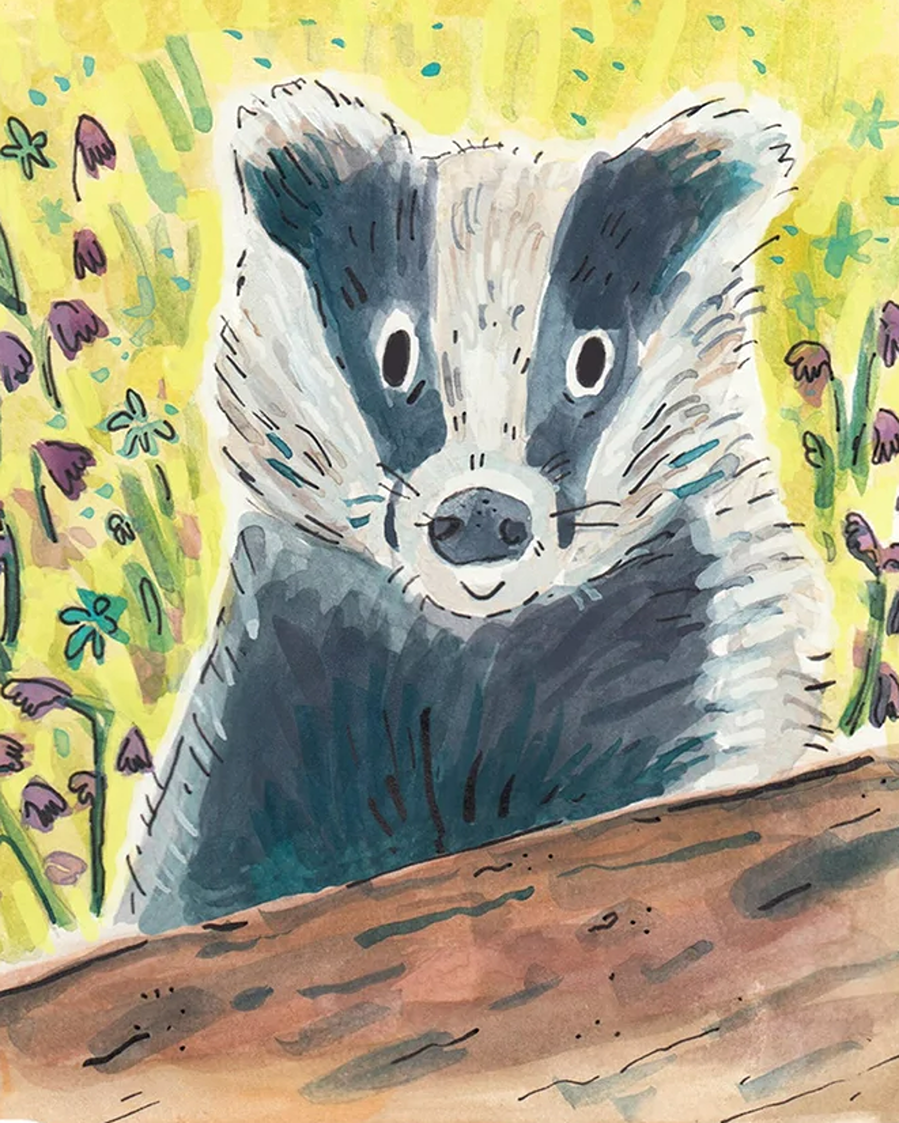
Badgers are England’s largest (nocturnal) carnivores (they eat earthworms, fruits, berries and nuts). They have shared our land for over 250,000 years, and live in elaborate underground setts, often build by their ancestors. Easily recognisable for their black and white stripes, badgers are mustelids (related to stoats, weasels, ferrets, otters and pine martens).
Prevent Bovine TB (without harming badgers)
In recent years, numbers have plummeted due to the mass cull by DEFRA. But the government has now acknowledged that bovine TB is mostly due to needing cattle vaccines and better farming practices to prevent cattle-to-cattle transmission.
Experts say the best ways for farmers to deter badgers is to play a radio at night, and use locked or badger gates (to let them pass, without damaging fences).
Softwood badger gates (made from untreated timber) won’t harm if chewed, and also don’t jam during rain (when wood could swell). Marine grade aluminium gates are stronger for repeated use, and let badgers view what is on the other side.
Wild Justice and The Badger Trust are presently in a legal campaign, after Defra gave supplementary licenses to shoot badgers, to ‘keep good relationships with farmers’. Proving this is political, not scientific.
Cattle Vaccines: The Answer to Prevent Bovine TB
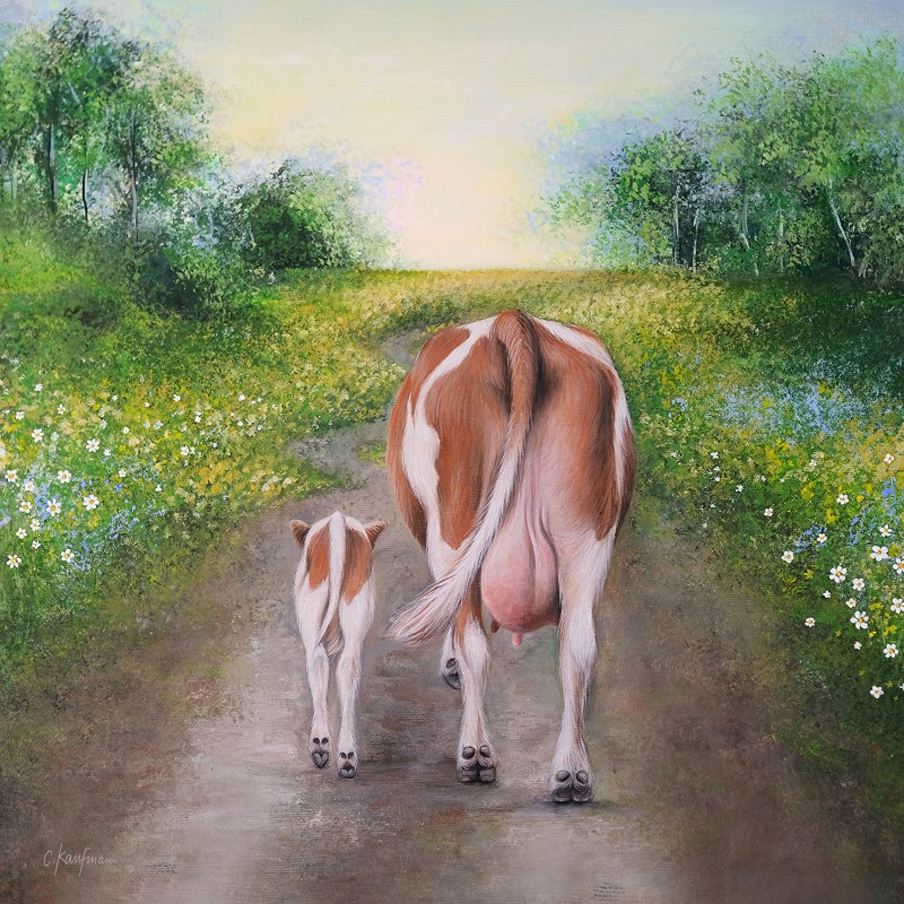
After over 10 years of killing innocent badgers, the evidence is in that it was completely unnecessary. All experts say that bovine TB (an awful disease for cattle) is mostly caused by cattle-to-cattle transmission. Yet over 250,000 badgers have been culled (nearly half the population) since the cull began in 2013.
Although the cull is now officially coming to an end, that won’t be until 2029, and all badger welfare charities are calling for an immediate end, as it has no scientific basis whatsoever.
A vaccination for cattle (the best solution) is imminent. Meanwhile volunteers perform badger vaccinations as an alternative to culls (marking each creature, to ensure they are not double-vaccinated – trapping them causes stress).
Farming unions must now give scientifically-correct advice to their members. TB Hub is the best online source of information.
Also visit Homeopathy at Wellie Level which offers vet-endorsed advice and courses, to prevent many diseases in cattle (including mastitis) along with other useful information to help all farm animals.
There are no badger culls in Wales and Scotland, yet these countries have less bovine TB.
What is Bovine TB?
Bovine TB is a zoonotic disease, so it can spread to other species. Yet less than 5% of culled badgers have been found to carry TB serious enough, to infect cattle or other badgers.
Many believe the reason for badgers culls is simply political stubbornness. The previous government’s links with the hunting industry led many farmers to be misled, into thinking that badgers were the main cause of bovine BV.
It’s now proven that around 94% of cases are due to cattle-to-cattle transmission.
A cattle vaccination is the obvious answer, but it’s only in August 2024 that field tests are beginning. People are asking the new Labour government why it won’t fund this (and stop badger culls) immediately. This would protect cattle, badgers and farmers.
For now, the best prevention methods are:
Better Cattle Testing
The bovine skin test is not reliable, so many cows are missed. At present, vets are not automatically notified of results (if they were, they could inform nearby farms to take actions like movement controls, and avoidance of shared grazing and vehicles).
Controls on Cattle Movement
Buying one infected cow at a market, could infect the rest of the herd. The Badger Trust wants cattle not to be sent to low-risk areas if purchased, unless tested to be TB-free.
Effective Slurry Management
As slurry contain TB for up to 6 months (and also live in hay, silage and water), more careful cleansing methods are needed on farms (at gates especially). And also for footwear and vehicles.
Additional Biosecurity Measures
Farmers should prove they have taken additional measures, before being compensated. This includes doing all of the above, plus taking measures to humanely prevent wildlife from living in farm buildings, using methods like sheeted gates.
Although farmers do undoubtedly suffer, they need to take some responsibility for ensuring that infected badgers are not near farms. And prove they are following stringent advice, to prevent cattle-to-cattle transmission of TB.
England has a particular problem with bovine TB, due to higher rates of intensive farming than most other countries. When cattle are housed indoors during winter, this increases the chance of infections spreading (and stress, which lowers immunity).
If cattle are taken indoors for bad weather, organic farmers ensure comfort and happiness, over intensive farms.
A few years ago, one organic farmer in the Cotswolds fed local badgers a molasses mineral block, with high selenium. He never had one cow in his herd with TB, believing that keeping the immunity high of local wildlife could be the answer.
He contacted DEFRA to ask if blood profiles of badgers had mineral deficiencies. And was amazed to learn that despite tens of millions of pounds spent on culling badgers, nobody had bothered to investigate what he thinks may be the preventive answer.
Many farmers have had entire herds slaughtered, due to TB infection (because there are not enough farm sanctuaries to find homes for remaining healthy animals, if farms cannot be sold).
Badger Culls are Cruel (and don’t work)
Researchers at Oxford University say that badger culls ma have increased bovine TB in neighbouring herds, by almost a third.
Queen guitarist (and astrophysicist) Brian May (who has campaigned against the badger cull of years) says that farmers are being let down by DEFRA, by being fed incorrect advice, on how to protect their herds.
Sign the End the Cull Petition (created after publication of The Badger Trust’s publication Tackling Bovine TB Together), calls for an end to culls. To help not just badgers and cattle, but also farmers.
Over 80% of the badgers culled under the government’s programme, were found to be free from TB.
Other Risks to England’s Badgers
It’s best to avoid feeding badgers if they have food already (to stop them relying on humans, which could harm if people moved or died). The other two main risks are loss of habitat and climate change.
The late Debbie Bailey (who spent half her life rescuing badgers and giving evidence in wildlife crime cases) often would sleep ‘not one wink’ when taking on the role of surrogate mum to orphaned cubs:
Over the last three years, we’ve doing more and more rescues – as sets are flooded and the badgers starve during summer droughts, when the ground is too hard to forage.
Climate science denying politicians speak of ‘national traditions’. That should include our native wildlife (badgers occasionally eat hedgehogs, but our spiky friend again are mostly endangered due to loss of natural habitats).
The other big risk to badgers is road traffic, due to badgers being nocturnal and often living in urban areas. Read our post on making roads safer for wildlife.
Simple Ways to Help England’s Badgers
- Never drop litter (and get involved in volunteer litter clean-ups).
- Badger Trust says that badgers ‘suck up worms like spaghetti’, so only really dig when looking for beetles and leatherjacks (to prevent this, regularly rake lawns, to aerate the soil).
- Choose organic gardening methods and nontoxic humane slug/snail deterrents (slug pellets harm both pets and wildlife).
- Write to MPs to campaign against relaxation of planning laws (we can build affordable homes, without destroying wildlife habitats). Badger Trust offers guidance for planners.
- Badger Trust’s free badger watch app can be used to create evidence of wildlife crime (including disturbing setts), which is then sent to their wildlife crime officer, to let you know whether to report to Crimestoppers (anonymous) It also gives info on how to keep yourself safe.
- Use this form to report suspicious activity (or even a new sett, to help Badger Trust monitor habitats).
How to Help Injured or Orphaned Badgers
To avoid road accidents, drive with lights on full-beam at night (not in fog or snow, as this can reflect back and reduce visibility). If you spot wildlife, dip your lights (to avoid startling) and slow down.
- If you find cubs calling for their parents (and warm to the touch), it’s likely they are fine. Watch and observe for parents to return, before taking action.
- If you find an injured/orphaned badger, call your local wildlife rescue and badger group (volunteers will also try to find cubs). Badgers could be aggressive if frightened. Wait for help.
- Also report dead badgers, to locate danger hotspots.
- Call 999, if the injured or dead badger is a traffic hazard (trained marksmen can immediately euthanise animals in pain, to prevent hours of waiting for the RSPCA).
- If any wild creature is trapped in wire or netting, wait for expert help (if you tried to free the animal, it may run off while needing medical help (pressure necrosis can occur later on).
Young badgers sometimes wander off to explore and lose track of time, can’t make it back to setts before bedtime, and find their way into sheds and garages. Usually they return to the wild next night. But if you notice injuries, blood, flies or a foul odour, contact a rescue for guidance. East Sussex Wildlife Rescue
Easy Ways to Support The Badger Trust

Badger Trust has local volunteers (who wear dark clothes and avoid perfume at night, as badgers will smell them a mile off) to attend rescues and do wonderful work to stop culls and deter wildlife crime. It also gives grants to smaller organisations that offer vaccinations and emergency rescue.
Here are a few easy to ways to help:
easyfundraising: Just sign up, and choose as your charity. Then anytime you shop at participating shops and services, a portion of the price is donated (at no cost to you). Loyalty points are not affected.
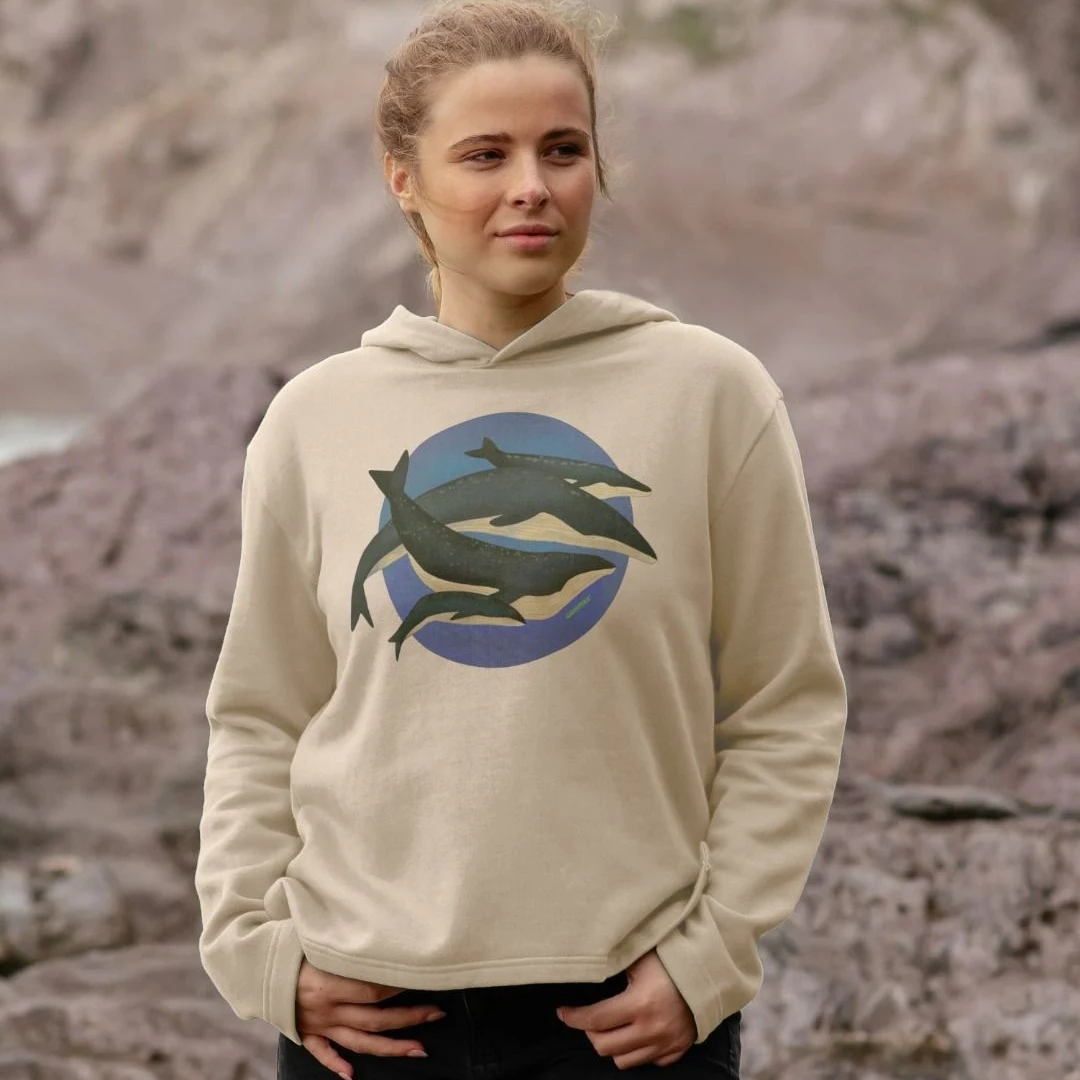
Badger Trust Teemill Store sells print-on-demand organic cotton t-shirts and sweatshirts (for men, women and children) and organic cotton grocery bags. Made with clean energy and sent in zero waste packaging, you can send items back at end of life, for recycling. All profits help the charity.
Helen Briggs has created a delightful illustrated greetings card, printed on 100% recycled card. All profits go to Badger Trust.
Payroll giving is where your boss lets you donate to a charity from salary, prior to tax deductions. So for each £1 you donate, it will only cost you 80p, if you pay higher tax.
Recycle things to raise funds:
- Printer cartridges
- Stamps
- Jewellery
- Bank Notes
- Old cars
The boar’s face was back, peering up from almost ground level beneath spruce branches. Almost at once, the sow was right beside him. Then came the cubs. For perhaps ten seconds, all four faces gleamed garishly out of the forest at me. Nothing has charmed me so utterly, as those ten seconds. Badger (encounters in the wild)