Greener Football: Changing the Beautiful Game
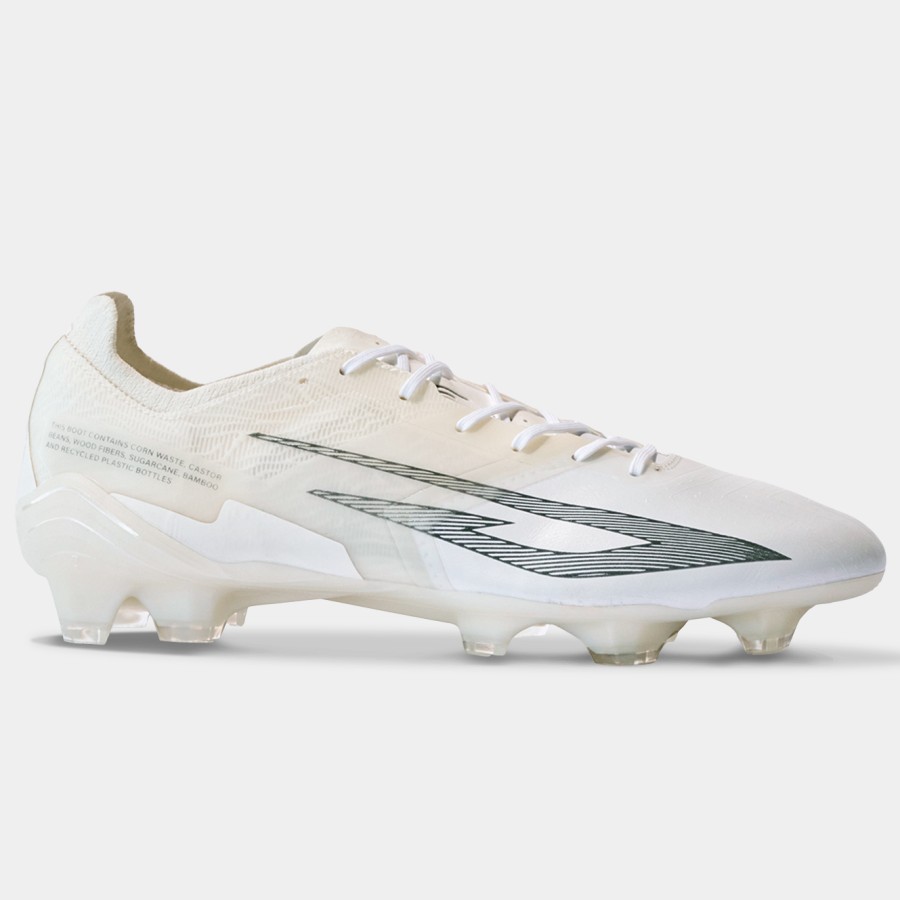
Football is arguably England’s biggest sport, with millions of fans. And there are now huge inroads into making the beautiful game greener, from vegan football boots (others are made from kangaroo leather) to eco-friendly kits, plant-based foods and organic pitches.
Kangaroo-Friendly Vegan Football Boots
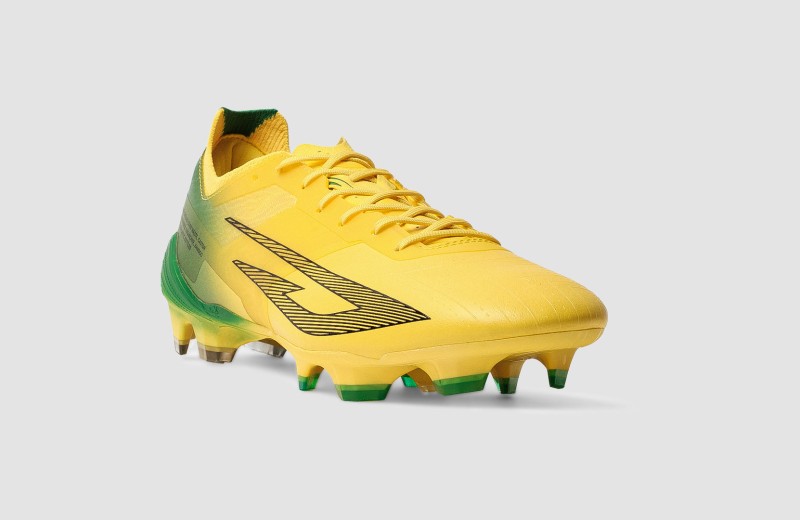
There is huge controversy these days, as many football boots (along with golf gloves and riding whips)) are made from K-leather, which is basically a hidden way of saying ‘kangaroo leather’ (these beautiful creatures are shot dead, leaving joeys left to starve, if they are not themselves killed).
Some Fair Trade footballs are still made from leather (often in countries with no or poor animal welfare laws). So look for vegan versions.
Sokito Vegan Football Boots are made with ground-breaking sustainable materials, and supported by professional football players. Many are made from corn waste, castor beans, sugarcane and bamboo.

Kangaroos are large marsupials that move by hopping, using their powerful tail as a fifth limb. This and their large feet mean that they can only move forward, never hopping back. Baby joeys (the size of a jellybean) don’t suckle like most creatures.
So mum instead uses her muscles to ‘pump milk’ down the baby’s throat. When adults are killed to make football boots, the joeys either starve, or are sometimes clubbed to death.
After many years of campaigning, Adidas recently announced it would cease its use. Nike and Puma have also followed suit. In fact, it’s seems only Australian companies now use it, as there is an increasing worldwide boycott.
One Aussie brand defends its materials as ‘ethically sourced’. But Good on You (which investigates ethics of fashion brands) rates it as ‘not good enough’ for not giving enough details, on where and how materials are sourced.
A Wildlife-Friendly Goal Wall

Wildlife rescues say that football nets left in gardens, are a major hazard to many creatures, especially foxes. So if you use one, always store away when not in use (same with rotary washing lines).
Marmax Goal Wall is a good alternative. Made from recycled milk bottles, it’s weatherproof and strong, and designed to last years. ideal for matches or goal practice, and won’t rot or splinter.
Sent with galvanised screws and delivered fully-assembled, you just secure with ground fixing plates (extended legs are available at extra charge). Sold with a 25-year construction guarantee.
The World’s Greenest Football Club
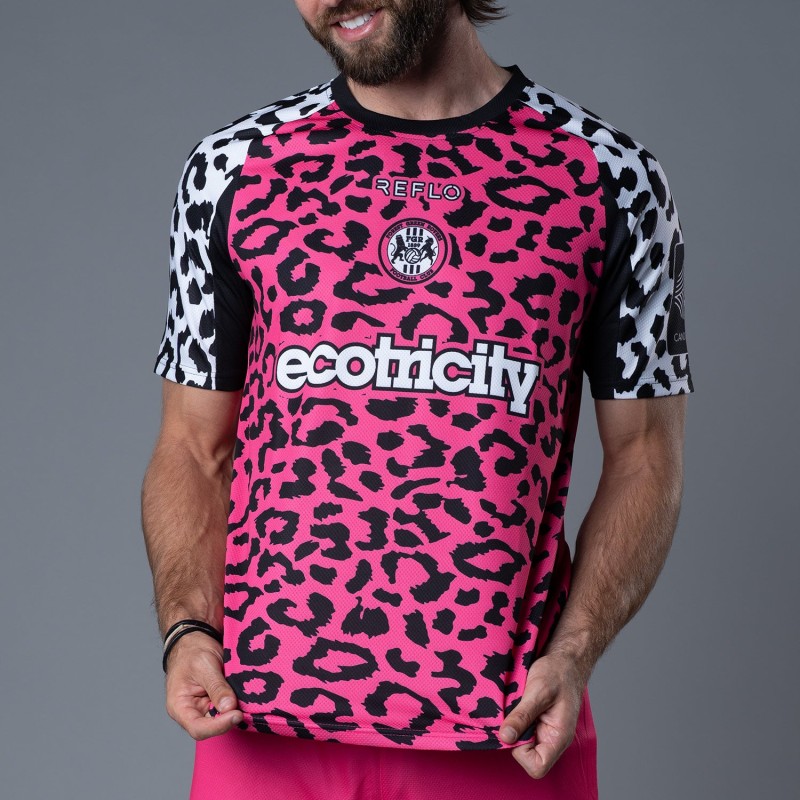
Forest Green Rovers Football Club is a good inspiration, since being bought by the founder of Ecotricity and Ecotalk (a phone company that donates profits to rewilding projects).
As well as the pitch being powered by clean energy and using rainwater to irrigate (a new eco pitch is being built in Gloucestershire), the players wear organic cotton kits (laundered with eco detergents).
Both players and spectators eat vegan burgers and hot dogs, which although controversial at first, soon was popular, as the healthier food had the players winning more matches! Schools can donate old kits to Green Football, to save on waste.
Community Clubs Cutting Waste
Local clubs are joining the push for a cleaner game, refusing single-use plastic bottles and cups, and donating unwanted kits and gear to young fans.
Traditional football pitches have come a long way from muddy fields. Today’s greenest pitches often use organic grass, which is tough and eco-friendly, and also better than plastic (artificial) grass.
Many clubs (including Tottenham Hotspur and Arsenal) have solar panels, and traditional floodlights are being replaced by LED lighting, which uses around 60% less energy.

How fans travel can cut a club’s match day footprint in half, sometimes more. Try these changes:
- Car‑pooling: Sharing a lift with other fans drops the number of cars, slashes parking chaos, and usually sparks better pre‑match chat. Some clubs run apps or simple message boards.
- Public transport: Buses, trains and trams carry hundreds of supporters at once. Clubs sometimes work with transport firms for cheap matchday deals or run shuttle buses from train stations.
- Bike and walk: If you live close, it’s the perfect warm‑up. Many venues added new bike racks and well‑lit paths leading in from local areas.
Many drivers use JustPark app. This lets you find empty parking spaces belonging to people (their garages, driveways or even empty weekend office parking spaces and low-season hotel car parks).
It’s a great way to get cheaper parking, and give passive income to a person who lives near a football stadium, rather to a big car park company.
A Footballer Turned Zero Waster

Earth. Food. Love (Devon) was England’s first zero waste shop, and the founder is also co-founder of ReRooted organic plant milks (sold in returnable glass bottles).
This shop was founded (with his wife) by a former Manchester United footballer. Who says if you told him that he would give up a lucrative career in his late 20s to become a shopkeeper, he never would have believed you!
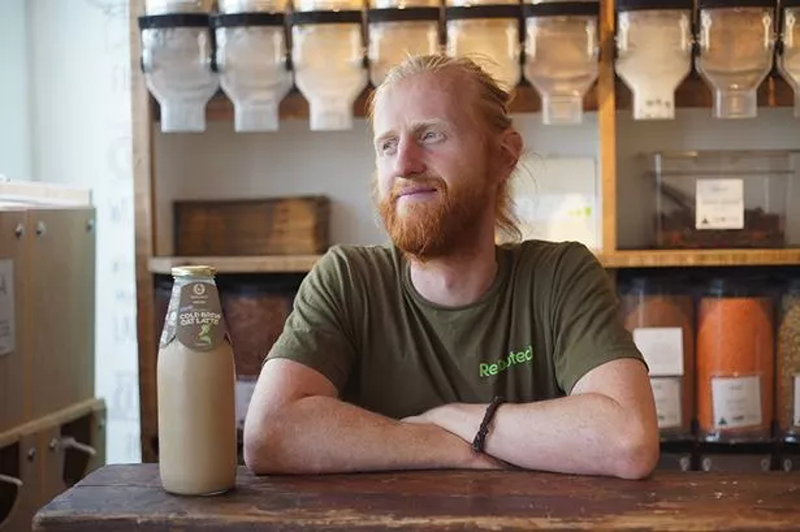
This lovely couple have even created a free downloadable e-book (pdf) to help anyone set up their own similarly successful zero waste shop. It covers everything from location and products, to marketing, pricing, hygiene and payment methods.
In an interview, it’s interesting that the founders say they opened the shop first, then gradually became zero waste, inspired by a similar shop in Berlin. It shows that nobody has to be perfect. Just aspiring to do their best.
Did you know that the first anthem for Wolverhampton Wanderers was created by classical composer Elgar (whose music is often played at Last Night of the Proms?) A devoted fan, he would cycle miles to watch his favourite team. No doubt it was more demure than ‘We’re coming home, we’re coming home, football’s coming home..!’