Forest Green Kitchen (plant-based catering for schools & clubs)
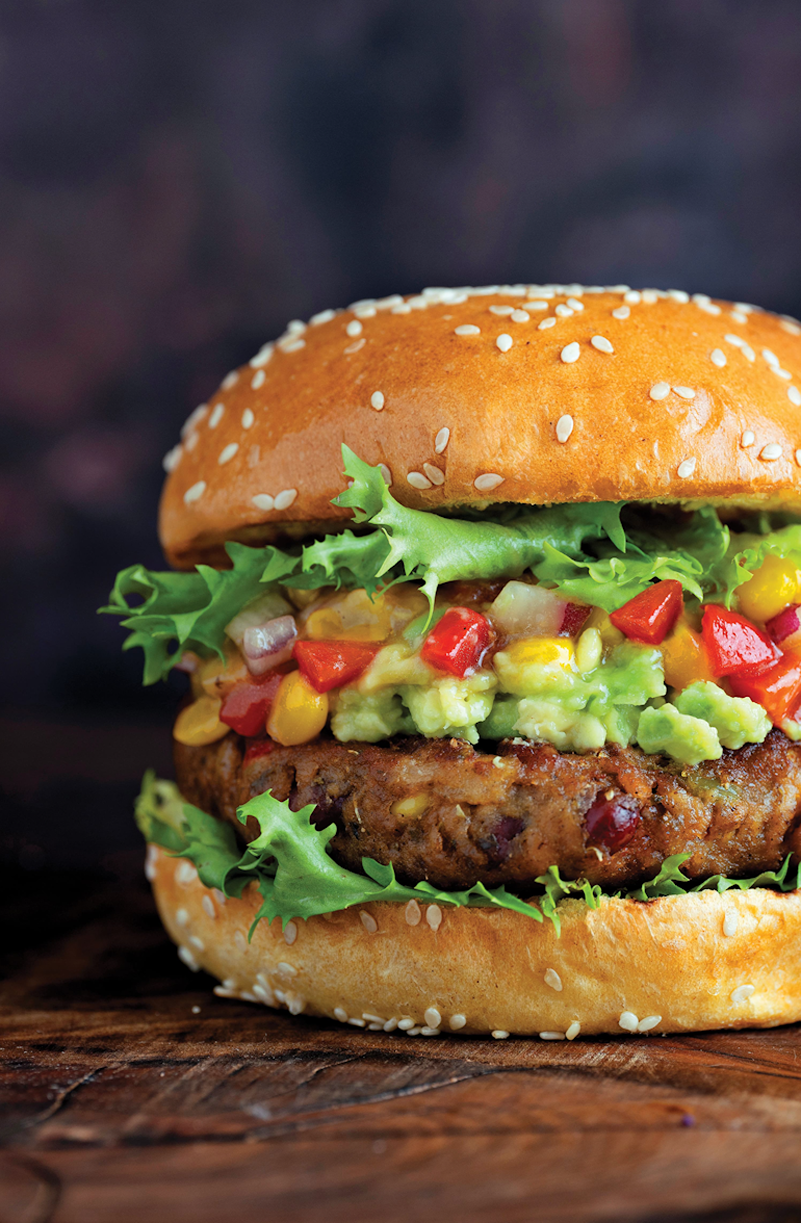
Forest Green Kitchen offers plant-based foods for schools, caterers (including hospitals) and football clubs (the company was founded by the owner of England’s first vegan football club!)
Made in Gloucestershire, the food is free from all major food allergens (and soy) and sold in compostable and recyclable packs. And contains no air-freighted ingredients. Offerings are all high in protein and include:
- Shiitake mushroom burgers
- Jamaican jerk burgers
- Spicy vegan balls
Read info by dietitians on food allergens (they say the top 8 allergens of milk, eggs, soy, shellfish, fish, peanuts, tree nuts and wheat account for around 90% of all allergens, the others being mustard or sesame seeds).
Read up on food safety for people and pets. Bin allium scraps (onion, leeks, garlic, shallots, chives) and tomato/citrus/rhubarb scraps (acids may harm compost creatures).
Same with tea leaves and coffee grounds (due to caffeine).
Fully remove tinned lids (or pop ring-pulls back over holes) before recycling, to avoid wildlife getting trapped.
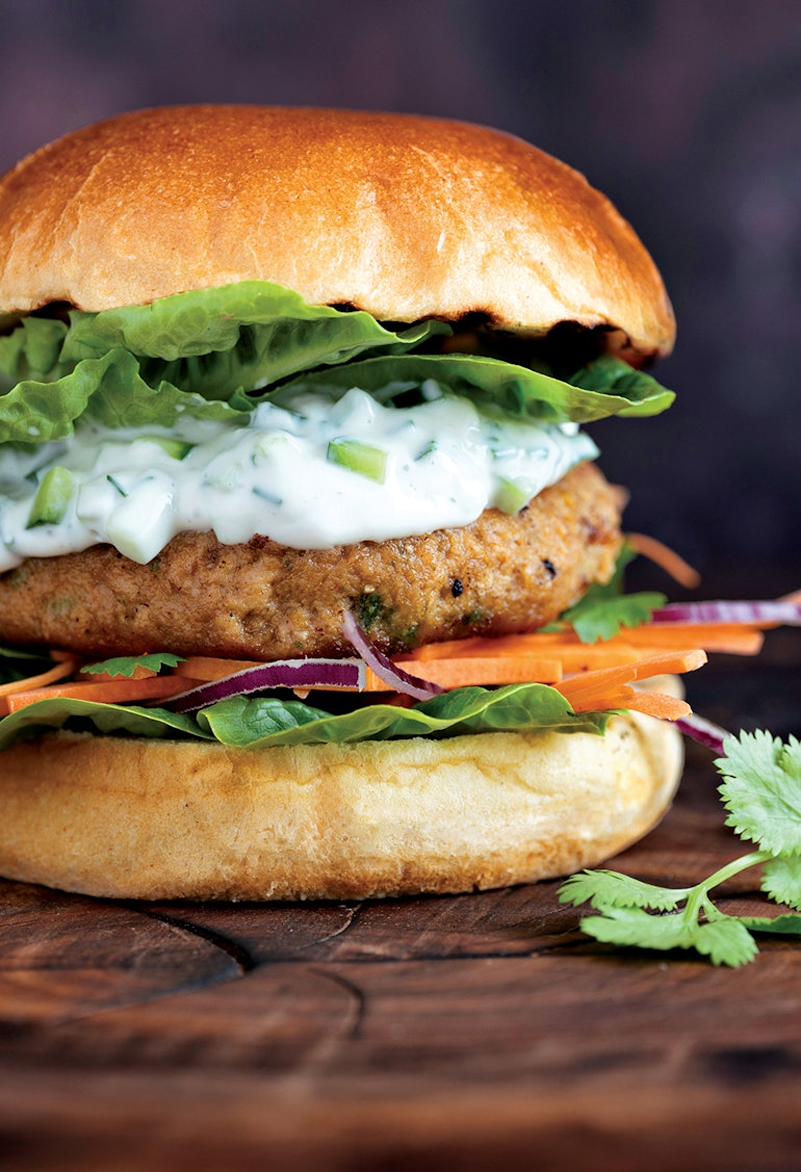
It’s far simpler to just offer good tasty plant-based food for everyone, as it covers all the bases, without having to cook different food for different people:
- It’s suitable for vegans and vegetarians
- It’s good to avoid egg/milk allergies
- Respects religious beliefs (Jews and Muslims can eat most vegan food)
- It’s cholesterol-free and animal-kind
- It’s good for the planet
- It’s often cheaper than free-range meats and dairy
Are School Dinners Any Better These Days?
Since Jamie Oliver’s campaign, there are now stricter rules. But there are still issues. And after years of not being on sale, the ‘revamped’ turkey twizzlers have returned. They’ve had a bit of a makeover, but one child nutritionist says they still are not gold standard eating for young bodies and minds. And obviously not kind to factory-farmed turkeys.
The average UK school dinner costs around £2 to £3, and must adhere to strict nutritional standards, ensuring fresh fruits and vegetables, and all the major nutrients.
Common menu items these days are less ‘sponge with bright pink custard’ and more fruit salads or crumbles, after offering pasta, curry and jacket potatoes.
If you are on a low income, you can apply for free school meals.
Water and/or milk must be available at every meal. Some parents vegan children (and those with allergies or religious beliefs) want NHS Healthy Start Vouchers (for low incomes) to offer dairy-free milk and vegan vitamin D supplements (as well as fresh produce), especially as many African-American children are lactose-intolerant.
Free Breakfasts for Children on Low Incomes
Many children these days live in poverty, and go to school without eating. Tired children find it difficult to study.
Schools can apply to Magic Breakfast Club, which has been serving free school breakfasts for over 20 years. These are pretty healthy and tend to be made with easy-to-store and freeze ingredients like cereals, porridge, bagels and baked beans, along with fresh juice. All the menus comply with strict school standards and are high in fibre.