The Many Benefits of Breastfeeding Babies

linen maternity dress

Pregnancy is a time for self-care as your body changes and your comfort matters. You could simply wear bigger clothes. But for maternity clothing, there are more sustainable choices, like this pretty linen breastfeeding dress. Launder with unscented biodegradable laundry liquid.

The Lullaby Trust has safety information on baby clothing (and bedding). Mostly to not over-heat (babies control temperature through their head and face).

Remove hats, socks and gardens when moving to warmer temperatures (including cars – don’t let babies sleep in car seats outside travel, due to the upright position not being as safe as back-sleeping).

Wearing natural fabrics like organic cotton, hemp and linen are not just good for the planet. But when pregnant, you’ll likely find them more comfortable too, as they let skin breathe, and keep you cooler in hot wear.

And you can safely launder them in machines, without leaching microplastics out of machines, and into the sea. Not something you wish to see in the future, your impending little one!

linen maternity dress

Like hemp, this fabric (from the flax plant) can be grown locally (mostly in Europe). It’s a bit crumply, but as long as you don’t mind a few wrinkles, this is a very comfortable fabric, that gets softer with wear. This linen pinafore dress is made with love and care in Latvia.

Made with stone-washed linen fabric, the skirt-dress has cross-back dungarees that close in front with buttons in four heights, plus two side pockets (available in various colours, order a size up if pregnant).

linen maternity dress

This pretty linen maternity dress has useful pockets, choose from several colours.

Second-Hand and Swapping Schemes

Although it’s not good to buy second-hand baby mattresses etc (due to mould risks),  second-hand maternity clothing of quality is a good buy, so search for locally-owned charity shops for bargains, or online.

Another idea is ‘swishing’, which is when local friends and neighbours meet up to swap clothes they never wear, rather than throw them away. If you belong to an anti-natal class, perhaps you could get together to do the same, but for maternity wear (some may have previous clothing, from births before).

This enables everyone to find clothes they love, that cost nothing. Other than a few non-alcohol drinks and a few nibbles to snack on!

Where To Rent Sustainable Maternity Clothing

my nice pair dungarees

If you can’t afford to buy sustainable maternity clothing (and considering you won’t need it after a few months), renting it is a good idea. You just sign up and rent your favourite pieces, then send them back when you’re done. This also helps to reduce cost, and waste in the fashion industry. Items are usually laundered to industrial standards.

My Nice Pair offers maternity dungarees made from mostly cotton, with a little elastane. In various styles and colours, these can adjust to your waist size. The difference is that you can then send them back in the rezip bags, to replace with other designs.

For items that use a little elastane, launder in a microfibre filter

You can rent dungarees for as long as you like (send them back for professional laundering) and there is also the option to buy preloved dungarees. 

Patterns to Sew Your Own Maternity Clothes

linen maternity gown pattern

If you’re handy with a sewing machine, there are plenty of patterns to choose from, for comfortable and easy-to-customise maternity clothing. Choose nice organic cotton fabric and the clothes will be as comfortable, as they are beautiful.

linen maternity gown

Sewing your own clothes also lets you adjust fit, and add handy features, like extra length or pockets. As long as you know how to sew, it also works out much cheaper than buying clothes. Check out this pattern for a white linen maternity gown.

linen maternity gown

How about these two patterns for stunning evening maternity dresses? Available as instant PDF downloads. Here’s the light blue evening dress pattern.

linen maternity gown

This Hinterland dress sewing pattern is easily modified for maternity and nursing wear. It features three sleeve options, partial or full button-down plackets and inseam pockets, with a loose fit and side bust tarts, with option to remove buttons.

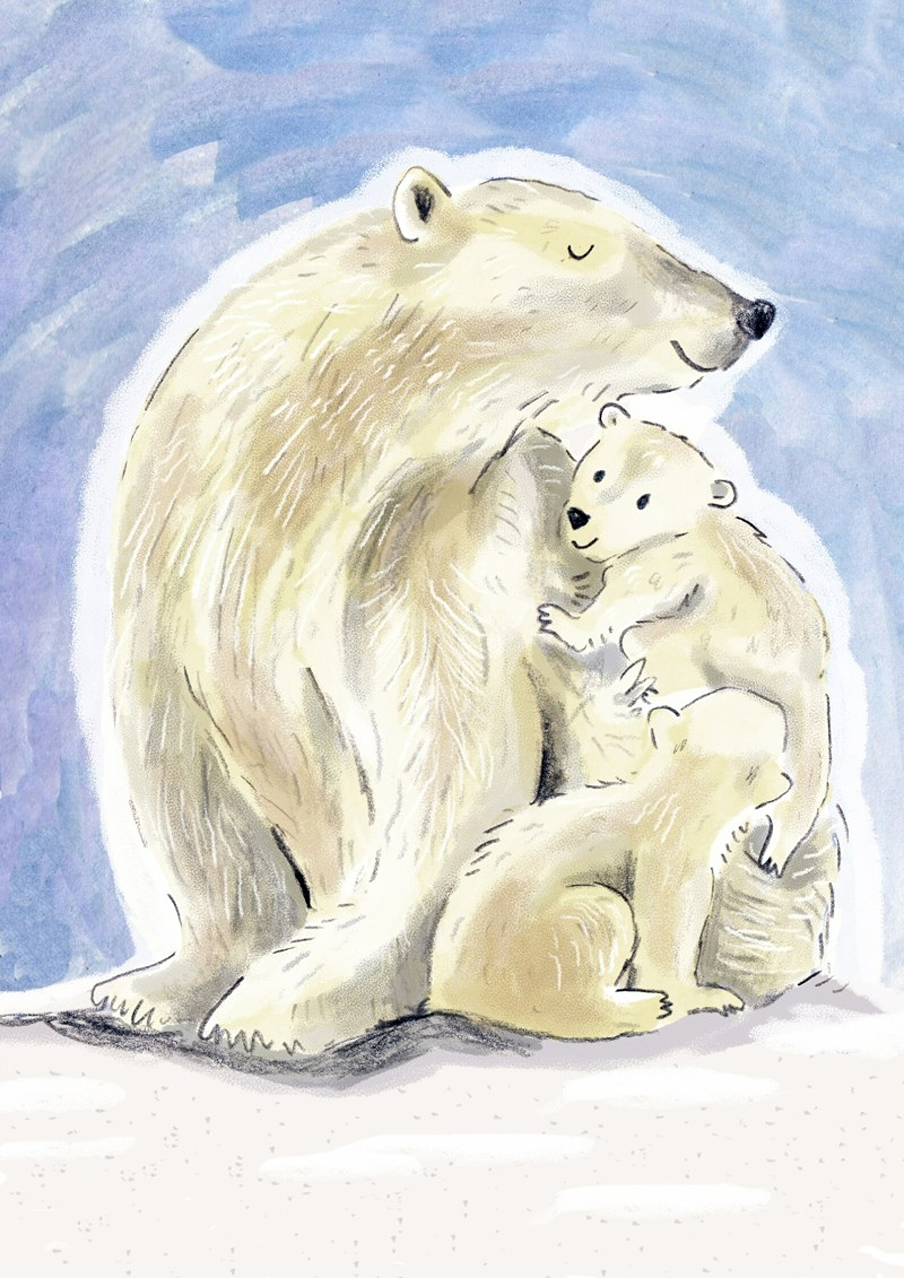
family of polar bears Lucy Pickett

Lucy Pickett

England has one of the lowest breastfeeding rates in the world, yet around 90% of women are able to nurse naturally. It’s of course your choice, but NHS says that breast milk is not just free, but the best nutrition-wise.

And offers better protection from SIDS (sudden infant death syndrome), type-1 childhood diabetes and leukaemia, and also better protects against infections and bowel problems for babies with Down Syndrome.

All health professionals recommend breastfeeding for the first six months (which is why you’ll always hear formula ads saying this). But there are benefits to breastfeeding until weaning, like helping babies to digest food, and avoiding issues with dairy and soy allergies.

Parents can bond with children with bottle-feeding, but breastfeeding also releases oxytocin, a calming hormone, and can even help to return the uterus to its normal size, and helps reduce later life risks of breast and ovarian cancer, osteoporosis, diabetes and heart disease.

Colostrum (the thick liquid produced just after birth) is full of antibodies, protein, vitamins, sugar and fat, crucial to building a child’s immune system.

It also helps flush out sticky poo that babies excrete in the first couple of days of life. Colostrum coats and protects your baby’s gut. Cordelia Uys (breastfeeding counsellor)

You are allowed by law to breastfeeding in public laws. Employers must offer a resting space (like a private room, not public toilets). 

Foods to Avoid While Breastfeeding

As with pregnancy, there are certain foods and drinks it’s best to omit. These include:

  • Caffeine. Best omitted entirely. If you do drink it, no more than 300mg a day (2 mild mugs of tea or one coffee, cola or chocolate – note chain stores tend to be higher in caffeine.
  • Alcohol. Again, it’s best to avoid entirely. If you do drink, wait a few hours (or express milk beforehand, to give later on). Never share a bed (nor sleep on the sofa) with a baby if you (or anyone) has been drinking. This is linked to SIDS (sudden infant death syndrome).
  • Limit (or omit) fish. If you eat fish, no more than 2 weekly portions of oily fish (fresh tuna, salmon, trout, mackerel, herring, sardines, pilchards). And no more than 1 weekly portion of swordfish, marlin or shark. There are plenty of plant-based fish alternatives in shops today. It’s easy to eat omega 3s without fish and mercury.
  • Peanuts? Health experts say that there’s no evidence that you need to avoid peanuts or peanut butter, unless you’re allergic. But do choose organic brands free from palm oil.
  • Dairy milk? Many babies are allergic or intolerant to cow’s milk and/or lactose, so your GP or midwife may recommending avoiding it, for some babies with eczema, blocked nose, skin reactions, tummy ache or constipation. Again, there are plenty of plant-based calcium-rich foods (green leafy veg, dried figs, calcium-enriched foods).

How to Prevent & Treat Colic

Colic is a common condition for young babies, which usually remedies itself within a few months, usually recognised by crying for hours with clenched fists and arched backs (and knees pulling into tummy).  It’s caused by windy tummies, being bored or being too hot or cold:

Crib death charities recommend removing extra clothing like hats when coming into warmer temperatures (inside, cars etc). The Lullaby Trust has more info on SIDS prevention.

Sometimes colic can be remedied by holding your baby upright when feeding, with regular ‘burping’ (babies should always sleep on their backs anyway, to prevent SIDS). NHS says NOT to raise the head of your baby’s cot or Moses basket.

For warm baths to soothe colic, run cold water first (then add hot water), testing with wrist or elbow. Keep baby’s head clear of water. Don’t bathe after feeds, or if hungry/tired. 

NHS has a good 2-minute video. Never leave babies or children alone for a second. Avoid baby seats, these can quickly detach, and drown babies in just a few centimetres of water. 

Why Less Breastfeeding in England?

So why does England have such low breastfeeding rates, when NHS and WHO both recommend it as the best option? In Norway, 70% of babies are breastfed, yet just 30% of UK babies (and hardly any at 12 months, compared to 99% in Senegal).

Not breastfeeding also leads to more ear, chest and throat infections, which adds £50 a million to NHS budgets.  Breastfeeding counsellor Cordelia Uys believes that considering the UK gets fairly good maternity leave, the only reason is simply culture, where women’s breasts are seen more as objects for ‘lads’ mags) rather than their intended purpose.

Breastfeeding is a learned culture (all species teach new mothers how to breastfeed). The sad story of a zoo gorilla proves this. Her baby died, as she had no wild gorillas to teach her how to nurse. When her second baby was born, local mothers visited and breastfed in front of her. She copies them, and her second baby survived.

When her second baby was born, local mothers visited, and breastfed in front of her. She copied them, and her second baby survived.

Although formula companies have to legally state that breast milk is the best choice for the first six months, most then start promoting formula, when it’s not needed. The two main brands ((Cow & Gate and SMA) are respectively owned by Danone (a massive plastic pollutor) and Nestlé (one of the world’s most boycotted companies).

Getting breastfeeding advice from formula companies, is like chickens getting advice from foxes. La Leche League International

How to Express and Store Breast Milk
silicone breast milk trays

The chemical BPA is now banned for plastic baby bottles, but you can find good alternatives, to store expressed milk. Dr Brown’s Glass Baby Bottles feature award-winning vent systems to reduce colic, spit-up, burping and gas by eliminating air bubbles. They are heat-resistant, with silicone covers to keep hands cool.

Despite saying the bottles are microwave-safe, never microwave baby milk (or pet food). As it heats differently, and causes ‘hot spots’ that could scald the mouth and throat. 

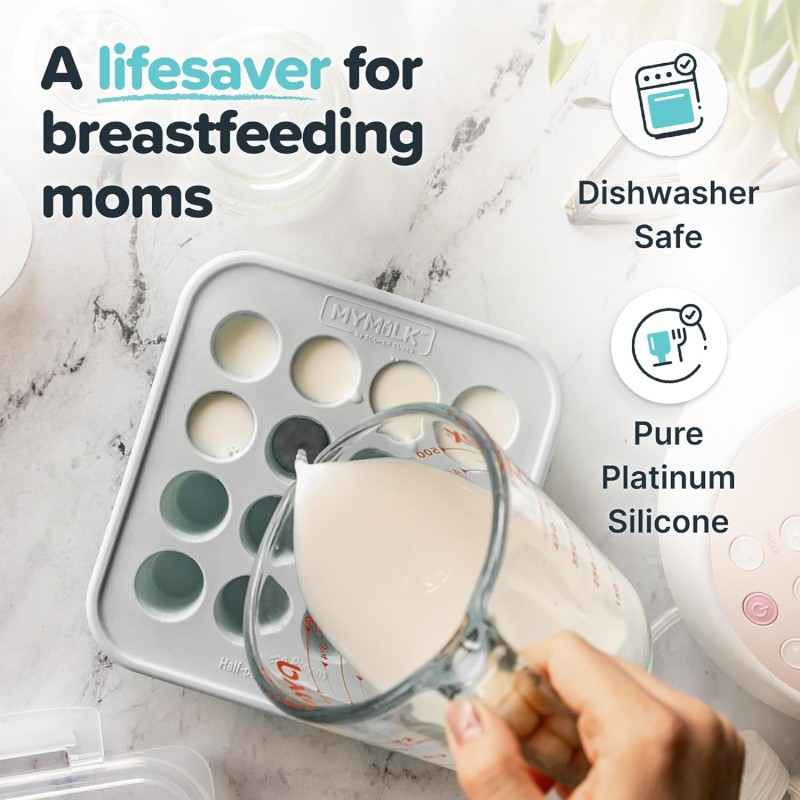
silicone breast milk trays

MyMilk Breast Milk Trays were created by a mum and her engineer husband. Originally designed to store frozen soup (you can buy those in Lakeland stores), these are presently only sold in the US, but it’s a one-time purchase (and once your baby is weaned, you can use them to store frozen minced garlic or ginger).

Made from silicone, each pack includes 2 reusable trays to freeze breast milk, with a storage guideline magnet. Just pour breast milk into the tray, close the lid and store in the back/bottom of the freezer (not the door, due to variable temperatures), with the date labelled.

When you need breast milk, drop the cubes in your baby bottle, then thaw overnight in the fridge (or place in warm – not hot – water, ready to use). You can sanitise the  tray in boiling water.

Donate to a Human Milk Bank

Around 2% of new mothers are unable to breastfeed, due to either medical conditions or having had mastectomies. As breast milk is on ‘supply and demand’ (so you never run out), the best choice for these babies is by far donated breast milk from other mothers.

Especially for preemies (premature babies) who usually have delicate guts. Donated (frozen) breast milk is screened (just like blood for AIDS, hepatitis, syphilis etc) then collected from your home. Just a few ounces can sometimes save the life of a premature baby.

You cannot donate breast milk if you (or someone you live with) is a smoker or vaper, and you must inform of medications. On acceptance, you are sent a pack with a thermometer to ensure your freezer is the correct temperature. Find your local milk bank.

If Used, Which Baby Formula to Trust?

If you use infant formula, transition gradually, to avoid upsetting delicate tums. For dairy allergies, talk to your midwife as there are few commercial options available, in the UK. Abroad:

Else Nutrition (US) is approved by doctors, created to help a child with serious allergies, and is ‘shaking up a stagnant industry’ with a Toddler Formula based on buckwheat/almonds that is rich in fatty and amino acids. It contains as much of all the normal nutrients in cow’s milk, but without the dairy.

In Australia, Sprout Organic was again created when a woman had to give up nursing, due to severe mastitis. This brand again has doctor approval, sold as a range for babies, toddlers and children’s shakes. It’s made in a facility that process dairy  and soy, so not for allergies. 

If you use dairy formula, Kendamilk is made with organic milk from the Lake District, run by a family firm and formulated by expert nutritionists. It’s also free from palm oil, fish oil and cheap fillers.

Issues with Marketing of Formula Milk Abroad

African mother Alena Kalchanka

Alena Kalchanka

World Health Organisation is at the forefront of a campaign to end the exploitative and aggressive marketing of formula milk to mothers in developing countries.

In a survey with UNICEF, it found that over half of parents and pregnant women in the world have been targeted from formula milk companies, often breaching international standards on infant feeding. All to help profit, rather than listen to science from health professionals.

Some formulas companies give ‘free’ formula to poverty-stricken new mothers in African hospitals. When they return home they can’t afford to buy it. So sometimes use lesser amount or mix it with dirty water. Either way, this can make babies or ill, or some die. WHO estimates this causes up to 800,000 deaths of babies each year, who can mostly safely be breastfed.

Most African people are also lactose-intolerant, so it’s not a good idea healthy-wise, to market dairy formula anyway.

Unless there are medical reasons not to, most women can breastfeed. And the benefits of breastfeeding are widely known, both for the health of the baby and mother (including a lower risk of cancer in later life).

The formula milk industry (worth billions) often tries to influence the feeding decisions of parents, often making claims that violate the International Code of Marketing of Breast-Milk Substitutes, a public health agreement passed by the World Health Assembly in 1981.

Breastfeeding within the first hour of birth (followed by exclusive breastfeeding for six months and continued breastfeeding for up to two years or beyond) offers a powerful line of defence against all forms of child malnutrition, including wasting and obesity.

Breastfeeding also acts as babies’ first vaccine, protecting them against many common childhood illnesses. World Health Organisation

Watch Tigers, the story of how a former marketeer takes on his old employers, backed by a breastfeeding charity. When he learns that infant formula may be causing some babies to die, he immediately resigns and is now on a mission to stop the practice.

For babies in developing countries with cleft palate and other conditions that make breastfeeding difficult, medics have created Nifty Cup. This simple device lets babies ‘lap’ milk’ rather than having to use formula.
Maternity Clothing with Breastfeeding Panels

Frugi mother

Frugi (a Cornish children’s clothing brand, we don’t recommend their footwear as it’s made with leather)) also have a range for grownups, made mostly from organic cotton. Sent in sustainable packaging.

For items that use a little elastane, launder in a microfibre filter. Launder with unscented biodegradable laundry liquid.

The Lullaby Trust has safety information on baby clothing (and bedding). Mostly to not over-heat (babies control temperature through their head and face).

Remove hats, socks and gardens when moving to warmer temperatures (including cars – don’t let babies sleep in car seats outside travel, due to the upright position not being as safe as back-sleeping).

Frugi mother

What makes these award-winning clothes so special, is that they have clever hidden panels for discreet breastfeeding, so make a good investment, after you’ve given birth.

Frugi for grownups

When your child is born, Frugi also offers clothes for new mums in the same organic fabrics, often with matching styles for children.

Second-Hand and Swapping Schemes

Although it’s not good to buy second-hand baby mattresses etc (due to mould risks),  second-hand maternity clothing of quality is a good buy, so search for locally-owned charity shops for bargains, or online.

Another idea is ‘swishing’, which is when local friends and neighbours meet up to swap clothes they never wear, rather than throw them away. If you belong to an anti-natal class, perhaps you could get together to do the same, but for maternity wear (some may have previous clothing, from births before).

This enables everyone to find clothes they love, that cost nothing. Other than a few non-alcohol drinks and a few nibbles to snack on!

welcome to the world Alex Clark

Alex Clark

Pregnancy and childbirth are of course natural, but in this day and age, getting a little help from modern medicine is often advised, for complications like gestational diabetes or pre-eclampsia. This makes both safer, with highly trained midwives and follow-up support.

The Positive Birth Company offers apps and courses for an easier birth.

Founded by a woman trained in hypnobirthing (after her own difficult birth that involved a lengthy induction and forceps delivery), this company offers courses accredited by the Royal College of Midwives, for pregnancy, hypnobirthing and post-partum.

Defining Natural Childbirth

new baby card

Eco-Friendly Cards

Natural childbirth simply means delivering a baby without medication or surgical procedures, without relying on interventions like epidurals or C-sections.

This is great in theory, but sometimes for the safety of both baby and mother, intervention may be needed.

NHS site has an overview of different types of childbirth. It does not recommend water births  for high-risk pregnancies.

Though statistically as safe, in rare cases there has been cases of drowning, waterborne infections, breathing problems and rupture of the umbilical cord. Also read why breastfeeding is (nearly) always best.

National Childbirth Trust has good information on labour and birth, with pain relief options. To reduce risk of stillbirth and miscarriage, expert advice includes:

  • Eat well, and avoid smoking and alcohol. Avoid caffeine or reduce to no more than 1 cup of mild coffee or 2 cups of tea daily (avoid cola). Most coffee house drinks are higher in caffeine, so reduce accordingly.
  • Obviously eat well and avoid smoking or alcohol. Also limit caffeine (no more than 1 cup of coffee or 2 cups of mild tea per day – ideally none). Know that ‘coffee shop’ drinks are higher in caffeine.
  • Protect against infections like flu (wear a mask).
  • A baby’s movements should increase up to around 32 weeks, then stay static until the due date. If something is not normal, contact your GP immediately. Attend all ante-natal appointments.
  • Try not to sleep on your back, as this can compress your inferior vena cava (large vein) which reduces blood flow to a baby. The Lullaby Trust has info on the safest ways for babies to sleep, to reduce risk of crib death (they do not recommend cot bumpers).
  • Preemie Care is a guide by experts on navigating the first year, if you have given birth to a premature baby.

Foods to Avoid When Pregnant/Nursing

Pregnant (and breastfeeding) women must avoid certain foods to keep them and babies safe. Also wash soil off salads and vegetables and avoid caffeine. Ensure food is well-cooked. Read more on food safety for people & pets.

Foods to avoid include:

  • Alcohol and caffeine
  • Some herb teas (check labels)
  • Raw meat, liver and cold-cut meats (salami, prosciutto, pepperoni, chorizo)
  • Game meats (goose, partridge, pheasant)
  • All pâté (including vegetarian pâté)
  • Raw or partially cooked eggs
  • Liquorice and liquorice root
  • Too much ginger (contracts uterus to cause early labour)
  • If you eat fish: avoid raw fish, and no more than 2 weekly portions of oily fish or tuna steaks (no more than 4 cans of tuna)

Pregnancy Supplements in Sustainable Packs

hello little one Alex Clark

Alex Clark

Dr Vegan Pregnancy Multinutrient is designed to support maternal health and foetal development across every trimester, and help through breastfeeding. Pair with a balance diet and add an algae-based DHA supplement to cover omega‑3 needs for brain and eye development. If you are sensitive to iron, take the capsules with the main meal or split the dose.

Check with GP before taking supplements if on medication or other supplements (or if you have any other medical issues during pregnancy/nursing). Keep away from children and pets.

When to Consult Your Doctor

  • You have thyroid conditions, anaemia, diabetes or gastrointestinal disorders.
  • You are carrying twins or more.
  • You take anticoagulants, thyroid medication or high-dose supplements.
  • You experience persistent nausea, vomiting or constipation from supplements.
  • You are unsure about combining a separate DHA, choline or iron product.
  • Do not increase the dose unless advised by your clinician. If you take separate iron or iodine, check combined totals with your midwife or GP.

This formula is built for pregnancy, not for general wellness. It provides 27 vitamins and minerals with dosing that reflects pregnancy needs, from folate for neural tube development to iodine for thyroid health. It uses absorbable forms, for example Calcium L‑methylfolate for folate, methylcobalamin for vitamin B12, and citrate or glycinate salts for minerals. These choices matter because they support bioavailability and tolerance.

It also aligns well with UK guidance. The NHS recommends 400 micrograms of folic acid daily until week 12, a daily vitamin D supplement, and avoiding preformed vitamin A from retinol. This product provides 400 micrograms of folate in the active L‑methylfolate form, 25 micrograms of vitamin D3, and vitamin A as beta‑carotene, not retinol.

That last point is reassuring for pregnancy safety. Iron sits at 15 mg per daily serving, which tracks the UK reference intake for women, and iodine is 150 micrograms, a level widely recommended for pregnancy.

A Plastic-Free Pregnancy Test Kit

Hoopsy Pregnancy Test is unique in that it’s a medically approved pregnancy test (99% accurate). but this one is made from 99% paper, and easy to use.

It can be used up to 5 days before your period is due, and is easy to write on, if you want to record the day you took the test. Contains 5 tests (also in a 10 pack and 3 pack).

The test gives results in 5 to 10 minutes (depending on how diluted urine is). And takes up less space in landfill than plastic tests, if it’s throw in the bin.  So it doesn’t take decades to break down, like plastic pregnancy tests.

This test has been approved for sale in the UK and EU by the medical authorities (MHRA and CE). The test is easy to read (positive, negative or invalid – which may mean you didn’t follow the instructions).

To use, just open the test pouch and hold the end with the Hoopsy logo. Put the other end in your urine stream for 3 to 5 seconds, being careful not to pee over the MAX line! Put the test on a flat surface, with the printed side up.

Then wait 5 to 10 minutes, to read the result. Do not read the result after 10 minutes.

A Book of Safe & Smart Prenatal Exercises

training for two

Training for Two is a book of safe smart prenatal exercises, written by a fully qualified personal trainer. Many women often find they comfort eat during pregnancy, and end up ballooning in weight, which they then find difficult to lose after their babies are born. This book can help!

Organised by trimester, this book helps to prepare your body for childbirth, then uses strength-based exercises that are safe to perform in most cases, and can even lead to a smoother delivery, faster recovery and healthier new-born.

Back by research, this book features over 200 photos to help you perform the movements with confidence and absorb the material. You’ll find:

Common strength exercises like squats, deadlifts, lunges and rows, modified to be safe and comfortable, while pregnant.

  • Easy exercises and workouts to prepare the body for labour.
  • An overview of common pregnancy complications, and how they affect exercise.
  • A postpartum chapter on recovery and mobility, in the first six weeks after birth.
  • What to expect (and what questions to ask) at prenatal appointments.

Gina Conley holds an MS in Exercise Science and is the founder of an industry-leading perinatal fitness training facilities in North Carolina, USA. She is also a birth doula, who has supported nearly 200 births in the state.

Support for Bereaved New Parents

The charities SANDS and CRUSE offer free bereavement services (use the Baby Mailing Preference service to remove junk mail related to baby items, to avoid further upset).

The charity Dresses for Angels creates beautiful ‘Angel burial gowns’ from people donating wedding and bridesmaid dresses, so contact them if you have a lost a baby.

Hoopsy (a plastic-free pregnancy test)

Hoopsy plastic-free pregnancy test
Hoopsy Pregnancy Test is a medically approved pregnancy test (99% accurate). But unlike most, this is made from 99% paper (over plastic). It can be used up to 5 days before your period is due, and is easy to write on, if you want to record the day you took the test. Contains 5 tests (also in a 10 pack and 3 pack).

The test gives results in 5 to 10 minutes (depending on how diluted urine is). And takes up less space in landfill than plastic tests, if it’s throw in the bin.  So it doesn’t take decades to break down, like plastic pregnancy tests.

This test has been approved for sale in the UK and EU by the medical authorities (MHRA and CE). The test is easy to read (positive, negative or invalid – which may mean you didn’t follow the instructions).

To use, just open the test pouch and hold the end with the Hoopsy logo. Put the other end in your urine stream for 3 to 5 seconds, being careful not to pee over the MAX line! Put the test on a flat surface, with the printed side up.

Then wait 5 to 10 minutes, to read the result. Do not read the result after 10 minutes.

Natural Skincare for Pregnancy

Lucy Bee brilliant balm

There are many brands of mum-friendly skincare on the market, but most of them are not that safe, as they contain dangerous chemicals and lots of essential oils (not needed for pregnancy, and most of what goes on hour skin ends up in your bloodstream, which may not be good for your baby). Here are some better choices. Also read of natural baby skincare.

Lucy Bee’s Brilliant Balm is sold in a glass jar with a metal lid. This multi-purpose balm can be used for all kinds of things, and it’s fragrance-free too. Contains oils of jojoba, calendula, apricot, coconut, rosehip and almond. Can also be used to remove make-up.

Avoid nut oils for allergies. Avoid essential oils for pregnancy/nursing and affected medical conditions. Avoid shea butter for latex allergies.

Lucy Bee brilliant balm

An Organic Stretch Mark Oil (with calendula)

organic stretch mark oil

This organic stretch mark oil is ideal for all skin types, and good to use during and after pregnancy, to help reduce the appearance of stretch marks. Made with sunflower seed, sweet almond, apricot kernel and avocado oil.

All Dr Organic products are made with natural ingredients (any fragrance is a blend of essential oils with natural extracts) and sold in easy-to-recycle packaging (made from recycled plastic). Everything is vegetarian (on this site, we only list vegan-friendly items).

Stretch marks are harmless, and gradually fade, simply caused by the skin stretching during pregnancy. They usually also fade over time. They can also be caused by gaining a lot of weight. There are no ‘miracle cures’ so don’t believe the hype.

You can remove them through beauty treatments, but these are not on the NHS. The best way to prevent stretch marks is simply not to allow pregnancy be the excuse to gain massive amounts of weight, through eating too much!

Pai Stretch Mark Oil is fragrance-free, made with pomegranate and pumpkin seed oils. Packed with omega oils, apply each morning in circular motions to clean dry skin. You can keep the mailer and repurpose it to send it back packaging freepost for recycling.

An Organic Nipple Balm (for breastfeeding mums)

organic nipple balm

This organic nipple balm for breastfeeding mums is made with natural vegan ingredients, sold in easy-to-recycle packaging. Made with sunflower, coconut, rapeseed and oat kernel oil, along with shea butter.

This is good for sore cracked skin, and unlike most brands, this contains organic calendula, but no lanolin (sheep). Also good for dry and cracked elbows, knees and lips.

modern floral lavender Whistlefish

Millions of men and women use some form of contraception to delay or avoid pregnancy. But the contraceptive pill has many health issues, plus it pollutes the environment (changing the sex of some fish when oestrogen-rich urine is flushed away) and as a medical product, is tested on animals.

Is the world overpopulated? Yes, but it’s over-consumption that is more of an issue. One large family living on a remote Pacific island, is likely consuming less resources than the average UK or American teenager.

Many faiths (not just the Roman Catholic church) do not agree with abortion (and some contraception). So hopefully one or more of these methods will suit everyone of any belief.

Also read our post on plastic-free pregnancy tests. If you do fall pregnant, read our posts on pregnancy and childbirth.

No contraception is 100% effective against pregnancy or sexually-transmitted diseases (only abstinence).

Despite our sex-obsessed society, it’s quite a healthy alternative as there are lots of other interesting ways to enjoy life too!

Stats show that actually those who ‘wait until the right person comes along’ tend to have happier relationships and less chance of divorce (and better sex lives) than those who don’t wait. And also don’t suffer the emotional consequences of feeling hurt or angry, when relationships don’t work out.

Women who abstain from sex until post-teen years also have less chance of sexually-transmitted diseases, that can lead to cervical cancer and infertility. Nuns for instance, have a hugely reduced risk of cervical cancer, compared to the general female population.

For those that do use contraception, here is a quick lowdown of the natural methods available.

It is very important to follow the methods correctly. Those who criticise say apps for becoming pregnant, is often due to simply not following the methods – court cases have proved this.

NHS has a suite of information on natural family planning, which should be done alongside a trained practitioner, for accuracy.

CycleBeads were created by reproductive researchers at Georgetown University in Washington, USA. Available as beads or app-form, these tell you the days you are more likely to get pregnant. The beads are used in Africa, as they are cheap and respect religious beliefs.

Natural Cycles (created in Sweden) has over 3 million users and FDA approval, but some have criticised its subscription-based model. Like most apps, it measures basal temperature to determine ‘green and red days’ (abstain or use alternative methods when fertile). Read the FAQ for more info.

Not suitable for people already on hormonal contraception (it could affect results). A similar app is Daysy.

Lady-Comp is a German-invented fertility tracker, which again measures basal temperature. It may not work for some hormone-related medical conditions.

Period tracker apps are not ‘to prevent pregnancy’ but can help you get to know your cycle. Flo.Health is used by 77 million women, and has a team of over 100 doctors, scientists and medical experts who review all information. Clue is cleared by the FDA.

FemCap is a reusable hormone-free alternative to the cervical cap. This has FDA approval and is available on prescription, with around 92% effectiveness.

If you need lubricants, YES! offers an organic brand free from usual nasties. Sorry if this is a bit rude, but it’s important to list the ethical alternative, to save marine creatures – yes!

We Need to Talk is an empowering book for girls and teens, for them to get to know their body. This is not some narcissistic book by a celebrity influencer, instead by a qualified doctor from Chicago, without media or religion (it covers same-sex relationships).

Eco-Friendly Vegan Condoms

Xo! condoms

Never flush condoms down the loo, they are a common form of beach litter that also leads to blocked drains and garden floods.

Never leave condoms lying around near pets, as most contain pet-toxic zinc oxide. Also found in natural cosmetics and sunscreens (so wash off skin, before letting pets kiss you). 

XO! is a vegan-friendly brand of condoms (most contain casein from milk) that are free from fragrance, and made from Regenerative Rubber Initiative, a co-operative of small agro-foresters). This brand was founded by two women of colour, who donate 5% of profits to people and planet.

Two other brands are Hanx (co-founded by a gynaecology doctor and investment banker – these are CE certified and sold in discreet letterbox friendly packaging) and Fair Squared.

Similar Posts