Be nice to ants (they’re good for your garden)
Ants are among the most fascinating creatures on our planet. These tiny but mighty insects thrive in diverse environments, from dense forests to bustling urban streets.
Their sheer numbers and variety are astonishing, over 12,000 species! Ants play vital roles in our ecosystem, and understanding their significance can deepen our appreciation for the natural world around us.
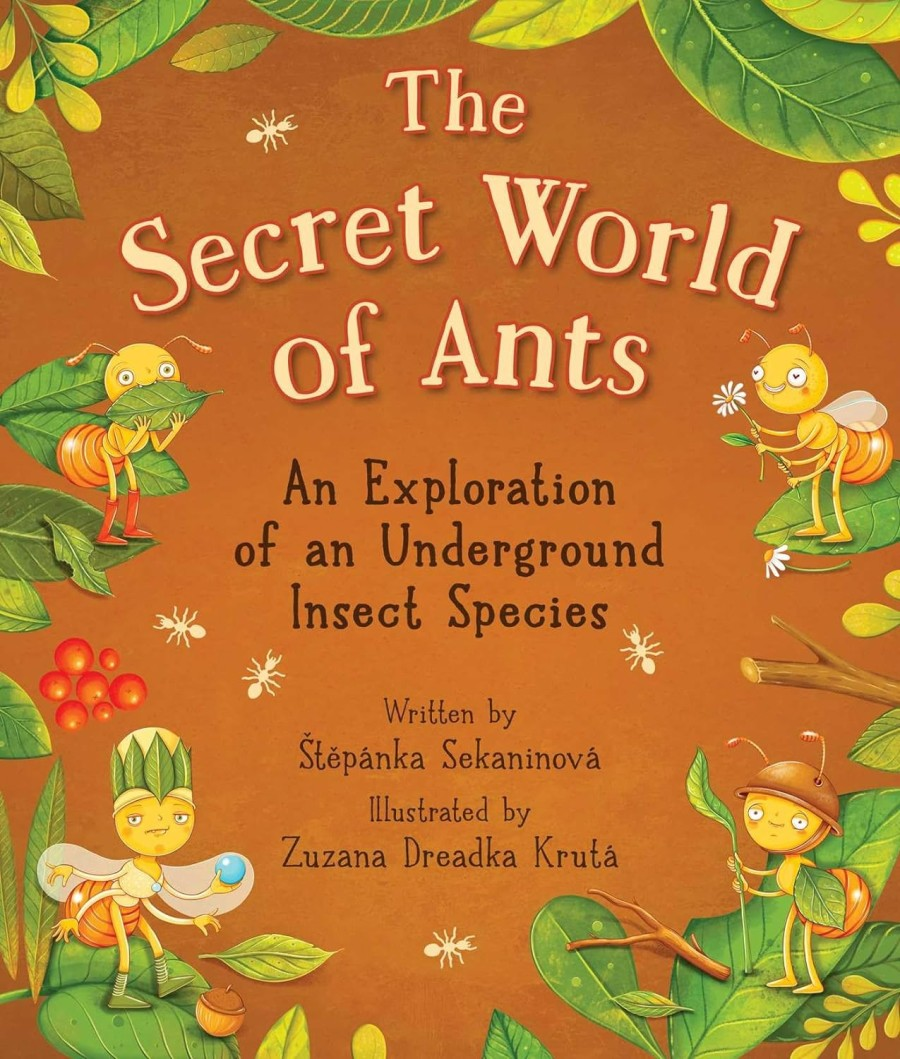
The Secret World of Ants is a fully illustrated exploration of one of the world’s most hardworking species! Ants build hills with tunnels below the ground, and are so strong, they can lift 50 to 100 times their own weight (like us carrying an adult cow or a bus!)
These skilled leaf-cutters are tiny but fascinating creatures, and this book is a love letter to some of the most incredible creatures on earth.
Ants are so common there are more than any other creature on earth. If ants are injured, they send out pheromones and other ants take them back to the Queen to try to repair injuries, but usually only if from the same colony.
Lone ants are always trying to find their colony, or else without work their lives have no purpose.
Ants help your garden to grow!
Ants work in the soil, moving seeds and breaking down plant matter. Their tunnels let air and water reach plant roots, which helps plants grow stronger.
By cleaning up dead leaves and insects, ants also recycle nutrients that would otherwise go to waste. A healthy ant population can mean better soil, which leads to brighter, stronger gardens for all.
Ants are natural pest controllers
Ants love to eat the eggs and larvae of insects that harm crops and flowers, such as caterpillars, beetles and flies. In this way, ants offer natural pest control, reducing the need for chemicals in the garden or on farmland.
Letting ants do their job keeps gardens safer for pets, children and other wildlife. Read our post on pet-friendly gardens.
Ants provide food for other creatures
Many birds, lizards and small mammals depend on ants as a major food source. If we harm ant colonies, these animals lose an important part of their diet.
Keeping ants safe helps support bigger creatures as well, keeping the whole food chain strong.
Ants clean up all the rubbish!
Ants are nature’s cleaners. They collect bits of food, dead insects and even animal remains, keeping outdoor spaces tidy and slowing the spread of disease.
Without ants, we’d see much more waste piling up in parks and woodlands.
Ants deserve our respect!
Ants may be small, but they work together in ways that few animals can match. Their busy, careful lives show the value of teamwork and simple, honest work. When we treat ants with kindness, we show respect for all creatures and learn to care for the world at every level.
How to humanely deter ants
Don’t leave sweet foods or protein foods laying around. Using essential oils or vinegar will likely harm ants (and if not rinsed away can harm other creatures).
Ants leave pheromone trails behind, so use unscented dishwash liquid with warm water to remove scents, vacuum thoroughly and clean emptied bins.
Most ants disappear naturally, when the weather cools. For flowers covered in ants, some people suggest just laying flowers on newspaper and the ants will leave, as they don’t like the scent of printing ink? Obviously the best way to deter ants from coming into homes, is to seal up entrances before this happens.
Always take ant killer liquids to hazardous waste at household tip, for proper disposal. This is also safer for all the family to get out of house and garden.
What to do if you find a lone ant?
So now you know that ants live to work as part of the colony, what do you do if you find a lone ant? If it within around 50 metres (on a clear trail without obstacles), it should be able to scent its way back, so leave it alone.
You may see an ant you think is lost. But nearly always there are ants nearby, hidden under pavement cracks.
It there are no other ants nearby, the ant will likely walk around until he dies (if you place him somewhere else, he will still die or get killed by another colony). This is sad, but the body serves as food for other insects, birds and spiders, as part of the ecosystem.