Ditch the Plastic: Zero-Waste Feminine Care Brands
DAME. Period Cup (self-sanitising)
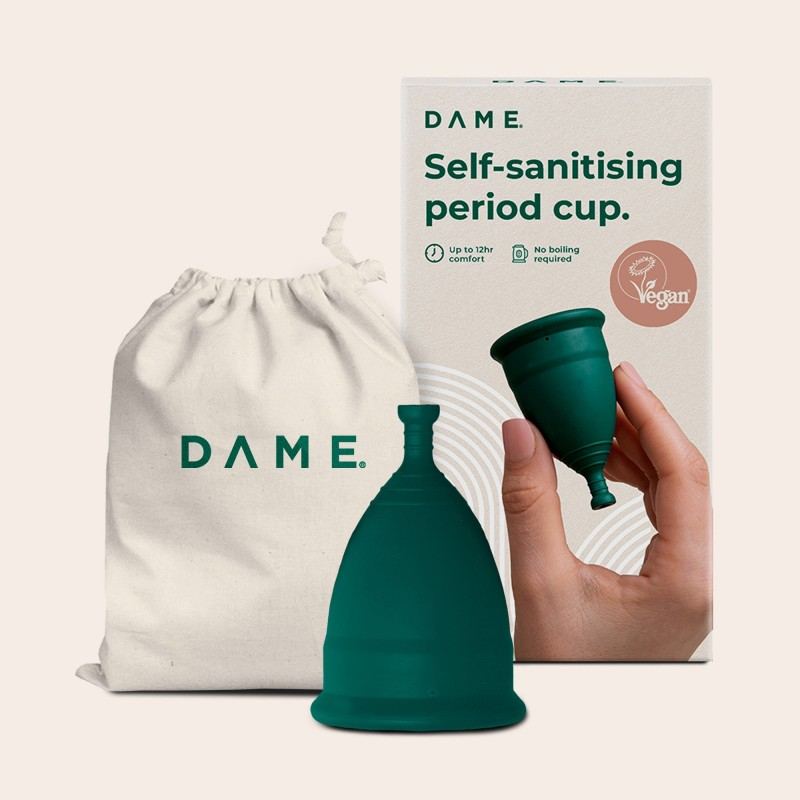
DAME. Period Cup is made from medical grade materials, designed to replace disposable tampons, and one purchase should last you years. Easy to use and clean. Just rinse and re-use due to sanitising coating. Sold in 2 sizes (depending on age and childbirth history).
This menstrual cup stays put due to a vacuum seal. Then after removal, just rinse with cool water until clean, using gentle soap if needed. The dry and keep it in the optional storage bag. Unlike some brands, you don’t need to boil this period cup between uses.
Avoid tampons (or menstrual cups) for at least 8 weeks after childbirth. Always bin used feminine care and wrappers (even if compostable, as they could clog pipes).
How does this period cup stay clean?
DAME. Period Cup is powered by natural, biocide-free Saniconcentrates™, so it’s resistant to 99.9% of bacteria and viruses, tested to ISO 22196. This in plain English means it stays clean, with no need for sterilisation or boiling. The concentrates are integral in the material, so won’t rub off or degrade over time.
DAME. Organic Cotton Tampons and Pads
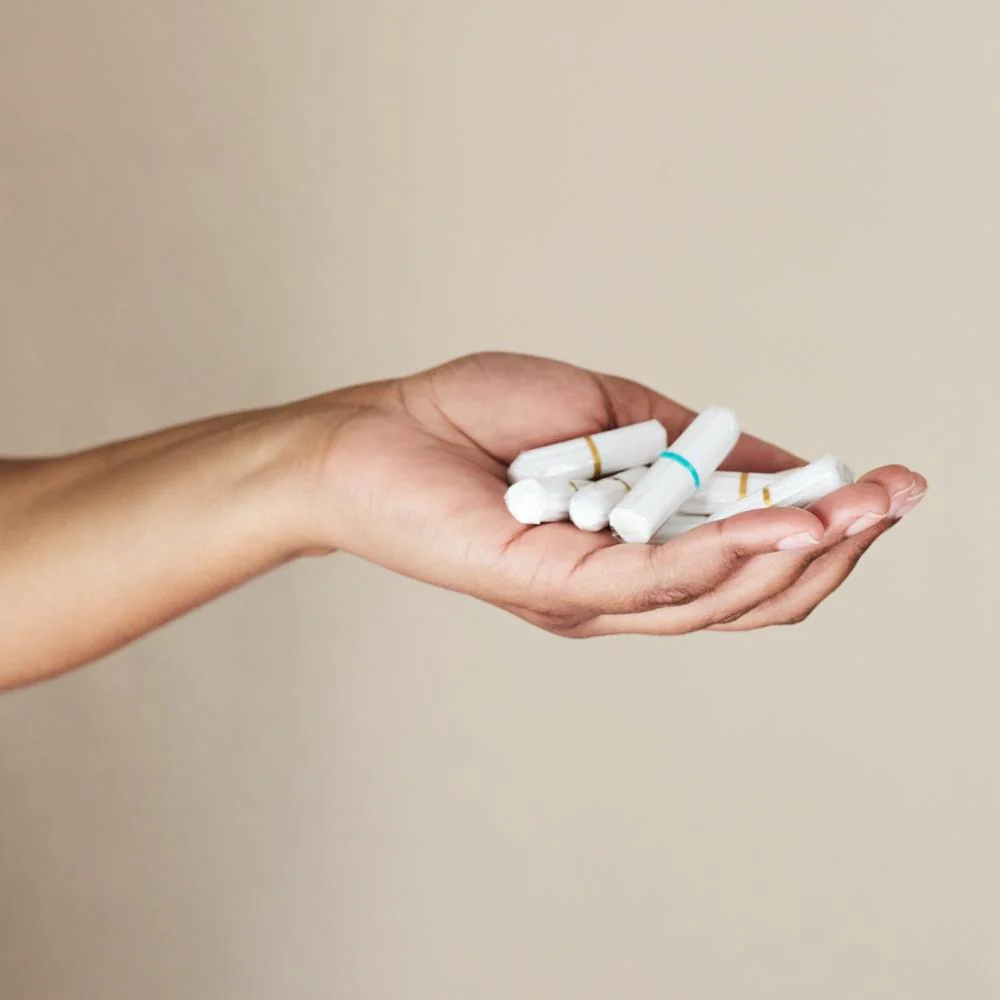
DAME. organic cotton tampons and pads are made from certified organic cotton, so safer for the planet and also more comfortable. They are also sold alongside a unique reusable tampon applicator, if you use tampons without applicators.
Free from dyes and bleach, the products are also wrapped in compostable cellulose. The tampons are tested to be free from heavy metals. And the applicator is made from medical-grade materials, and contains safe sanipolymers to keep it antimicrobial for over 10 years.
Avoid tampons (or menstrual cups) for at least 8 weeks after childbirth. Always bin used feminine care and wrappers (even if compostable, as they could clog pipes).
DAME. organic tampons
Availabe in a value pack, subscribe online for big savings. Choose from:
- Regular flow – good for most days of your period
- Super flow – extra absorption for heavier days
- Super plus – got you covered!
Reusable tampon applicator
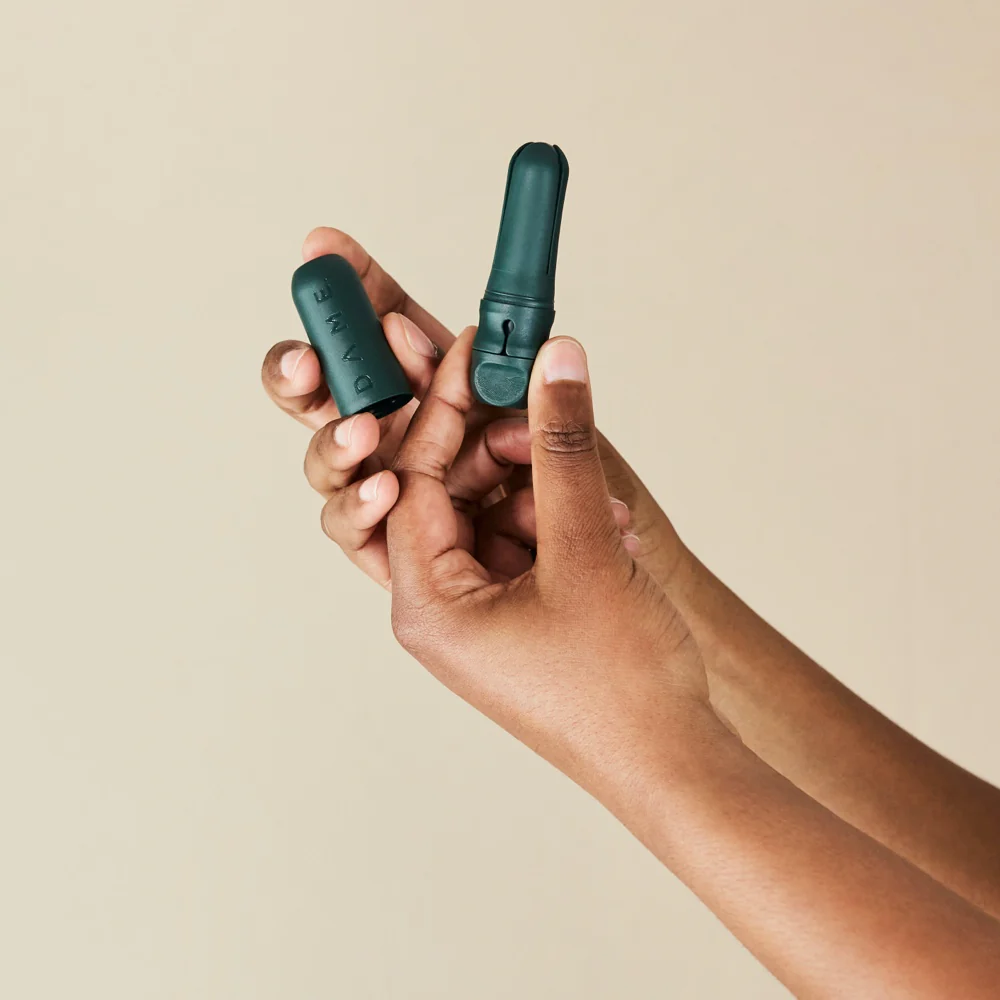
Ideal if you use more affordable tampons without applicators, the starter kit includes organic cotton tampons and a storage tin, along with a cotton zip pouch for travel.
Organic cotton pads
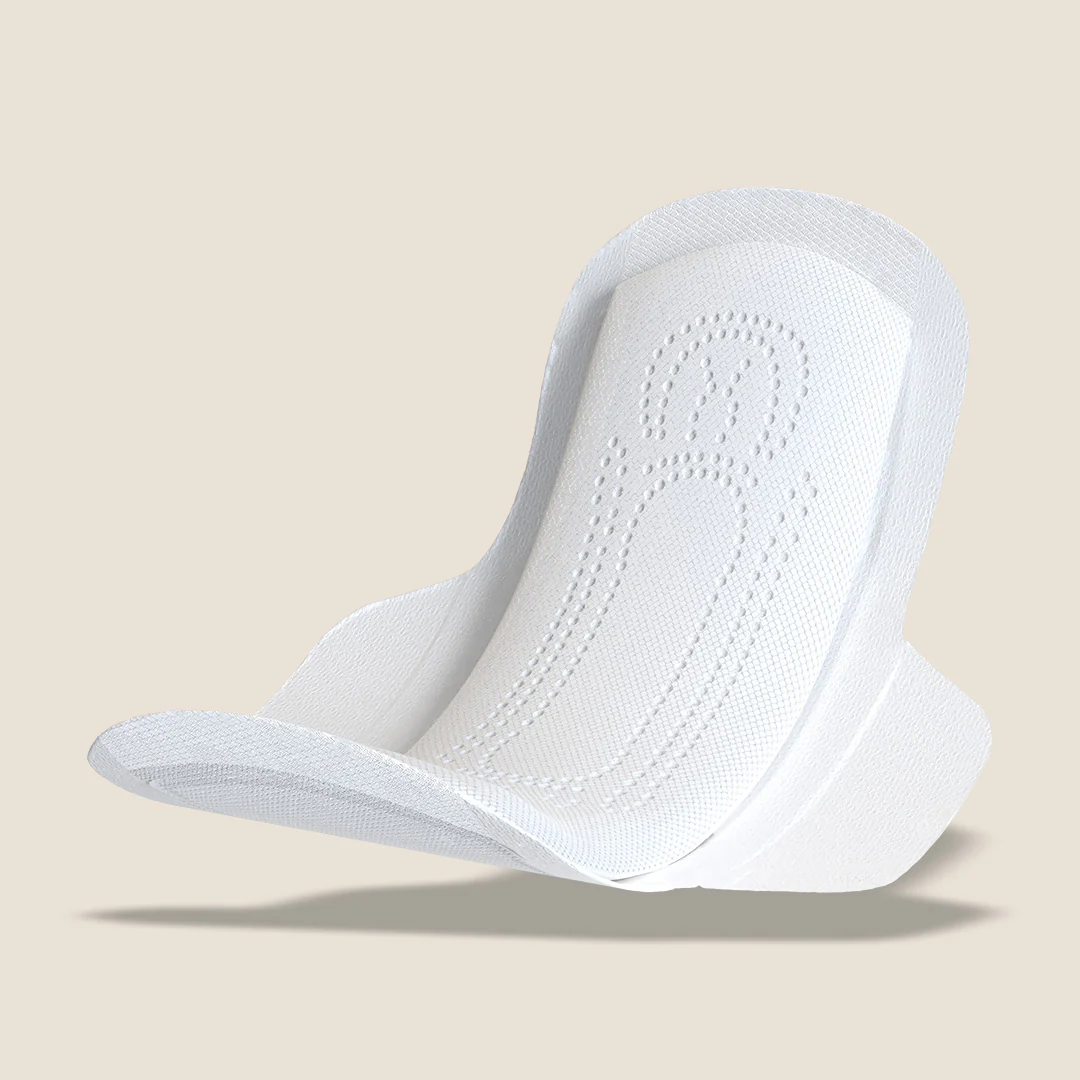
The day pack contains 120 organic cotton pads with wings, sold in zero waste packaging. And again sold in a compostable wrapper (don’t flush, just bin to naturally break down).
DAME. Zero Waste Tampon and Pad Dispenser
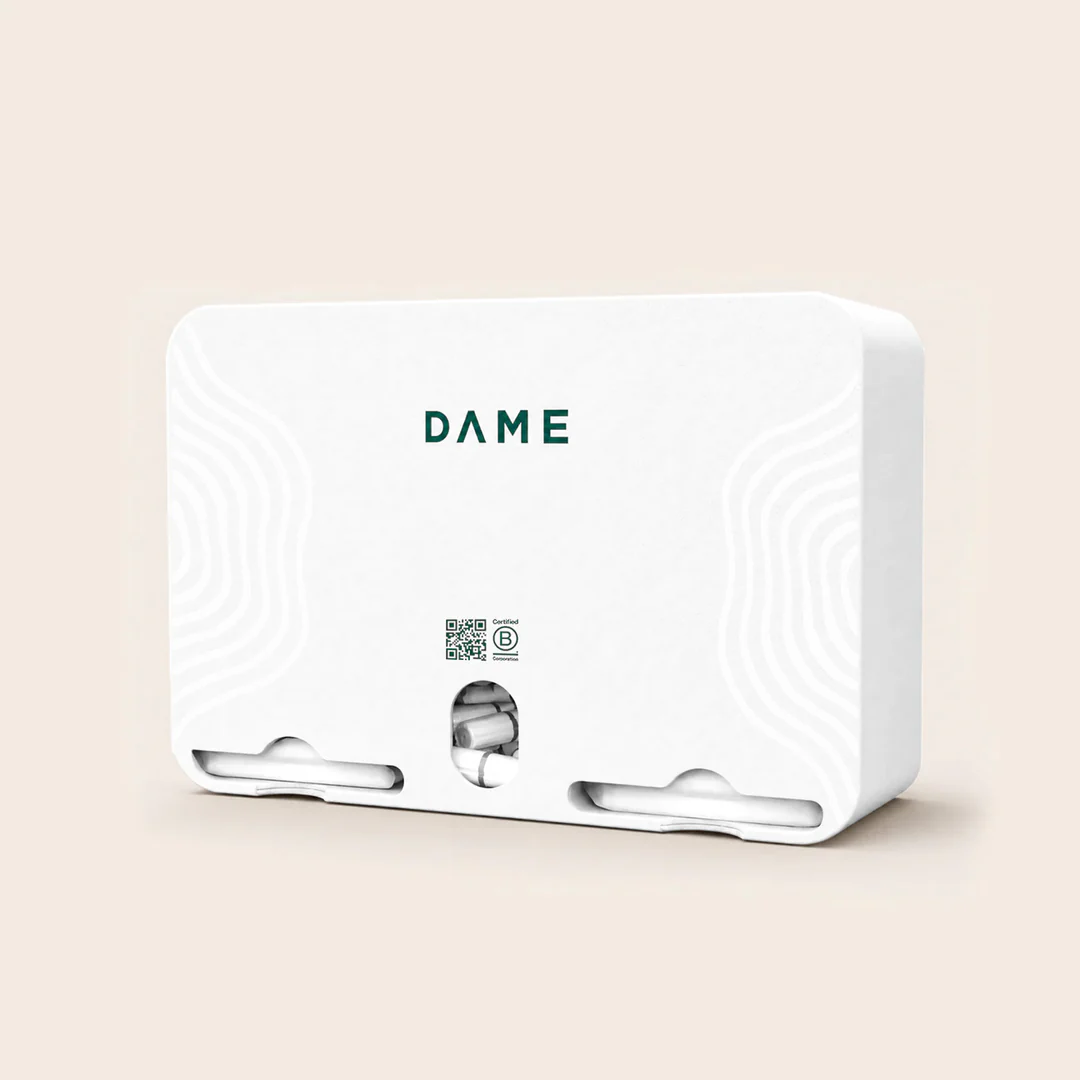
DAME. Public Tampon Dispenser is quick to install and refill, ideal for public washrooms in pubs, schools, restaurants, hotels and offices. Each dispenser fits 70 organic cotton tampons and 60 organic cotton pads, with screw-free easy installation. It’s also made from post-consumer waste plastic, and is robust, dent-proof and scratch resistant.
Fill up with DAME. organic cotton tampons and pads.
Avoid tampons (or menstrual cups) for at least 8 weeks after childbirth. Always bin used feminine care and wrappers (even if compostable, as they could clog pipes).
The manually operated dispenser is available within 3 days, to switch your managed washrooms over to zero-waste alternatives. Designed to last 10 years, there are also big discounts on bulk orders. Ideal for big offices or public buildings. Custom branding is also available.
DAME Period Cup is an alternative to disposable plastic tampons and sanitary towels, made from medical-grade materials and unique in that it cleans itself, use rinse after use.
With care, one purchase should last years, so you can save hundreds or thousands of pounds. Sold in two sizes, you can add a cup case to your order, for discreet use when out and about.
Avoid menstrual cups until at least 8 weeks after pregnancy (same with tampons if you use them). They may not be suitable for women who use internal contraception devices, speak to your GP.
Although it’s not a medical device, DAME Period Cup is made from medical-grade materials and certified to normal safety standards for personal care products.
Never flush any feminine care down loos. Just wrap and bin after use.
- Bin all disposables (never flush). Avoid menstrual cups (and tampons) for at least 6 weeks after pregnancy (or if at risk of toxic shock syndrome). Some people can’t use them, so check with company or GP (say if you have an IUD device).
- A hot water bottle on a clothed tummy for 30 minutes usually calms menstrual cramps.
- Wash reusables with a microfiber filter (avoid fabric conditioner, bleach and tumble dryers).
- To remove stains, rinse with cold (never hot) water, rub in a small amount of gentle soap, rinse again, then wash as normal, using oxygen bleach if needed.
How to use DAME period cup
Period cups work a little different from tampons, in that they collect (rather than absorb) menstrual fluid. This actually makes them safer to use to help prevent toxic shock syndrome (though you should still empty them a few times a day, and follow the instructions given).
They take a little getting used to, but once you get the hang of it, they are very comfortable and easy to use and remove. If you are using it properly, it should not leak unless you have medically heavy flow.
How does this period cup clean itself?
The DAMA Period Cup contains biocide-free Saniconcentrates™, so after rinsing, it’s resistant to nearly all bacteria and viruses, so there is no need for sterilising and boiling. These will also not rub or degrade.
Most menstrual cups are boiled for 5 to 10 minutes to clean, but with this one, you just rinse under clean water and dry, then store in the cotton bag. If you have no access to water, just wipe clean with a tissue before reuse.
If using in public bathrooms, ideally rinse before emptying. If you are uncomfortable about doing this, again pat with some bathroom tissue before reuse, and then rinse when you get home.
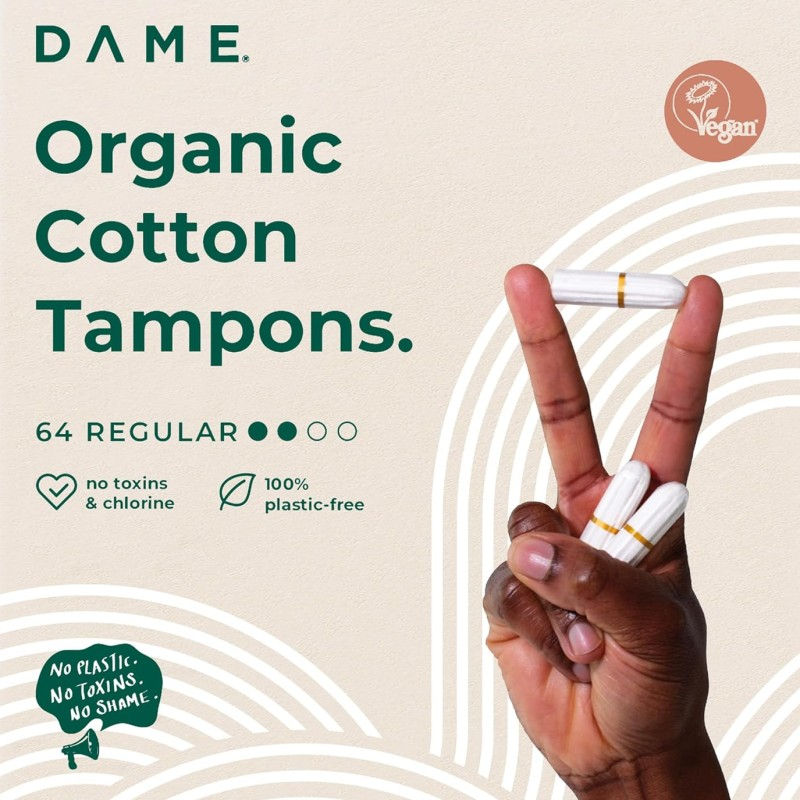
DAME organic cotton tampons and pads are the ideal alternative to plastic disposable feminine care, for those who don’t wish to use reusable menstrual cups. They give the convenience of one-time-use products, but without the chemicals, chlorine and plastic.
Made with certified organic cotton, these are far better than conventional feminine care brands, for several reasons:
- Plastic-free (more comfortable in warm weather)
- Plastic-free packaging
- No chlorine bleach
- No animal testing
The range includes;
- A value pack of organic tampons (if you subscribe online, you get big savings and can have boxes delivered in letterbox-friendly postal packs).
- Organic cotton pads (these have ‘wings’ for comfort, just like conventional brands).
- If you use non-applicator tampons (which work out cheaper), you can also purchase DAME’s unique reusable applicator, made from medical-grade materials for safety and ease of use.
Tampon dispensers for public washrooms
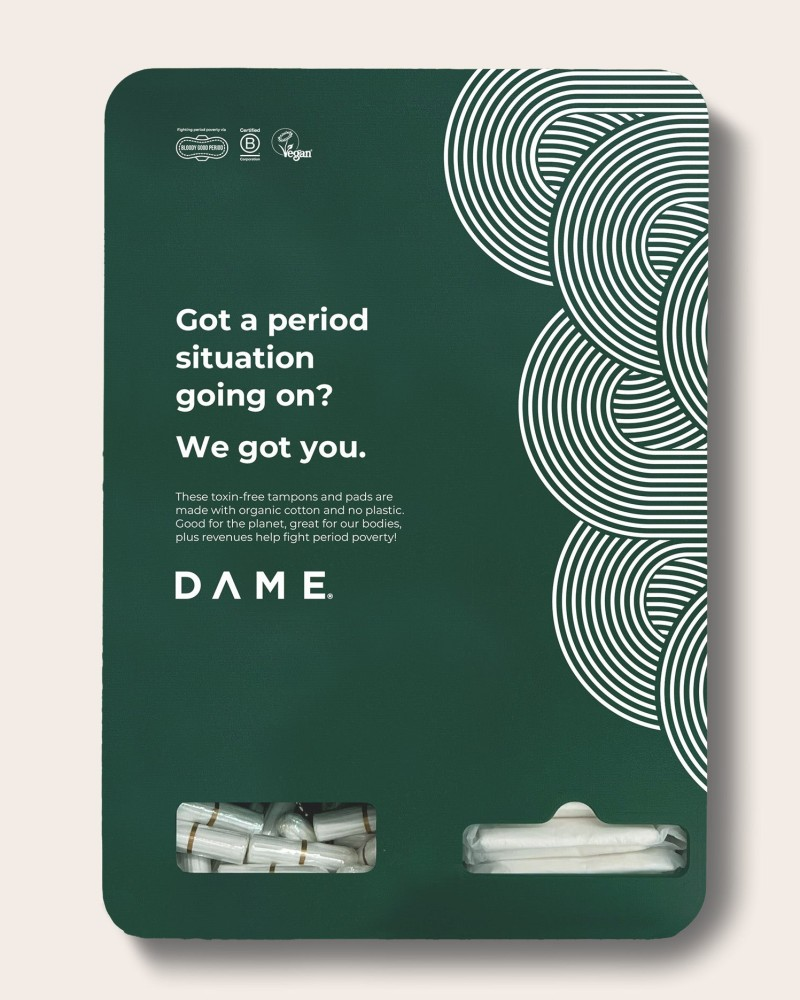
DAME also offers dispensers for their wholesale tampons and pads, ideal for public washrooms. This is ideal if you run an office, council, hotel or restaurant etc, and wish to offer plastic-free organic alternatives to conventional brands of feminine care.
You can buy the dispensers (who receive them free, if you sign up for regular supply of wholesale items). They can be installed in minutes with screw-free easy installation. They are also made from waste plastic, and are robust and scratch-dent resistant.
DAME Period Pants (alternatives to disposable pads)
Period pants have synthetic fibres, for the waterproof backing.
Invest in a microfiber filter (which you can to launder all synthetics, then you catch the microplastics to be sent off for recycling, and get empty cartridges in return).
They kind of work like cloth nappies (!). They are made from cotton but have a waterproof pad sewn in (again, use a microfiber filter to launder as this is still synthetic fabric). You change them every few hours, then just rinse with cold water first, then throw them in with your wash.
You can remove stains with oxygen bleach (this does not harm to the planet – just activate with warm water, soak and use within 40 minutes, then pour the rest of the water down the sink or drain to clean them).
Don’t use fabric conditioners on period pants, as this will reduce absorbency (also avoid tumble driers – it’s best to avoid fabric conditioners anyway, as they can increase flammability of fabrics, especially when used with heat).
TOTM (organic cotton disposable feminine care)
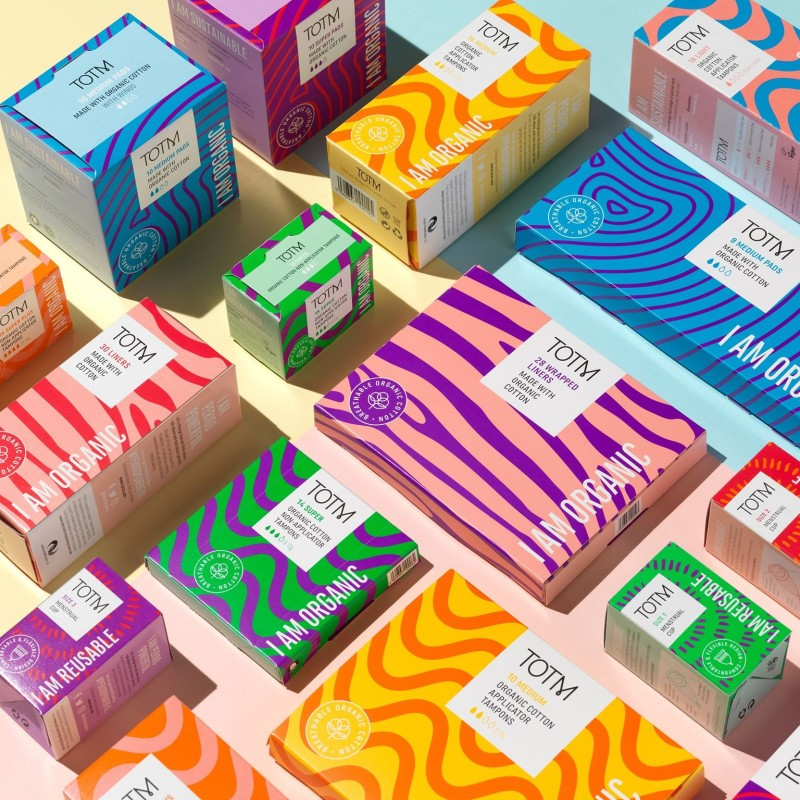
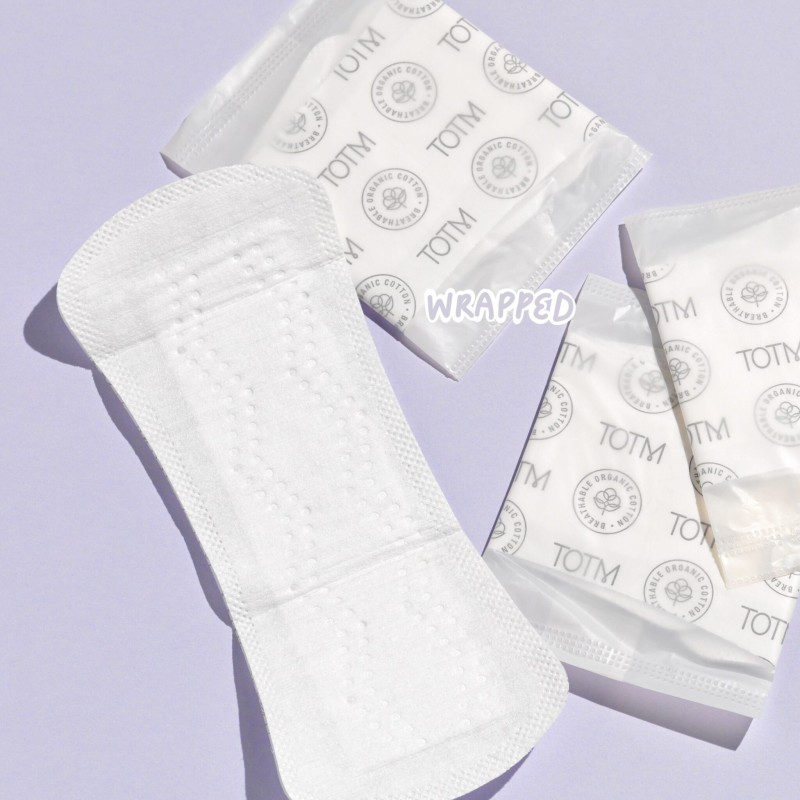
TOTM offers organic cotton tampons and pads, in sustainable packaging. You can order online for regular subscriptions to save money. With biodegradable cardboard applicators and in paper packaging, there are also night pads for heavy flow.
Hey Girls (a social enterprise feminine care brand)
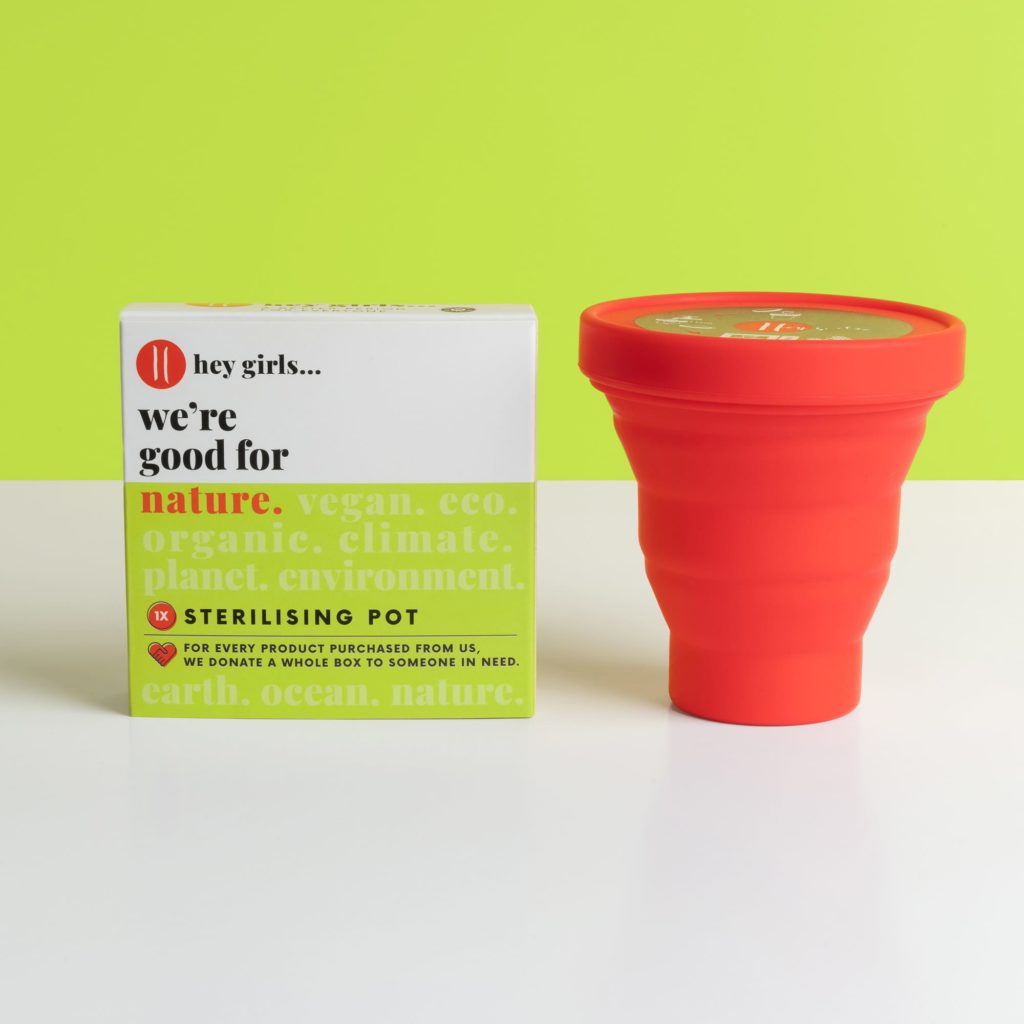
Hey Girls is a social enterprise that offers menstrual cups (with easy-to-use sterilising cups), plus organic cotton pads and tampons, and donates one to a girl or woman in need, for each one bought. The washbags are made from recycled ocean-bound plastic.
Mooncup (a reusable silicone menstrual cup)
Mooncup makes menstrual cups (with collapsible cleaning cups to buy as a bundle) and organic pads and tampons. It also sells washable period pants.
Flo (bamboo disposable feminine care)
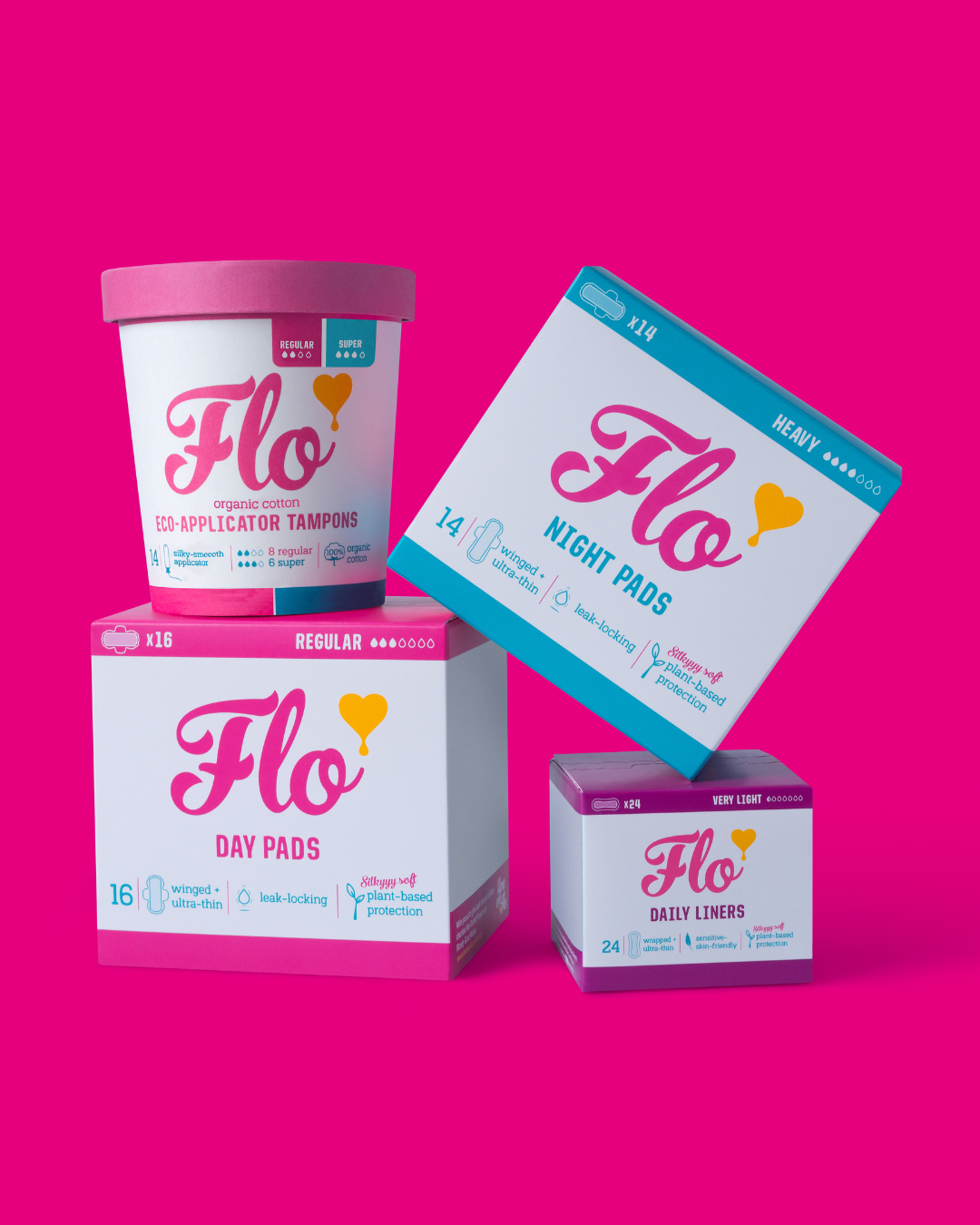
Flo is an eco brand of period care, from menstrual cups to bamboo pads and tampons, all in sustainable packaging (you can find them in some chemists and Superdrug). The tampons are made with sugar cane bioplastic applicators.
Cheeky Panda (bamboo disposable feminine care)
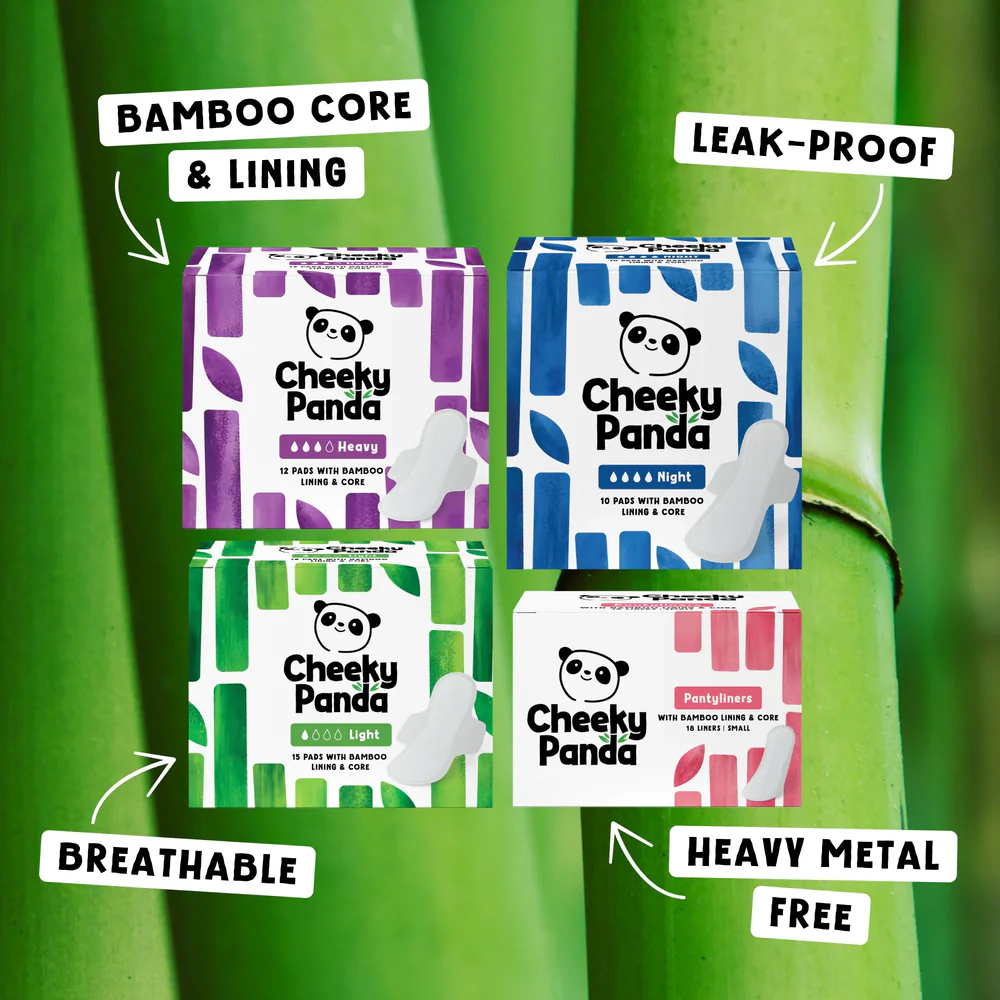
Cheeky Panda is a brand of eco-friendly sanitary pads, if you prefer to use disposables. Made with 100% bamboo, industrial bamboo is not the same as fresh shoots eaten by pandas. Although bamboo is not local, it’s from the world’s fastest growing grass (3 feet a day!) so far more sustainable than tree wood.
These pads are packed in recycled cardboard boxes, and feature a compostable film and breathable absorbing lining paper, so they are also far more comfortable in warmer weather. The backing strip is made from easy-to-recycle paper.
The liners are plastic-free and ideal for light periods or incontinence. For those who don’t want to ‘put plastics in their pants!’
Afripads (eco feminine care made by local men!)
There’s something just so patronising about big western companies (often run by white men) telling us to all buy ‘free feminine care’ for girls and young women in Africa. So they don’t have to use banana leaves, or miss school or the opportunity to work, due to lack of access to feminine care products.
In fact, this is all a load of bunkum. Sending disposable plastic feminine care to African girls is not the thing to do. For a start, plastic is not comfortable in hot weather (and this is Africa!) Secondly, there are few sewers or ways to dispose of used products.
And perhaps most importantly, Africa is ravaged by poverty and has lots of cases of HIV and AIDS. So it’s likely that products could be shared, leading to the spread of more disease and heartache.
AFRIPADS (solution already found!)
Afripads are made from a blend of recycled paper and papyrus leaves. And they are made (locally) in Africa by local people (including men) who get to earn a good honest income, offering eco-friendly zero waste feminine care for the millions of menstruating women on the continent.
This was not the first company. The very first idea was created by engineer Moses, who ‘couldn’t stop inventing things’. Sent to a village to ask how he could help, two women hit him over the head with a (clean) sanitary towel, and told to him to go off and invent something better. So he did! Moses is no longer with us. But he has left an empowering legacy for African girls and women.