Zero Waste Chester: The River Dee to City Walls
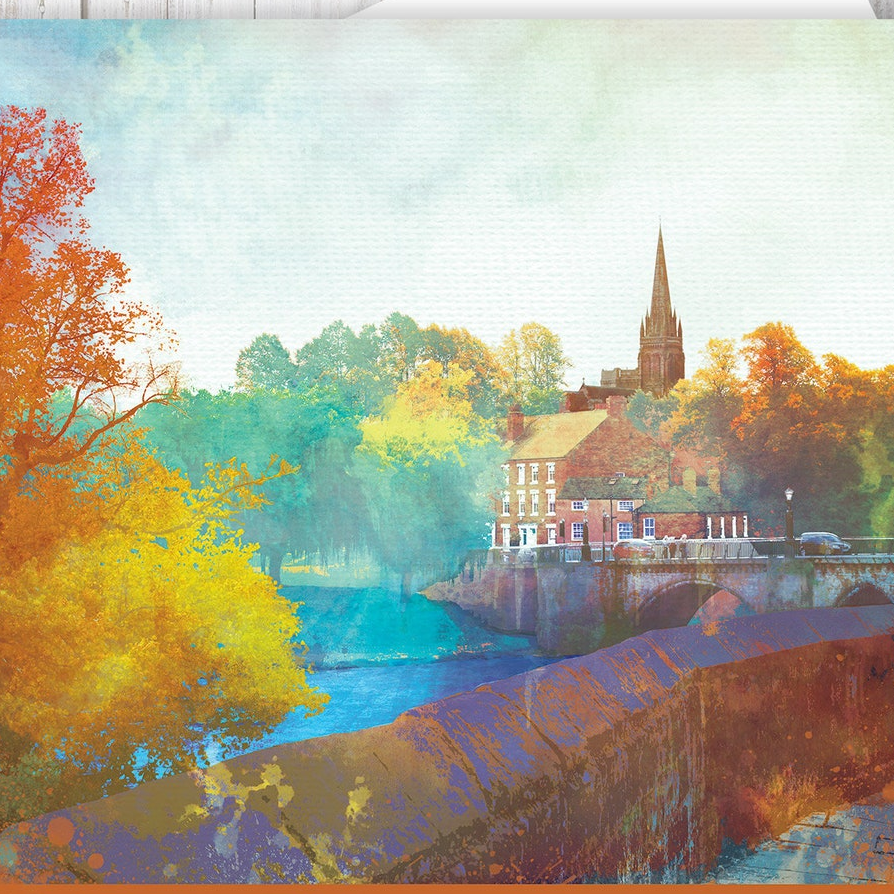
Chester is a historic city in the county of Cheshire, with a distinctive character that makes protecting its environment particularly important. The city is famous for its Roman history, medieval buildings, Chester city walls, the Rows (an ancient covered shopping street), Chester Cathedral, Eastgate Clock and the River Dee.
It’s a popular destination for tourists (like Bath, often called ‘England’s most beautiful city’). But because Chester combines a large residential population with a busy tourism economy, the city produces a considerable amount of waste. Food packaging, takeaway containers, drinks bottles, shopping bags, food waste and disposable products can all become part of the city’s waste stream.
Adopting a zero waste philosophy therefore is particularly valuable to Chester. This means trying to prevent waste from being produced, rather than simply dealing with it, after it has been thrown away. This means reducing unnecessary consumption, reusing products, repairing items, recycling materials and living organically to reduce the use of chemicals and pesticides.
For Chester, zero waste is not simply an environmental idea. It’s connected to protecting the city’s historic identify, keeping its streets attractive and protecting the River Dee and surrounding wildlife. While supporting indie businesses, and maintaining good quality of life for people who live in and visit the city.
Chester’s historic character
One of the strongest reasons to protect Chester, is its unusual historic character. The city has developed over many centuries and contains evidence of Roman, medieval and later periods of history. Chester’s Roman walls surround much of the city centre, and provide a walking route around historic areas.
The Rows are another defining feature. These distinctive two-level galleries contain shops and businesses, and contribute to the appearance that makes Chester different from many other English cities. They also contain many unique historic buildings. Chester Cathedral is another major landmark.
Waste and litter can have a direct effect on how these places are experienced. Overflowing bins, discarded food packaging and plastic bottles can detract from historic streets and public spaces. Reducing waste can therefore protect the natural environment and Chester’s historic appearance.
A zero-waste approach encourages visitors and residents to consider what they bring into the city. Reusable bottles, reusable shopping bags and reusable food containers all can reduce the amount of disposable waste produced.
The River Dee and Chester’s natural environment
The River Dee is one of the most important natural features of Chester. It runs alongside the city centre and is enjoyed by people walking or just enjoying views.
The river is also an important habitat for wildlife. Pollution and litter causes problems for aquatic ecosystems and animals. Plastic and other rubbish that reaches waterways can remain in the environment for long periods, and may be swallowed by wildlife or become a physical hazard.
Protecting the River Dee should therefore be an important part of Chester’s approach to waste. Preventing litter from entering drains, streets and waterways is much better than trying to remove it, after it has reached the river.
The river also contributes to Chester’s identity. Visitors walking along the riverside see the water as part of the city’s landscape. Keeping this area clean and attractive benefits residents, tourists and wildlife at the same time.
Tourism and waste in Chester
Tourism in Chester obviously brings in beneficial income. But many visitors create demand for food, drinks, shopping and accommodation. This can result in additional packaging and disposable products. Takeaway food and drinks can be problematic, as people often consume them, while on the move.
Businesses can encourage tourists to reduce single-use packaging by providing tap water refill stations and returnable food bowls.
Hotels and accommodation providers could also reduce waste by avoiding unnecessary disposable products, reducing food waste and providing recycling facilities for guests. A more sustainable visitor economy allows people to enjoy Chester, without creating unnecessary amounts of rubbish.
Chester city centre
The city centre combines historic buildings with modern shops, cafés, restaurants and businesses. The compact nature of the centre means that large numbers of people can be concentrated in a relatively small area.
Shopping can produce considerable packaging waste. Clothing, food, gifts and other purchases may come with bags, boxes, wrappers or other materials. Customers can reduce this waste by choosing reusable shopping bags and considering if they need additional packaging.
Food and drink are another part of Chester’s city centre. Bakeries and takeaway businesses serve residents and visitors throughout the day. Takeaway cups, lids, food containers, napkins and cutlery can create large quantities of single-use waste. Switching to reusable coffee cups and reusable cutlery sets can help.
Local businesses can contribute to a zero waste Chester, by reducing unnecessary packaging and making it easier for customers to recycle.
Vegan-friendly Chester
Chester has a good variety of vegan food choices, if you fancy treating yourself to some plant-based fayre while eating out.
Vegan House (within the historic Chester Market) was founded by a man with a background in street food markets. And offers affordable beef-style burgers, hot dogs, Doner kebabs and f*sh and chips! The business was awarded ‘best takeaway in the North West’ by Just Eat (high praise indeed!)
Pink Lettuce is a renowned restaurant situated in the historic Rows in Chester. Renowned for its pink no-bacon burger, it’s open through the week. And known for its Sunday roasts with ‘buttery potato mash’, vegan roasties and cauliflower ‘cheese’ and red wine gravy (there are also roast dinners for children).