Storing Handmade Soap (to avoid going mushy!)
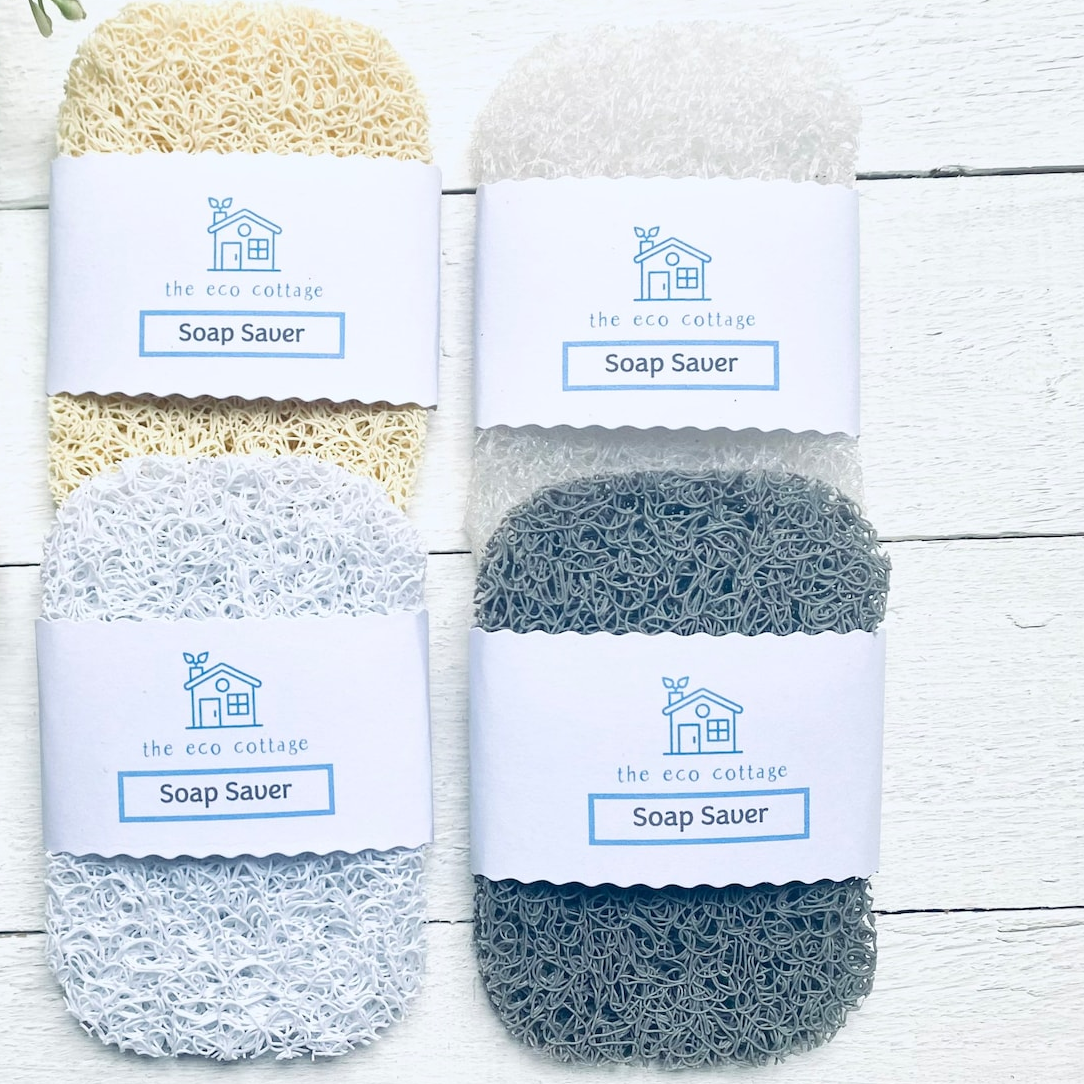
Due to being more moisturising, store handmade soaps on a dry facecloth or one of these options. to let water drain away, and help soaps last longer.
This soap saver pad only costs a few pounds. In four colours, they can be cut to size. They let air circulate, and if they get clogged with soap, you can just give them a wash (even pop them in the dishwasher) to use again.
Choose unscented soaps for pregnancy/nursing and babies. Avoid shea butter for latex allergies. Don’t use ‘human’ soap on pets (due to different PH and ingredients – read more on giving dogs baths.
Why Choose Handmade Soaps?
Most soaps in shops are no longer made with animal tallow (sodium tallowate). But sodium palmate (palm oil) so no better, as its use is killing orangutans. Greenpeace says there is no such thing as ‘sustainable palm oil’ (a self-policed term from industry).
Real handmade soap (which retains glycerine, instead of selling it to industry) won’t dry your skin. Try using it and nothing else for a month, and see what happens!

Or use a slatted soap dish to drain water away, so your soap lasts longer.

This upcycled coconut husk soap rest is also good to store handmade soap. The large rest can store two bars side-by-side. Due to natural fibres, some minor shedding may occur when you first use them.

Suma’s travel soap tin is ideal for when you’re on the go.