Why tigers matter
Tigers are an important part of the ecosystems in which they live. As apex predators, they help regulate populations of prey animals. This contributes to the balance of their habitats and can influence vegetation.
A tiger needs sufficient space, water, cover and prey. It cannot thrive in a severely degraded environment. Protecting tiger habitat therefore means protecting forests, wetlands, grasslands and the countless plants and animals that share those places.
The tiger’s fight for survival
Tigers once ranged across a vast area of Asia, from parts of Turkey and the Caucasus to eastern Russia and Southeast Asia. Today, their range is dramatically smaller.
Different tiger populations face different circumstances, and conservation challenges vary from country to country. Some populations have benefited from strong protection and habitat management, while others remain extremely vulnerable.
Forests have been cleared or fragmented. Wild prey has been hunted. Tigers have been killed illegally for their body parts. Roads and other infrastructure have divided habitats. And encounters between tigers and people can become dangerous when human settlements expand into wildlife areas.
Protecting tiger landscapes
Tigers need large areas of suitable habitat. They need places where they can hunt, find water, rest and raise cubs. When forests are cleared or divided into smaller pieces, tiger populations can become isolated.
A forest may still appear green from above, but roads, farms, settlements and other developments can divide it into disconnected sections. Tigers may struggle to move safely between these areas.
Small, isolated populations are also more vulnerable to local disasters, disease and loss of genetic diversity.
Where possible, conservationists work to protect corridors that connect forests and other suitable habitats. These routes can allow tigers and their prey to move between populations.
Leopards, elephants, bears, deer, wild dogs and countless smaller species may also depend on the same connected landscapes.
Poaching and the illegal wildlife trade
Tigers have been targeted for their skins, bones and other body parts. Despite national and international laws designed to protect them, illegal demand continues to pose a serious threat.
Tigers reproduce relatively slowly compared with many smaller species, so losing breeding adults can have a substantial effect on a population.
Effective anti-poaching work therefore needs trained rangers, strong law enforcement, intelligence gathering and international cooperation.
Why wild prey matters
Tigers hunt a range of prey species, including deer and wild pigs. In areas where these animals have been heavily hunted, tigers can struggle to find enough food. This creates a complicated chain of problems.
When natural prey becomes scarce, tigers may travel farther in search of food. They may also come closer to villages and farmland, increasing the possibility of conflict with people.
Human-tiger conflict
Tigers generally avoid people, but conflicts can occur when humans and tigers occupy the same landscape. Livestock may be attacked, or in rare cases people may be injured or killed.
Improved livestock protection can reduce opportunities for tigers to prey on domestic animals. Better management of grazing areas and settlements can also reduce encounters.
Where livestock losses occur, fair and effective compensation programmes can help communities cope with the financial consequences.
People living near tiger habitat need reliable information about tiger behaviour and ways to reduce risk. At the same time, conservationists need to listen to local communities and understand their concerns.
Tigers and climate change
Tigers live across a variety of environments, from tropical forests to colder landscapes. Changes in temperature, rainfall, sea levels and extreme weather can affect these habitats.
For some tiger populations, changes to freshwater availability and vegetation may influence prey populations and habitat quality.
Conservation and climate action are closely connected. Healthy forests store carbon, support biodiversity and provide habitat for wildlife. Protecting them can deliver benefits for both nature and people.
Books to learn more about tigers
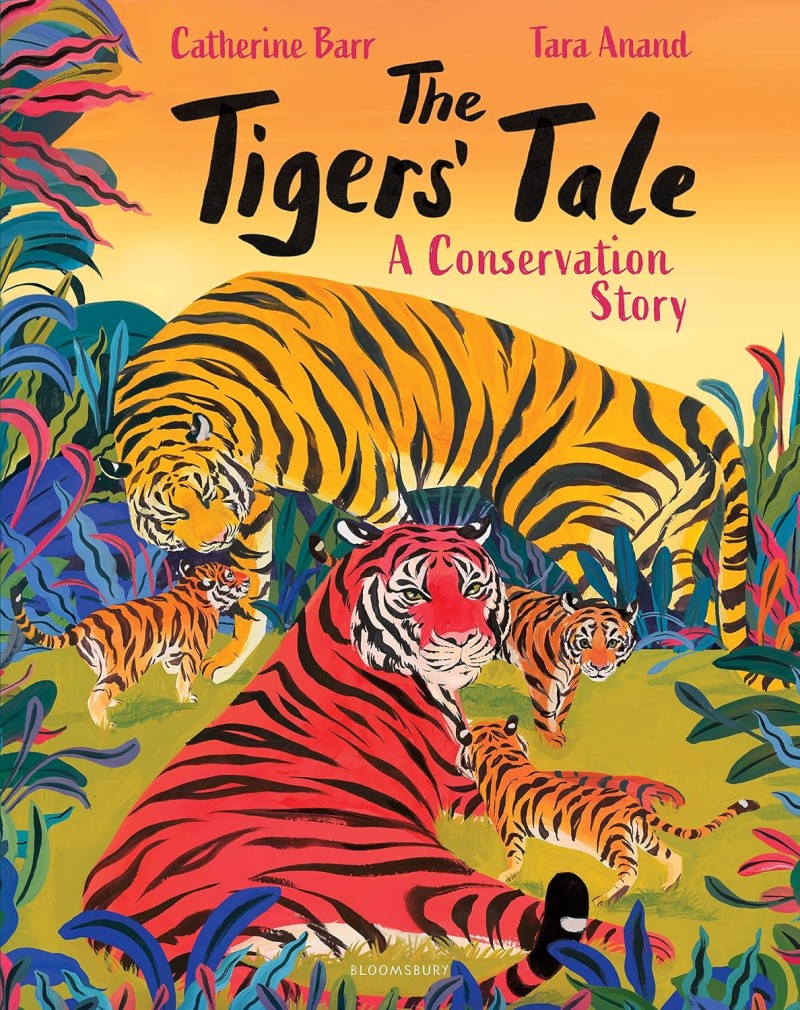
- The Tiger’s Tale is a conservation story on one of the world’s most iconic animals, to tell the true story of the tragic disappearance of tigers from Panna Tiger Reserve in India, and finally their heroic return.
- Tiger: The Big Cat With the Stripes is a beautifully illustrated guide, for children to learn why tigers have stripes, what makes them stick out their tongues, and how they survive. Written by a conservationist who works with local communities in Nepal and Project Conservation.
Cute family of tiger cubs and mum!