Little Changes, Big Savings: Master Your Home Energy Use

Want to shrink your carbon footprint and your monthly expenses at the exact same time? It sounds like a win-win, but figuring out where to start can feel overwhelming. You don’t need a massive solar panel installation or a complete home overhaul to make a difference.
Sometimes, the biggest savings come from the smallest changes around the house. Read on to discover easy, budget-friendly hacks that will instantly lower your energy bills without cramping your lifestyle.
Also read how to install affordable home insulation. And maintain your boiler.
Quick Immediate Fixes to Slash Energy Bills
- Unplug ‘vampire devices’ (things that are left on standby when you could turn them off: TVs, gaming consoles, phone chargers (don’t charge at night when you are sleep).
- Turn off lights when you leave a room. This is also good to stop birds flying into windows.
- Only turn down the thermostat by a degree or two (and put on a sweater) if safe to do so. For old people and pets, it could cause hypothermia in very cold weather.
- Clean or replace air filters every 1 to 3 months on heating/cooling systems, to keep them running efficiently.
- Use draught stoppers under doors, and seal leaky windows. Learn more on how to draught proof your home.
- Run full loads on your dishwasher and washing machine.
- If drying outside, store rotary lines away when not in use (same with football nets, to stop wildlife getting trapped).
- Match pot sizes to burners, to prevent wasted heat.
Take the free carbon calculator to save big!
Carbon Savvy’s carbon calculator is wonderful and free! It was created by Mukti Mitchell, a carbon expert, who once built a solar-powered boat and sailed it round the British Isles! He’s the son of ecological writer Satish Kumar.
To get the full benefits, do the full version. So sit down with a cup of tea and a paper and pen. You’ll need all the info about your home, dig out your bills to see how many watts you’re using etc. It also includes lifestyle changes, to reduce your overall carbon.
By the end, you will have heaps of info on how to reduce energy use in every area of your home and life. And that’s not just greener, but you will also save a fortune on energy bills.
How to Choose LED Light Bulbs

Old-style light bulbs are now on their way out. Although cheap to buy, they burn out easily and often flicker. And are not able to be recycled. Plus they are not efficient, converting just 5% of electricity to light.
Although more expensive, LED (light emitting diodes) light bulbs which cost around £20 can last up to 20 years. And save around £40 a year on energy, for standard households.
They also eliminate problems like flickering (if you have a bulb that takes a while to come on, this will also be solved if you switch).
Safety tips for using light bulbs
Flickering bulbs can also be due to loose wires, overloaded circuits, faulty electrics or incompatible dimmers. Consult a qualified electrician.
Turn lights off when not in use, use task lights and blinds, and avoid facing indoor foliage to outside gardens, all these tips help to stop birds flying into windows.
If you use dimmer switches, LED light bulbs need specific models, to avoid flickering or buzzing. So always check that the bulbs you choose are ‘compatible with dimmers’.
Which energy efficient bulbs to choose?
- LED light bulbs have typical lifespans of 25,000 to 50,000 hours, so choose carefully before purchase.
- Go for a brand like Phillips Hue for safety and effectiveness.
- Experts say that warm white bulbs are best for eye comfort (so good for bedrooms and lounges).
- Cooler white bulbs are better for offices, kitchens and bathrooms.
How to know which lumens to choose
LED bulbs are not measured in watts, so you have to get to know your lumens instead! A quick guide:
- 400 lumens: Soft, gentle light for bedrooms
- 800 lumens: Standard brightness for lounges
- 1,100+ lumens: Bright light for kitchens or workspaces
Tips for natural light in rooms
- Remove unwanted furniture, to flood natural light into rooms.
- Dust lampshades and other fittings, to help increase the light.
- Paint your walls in a light neutral colour.
- Position lamps at eye level, to spread soft light.
- Use wall lights or uplighters to bounce light off ceilings and walls.
How to recycle (old and new) light bulbs
- Older light bulbs contain mercury and lead, which could pollute soil or water if broken or dumped on landfills. Alas they can’t be recycled, so wrap securely in thick paper, and bin.
- LED light bulbs however can be recycled, enter your postcode at Recycle Now to find out where.
- Many hardware stores and supermarkets now have bulb recycling bins.
Find Affordable Alternatives to Double Glazing
Older homes may have charm and history, but often also have cold draughts that whistle through thin glass, especially in winter. Double glazing can make these homes warmer and quiet (and slash energy bills). But the price of installing double glazing is often too high for many people on low incomes.
Traditional double-glazed windows sometimes costs thousands of pounds, and some homes can’t install it anyway, due to regulations for listed buildings. There are other options, that you may be interested in.
Glass windows (and conservatories) can heat up quickly. So as with cars, never leave pets in warm rooms. Also never face indoor foliage to face gardens, to help stop birds flying into windows.
Thermal Blinds for Everyday Use
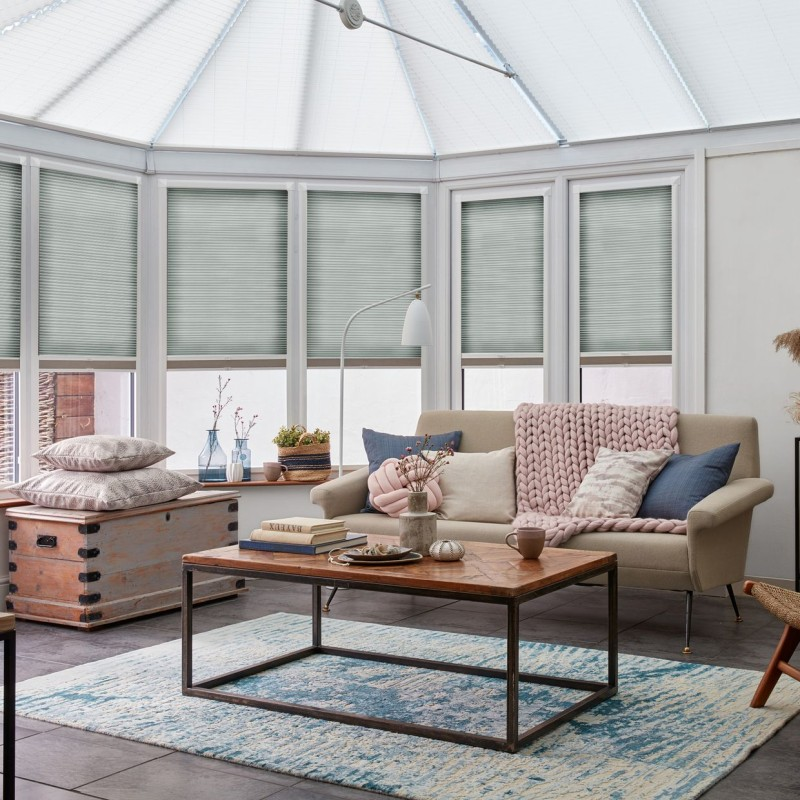
Thermal blinds (which cost around £40 to £100 per window) earn their name with their foldable, pocketed design. Each cell traps air, slowing the passage of warmth out and cold in. Studies show they can save up to 25% on heating bills, particularly in rooms with large windows.
They honeycomb design creates an insulating layer to reduce heat loss by up to 55%, when it’s cold outside. And these blinds also keep room temperatures more comfortable on sunny days, reducing UV rays by up to 99.9%.
In many styles and colours, there are no-drill bracket options, to fit in minutes without a screwdriver. The blinds also give privacy and manage light levels, making them ideal for living spaces, bedrooms or even kitchens.
Secondary Glazing for Quick Insulation
Secondary glazing is when a second pane (glass or acrylic) is fitted inside the window frame, to create an insulating air gap. This makes it harder for heat to escape, or cold to enter. It works well in heritage homes, when you are not allowed to replace windows.
Secondary glazing costs 30% to 50% less per window, than double glazing. It’s best fitted by professionals. But if you’re good at DIY, you can buy kits that only need simple tools. Good for sash and casement windows, and awkward shapes.
Compared to fitting new double glazing, secondary glazing comes in at around 30% to 50% less per window. You can save even more by opting for a DIY kit instead of hiring professionals. Most kits are straightforward and only require simple tools. You’ll find solutions for sash windows, casement windows, and even awkward shapes.
The benefits are better warmth inside and noise reduction. Along with condensation control, and you can take it down for cleaning and repair.
Measure your windows carefully, as most kits have maximum and minimum sizes. Start with one room to see if there is improvement, especially in draughty rooms.
Magnetic Secondary Glazing Kits
These use lightweight and flexible plastic sheets attached with magnetic strips, to existing metal window frames. These close gaps to stop heat slipping out. They are around £50 per window, so far more affordable. Again they are simple to install, and you can remove extra glazing in summer months, if required.
One good brand is Eco.ease. Wipe down regularly to keep clear, store panels flat, and avoid sharp bends. They won’t win awards for looks, but for short-term comfort and low-cost, they’re a good option.
No-drill Shutters
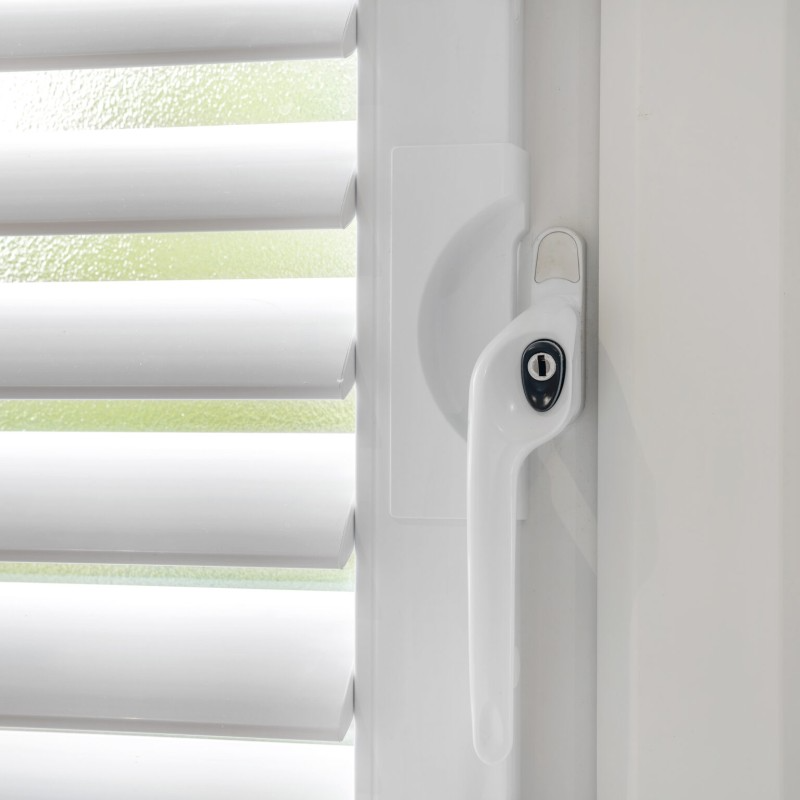
No-drill shutters offer wood or faux-wood finishes that leave window frames untouched. These slot into place and seal the edges of your windows, to stop draughts from sneaking in around the sides.
They cost around £80 per window for self-fit models. Accurate measuring is key, and most brands offer guides to ensure the right fit and full coverage. Look for insulation ratings, to compare products. They can also regulate humidity by limiting air movement across cool surfaces. This cuts down on condensation, and the risk of damp.
Vacuum Insulated Glass & Triple Glazing
Vacuum Glazing is a clever solution: two glass sheets are sealed with a gap containing a vacuum, making it a strong barrier against heat loss. It’s thinner than triple glazing but insulates just as well, and prices start from around £150 to £300 per pane.
Triple glazing adds a third glass layer, boosting energy efficiency but adding weight and often needing professional fitting. Look for units with high energy ratings to ensure you get good value, and ask about grants such as the UK’s ECO4 scheme if you qualify for help with costs.
Always confirm details with your installer, and check local authority guidance before buying.
CosyGlazing for Period Properties
CosyGlazing from Mitchell & Dickinson, offers a bespoke solution ideal for heritage buildings. It uses slim aluminium frames fitted with modern glass to keep original sash or casement windows unchanged. Prices begin at £200 per window.
This system achieves up to 68% heat retention compared to single glazing and has been used in Georgian, Victorian, and Edwardian homes across the UK. Customer testimonials mention noticeable differences in warmth and quietness soon after fitting.
Make Use Of a Good Hot Water Bottle

Hot water bottles have been around for eons. But investment in a good one can bring you nightly comfort without the high energy bills, can relieve menstrual cramps and has a lot of other benefits too!
Cosy Panda offers natural rubber hot water bottles sold with eco-friendly covers, all sustainably made, in a range of different colours and Sizes. All carry the Ethy guarantee of being a green company.
An ideal solution in an age of huge energy price increases, these covers feature unique bamboo and cotton combinations of stuffing/lining, for good heat retention.
The covers are handmade in Swindon, and sold in easy-to-recycle packaging. Some are made with recycled plastic bottles (not a good material for clothing due to releasing microplastics in the machine, but good for items like hot water bottles).
If you do wash the cover, read the instructions on how to safely remove it, and launder using a microfibre filter.
Safety Tips for Hot Water Bottles
It’s important to choose a quality hot water bottle for safety, to ensure it does not crack or burst, this could cause serious burns. Look for the UK BS 1970:2012 on the bottle neck, to ensure it meets British safety standards.
- Fill hot water bottles with two-thirds hot (let boiling water cool for 20 minutes) water.
- Don’t use hot tap water, as impurities can degrade the rubber.
- Squeeze out air, then screw the stopper on tight.
- Use a cover or towel to prevent direct skin contact (do not sit or lie on hot water bottles).
- Remove from your bed once it’s warm, before you fall asleep.
- Regular inspect for signs of wear, and store in a cool dry place with the stopper removed.
Hot water bottles are also good to dilate blood vessels and increase blood flow, using to ease muscle strain and arthritis, and menstrual cramps.
The range includes:
- Organic cotton and bamboo covers, for long-lasting heat
- Luxury bamboo hot water bottle covers
- Teddy covers (made from recycled polyester and bottles)
- Recycled faux fur hot water bottle covers
- Long hot water bottle covers (good for aching shoulders, back, tummy and feet)
- Mini hot water bottle covers (good for targeting aches and pains)
Replace Hot Water Bottles After 2 Years
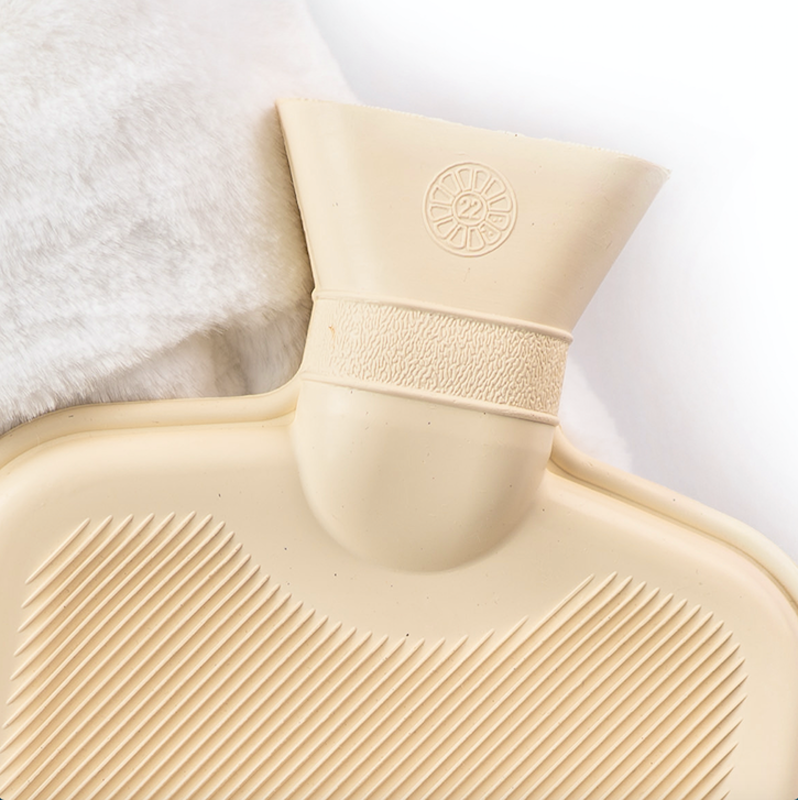
All hot water bottles should be replaced every 2 years or so, as natural rubber does eventually crack with regular use. You can ‘check the age’ of your hot water bottle, by looking at the numbers on the flower-shaped symbol.
You can recycle hot water bottles at rubber recycling plants. CosyPanda say you can also use old ones as mouse mats or garden kneeling pads!
How Cosy Panda Helps Red Pandas!

For each hot water bottle sold, Cosy Pandas donates eto Red Panda Network, which helps to replant the lush Himalayan forests that red pandas call home, now their biggest threat due to deforestation.
Red pandas look very different to Chinese pandas, who also eat bamboo but are adapted to live in the snow (their ‘white faces’ are so bright they can even help mother’s to guide lost cubs in the dark!)
They also have hair on the soles of their paws to walk through snow, and flexible ankles, that let them descend head-first down trees!
Other Benefits of Hot Water Bottles
Not just for keeping you and your bed warm on cold nights, you can also (safely) use hot water bottles for the following benefits:
- Natural pain relief for cramps (including menstrual cramps) and muscle ache
- Help improve sleep, by increasing blood flow and regulating temperature.
- Helps sore muscles and stiff joints.
- No need for electric blankets (saves money!)
- Aids recovery from minor injuries
- Fill with cold water to apply a cold compress (for injuries)