Prevent Street Litter (ideas for councils and volunteers)
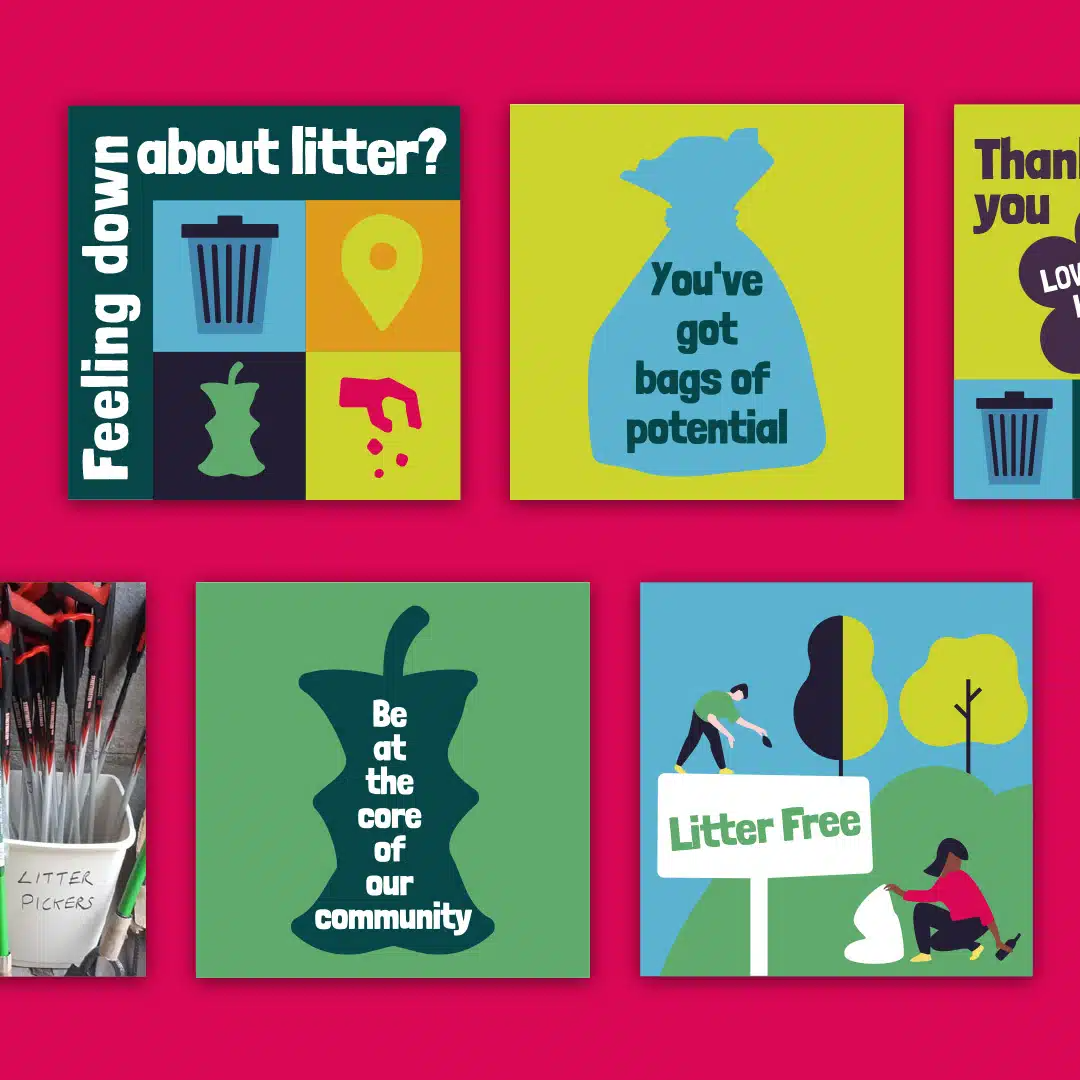
Neat Streets Litter Toolkit is free to download for volunteers and councils, from the wonderful folks at Hubbub. Litter is undoubtedly one of the biggest problems in England, and this inspirational and positive toolkit is packed with case studies of research that works, to make your town litter-free!
Litter not only makes communities ugly, but it harms children, pets and wildlife and pollutes rivers and seas. Obviously choosing reusable over disposable (and deposit return schemes would help). But meanwhile, these guys have done the research to find out how to get people throwing away less litter, and how to pick it up effectively, and not return.
The Neat Street Toolkit includes a library of case studies, along with info on why people drop litter, how to stop them, and the best inventions to keep communities litter-free.
It’s great that volunteers spend hours picking up litter and unclogging rivers full of trash etc. But disheartening if it all comes back again.
Unfortunately, we don’t live in a country like Japan (where people literally never drop litter, it’s just not the culture). Here in England you can often find binned cans and rubbish, right next to bins, even if they’re not full. Why is this?
Behaviour research by Hubbub has shown that often people drop litter, because they say there are not enough bins, others say they are full, and it’s known that if litter is already on the street, it encourages people to drop more.
The answer is not to tell people off (this won’t work). The answer is to educate people on what happens when litter is dropped (harming wildlife etc). And make bins more fun, to encourage them to use them.
It was found that ‘finger-wagging negative messaging’ actually increases litter-dropping by 10%
If all communities downloaded this toolkit, we could have a litter-free England pretty soon. Because once councils and volunteers had cleaned up the litter, it would be unlikely to come back.
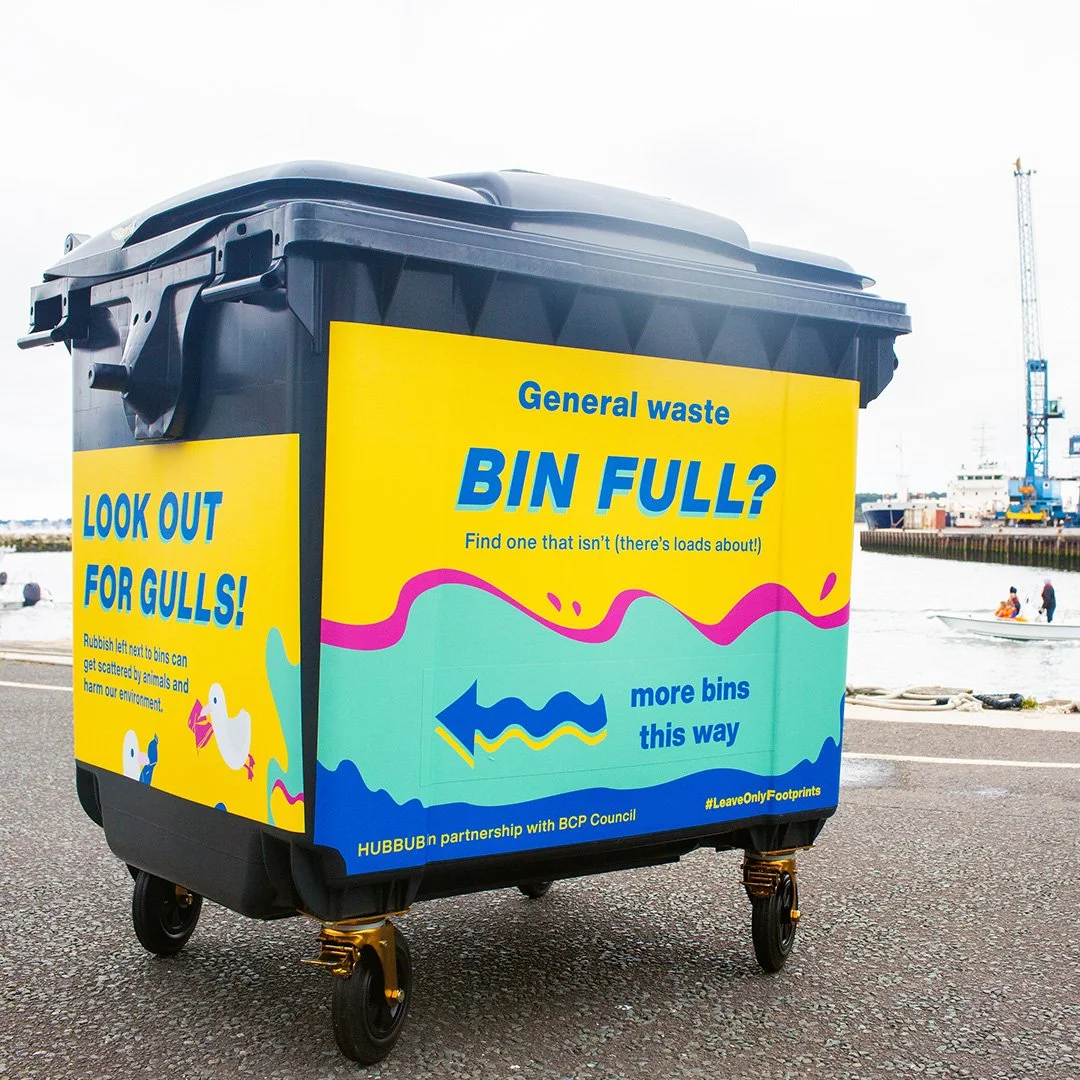
Studies show that bright and colourful bins with positive messaging work. Many people literally are unaware of how dropped tin cans, plastic bottles and cigarette butts harm the planet. And how carrying a personal ashtray could prevent the most littered item on earth (and also prevent fires and wildfires).
People only spend around 2 seconds at a bin, so keep messages short and punchy. Studies show that circular apertures (rather than wide open bins) lead to less littering (this also helps to stop birds and foxes etc raiding bins, which keeps them safe too.
Recycling bins should always be next to general waste bins (most people will not walk around looking for the other one, they are too lazy or busy).
Report Litter Eyesores to Fix My Street
Fed up of seeing litter strewn all over your local town or village? Despite England being absolutely covered in litter, it’s actually illegal to drop it (but the law is not followed through – in Switzerland if you drop so much as a sweet wrapper, a policeman comes to tell you to pick it up).
Litter fines are around £80 (again in Switzerland they rise so if they found those vandals who dumped all that litter in Oxfordshire, they would be fined millions and likely sent to prison).
For now, here’s what you can do. You can report any litter you see to Fix My Street, an open-source website where you can upload reports and photos, using the maps (and ask for updates, if wished).
The difference from reporting litter to your council direct, is that the website sends your complaint to the council, but as it’s made public on the website, something usually gets done. Especially if lots of people complain about the same thing (from litter to potholes to fly-tipping).
What Can Councils Do About Fast Food Litter?
A lot, if they do their job. It could ask fast food outlets to provide more bins (some fast food joints and local supermarkets don’t have bins outside, which they should have considering they sell so much disposable packaging).
No matter who dropped it, it’s your council’s responsibility to clear up litter on public land (paid for by council tax, which is why it’s good to not drop it in the first place).
For private land, councils can serve litter abatement orders, which means the landowners are fined if they don’t clear it up. Or alternatively, the council can clear it, then bill the landowner.
If councils did their jobs properly, we should have litter-free cities, towns and villages everywhere. And considering fast food litter is a big part of this, it makes a good start.
Some fast food restaurants (like London’s Unity Diner which serves vegan food to fund its farm sanctuary) only serves items in compostable packaging, to avoid littering of plastic. So why can’t all the others do that too?