Good for your hair, kind to wildlife: plastic-free hair ties
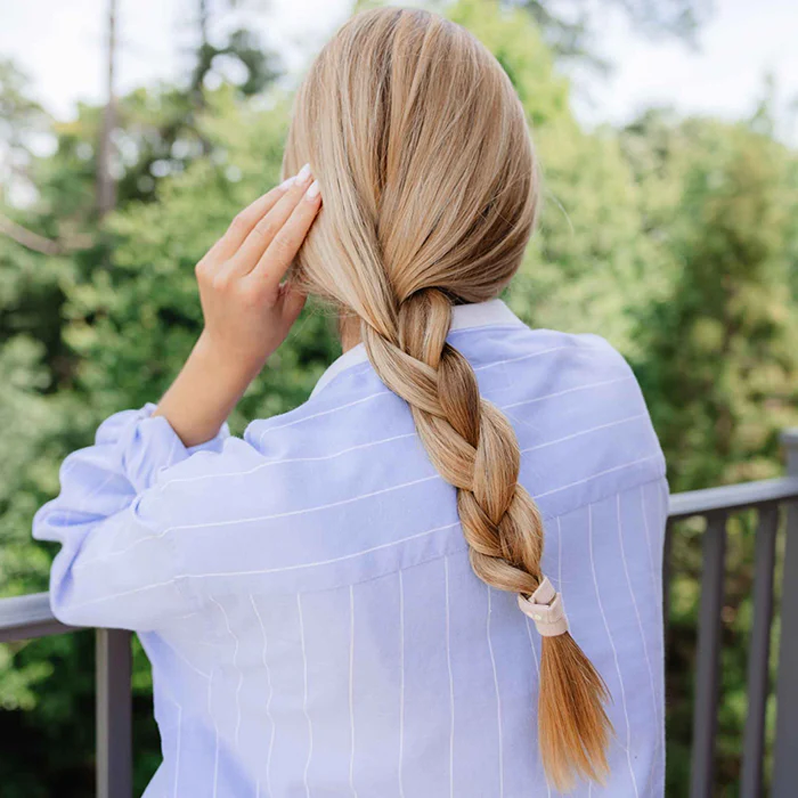
Most hair ties are made from nylon (plastic) which means that when they slip out of loose ponytails (or get lost when children are doing handstands), they fall down drains and go into the sea. Where they are broken down into microplastics, which are accidentally ingested by marine wildlife.
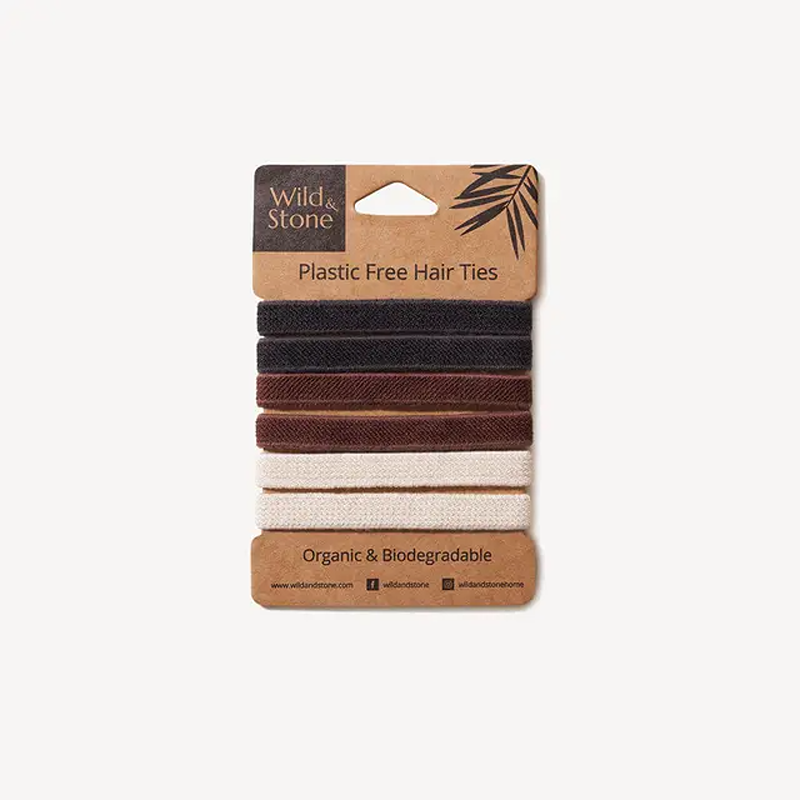
Next time it comes to replace, consider Wild & Stone’s plastic-free hair ties, which are made from natural cotton, in plastic-free packaging.
Keep hair ties away from young children and pets. Don’t tie hair back tightly, as this can cause traction alopecia.
How avoiding elastic bands helps wildlife
Elastic bands not only rip your hair, but again if dropped, can cause harm.
Campaigners want Royal Mail to stop using red elastic bands (they trap wildlife paws/claws, and ducks feed them to chicks, thinking they are worms).
If you see littered bands, cut them up and pop in a secure covered bin (or use them within the office, never outside).
Where to recycle plastic hair accessories
Salons, offices and schools can order a Terracycle Hair & Body Care Waste Box (a one-off pooled fee) to then send back using the prepaid postage, to get plastic hair goods out of your town forever).
You can recycle empty pressurised cans, take half-empty ones at your council’s hazardous waste department).