Plant-Based Knitting Yarns: What to Choose, and Where to Buy
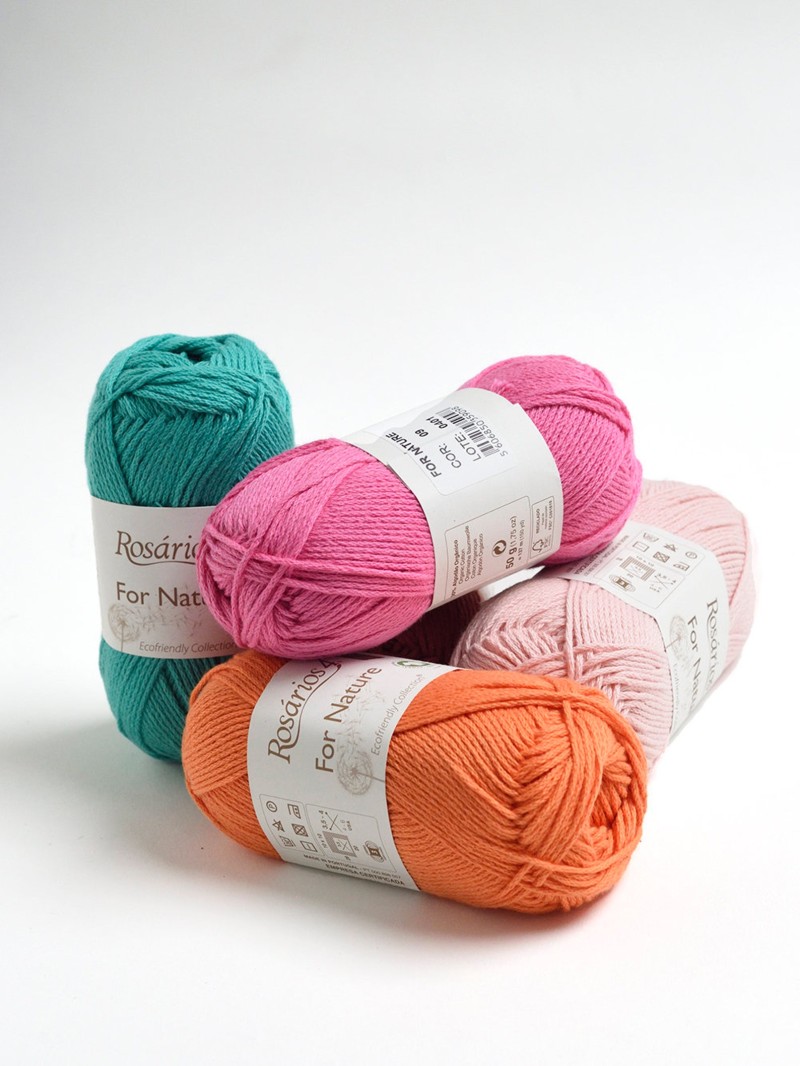
Plant-based yarn are free from animal fibres (so no wool, alpaca, cashmere, mohair, silk, or yak). You’ll usually see cotton, linen, hemp, bamboo, or blends that mix plant fibres together.
People look for plant-based knitting yarns for simple reasons. Some have allergies. Some prefer vegan materials. Others knit in warm homes or hot climates, where wool can feel like a thick jumper in August.
Despite the image often given, keep balls of wool away from cats and kittens, as they are choking and tangling hazards.
Which plant based yarn is right for you?
Plant-based knitting yarns don’t ‘bounce’ like wool, it just means they work differently. Cotton holds shape and handles heat. Linen keeps you cool and gets softer over time. Bamboo can feel silky but may split. Blends are common because they balance the weak spots.
Also choose ones that use eco dyes and check labels for fibre percentage, to avoid viscose and processing, especially with bamboo. There are also many blends that use recycled fibres, again check these are natural.
Linen, hemp, ramie, bamboo
These feel crisp on needles, then soften with washing and wear. Ideal if you like a yarn that ‘breaks in’ like denim. They don’t cling to heat, so good for people who run warm.
Bamboo can split, especially with loosely spun yarns and blunt needle tips. Industrial bamboo is not taken from panda habitats, but ensure it’s not mixed with processed materials.
Soy yarn and Seacell
Soy yarn, sometimes sold as ‘tofu yarn’ is generally made from soy protein by-products. It often feels silky and soft, and it can give a gentle sheen without feeling slippery like some synthetics.
Seacell is a cellulose fibre that includes seaweed. You’ll often find it blended with cotton. It tends to feel smooth and cool, with a tidy stitch look.
How to buy plant based knitting yarns
Buying plant-based knitting yarn is easier when you shop with a plan. First, search by fibre name, not just ‘vegan yarn’.
- Local yarn shops can be good for plant-based options, even if the windows are full of wool. Staff can save time by pointing out the right blends.
- Some shops stock cotton and linen on cones for weaving, but they knit well too. Clearance shelves can hide plant fibres that didn’t sell in winter. Before you buy several balls, check return policy and whether they match dye lots.
- The Orry Mill sells plant-based knitting yarns and kits.
Bamboo knitting needles
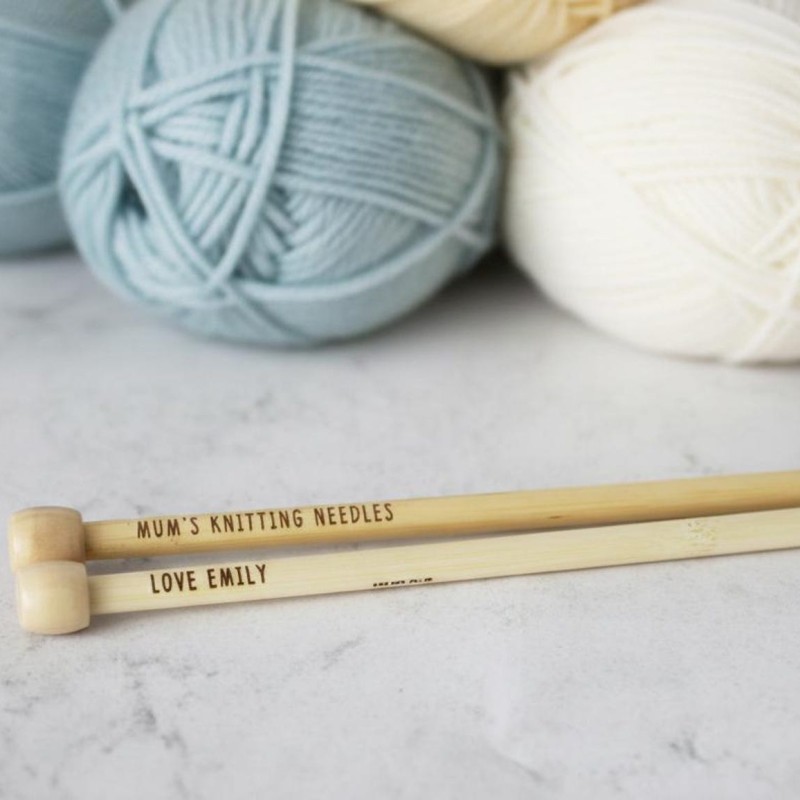
Bamboo knitting needles have a slight grip. That helps when yarn feels slippery, like bamboo viscose, soy, or smooth cotton. They also feel warm in the hands, and they’re quieter than .
On the other hand, bamboo needles can slow you down if you knit tightly. Tips can wear over time, and very splitty yarn may snag.
How to knit with cotton, linen, and hemp
- Start with a swatch, and wash it the way you’ll wash the final item. That’s the moment when linen often softens, and cotton often relaxes.
- If the fabric feels stiff, size up your needles. If your hands ache, loosen your grip and slow down for a few rows. Simple stitches help too, because plant fibres show texture well without fuss.
- When you join a new ball, don’t trust tiny factory knots. Plant yarn knots can slip. Instead, join with a neat method you trust, then leave ends long enough to weave in securely.
Why some knitters avoid wool
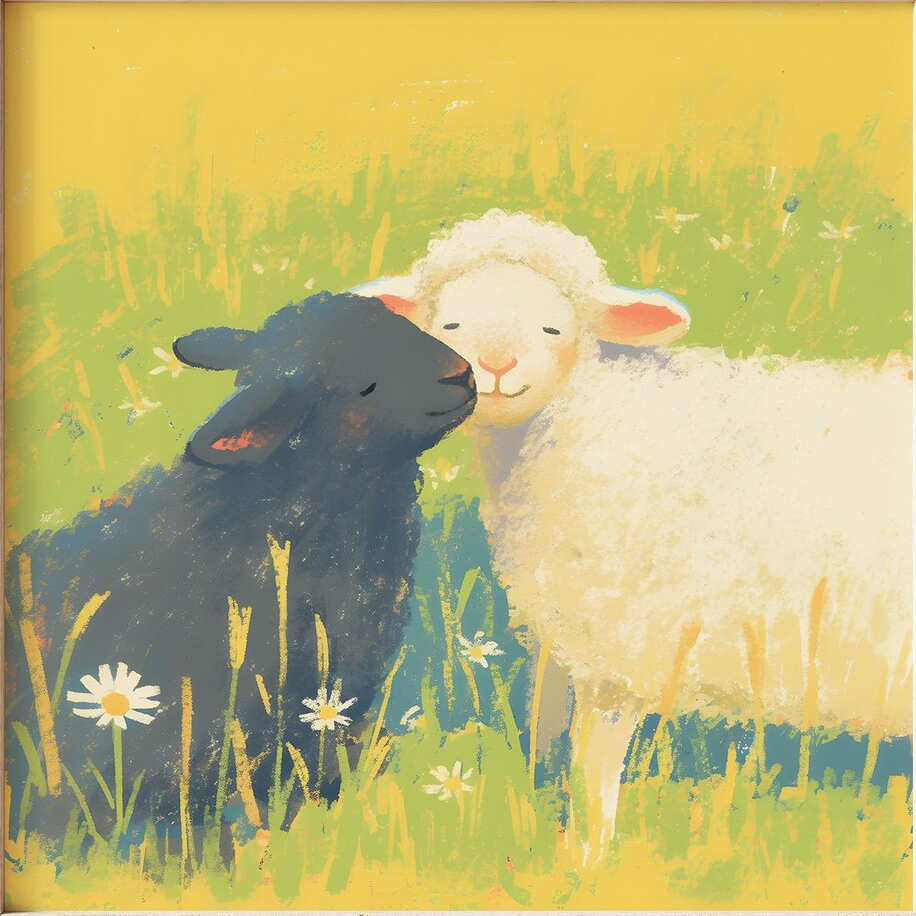
Sheep need shearing, otherwise their fleece can trap heat and even block their view of predators. Still, the standard wool industry comes with real welfare problems.
In some places, people shear sheep too early, so they struggle to stay warm and can develop hypothermia. In addition, many sheep go through mulesing, where workers cut away strips of skin to reduce flystrike, often without pain relief.
Also, when sheep age and produce less wool, some farmers kill them rather than keep caring for them. If you do wear wool, choose wool brands that don’t slaughter the sheep, and only shear them. Options include vegetarian wool or sheepskins.
How to upright an overturned sheep
If when out walking you see a sheep on its back (due to pregnancy or rain-soaked wool), just firmly right it back (or it will die) then stay with it, until the rain has drained off.
Where to recycle knitting yarns
If you have an old jumper or a failed project, you can reclaim yarn in a calm, methodical way. Unravel it, wind it into a loose hank, wash it gently, let it dry fully, then wind it into a ball. And send to Knit for Peace.
Volunteer knitters to help others
If you want to knit for animals, call your local shelter or rescue first. Needs vary, and some have strict rules for hygiene and safety. Many will welcome small blankets, if they don’t snag. Snuggles Project has suitable patterns for registered shelters to receive them.
Choose washable fibres (cotton or recycled cotton works well), keep sizes sensible, avoid loose loops, and skip buttons or dangly ties.
In Yorkshire, a care home of ‘knitting nanas’ recently sent a homemade blanket to Hercules the baby rhino, expected to make a full recovery after a hyena attack. One of the knitters said ”Seeing Hercules in one of our blankets has made my day. He’s such a cute little fellow’.
In Australia, a 103-year man (who had been knitting since 1932), knitted sweaters to stop penguins affected by oil spills from ingesting the oil, while recovering.
Knitting patterns for plant-based fibres
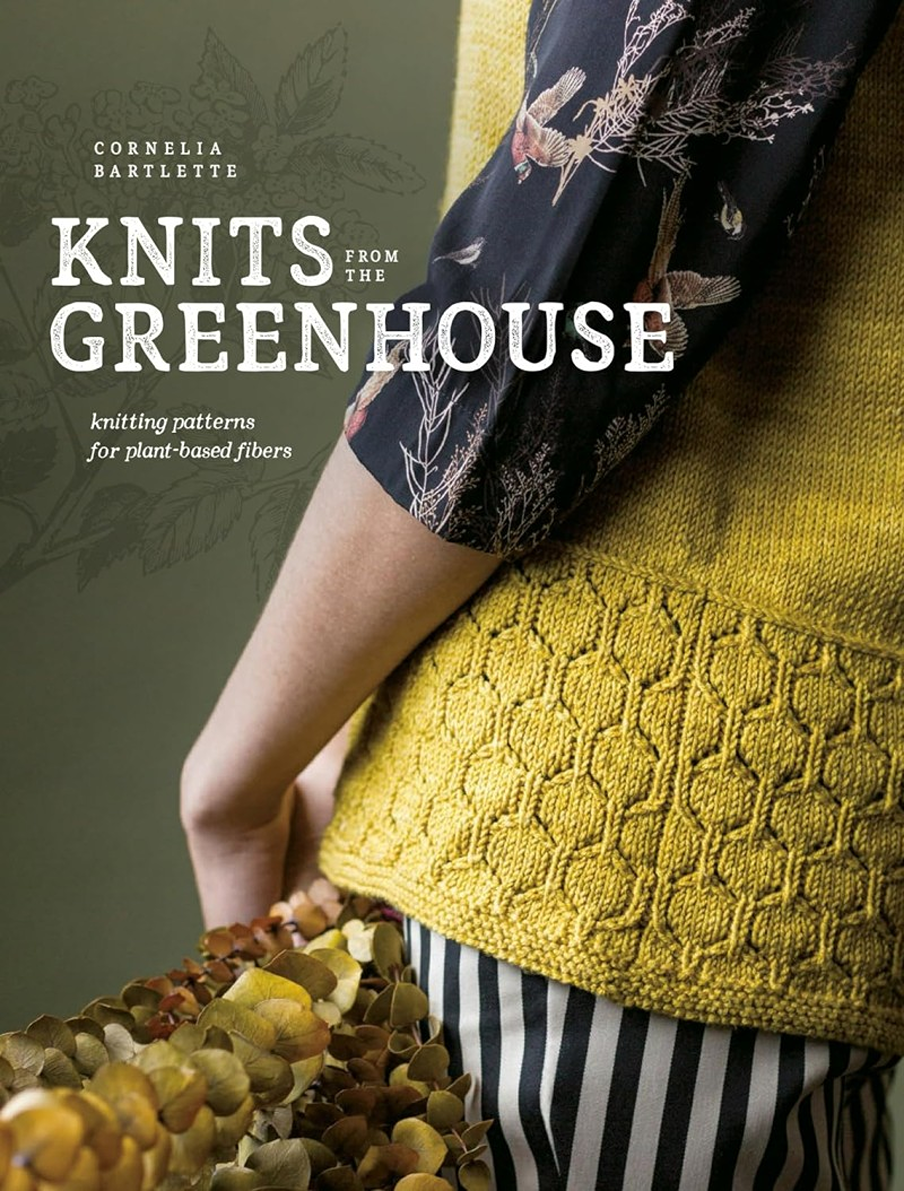
Knits from the Greenhouse is one of the first books to show how to knit clothes and accessories with plant-based knitting yarns. It features 18 projects and helpful tips from designers who work with vegan yarns.
Weganool (a wool made from weeds!)
Weganool has been called “more sustainable than dirt”. It’s a new kind of wool made from weeds, produced in India from carefully extracted calotropis stem and pod fibres, then mixed with organic cotton. The woven fabric feels light, yet it manages heat well. So you get the cosy feel of wool, without using animals.
Because it’s made without chemicals and with little waste, it suits a wide range of uses. For example, it can become shirts, dresses, scarves, and inner linings, as well as single jersey and fleece knits.
It also grows well in drought-prone regions, so it can save water compared with cotton. On top of that, it can support local jobs. It’s dyed with natural sources too, including plants, flowers, roots, seeds, and minerals.
Willow and Claude (a vegan knitwear brand)
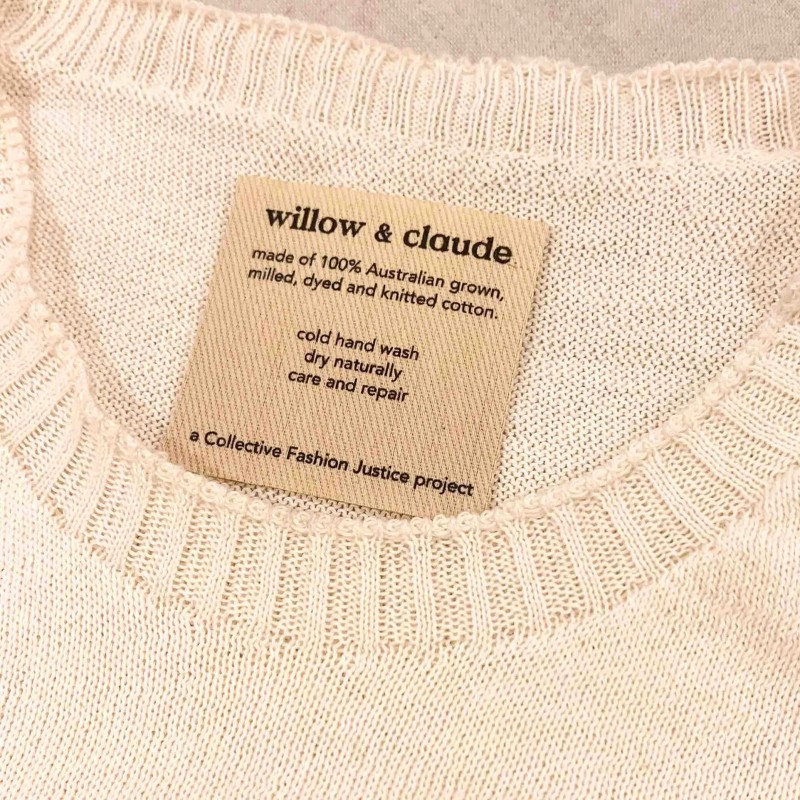
Willow & Claude is a vegan knitwear brand, set up to help reduce the millions of sheep killed each year for meat and wool. Profits also go towards Collective Fashion Justice. The company is named after two lambs that were rescued from Lamb Care Australia, which gives loving homes to unwanted lambs and sheep (or those at risk of slaughter or exposure) to give them a second chance in life.