Boycott Nuclear Power (England doesn’t need it)
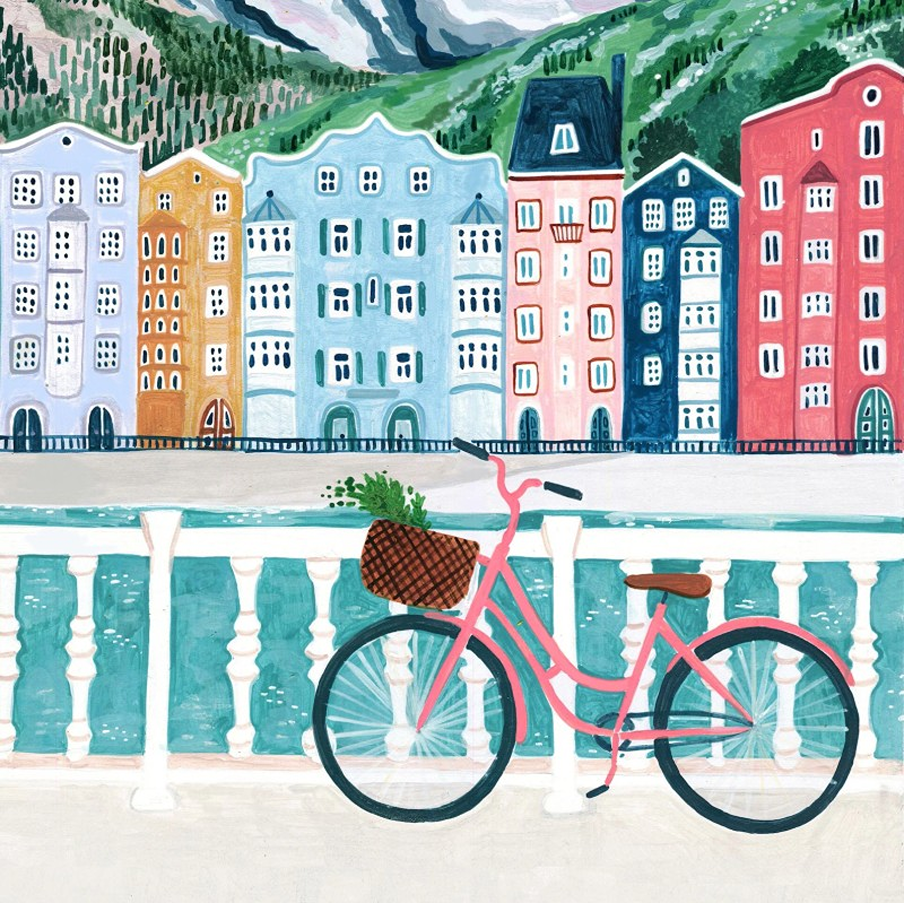
England opened the world’s first commercial nuclear power station in 1956, and still has many old reactors that are being de-commissioned. Yet Austria (above) and New Zealand have no nuclear power at all, and no intention of ever having it.
Like Iceland, nearly all its energy is from renewable resources already, and it expressed concern over a planned nuclear plant in neighbouring Slovakia.
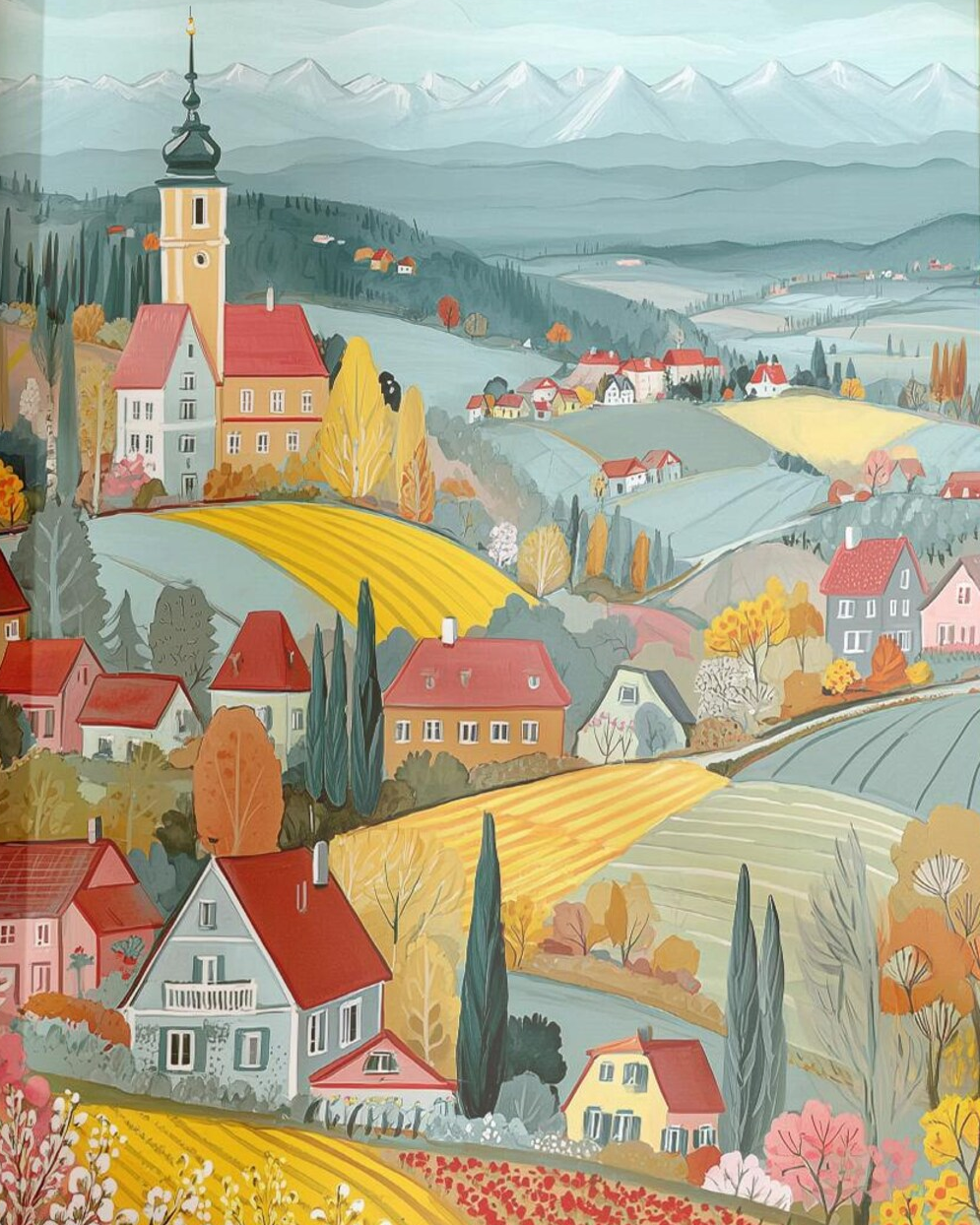
Austria (which looks similar to Switzerland) is believed by many people, to be the most beautiful country on earth. This alpine paradise is home to beautiful lakes, Europe’s tallest waterfall, the largest ice cave on earth, and mountain trains.
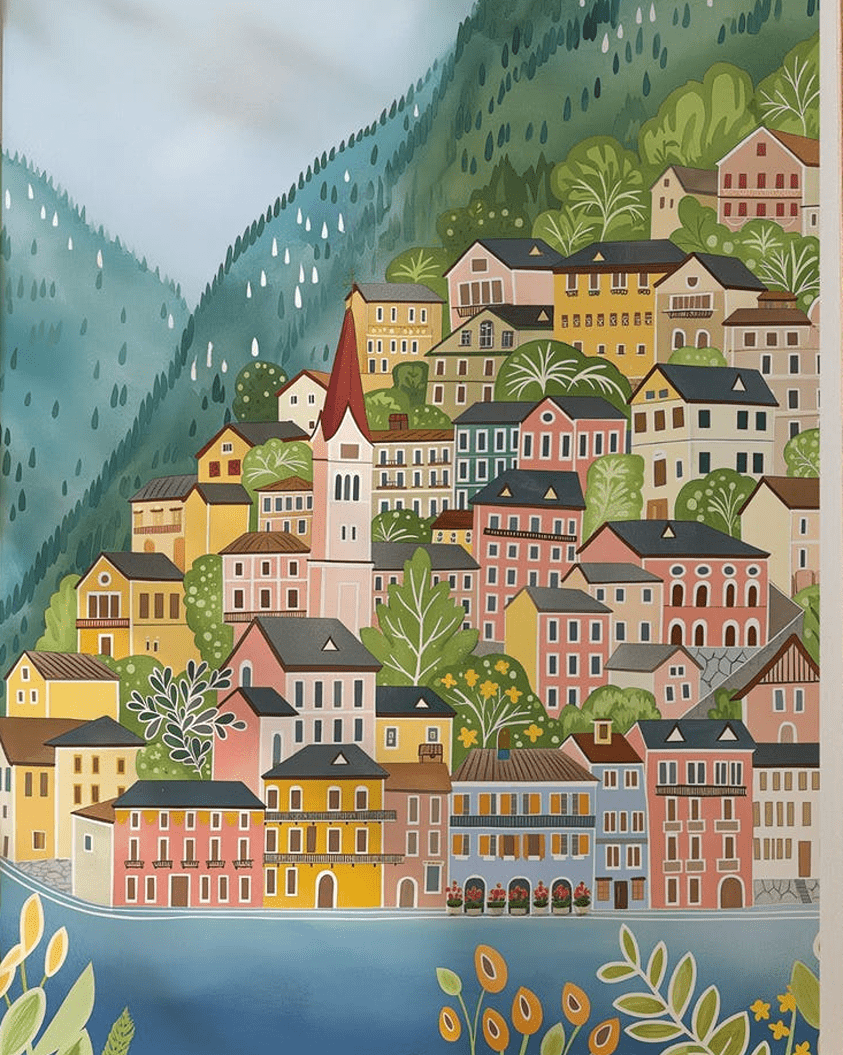
Yet despite being a mostly urban country (a good portion of people live in the capital city of Vienna, it’s also got some of the toughest laws on protecting the planet in the world.

England gets around 15% of power from nuclear). But in New Zealand, people see uranium as a dangerous radioactive material that could risk an accident or war. Nuclear is owned by ‘big energy’ to keep shareholders happy.
Our government has plans to build more nuclear power stations (including a small one on the beautiful wildlife island of Anglesey in North Wales), with an aim of providing around 25% of electricity using this dangerous, expensive and unnecessary form of power.
We can reduce bills and climate change, with walkable communities that promote farmers’ markets and independent shops (a huge amount of oil is used to power supermarkets and lorries to drive food to them). And insulating homes, so that they need less energy to heat.
Conservatives, Labour and Reform UK all support building more nuclear power plants, Lib Dems also do (thought not so many) and Greens don’t want any. If that sounds radical, know that a large number of countries abroad use no nuclear power, and have no intention of doing so:
Other European Countries with No Nuclear Power
- Croatia
- Cyprus
- Denmark
- Estonia
- Greece
- Ireland
- Italy
- Latvia
- Liechtenstein
- Lithuania
- Luxembourg
- Malta
- Norway
- Poland
- Portugal
- Serbia
Other Countries with No Nuclear Power
- Australia
- Belize
- Cambodia
- Colombia
- Costa Rica
- Malaysia
- Nepal
- Peru
- Philippines
Nuclear Power is Not Safe
Nuclear plants cost billions of pounds to build, with 1.5% of them having had a meltdown accident. Uranium mining can cause lung cancer.
And nuclear waste remains radioactive for hundreds of thousands of years (residents near the islands in the Pacific that carried out nuclear testing almost 100 years ago, still have a higher cancer risk today).
Radioactive Bird Droppings from Sellafield
England’s largest and oldest nuclear plant (Sellafield in Cumbria) was built in the 1940s to make plutonium, in expectation of a cold war. Today, the process has begun to shut the plant down, which will take 100 years.
In the 50s, a fire sent radioactive waste to mainland Europe, and cows’ milk became radioactive. Today, droppings from swallows have found radioactive insects (these birds migrate to Africa, taking pollution with them). Local stray cats are screened for radioactivity, before rehoming.
Even people in Norway are concerned over radiation for their own food and wildlife, due to south-westerly winds possibly carrying radioactive particles across the North Sea, in the event of an accident.
Stop Nuclear Power on the Isle of Anglesey
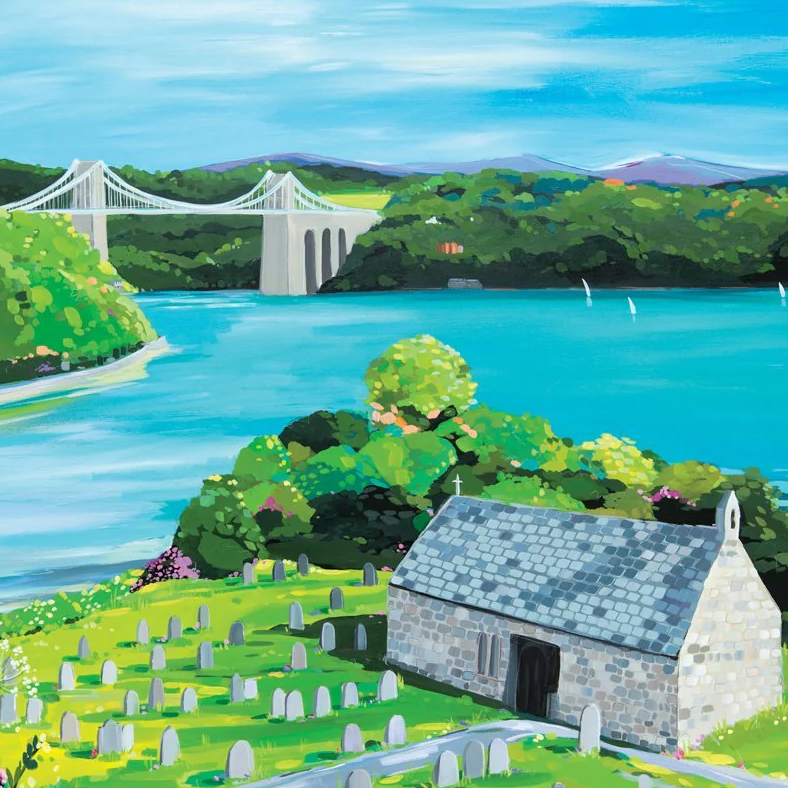
Many of us in England, only know Anglesey as the ‘place where you take the Holyhead ferry to Ireland’, if you’re not flying to the Emerald Isle. And puffins! Known as ‘the mother of Wales’ (Mon Mam Cymru!), this untouched island is thriving with red squirrels, as pine forests are left intact (like in Northumberland). Proving culls for grey squirrels are not needed, when habitats are left intact.
Recently, the increasingly barmy Labour government has decided to install a polluting nuclear plant one of the least polluted islands in the British island, which has huge concerns over the fate of local birds (recently 2000 pairs of terns arrived here – a protected yet endangered species).
Recently, young people marched across Gwynedd and Anglesey, presenting declarations to local councils about ‘greenwash’ on the safety of nuclear power (bedding down in village halls on root). One said she did not get too many blisters, and they had massive support from local people.
All are annoyed that decisions taken at Westminster will affect their local climate and wildlife, when creating walkable communities, oil-free organic food and locally-owned shops (need no oil-filled lorries to deliver food) are far better ways to preventing climate change.
Portmeirion (or a Welsh Disneyland?)
Portmeirion is a North Wales village that looks like Italy, some love it, others see that it ‘sticks out like a sore thumb’ in the Welsh countryside. Although the architecture is beautiful, some say it’s tacky like a Las Vegas style fake village, and it costs £20 to enter, with over-tourism in summer.
It’s also not dog-friendly (not even allowing pets in holiday cottages) so not an obvious destination for many visitors.