Paint Without the Poison: Your Guide to Zero-VOC Brands
Most house paints contain volatile organic compounds (which release gases to cause headaches and illness). No paint can be 100% green, as it needs preservatives (even washing clay causes VOCs). But look for brands that are zero or virtually zero VOC (low VOCs is just greenwash).
Paint preservative can be fatal in inhaled (true of all paint), so keep children, pets and pregnant/nursing women out of painted rooms, until dry and aired. Titanium (also found in cosmetics and sunscreen) is also pet-toxic, so keep away from wet walls or use titanium-dioxide-free paints.
- Lime-based paints can help to prevent mould and mildew (good to help prevent crib death (along with other factors) but all natural paints should let walls breathe anyway.
- For older homes buy a lead paint test kit, as this element can harm. It’s best to have professionals remove it, as you need PPE and special methods to avoid dust/fumes.
Eco-friendly decorating tools and brushes
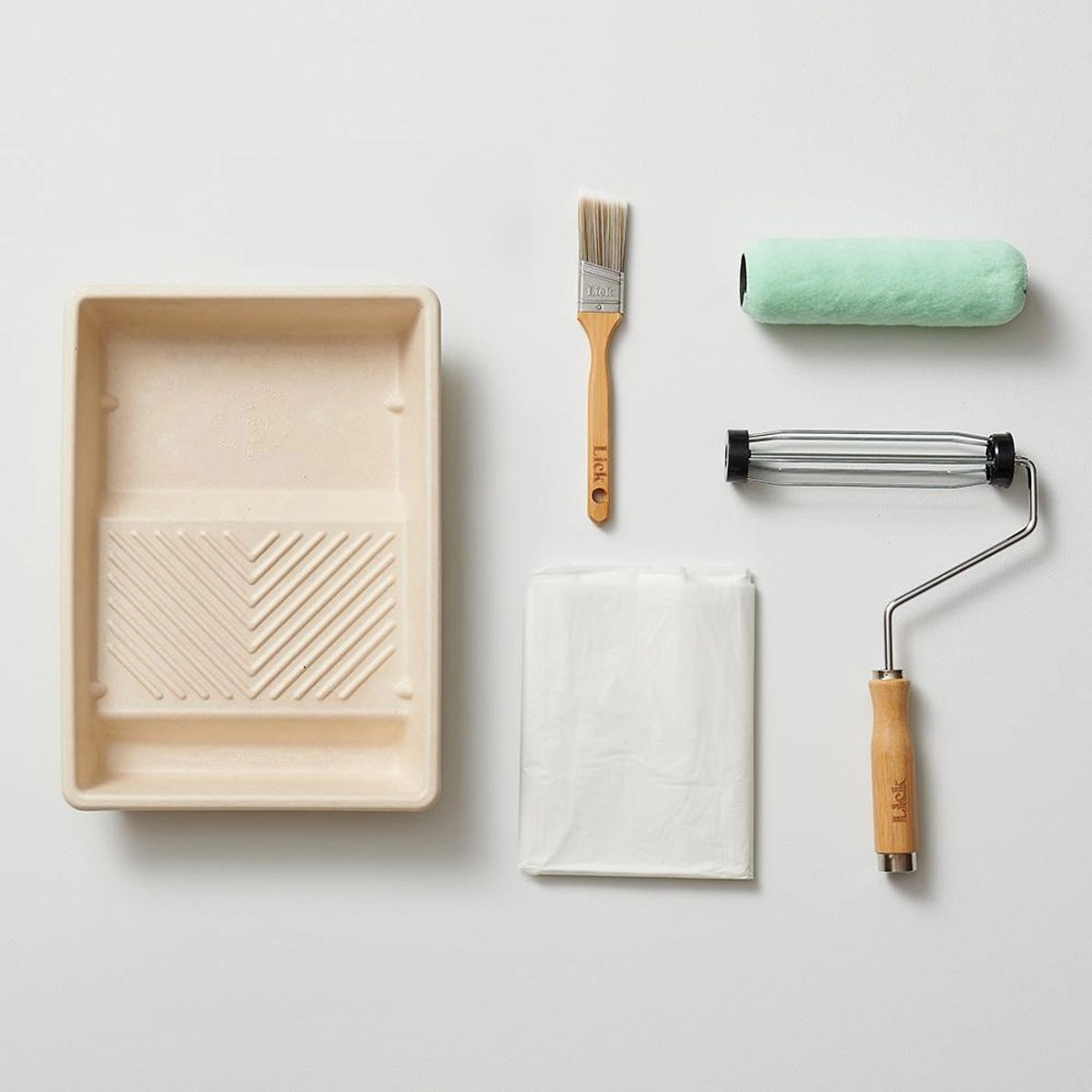
Lick offers good eco-friendly decorating tools. The range includes:
- Vegan brushes with bamboo handles & recycled steel ferrules
- Biodegradable paint trays & kettles
- Biodegradable dust sheets
- Recycled polyester paint rollers
Home Strip is a nontoxic paint remover for most surfaces, also in a version to remove Artex (without turning into a gloopy mess due to polymers from 80s wallpaper).
Decorators often use this to remove asbestos paint, as it does not cause airborne fibres. Just apply and score with a blade, then use a long-handled scraper to lift (apply foil overnight, for best results).
To make your own sugar soap, mix half a cup of baking soda in a bucket of water and apply as a non-soaking scrub. Or buy commercially from Auro.
Keep children and pets well away from sanding, due to dust inhalation and possible release of titanium dioxide. Ideally wear a mask and sand in a well-ventilated area.
Earthborn eco friendly decorating tools
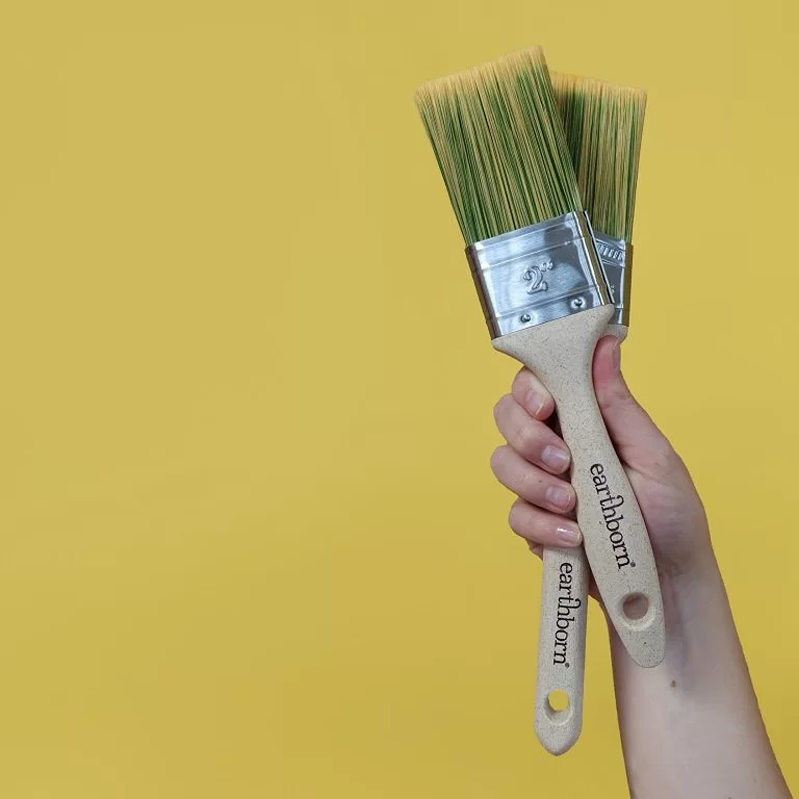
This company has its own range of plastic-free decorating tools. Designed to last years, they make use of bamboo (the world’s fastest-growing grass) and recycled/biodegradable products. The range includes a cutting-in brush and a detailing brush for skirting and painting furniture.
Graphenstone: lime-based eco-friendly house paints

Graphenstone is a cradle-to-cradle-certified vegan paint (not tested on animals) with a free colour chart (white and 96 colours), all based on lime, and as affordable as other main brands.
Sold by The Organic & Natural Paint Co (which has info on green and vegan paints).
The range includes:
- Matt and eggshell paints
- Air-purifying paint
- Nursery-friendly paints
- Heritage paints for listed homes
- Wood varnish
- Trade paints for decorators
Lakeland Paints (odourless paints from Cumbria)
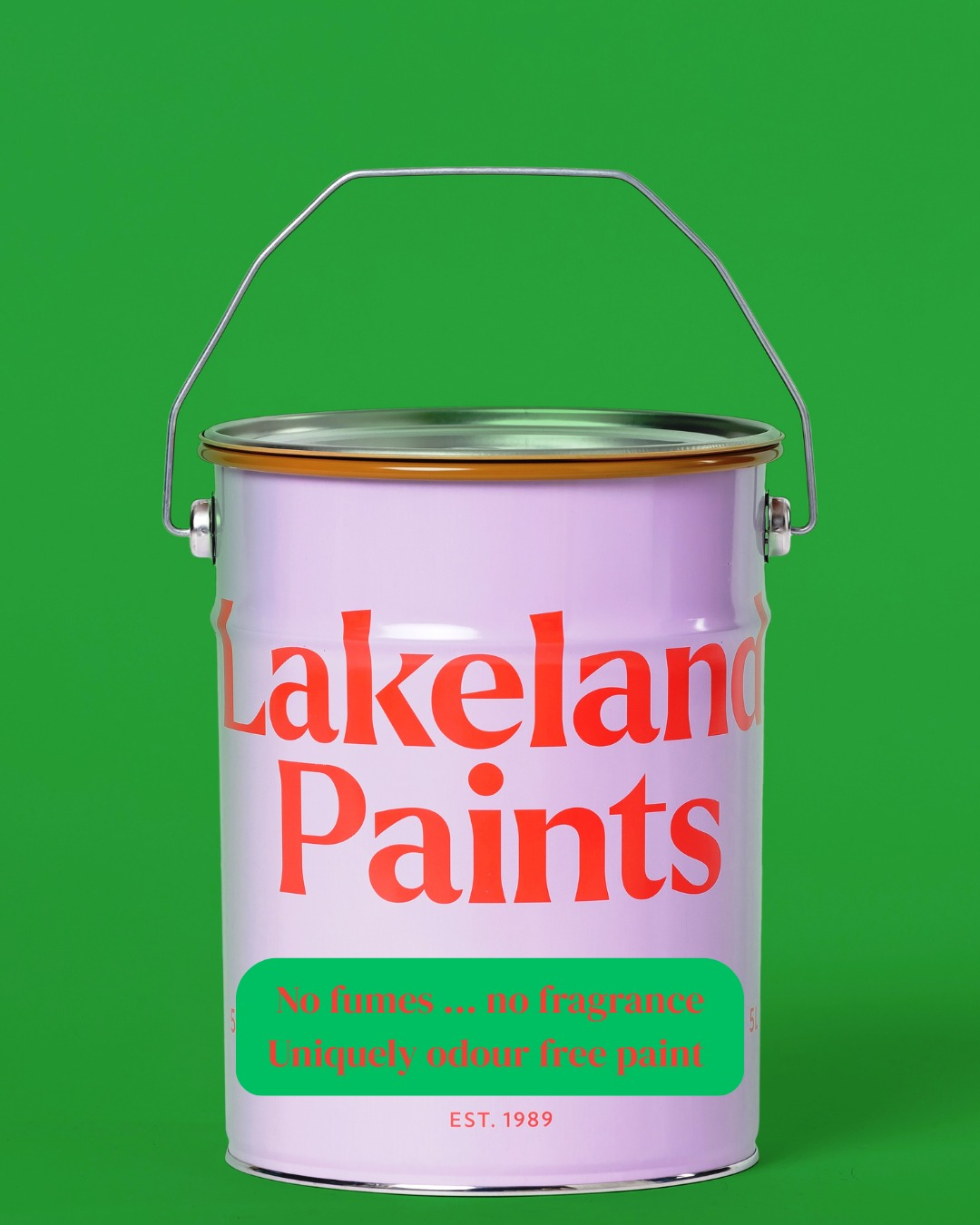
Lakeland Paints are odourless and sold in a wide range of colours, for walls, wood, metal, floors and masonry.
Plus there are specialist paints like air-purifying paint, claypaint and MDF-passifying primers, fire-retardant paints (for combustible materials) and paints for people with asthma. This brand also carries a guarantee that all the paints are both vegan and not tested on animals.
Earthborn (eco-friendly clay paints in 72 shades)
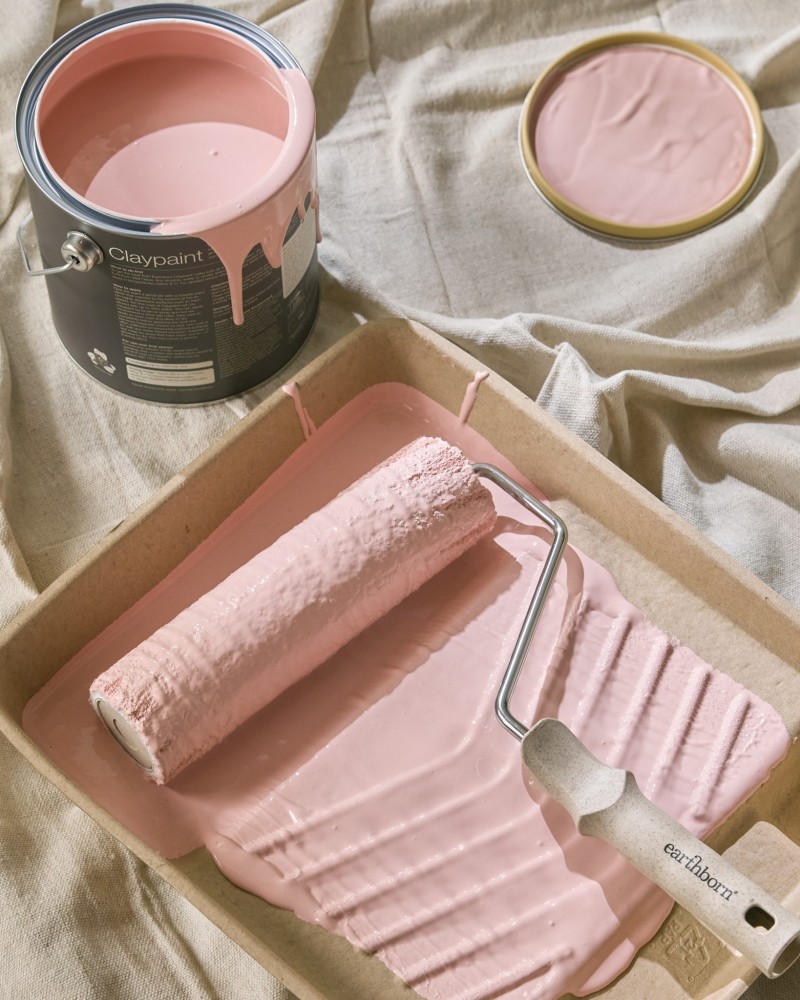
Earthborn Claypaint is a thick creamy matte paint in 72 shades, good with lime plasters and requires less coats than traditional emulsion.
It’s breathable so good in older homes that may have had damp problems, and it won’t trap moisture (which can cause bubbling and peeling).
Little Knights (paints for indoor and outdoor spaces)
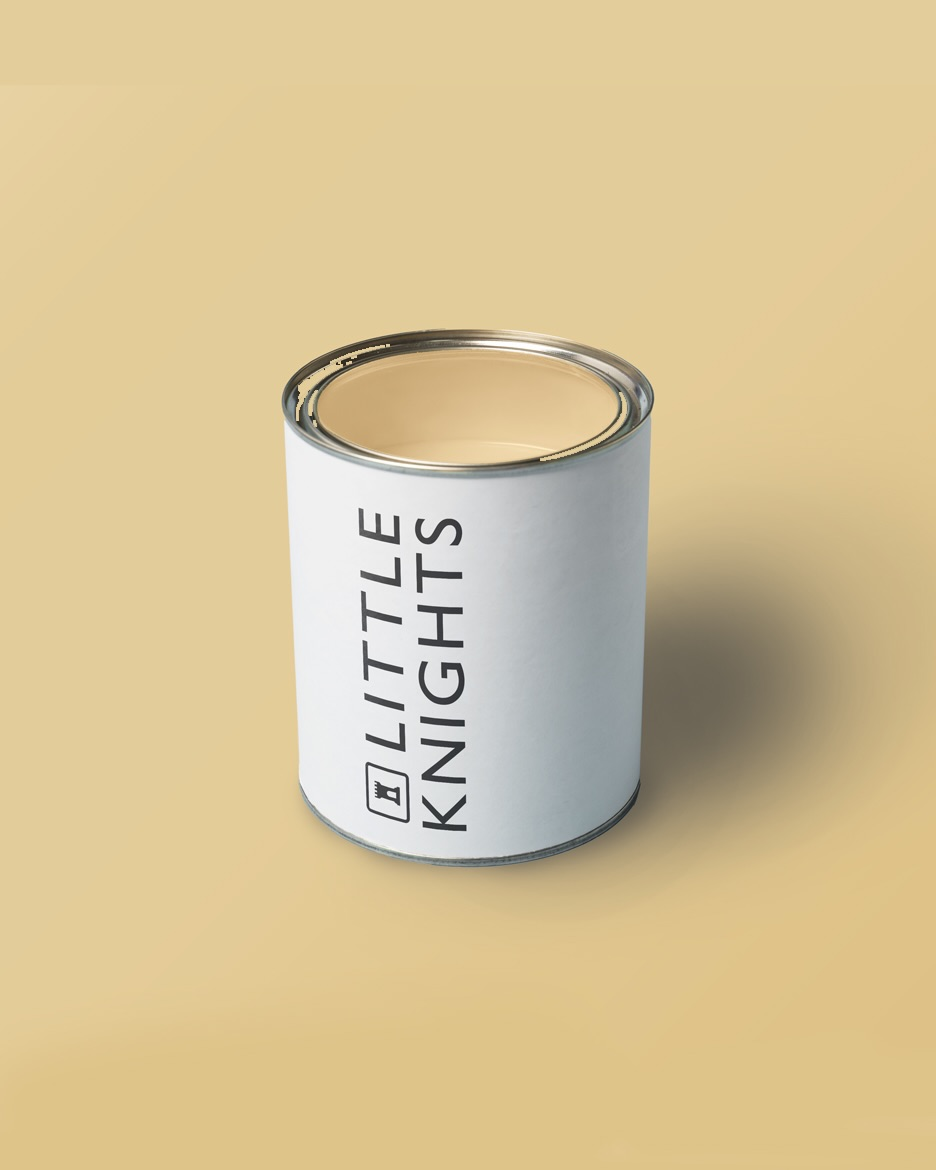
Little Knights offers paints for indoors and outdoors (including radiator paints, external metal and masonry paint). These paints are pigment-rich for exceptional tones on walls.
YesColours (natural paints in eco pouches)
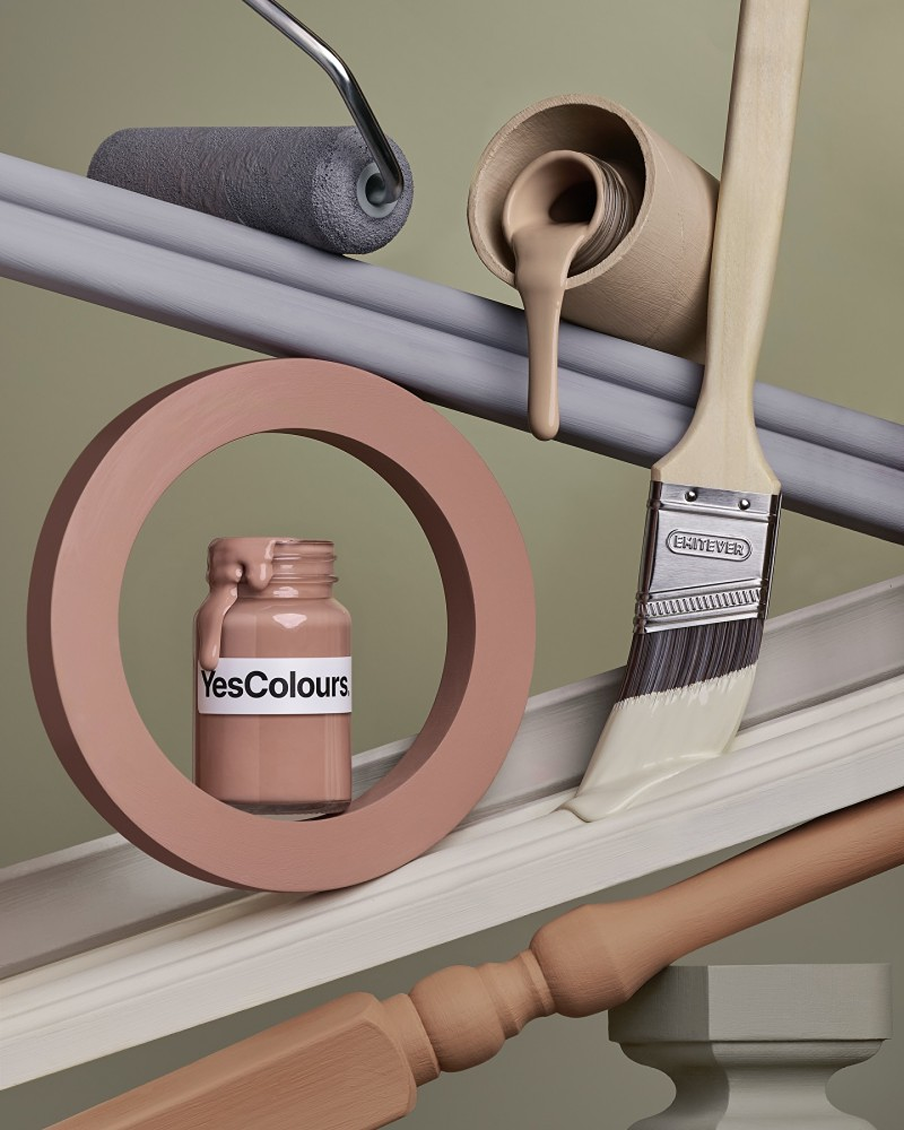
YesColours are sold in easy-to-recycle pouches, that protect against moisture, mould and dust. The packaging means you squeeze out what you need, to avoid waste.
The clear circle window lets you check each colour, before opening. This company offers 66 colours as swatch cards (with real paint) instead of wasteful pots.
Clayworks (naturally coloured clay plasters)
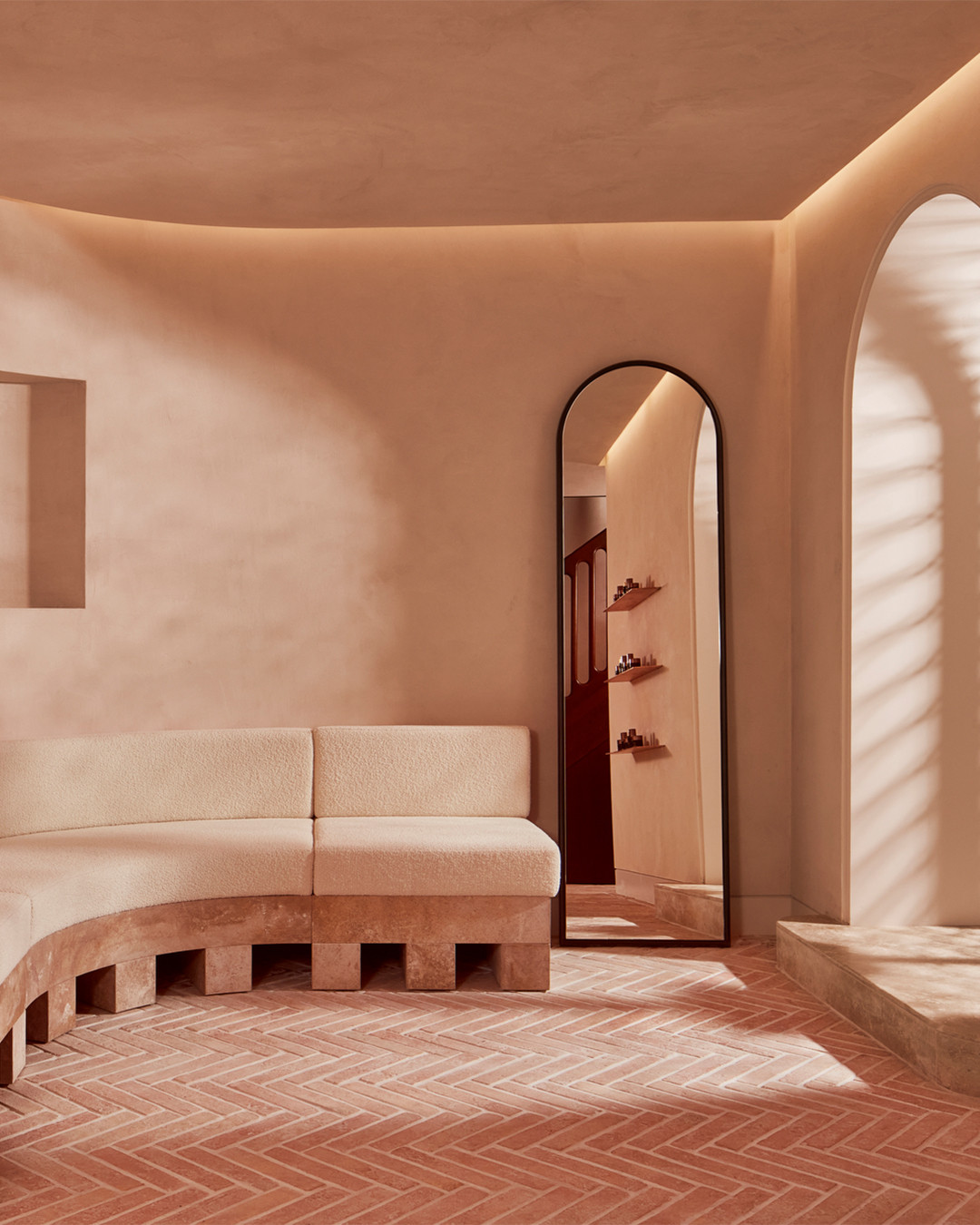
Clayworks is a company founded by a married couple who wrote the cob building book above. Their clay plasters are naturally coloured, so you can paint and plaster eco homes in no time. The site has full information on how to use, and where to find decorators who are trained in using these plasters.
Clay plasters are not suitable for wet rooms (like bathrooms) or sustained exposure to water, but good for indoor walls and ceilings.
Made mostly from lime and clay, natural plasters let walls breathe and form a seal that is less likely to off-gas toxic chemicals. They don’t trap damp, salt and condensation (which can lead to peeling paint, brown plaster and a cold stale feel indoors). They also repair well, and look lovely!
Clay plaster (for bedrooms and living rooms) has a warm matte look and earthy finish, and hardens as moisture leaves the wall, so is easier to rework and patch later on. It’s also more affordable.
Drying times can stretch in England’s cool damp weather, so they will take longer to dry in winter, poorly-heated houses or north-facing rooms. But still dry quicker than lime.
Lime plaster (for bathrooms and utility rooms) is made from lime, sand and water, and can cope well with movement in older walls. It’s good for English period homes like brick, stone and historic masonry, as it lets moisture vapour pass through, to let walls dry naturally.
Building with Cob (more suitable than adobe in England)
Building with Cob is an illustrated guide to building homes with England’s answer to adobe, a mix of clay and other materials, for affordable eco-friendly homes (popular in Cornwall). Includes 300 colour photos, 85 diagrams and tips on restoring old cob buildings.
Adobe is a popular form of building abroad, which uses sun-dried earth blocks. But in England we don’t get as much sun! Cob is easier in England as it does not rely on premade sun-dried blocks, and still offers thick earth walls and a hand-made feel. It’s also good to make outbuildings as well as standalone homes.