How to Take Care of Your Feet, Naturally
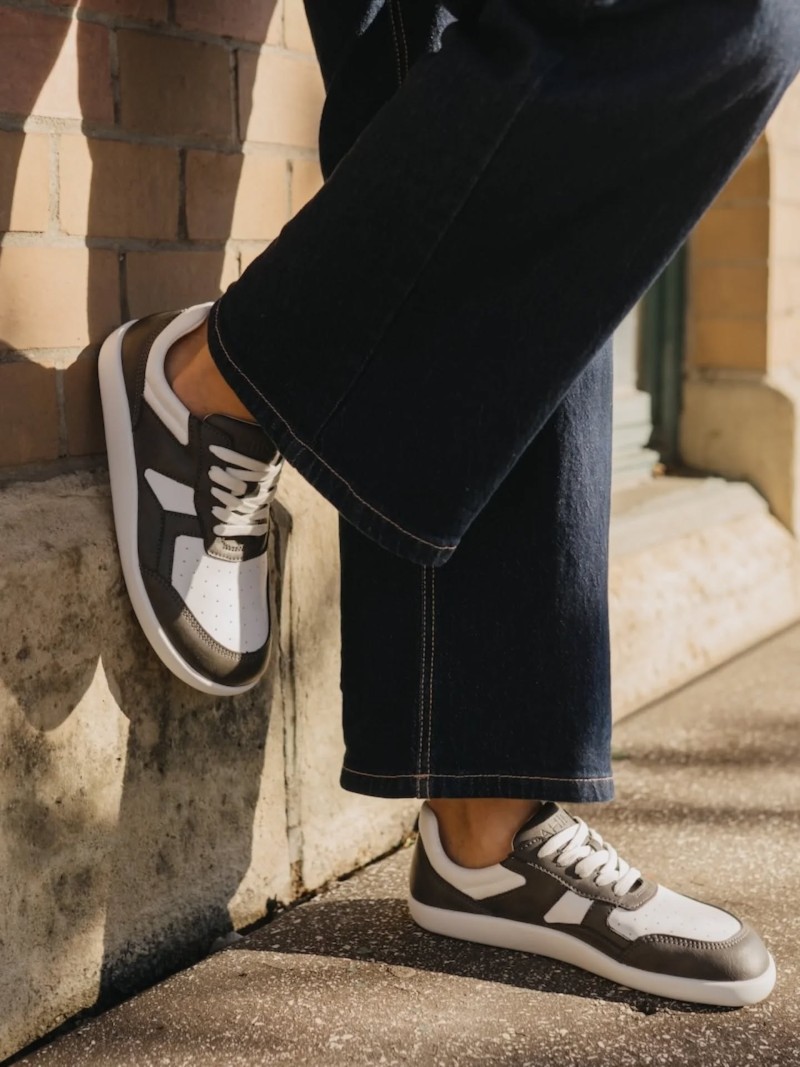
Ahinsa Shoes are handmade in Croatia and Czech Republic. They look a bit different, but that’s because they have been designed by a physiotherapist, who noticed all his good work was undone, when patients would then stuff their feet into badly-fitting shoes.

Most of us are fortunate enough to have a pair of working feet. So here are tips on how to take care of them naturally. Also read our post on where to find quality vegan shoes and boots.
Made with quality vegan materials (in styles from shoes to sneakers to sandals and winter boots), these are designed to follow the natural shape of your foot, and to last millions of steps.
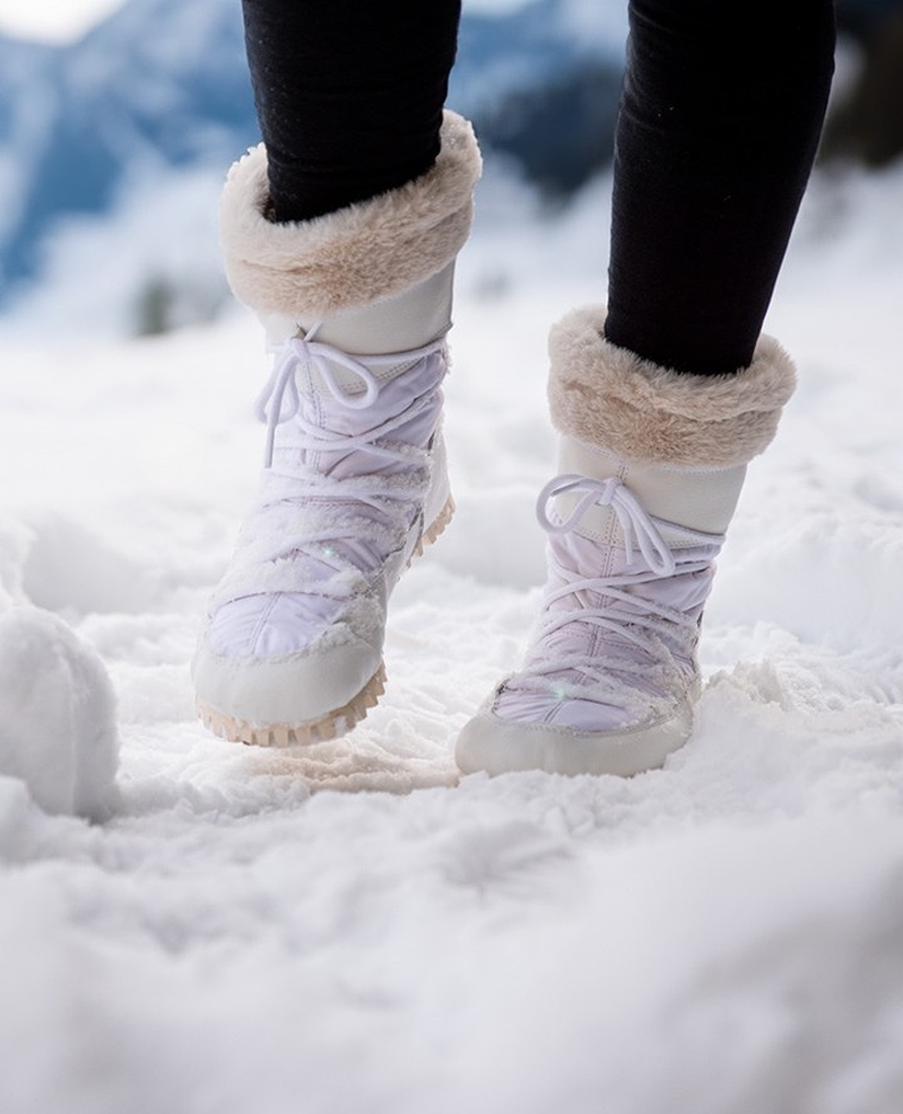
Depending on style, these shoes are in vegan leather or suede (winter shoes), hemp or linen (summer shoes) or winter boots with vegan fur lining to keep your toes toasty (tested in freezing Finnish temperatures!)
Choosing the Right Shoes for Healthy Feet

Shoes shape our feet just as much as nature does. Uncomfortable shoes squash, rub, or force feet into unnatural positions, leading to pain and long-term problems.
Shoes that pinch or pile pressure on certain points can trigger bunions, blisters, or corns. Flat, unsupportive soles strain tendons. High heels shorten calf muscles. Even trainers can slip if too tight or unsupportive.
Pick shoes as carefully as you’d pick a mattress or pillow. Support should start at the heel, with a snug but gentle fit around the whole foot:
- Try on new shoes later in the day, as feet swell
- Stand and walk in shoes before buying
- Check for a thumb’s width of space at the tip
- Prioritise breathability and soft materials
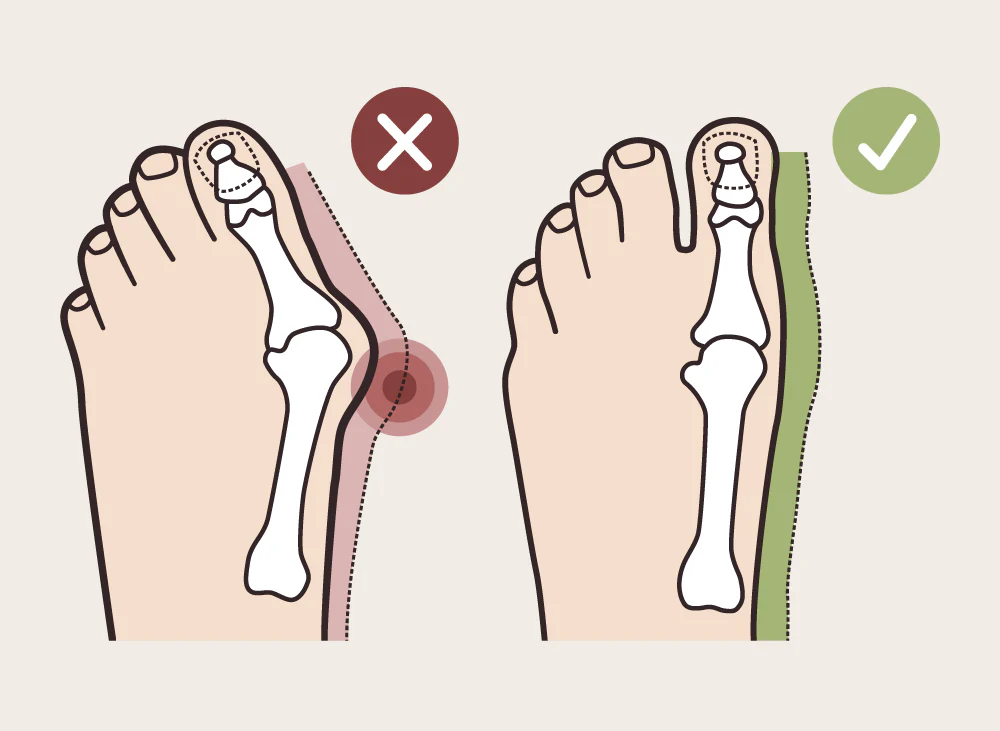
- For bunions: Look for extra width and no seams by the big toe
- For blisters: Seek smooth linings and flexible uppers
- For flat feet: Find gentle but firm arch support
Work shoes should cushion and stabilise. Exercise shoes need shock absorption and flexibility. For leisure, let your feet relax in lightweight, open styles.
The Foot Book (how to take care of your feet)
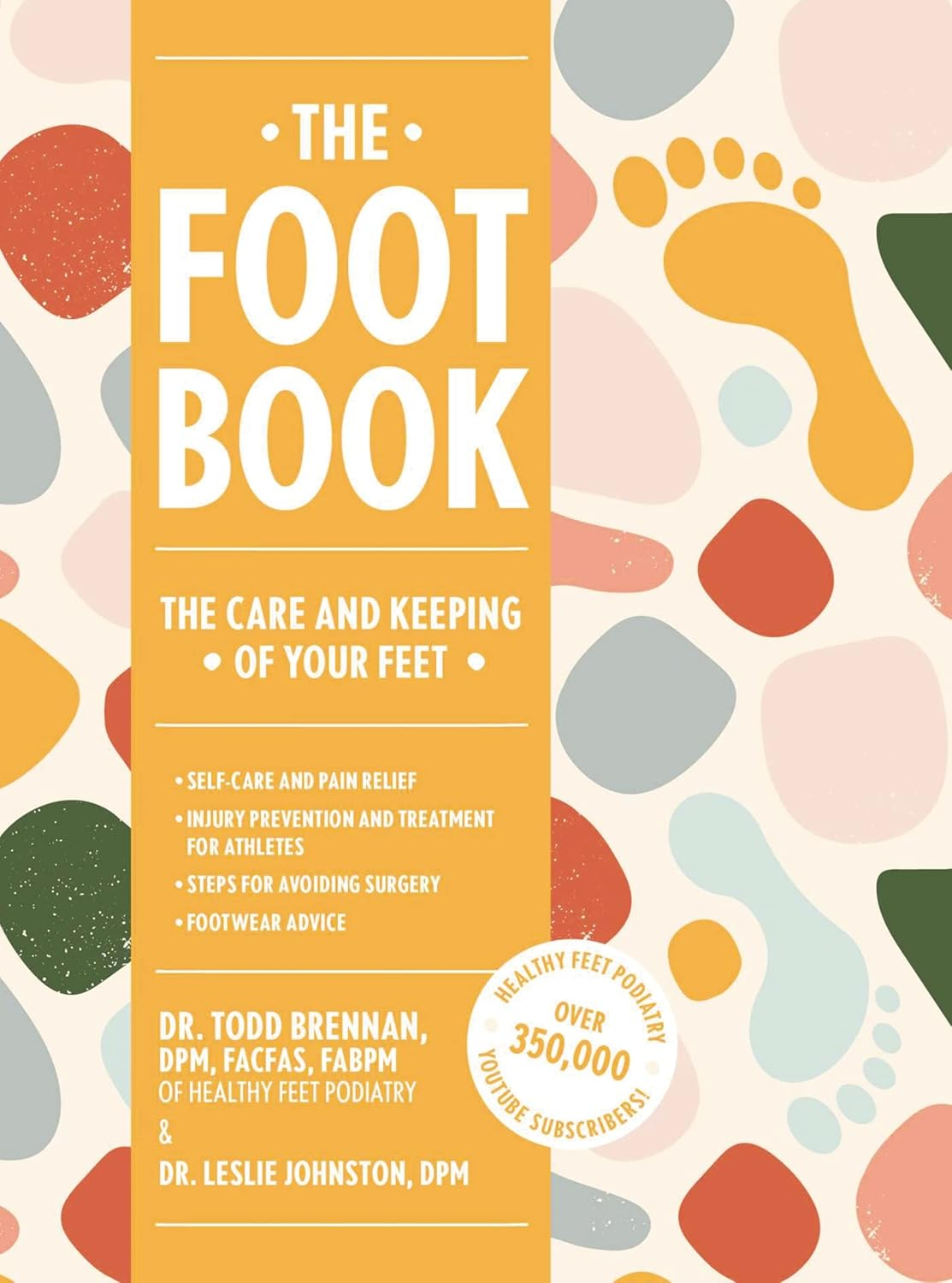
The Foot Book is the ultimate guide to taking care of your feet, penned by two highly-trained (podiatrists). It explains how our feet (and walking) works. Learn how to prevent and heal common foot problems in adults and children. Many issues can be solved by buying good shoes.
It also will save you money on buying remedies that don’t work. For instance, the authors explain that bunions are a ‘bony problem’, so spending money on soft tissue splints won’t work.
It also has tips and help for:
- Hammertoe
- Corns & Calluses
- Nail & Foot Fungus
- Ingrown toenails
- Ball of Foot Pain
- Gout
- Warts
- Lumps, Bumps & Masses
- Heel Pain
- Flat Feet & High Arches
- Arch Pain
- Achilles Tendinitis
- Arthritis
- Child Foot Pain
- Sports Injuries
- Skin Cancers
- Diabetes & Feet
Solutions for Common Foot Problems
Some issues need just a few tweaks, others call for medical help. Here’s a cheat sheet for natural foot fixes:
- Bunions (wear wide shoes and toe spacers, do foot exercises above). Seek help for severe pain or rapid growth.
- Corns & Calluses (use a pumice stone and foot oil, and wear roomy shoes. Seek help for bleeding, infection or if you have diabetes.
- Blisters (clean with saline, cover loosely and avoid popping). Seek help for signs of infection.
- Ingrown toenails (use warm salt water soaks, and lift edge with clean cotton). Seek head for spreading redness or pus.
- Cracked heels (daily oil, soft socks and gentle exfoliation). Seek help for deep cracks and ongoing pain).
- Nail infections (diluted cider vinegar, keep nails short). Seek help if they spread or there is no improvement).
- Tendinitis (rest, ice, gentle stretching). Seek help for persistent swelling/pain.
- Gout (stay hydrated, avoid rich foods, try cherry juice). Get a copy of The Vegan 8 cookbook (these recipes helped to heal the author’s husband’s gout). No oil or gluten, but she is really talented, so the meals taste great! Seek help for high fever or severe attacks.
Diabetes and Special Foot Considerations
Diabetes reduces feeling and blood flow in the feet, so even tiny injuries can turn serious (and even lead to amputation). Inspect your feet daily for cuts, redness, or swelling.
Safe habits for diabetic foot care:
- Wash and dry feet gently every day
- Moisturise, but skip between the toes
- Don’t walk barefoot – even indoors
- Wear seamless socks and well-fitted shoes
- See a foot specialist at least once a year
Stopping smoking is very important, as is checking water temperatures when bathing (people with diabetes sometimes can’t feel hot or cold). Read more tips to prevent diabetes.
Tips for Strong and Healthy Nails, Naturally
Sienna Glass Nail File is an everlasting nail file that never goes blunt and has over 3,000 top reviews. Glass nail files have a finer grit than emery boards, so you can file in both directions without worry of splitting or peeling, though file in one direction, for best results.
Or use a Swedish sandstone reusable nail file (orsa sandstone is millions of years old, and so resistant to abrasion, it’s used for millstones).
This plant-based bristle nail brush is made with sisal fibres on a FSC-certified beechwood base,, good to clean gardening hands. Air-dry to prevent mould (not near damp sinks, then compost at end of life.
Massage cuticles with a little olive oil or almond oil every evening. To push them back, soak your hands for five minutes in warm water, then gently nudge cuticles back with a wooden stick.
For nail infections, reduce alcohol, refined grains and sugar (including fruit juice). Use a natural cotton bud to ‘paint’ nails with coconut oil then cover with a plaster, until nails grow out. Podiatrists do not recommend tea tree oil as it could cause contact dermatitis. Also switch to natural nail polish.
Fun and Whacky Facts About Animal Feet!

Have you ever thought about how amazing our feet are? They walk us everywhere, keep us upright and some people even use them to dance or hike up mountains. But of course, most other creatures have feet. Let’s look at how amazing other animals’ feet are too!
- Rhinos have very dainty feet, considering their huge size. So to avoid weight-bearing pressure, they walk on their tippy-toes!
- Elephants’ pads act like shock absorbers, letting these giants walk softly.
- Cats walk on their toes for balance and silent hunting.
- Geckos have toe pads covered in tiny hairs that let them scale walls and even hang upside down. They also have sticky feet to walk up walls, just like Spiderman!
- Camels walk on wide, leathery pads that stop them from sinking in sand.
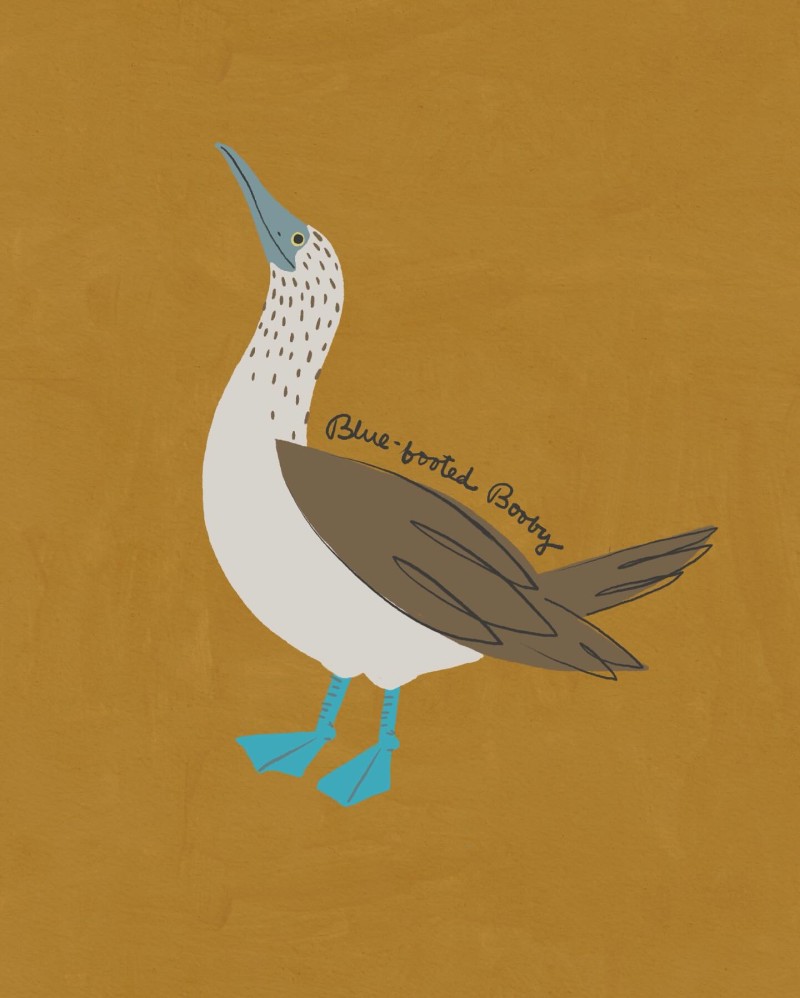
Blue-footed booby birds have white bodies, but bright blue feet. The males use these to show and attract a mate, by showing their feet to the females. Whoever has the brightest blue feet – gets the girl!