
No Slaughter, High Yield: Benefits of Lab-Grown Meat
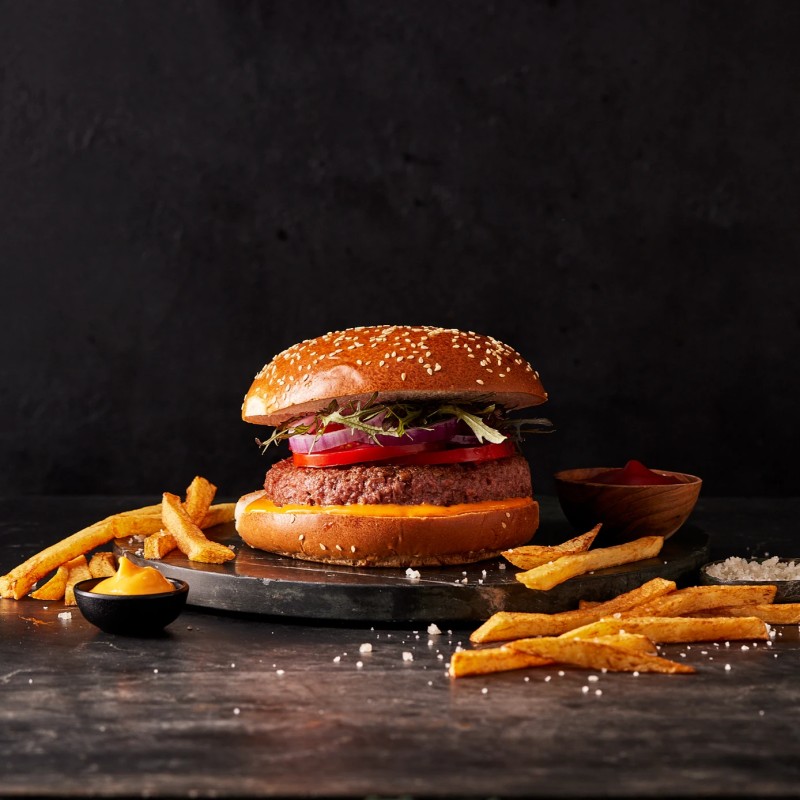
Is lab-grown meat real meat, or something else dressed up? It’s normally made by growing animal cells outside the animal in controlled conditions, until they form edible tissue. Although a few don’t use animal cells at all, making ‘meat’ from similar cells from fungi and other ingredients.
Redefine Meat has been making waves, as unlike most lab meats (that uses a few animal cells), this is made with plant ingredients, to create a ‘meat’ that looks, tastes and carves like the real thing.
Apart from for commercial pet foods using it, keep lab-grown meats away from pets due to unsafe ingredients like salt, onion and garlic. Read more on food safety for people and pets (many foods are unsafe for children, pregnancy/nursing and animal friends).
Just bin onion scraps as acids could harm compost creatures (same with rhubarb, tomato and allium scraps – garlic, shallots, leeks, chives). For tinned ingredients, fully remove lid or pop ring-pull over holes before recycling (pinch top closed), to avoid wildlife getting trapped.
What lab-grown meat actually is
It sounds like beakers and white coats, but in fact it’s made a far more hygienic and cleaner environment than real meat (abattoirs) and has none of the blood, bone, guts and poop associated with this cruel industry.
Even if the cells are from animals to cultivate, these are taken gently and without harm. One pig in the USA had her cells removed which have been cultivated and multiplied to make Mission Barns ‘meat’. She is happily running around her farm sanctuary, unaware that she has saved the lives of millions of fellow pig friends!
Lab-grown meat is kind of made in the same was a yoghurt, with a ‘culture’ to start which then keeps on giving.
Some call it ‘fake meat. But it’s important to remember that most meat sold in England is from factory farms (there is not enough land for everyone to eat free range). And lab-grown meats have zero cholesterol, in a country with huge issues for heart disease, diabetes, cancer and high blood pressure.
Lab-grown meats tend to be safer, as there is less chance of disease due to no factory-farmed animals. Rules vary by country, but it’s safe and nutritious, and expected to be on sale in UK shops within a few years. Surveys show that a third of people who eat meat are willing to try it, and some chefs promote it.
How lab-grown meats help animal welfare
Only good news! Lab-grown meats mean far less animal suffering, and less greenhouse gases from livestock farming. Eating animals foods is presently one of the main drivers of climate change, so this is a very exciting field, especially with companies now even making meats without having to take animal cells.
One company in Israel is presently undergoing Kosher certification, showing that lab-grown meats are also an ideal alternative to religious slaughter (no stunning) – though it’s perfectly okay for Jews and Muslims to be vegan, and still follow the rules of their faith.
More incredible lab-grown meats
Juicy Marbles uses natural ingredients (secret recipe!) to create gourmet plant-based steaks and joints, you would not know the difference. Also available for food service, this is super-easy to cook.
BlueNalu is created ‘tuna steaks’ in a lab, by taking cells from one wild endangered bluefin tuna fish. This helps to prevent over-fishing and by-catch (which harms dolphins, seals, whales, sea turtles and sharks that are caught in nets).

Vow (Australia) is already serving fine dining restaurants with its alternative to kangaroo, water buffalo and alpaca meats. It also makes Forged Gras (to replace a pate made by force-feeding ducks and geese, until their livers turn to pate).
Air Protein grows in hours (compared to 2 years for beef or 1 year for soy) using air cultures to create a ‘meat’ that contains all amino acid proteins, and needs no arable land. This brand was created by two doctors (physics and biology) who were inspired by the way astronauts were fed in space during the 1970s.
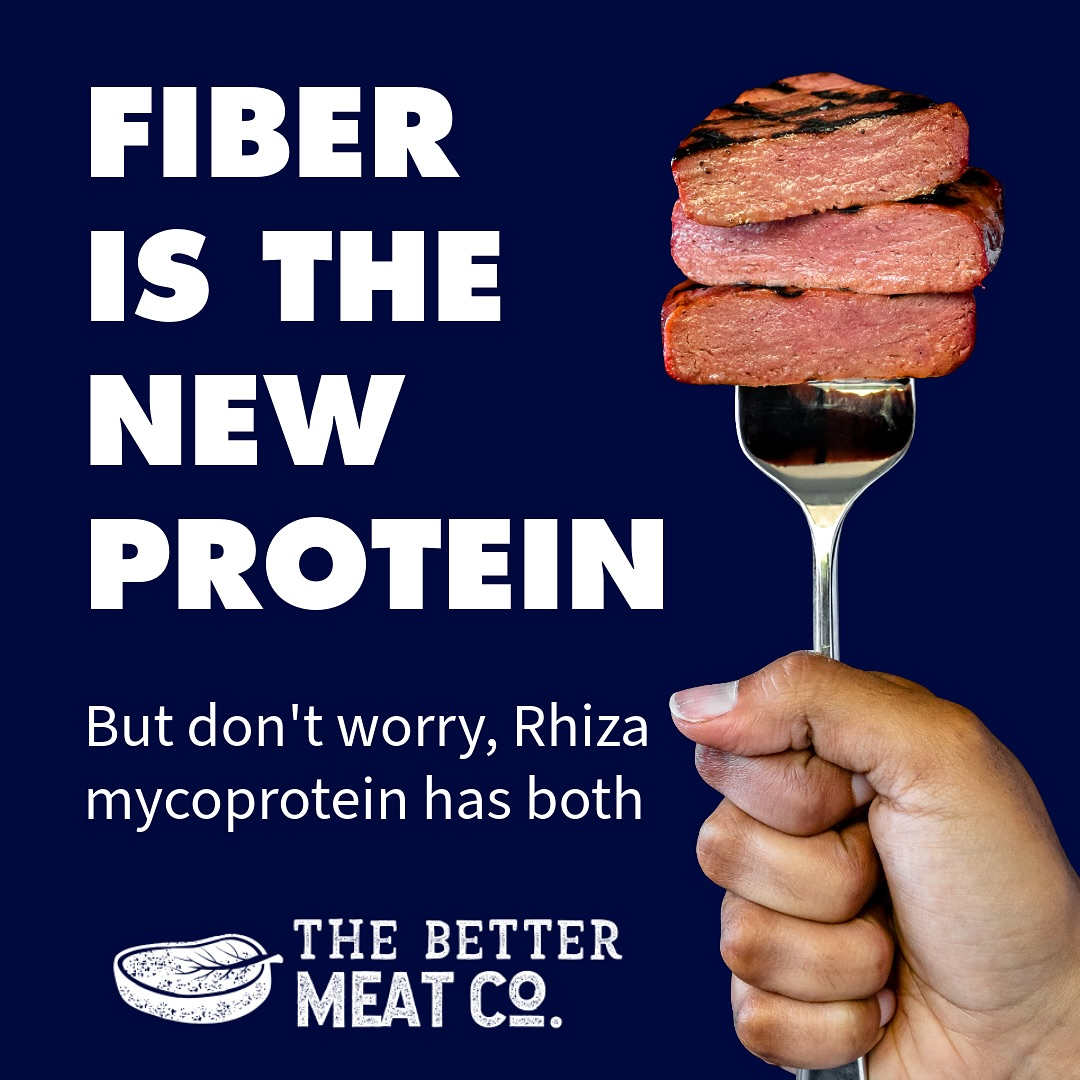
The Better Meat Co is different in that it’s a complete protein meat alternative, but made from rhiza mycoprotein (the root system of fungi). With more protein than eggs, more iron and zinc than beef, more fibre than oats and more potassium than bananas, it’s made into burgers, steak, chicken, crab, fish, deli slices, hot dogs, foie gras, bacon, meatballs, taco meat and jerky.
Made by fermenting potatoes, rice and corn, this creates a high protein food within hours, with the natural texture of animal meat (though fungi, it’s not mushrooms which are species of fungi).
Using lab-grown meats for pet food
One way that lab-grown meats are helping, is to replace factory-farmed meats for better quality pet food. And give ‘real meat’ for animals that need it (say cats, who are obligate carnivores). And if you run a sanctuary for lions rescued from zoos, they are not going to be happy (or healthy) if you feed them tofu burgers!
Meatly has produced the first ‘chicken’ for the commercial pet food industry, by taking cells from a chicken egg, and growing it in a lab to save 50 billion real chickens slaughtered each year, for the meat industry.
BioCraft is doing the same, a company founded by a biochemist who studied at Stanford University. It has created ‘meat’ from growing animal-cells, to grow cruelty-free ‘chicken, rabbit and mouse meat!’