Help wild foxes (our intelligent urban neighbours)
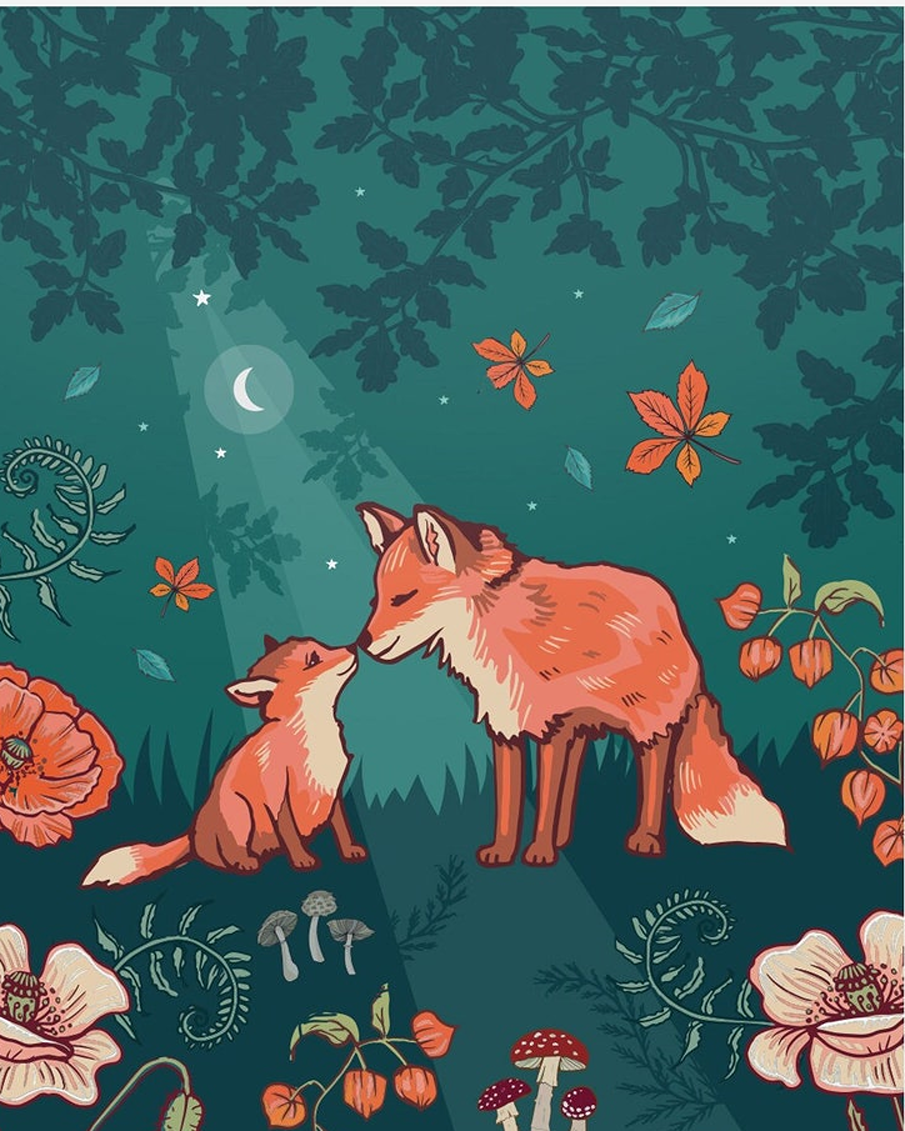
Wild foxes in nature live in fields and eat wild rabbits and rats. However, due to lack of habitat and people leaving fast food everywhere), many have ventured into our cities. They are opportunistic scavengers, so it’s good to just learn to live in peace with them. Most do no harm.
If you have chickens, learn how to keep wild chickens safe. Wildlife rescues say that foxes don’t starve, as they can live on anything from fruit to earthworms.
Leave foxes to live in the wild
Like most wildlife, encouraging feeding just encourags them to rely on you (what if you moved, got ill or died?) And also brings them into contact with dogs, roads and people who don’t like foxes.
Foxes are sometimes seen during the day, but are mostly nocturnal. Garden organically so they are not harmed by chemicals.
Store away football nets and rotary clothes lines
Foxes often get caught in football nets. The weatherproof Goal Wall is made from recycled plastic milk bottles, sold with extendable legs and ground pegs to fasten. Perfect for a child’s target practice.
We don’t recommend this brand’s birdhouses as they are made from recycled plastic. Instead choose natural wood recommended by RSPB. Read more on creating safe havens for garden birds.
Make roads safer for foxes
Just as with other wildlife, protecting natural habitats means foxes are less likely to venture near roads. Read more on making roads safer for wildlife.
Reduce litter and secure rubbish
Many foxes are attracted by overflowing rubbish bins. Ensure yours are emptied regularly (and covered). Councils should also invest in covered bins (those open ones are rubbish, as creatures just leap inside them). But ensure that closed bins also can’t trap wildlife.
Avoid rodenticides and poisons
Many rat and mice poisons can kill foxes, who eat rodents.
Try natural rodent-proofing methods, like sealing holes and storing food securely. Encourage other wildlife, such as owls, which also help control rats.
How to humanely deter foxes
The best way to humanely deter foxes is not to leave food around. Also avoid blood/fish-based fertilisers, keep pet bowls clean (and keep them inside).
If you feed foxes already, phase this out slowly in summer months so they gradually go back to wild food.
Help injured and orphaned foxes
- Foxes sometimes have limps due to jumping over fences. So observe and if concernd, call your local wildlife rescue (experts need to rescue foxes stuck in fences or netting, or they could run of while still injured and needing treatment). They also have humane traps.
- Foxes often monitor cubs, so don’t rescue cubs if they don’t need rescuing. Removing them also can cause fatal mastitis in mothers. Cubs with eyes closed are dependent on their mums.
- If you accidentally come across cubs and the mother runs off, monitor from a distance, as most will return if left alone. Handling cubs is done with gloves rubbed in soil, so the cub won’t be left with human scent. Put in a box with bedding if needed.
- Report any intentional harm to fixes to Crimestoppers (anonymous).
Non-profits that help rescue foxes
The Fox Project treats 1000 foxes yearly (including over 300 cubs) in Kent. It runs a DIY deterrence consultancy focusing on humane methods, and has volunteers in southeast England to offer physical help.
The Fox Rescuers (Manchester) rescues, rehabs and releases foxes in the northwest and West Midlands, plus runs a 24-hour helpline. It also offers non-emergency trapping for vet care
For mange, it can send out a vet-approved homeopathic remedy if needed (for serious cases, you’ll need a wildlife rescue to humanely trap the fox for conventional vet medicine).
It is always looking for volunteers asnd landowners (away from busy roads and gun-toting farmers). YOU need to clean out fostering pens twice daily and feeding/watering cubs regularly, until ready for release.
Keep prey animals safe from foxes
Prey animals (chickens, rabbits etc) are at risk from foxes, but also rats and badgers. Foxes are good predators (and can strike any time of day or night) but know they are not killing chickens due to cruelty, but following instincts to feed themselves and cubs.
Foxes rarely starve as they are scavengers, so keeping hens safe won’t cause them to go hungry. Read more on how to keep hens, rabbits and guinea pigs safe from foxes.
British Hen Welfare (which rescues ex-battery hens designed for slaughter) has tips on their website to keep chickens safe from predators.
Obviously you need a large chicken-friendly coop with fencing, so hens are free to roam and be happy, but secure from predators (be careful to use safe netting).
- Never leave hens overnight, put them to bed at dusk (and keep them in secure runs, if you are going out for the day).
- Always check your coops and runs for damage, high winds or snow can weaken areas like roofs.
- Fixed runs should be at least 5 ft high and laid on grass at right angles, to prevent predators digging underneath.
- Don’t house near overhanging branches, which foxes can use to gain entry.
One technique used to stop foxes disturbing swans at Abbotbury Swan Sanctuary is to play a human voice (like Radio 4 – not music) with an outdoor camping radio. This could also be used near poultry.
Peeing (male) is sometimes recommended. But you would have to keep an enormous amount for this solution to work and deter!
Further reading on foxes
The Secret Life of Foxes is for anyone who’s ever spotted a fox, and wondered where it’s going? Or perhaps you want to know what all the commotion and ear-piercing screams at night are all about? Learn about various species and their super-sharp senses, and find tips on how to help foxes near you.
The Hidden World of the Fox comes face-to-face with the strange barks that echo in the city, shining a line on the astonishing sense, intelligence and behaviour of native red foxes, who live in the woods but also survive in car parks and railway stations of towns and cities.
The author has fostered cubs and studied how foxes interact with humans, worldwide and in her home in the North Downs. Her message shows we can live peacefully with nature, including foxes.
Finding the Fox is a portrait of a mysterious and misunderstood animal by a Norwegian writer who journeys into the forest on long early morning walks, to encounter foxes living just outside his small town.
He knows the tell-tale signs of how to find a fox den, how to identify a pawprint in the snow and the smells that foxes leave behind. He meets a vixen and watches carefully as she and other foxes hunt, play and live together as families.
There was a face looking at me. It was the colour of autumn and snow. Its eyes were smouldery gold. Its ears were tall and wide for the size of the face. The fur on its narrow forehead and between its ears stood on end.
From the black tip of the nose, it was the face of a fox, a vixen I guessed, alluringly beautiful, entrancingly wild. Jim Crumley