Beyond Spare Change: Unique Ways to Help Homeless People

These four initiatives are fantastic examples of practical, human-centered innovation aimed at restoring dignity, access, and agency for people experiencing homelessness. They address different aspects of hardship—from basic hygiene to financial empowerment.
Here is a quick overview of how each operates and how to help:
BillyChip Tokens (a safe secure currency)
BillyChip is a social enterprise that provides a a safe secure ‘currency’. In the form of a biodegradable ceramic token that can be bought from participating shops to help homeless people and their dogs.
The idea was set up a young paramedic, who died in a motorbike accident in Thailand. Before his death, he had come up with the idea of providing tokens to help homeless people. So after his death, his loved ones decided to put his idea into action, as a suitable legacy.
Each chip carries an image of Billy’s smiling face, with a message that says ‘You’re fabulous. And don’t you ever forget it’ (the last words he wrote to his mum, on a Mother’s Day card before he died).
How does BillyChip work?
- Independent shops order a Welcome Pack that contains 25 BillyChips, window decals and marketing materials. The scheme is free to join (shops are just charged for chips sold).
- Anytime someone sees a homeless person on the street and wants to help – he or she can buy a token, and give it to the rough sleeper.
- The homeless person can then use the token to buy a hot drink at participating shops, or pet food.
- The chip also has a QR code, so people can find participating shops.
- Pubs and bars are not allowed to join, to avoid buying alcohol.
Free Showers & Laundry Services
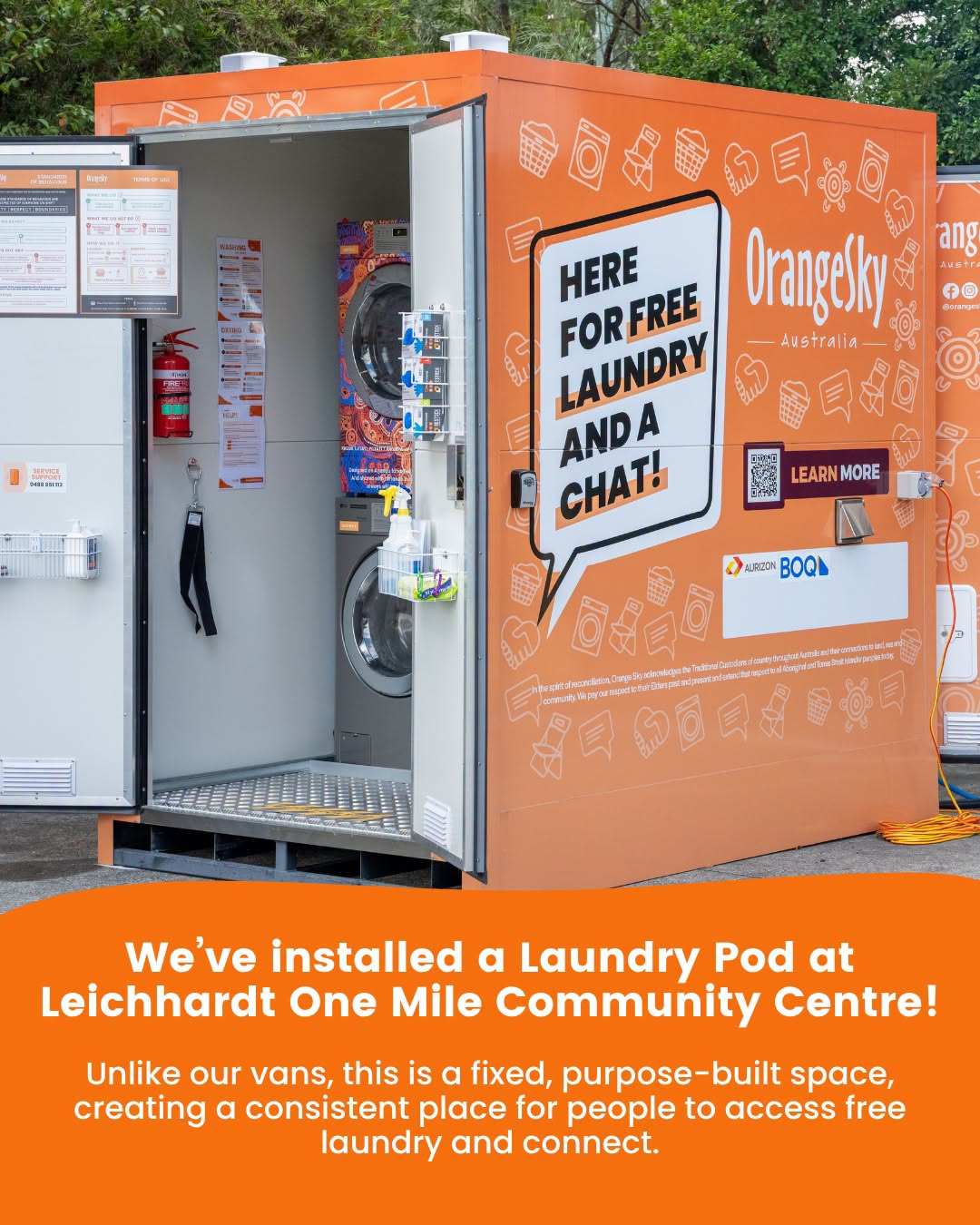
It’s really important to offer homeless people somewhere to shower and launder their clothes. Not only is this better for self-esteem and health, but it also means they are more likely to find work.
Inspiration from abroad: OrangeSky Australia
OrangeSky is an inspirational idea from Australia, started by two young friends, who converted their van as a mobile laundry. Named him ‘Sudsey’ then travelled around Australia, so homeless people could take a shower.
The scheme is now nationwide, with many volunteers offering mobile spaces for locals to shower and clean their clothes.
Its social impact laundromat in Melbourne works just like a normal launderette. Profits go to fund free showers and laundries for homeless people.
It also offers community spaces for washing and laundry, after natural disasters like floods or bushfires.
ShowerBox (free showers in English cities)
ShowerBox (London, Birmingham and Barking) offers free mobile showers to prevent infections and skin issues, and enhance self-care for better chance of finding a job and stable home. Users also get hot drinks and use of hair clippers.
Since launch, it has provided over 17,000 free showers and 4,500 haircuts. You can help by donating or giving items on their wish list, which include good quality cotton towels and first aid kits.
The Shower Hope (USA) is a similar service that helps some of the 75,000 homeless people in the county of Los Angeles.
Big Issue (empowering street newspaper)

The Big Issue is a street newspaper founded by Lord John Bird. Homeless people sell the weekly newspaper on the streets to receive a portion of sales, and some also can take card payments. You can also subscribe online, with vendors earning up to £75 a year.
The Big Issue North focuses on the north of England.
How does The Big Issue magazine work?
Vendors sell the magazine for £5 and receive £2.50 from each one. If a vendor sells over 100 magazines a week, he or she can earn over £250.
To help new vendors, the organisation provides them with free magazines to jumpstart initial sales. To make first profits, without upfront investment.
Not just selling newspapers
Big Issue vendors also receive support in many other ways, once signed up to sell the newspaper, via ‘Hand Up pathways’:
- Access to secure, affordable and stable accommodation
- Access to food, weather-appropriate clothing, home energy and toiletries
- Help for physical and mental health care needs
- Access to Internet for essential services and financial transactions
- Help with official ID and developing language skills
All of these are designed to help homeless people ‘find their feet’ in order to access secure stable accommodation, training and employment long-term.
New Future Pathways
If at a later date, vendors decide they wish to move on from selling the street newspaper, Big Issue helps them via:
- Education and training (numeracy, literacy, civic and computer skills)
- Community-based volunteer opportunities to develop skills and confidence
- Help for entering the workplace, with local employment opportunities
There are now over 90 similar projects worldwide. Find them at International Network of Street Newspapers.
Miracle Messages (reuniting homeless people with families)

Miracle Messages is a great idea from the USA, which we could emulate here in England, to help prevent homelessness. Founded by Kevin Adler, a social enterpreneur who is credited with helping to end homelessness across the USA.
It focuses on reuniting homeless people with long-lost relatives (if both parties wish for this to happen), often after years of being apart. So far it has reunited over 1000 homeless people with their families.
How does Miracle Messages work?
- A person who is feeling isolated by homelessness, records a short message to loved ones, with optional help from a local referral partner.
- A global network of volunteer ‘digital detectives’ get to work, attempting to deliver the message to loved ones, and reunite family members.
- Obviously this is only done if both parties are wishing to reunite.
Kevin’s workbook to help homeless people
Kevin’s workbook When We Walk By (co-written by an expert researcher on poverty) can be used by communities everywhere to help.
You’ll learn why people become homeless and find ‘how to help in 60 seconds’ quick actions to make a difference. You’ll also learn how relationships and connections are an important cog in the wheel to ending homelesness.
The Salvation Army Family Tracing Service has reunited thousands of families since 1885, having a 89% success rate.
How to Help Homeless People on the Street
If you see someone sleeping rough, send a report to StreetLink, whose outreach teams visit rough sleepers at night. To help homeless people find benefits and accommodation (if the person is under 18, call 999).
How Homeless People Can Help Themselves
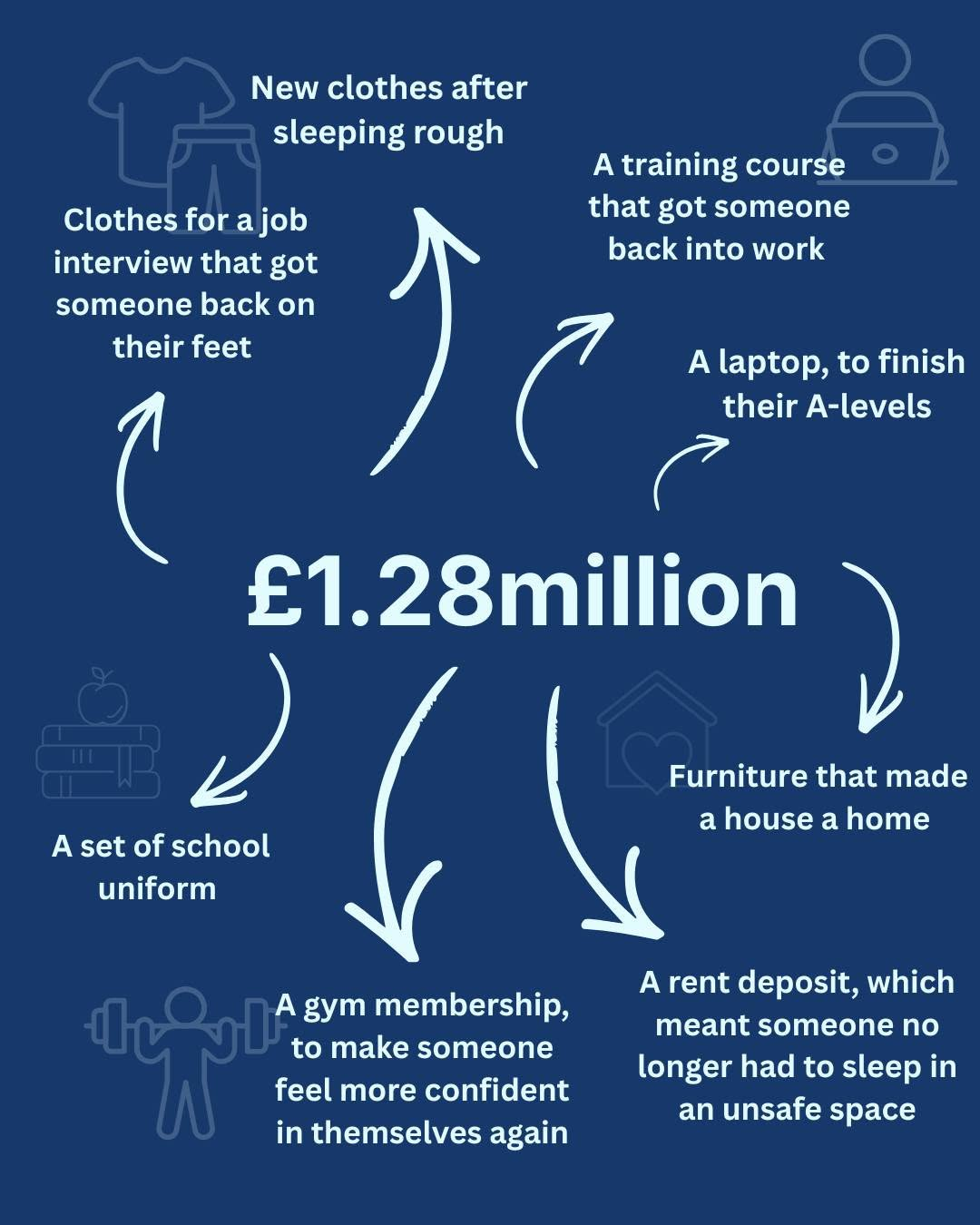
Homeless people can claim benefits, giving the address of a family member/friend, hostel or job centre. This helps to pay for food (and pet food), interview clothes and rent deposits.
People without bank accounts can use the government’s Payment Exception Service to collect benefits from a local post office or PayPoint outlet.
How to Help Homeless People with Dogs
Sign the Big Issue’s Campaign to end the practice of local councils refusing pets in emergency or temporary accommodation, as homeless people then remain on the streets, as they won’t part with their animal companions.
Read more on how to help dogs with homeless people.