Chickens, Chicks and Roosters: What They Need, How to Help
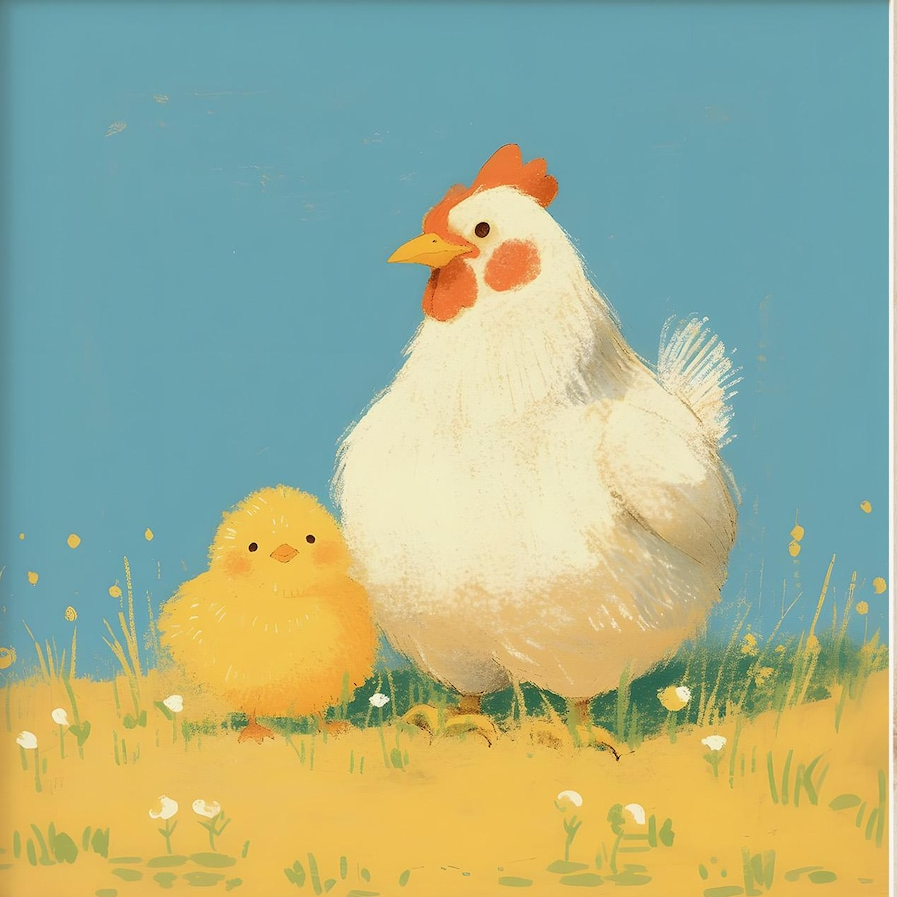
Chickens are actually descended from dinosaurs (paleontologists say that if you look at a silhouette of either, you can’t tell the difference, apart from size).
This post is more on how to help chickens for those who adopt them (including ex-battery hens) and general welfare in the chicken industry. Also read about plant-based alternatives to chicken meat and eggs.
How chickens really live in nature
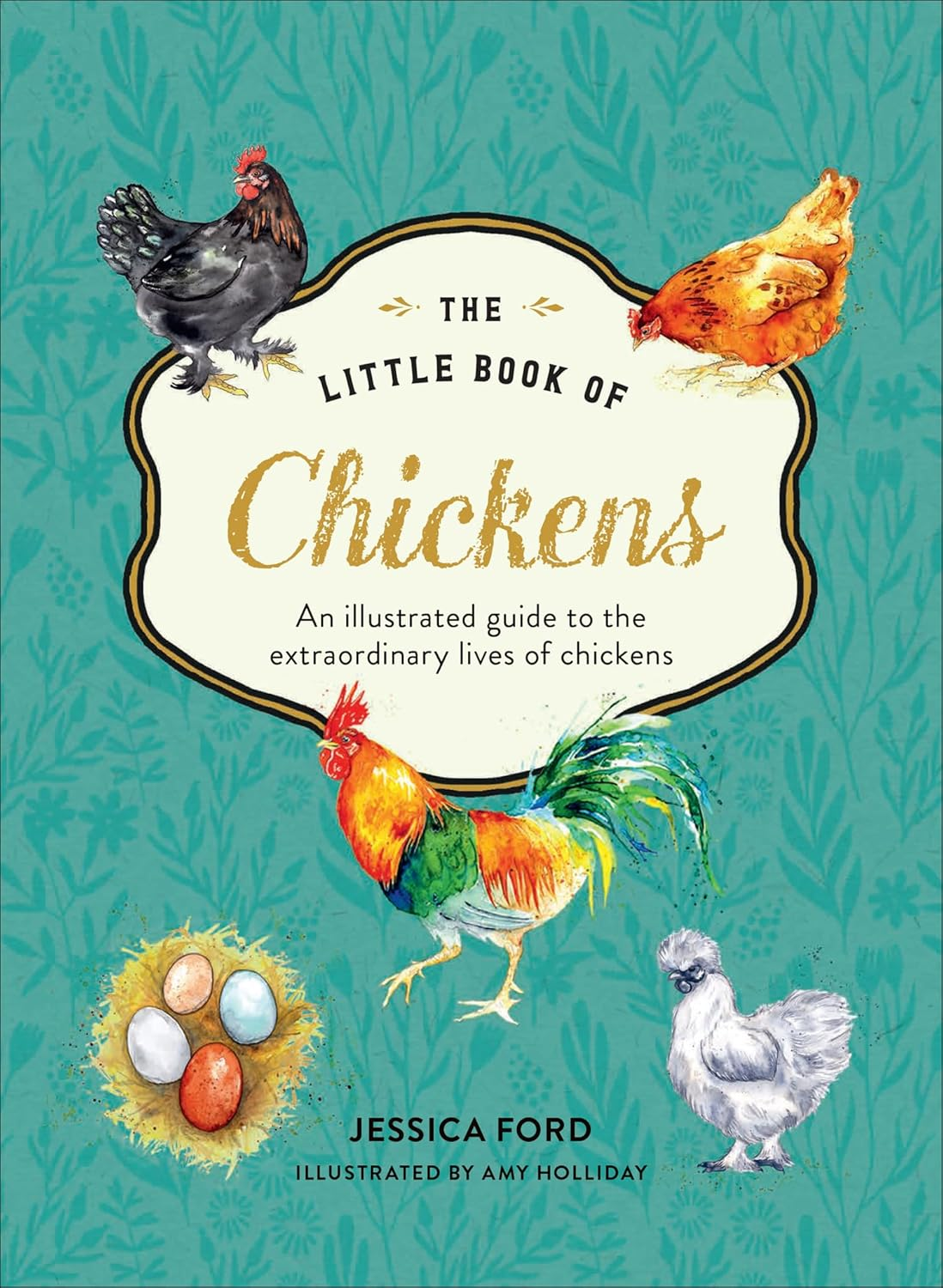
Chickens don’t just “peck about”. They organise themselves, they notice patterns, and they respond to how you treat them. When they have space and choice, their behaviour looks more like a busy neighbourhood than a mindless mob:
- They recognise faces: Chickens can tell familiar people
- They remember routines: They learn feeding times and favourite spots
- They pick favourite friends: Many hens have preferred companions.
- They use different sounds: Their calls change for food and danger.
- They dust-bathe on purpose: Dust helps keep feathers in good condition.
- Chicks learn by watching: They copy what older birds do
- Roosters keep watch: They usher hens to safety when needed.
If you want a quick clue that chickens are doing well, look for relaxed foraging, dust-bathing, and calm roosting at dusk.
At night, chickens prefer to roost off the ground. It’s a safety habit, and it also keeps them drier and warmer. By day they scratch, forage, and graze in short bursts, then rest in shade when it’s hot. Clean water matters more than people think; birds can overheat quickly, especially in still, humid weather.
Chicks need warmth, protection, and frequent feeding. Roosters often act as organisers. They call hens to food, break up scuffles, and keep the group moving together. Single birds can struggle, because chickens are wired for flock life.
Endorsing the Better Chicken Commitment

The Humane League is asking all supermarkets to sign up to the Better Chicken Commitment to ensure all producers:
- Comply with EU animal welfare laws & regulations
- Not exceed maximum stocking density
- Use higher welfare breeds
- Provide a higher welfare environment
- Use controlled atmospheric stunning over shackling slaughter methods
- Agree to regular independent audits of abattoirs
Visit Compassion in World Farming and Save the Chickens Foundation for more information.
“Hock burns” are sore, dark patches on the back of a chicken’s leg joint. They tend to come from sitting on wet, dirty litter for long periods. That matters because it hurts, it can get infected, and points to poor conditions.
Broiler chickens (raised for meat) can face a different problem. Many are bred to grow very fast. As a result, their legs may struggle to carry their weight, and their hearts can be under strain. You don’t need graphic detail to see the theme: when production speed comes first, birds pay the cost.
Recently, KFC, Nando’s, Burger King and McDonald’s all went back on a commitment to buy slower-growing chickens, for better welfare.
If you eat chicken, eat less and choose certified free-range organic. Know that chicken also has the same cholesterol as beef, despite being thought of as ‘low-fat white meat’.
If you are concerned for any poultry, call RSPCA Farm Welfare and if needed, Crimestoppers (anonymous). There are welfare laws for barnyard animals.
Slaughter concerns and the law
Compassion in World Farming says that its vets support a ban on religious slaughter, as there is proof it causes more distress. This does not have to oppose religious belief, as it’s perfectly okay with both Jewish and Muslim faiths to be vegan:
- Middle Eastern Vegan Society and One Arab Vegan
- Jewish, Sustainable, Vegan and The Jewish Vegan Society
In New York, some Jewish festivals involve people swinging live chickens around their heads (causing immense stress) before ritual slaughter. How on earth is this compatible with the peaceful teachings of Jesus?
And in some areas of the world, people are still campaigning to stop cock-fighting (where spurred birds are made to fight, in order for gambling reasons).
Rehome Ex-Battery Hens (and possibly a rooster!)

British Hen Welfare Trust is a wonderful organisation, that rescues chickens due for slaughter at the end of their egg-laying life. To give new homes for chickens and roosters, to people who would otherwise buy chickens from farms, for free-range eggs or simply because they like looking after them.
The charity is keen not to be political, so it maintains good relationships with farmers, in order to help the chickens given to them.
In nature, one rooster has a few ‘wives’ so usually there are also roosters to re-home too. Be prepared to be woken up early! Obviously you have to pass tests to ensure you have the right space and money to buy a big enough coop, and knowledge to feed and care for them (chickens can easily overheat so its important to choose the right materials for a comfortable coop).
The site above is run by experts, who can offer a hen-keeping starter guide and tips on feeding and hot/cold weather, plus details of hen-friendly vets.
Many foods (including flowers like daffodils) are highly toxic to chickens, so it’s really important to learn what not to feed them. These are not birds to just ‘give your leftovers too’, as many foods could harm including:
- Avocado, chocolate and caffeine, alcohol
- Mouldy food and anything rotten
- Salty or sugary junk
- Raw dried beans
- Green potato skins
- Onion and garlic in large amounts
- Xylitol (sweetener)
Hazards around the garden include loose string, rubber bands, rat bait, slug pellets, dirty standing water, and plants like foxglove and yew. Chickens investigate with their beaks.
Let’s All Keep Chickens is a guide from an expert on chicken-care, which covers all the basics including how to keep chickens healthy and avoid pecking. Also learn how to speak chicken, to make care even easier!
How to Keep Chickens Safe from Foxes
Foxes are natural predators or chickens, so obviously good deterrence is key. In the wild, the natural diet of foxes is rabbits and rats, it’s often due to lack of natural habitats that they have come into urban areas.
Tips to deter foxes from attacking chickens include:
- Use plant-based fertilisers (avoid blood/fish based ones).
- One swan sanctuary recommends playing an outdoor camping radio (Radio 4 of people talking over music), this seems to deter).
- Don’t feed foxes. All wildlife rescues say they never see a starving fox, as they are scavengers who can live on anything from carrion (dead meat) to earthworms and fruit. So it’s fine to leave them to find their own food.
British Hen Welfare tips include:
- Use a large chicken-friendly coop with fencing, so hens are free to roam and be happy, but secure from predators.
- Never leave hens out overnight. Put them to bed at dusk (and keep them in secure runs, if you are out during the day).
- Check coops and runs for damage, high winds or snow (can weaken roofs).
- Fixed runs should be at least 5 ft high and laid on grass at right angles, to prevent predators digging underneath.
- Don’t house near overhanging branches, which foxes can use to gain entry.