Healthiest Cooking Oils (rapeseed or no oil!)
In England, we like our cooking oils. But which ones are better for health? Rapeseed oil is more local than olive oil (responsible for those fields of bright yellow flowers). But is it the healthiest, and what about coconut oil and sesame oil – or even cooking without oil? Let’s find out!
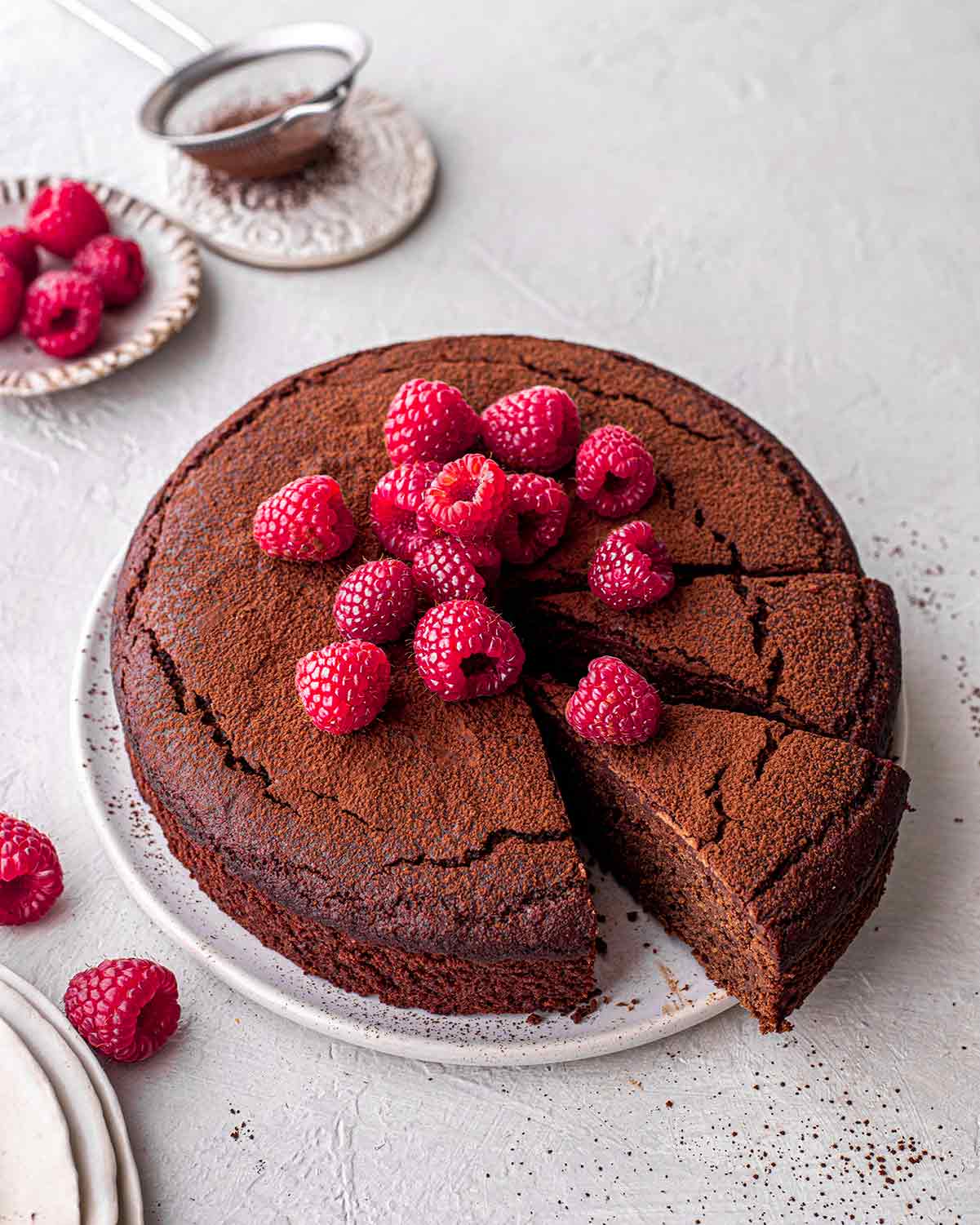
This vegan chocolate cake (Rainbow Nourishments) is oil-free!
Experts say that for a tiny amount of oil (say if you were just shallow-frying something in a pan), just pour the leftover oil in some kitchen roll, and bin. Otherwise, use a cooking oil recycling bin (below).Don’t give leftover fatty foods to garden birds or wildfowl (it smears on feathers, affecting waterproofing & insulation).
Before cooking, read up on food safety for people and pets (many foods are unsafe near animal friends). Bin allium scraps (onion, leeks, garlic, shallots, chives) and citrus/tomato/rhubarb scraps, as acids could harm compost creatures. It’s okay to put them in food waste bins (made into biogas).
For tinned foods, fully remove lids (put inside) or pop ring-pulls back over holes (and pinch top opening closed) before recycling, to avoid wildlife getting trapped.
What Makes a Cooking Oil Healthy?
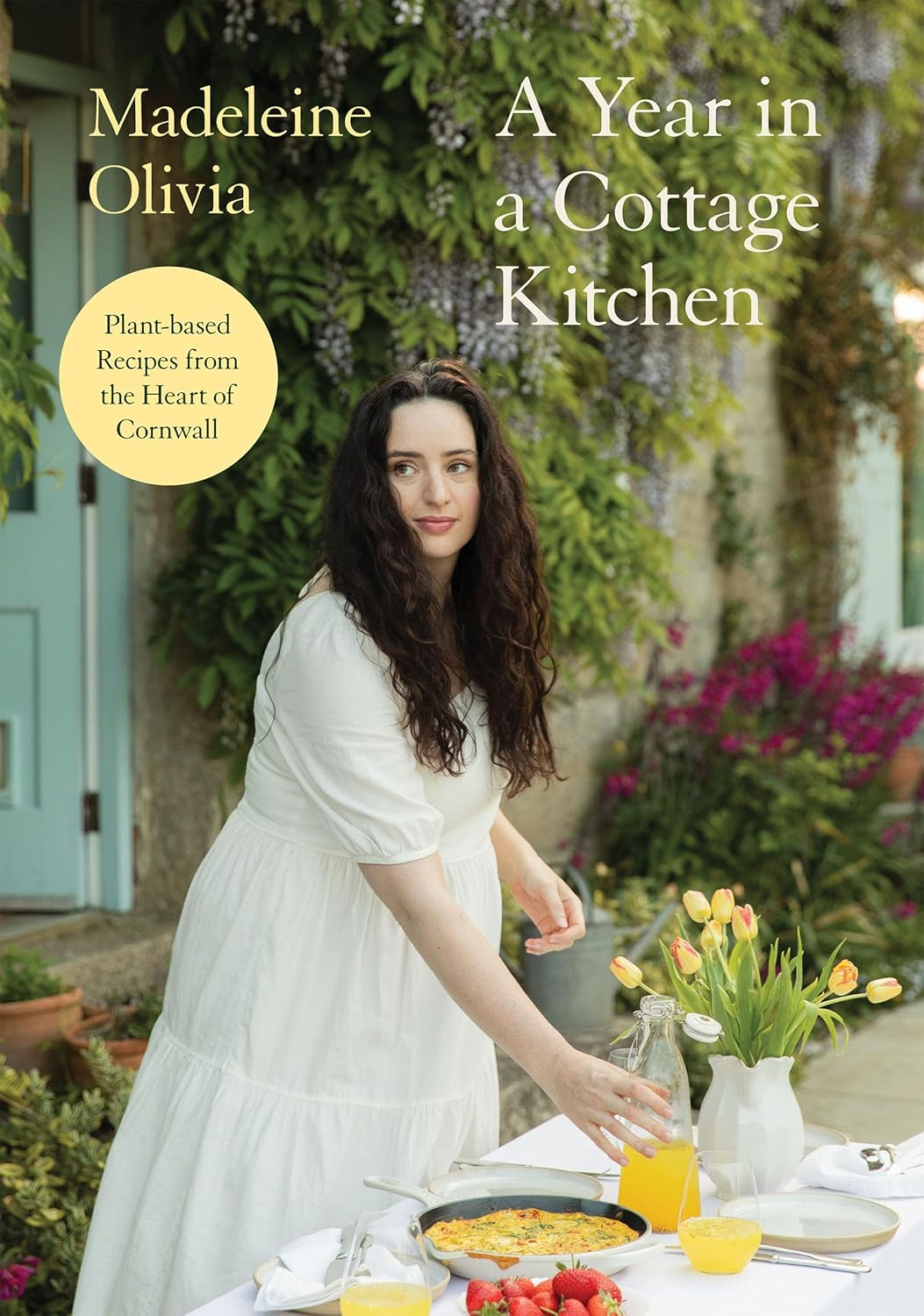
Oils are not really ‘healthy’, as they are refined. Brandi (who wrote the cookbook below) never uses oil in recipes, but she does use fats (olives over olive oil, nuts over nut oils).
If you use oil to cook, the smoke point is what determines if it’s healthy or not (Italians may disagree, but olive oil is best for salads, and the best oil for cooking is local rapeseed oil (makes lovely roast potatoes with no goose fat needed).
When cooking, avoid floaty sleeves and tie long hair back, and keep a small kitchen fire extinguisher nearby.
Sunflower oil is cheap and popular and okay in moderation, but not too much. Nutritionist Michaella Mazzoni says that deep-frying with this oil damages the fats like a broken vase (‘it has been put together, but isn’t quite right anymore’).
Coconut oil has more saturated fat than butter (so can raise cholesterol) and is flammable (so take care when cooking). Popular in Asian cooking, the odd creamy coconut curry is not going to harm, but don’t eat this oil every day. Life in balance!
If you cook with oil, use an oil recycling bin.