Give Seals Space: Why Marine Friends Need Protection

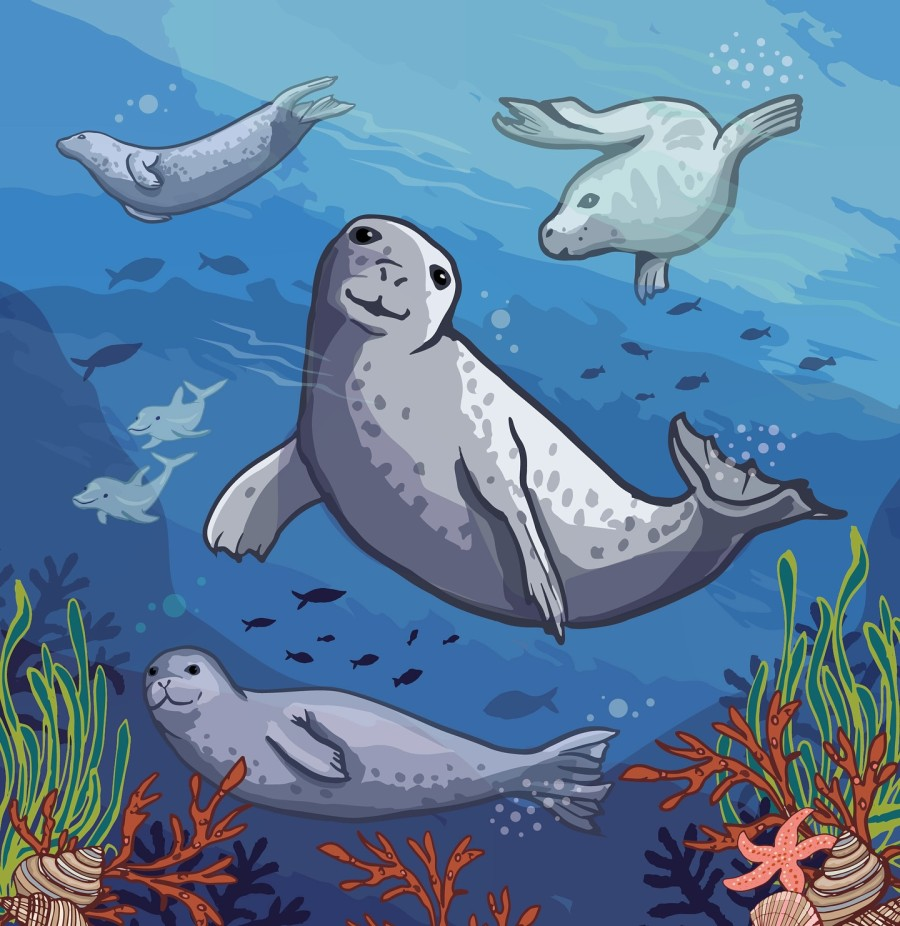
England’s coastline is home to some of the world’s most remarkable marine wildlife, including Atlantic grey seals and common (harbour) seals. These fascinating creatures attract visitors from across the country, but increasing human activity around beaches and coastal waters is putting seals at risk.
The Give Seals Space Campaign, supported by the UK Seal Alliance, is calling for stronger legal protection for seals and urging the government to reconsider its decision not to add seals to the Wildlife and Countryside Act 1981.
Despite recommendations from the Joint Nature Conservation Committee (JNCC), supported by Natural England and a House of Commons report, the government has rejected proposals to provide seals with additional protection from intentional or reckless disturbance.
The campaign aims to change this by raising awareness and encouraging people to respect seals’ space.
Sign the online petition or scan this QR Code to get involved:
Why Seals Need Our Protection
Seals may appear friendly and approachable, but they are wild animals that need peace and quiet to survive. They require time on land to rest, moult, give birth, and raise their young.
England is home to internationally important populations of Atlantic grey seals, with around a third of the world’s population found here, as well as smaller common seal populations. These animals face many threats, including:
- Plastic pollution and marine litter
- Oil pollution
- Fishing waste and accidental capture (by-catch)
- Disturbance from boats, jet skis, drones, and beach activities
- People getting too close for photographs or selfies
Human disturbance is a significant problem. Research has shown that many seal disturbance incidents are caused by human activity, and even seemingly harmless actions can have serious consequences.
Give Seals at Least 150 Metres of Space

If you see a seal on the beach, the best thing you can do is observe from a distance.
Stay at least 150 metres away — roughly the length of a football pitch. If a seal lifts its head, looks directly at you, shuffles away, or starts moving towards the water, you are already too close.
Never cross ropes or barriers placed around seal resting areas. These areas are created to protect both seals and visitors.
It is also important to keep dogs away from seals, particularly during breeding season. Seal mothers often leave pups alone while they hunt, and approaching dogs or people can frighten mothers away or cause pups to enter the water before they are ready.
A seal pup resting alone on a beach is not necessarily abandoned. Its mother may simply be feeding nearby. Never attempt to move or rescue a seal unless advised by trained experts.
If you are concerned about a seal, contact British Divers Marine Life Rescue , which provides emergency advice and assistance for marine wildlife.
Responsible Seal Photography
Photography should never come at another creature’s expense. If you do take photos, follow these simpe rules:
- Use binoculars or a camera with a zoom lens
- Never approach for a closer photo
- Avoid drones, which can frighten wildlife
- Stay downwind where possible, as seals have an excellent sense of smell
- Avoid wearing bright, high-contrast colours such as white, yellow, or red
Remember: if a seal is watching you closely, you are too close.
Learn about photography best-practice around seals
How Disturbance Harms Seals
Disturbing seals can cause stress, panic, and injury. Young pups are especially vulnerable because many cannot swim properly when they are first born. If frightened into the sea too early, they may become exhausted, separated from their mothers, or even drown.
Adult seals can also suffer harm. When attempting to escape, they may injure themselves on rocks or fishing equipment. Stress hormones can affect their health, weakening their immune systems and making them more vulnerable to illness.
Like humans, seals need rest and quality sleep for their wellbeing. Repeated disturbance can interrupt essential resting periods and affect mothers caring for young pups.
The Need for Legal Protection
Every five years, statutory nature conservation organisations review species protection lists and provide recommendations to government. The Joint Nature Conservation Committee recommended that both grey seals and harbour seals should receive protection under the Wildlife and Countryside Act 1981.
However, after waiting several years for a response, the government announced in December 2025 that it would not introduce the recommended changes.
The Give Seals Space Campaign is asking the government to urgently reconsider this decision and provide seals with the same protection from deliberate or reckless disturbance that many other wildlife species already receive.
Jet Skis and Other Coastal Disturbances
Jet skis are one example of an activity that can disturb marine wildlife. Their speed, noise, and movement through the water can frighten seals and other marine animals, potentially separating mothers from young.
Many local councils are taking action by introducing restrictions on jet ski use in sensitive coastal areas.
Visitors should also avoid activities that could disturb seals, including drones, flash photography, and noisy beach games near resting areas.
The Flying Ring Campaign

Seal conservation groups, including the Seal Alliance and British Divers Marine Life Rescue, are also campaigning to ban the sale and use of flying rings.
Although they may appear to be harmless beach toys, discarded or lost flying rings can become dangerous traps for seals. Curious animals may play with them and become caught around their necks, causing severe injuries or even death.
Thousands of flying rings are lost or abandoned on beaches and in the sea every year. Choosing safer alternatives, such as solid flying discs, can help reduce this risk.
Some councils are already taking action by restricting the sale and use of flying rings on beaches, and campaigners hope others will follow.
If you do use them, choose solid biodegradable disc frisbees that can’t trap around necks. It’s also good to avoid flying kites, for the same reasons.
Download this guide on seeking support for the campaign from local shops (with a downloadable window sticker). There is also a guide for councils (includes a document to send to councillors).
Seal Alliance website has more info on all you need to know, whether you simply wish to join the campaign or you are a shopkeeper (or councillor considering a local ban on flying rings). You will also find campaign QR codes.
A typical flying ring costs 33p to buy – but costs cash-strapped seal rescue charities up to 45,455 times more to carry out a rescue, if they find a seal trapped in one.
How Everyone Can Help

Protecting seals does not require major changes — small actions can make a huge difference.
You can help by:
- Keeping at least 100 metres away from seals
- Keeping dogs away from resting seals
- Taking litter home and reducing plastic use
- Choosing sustainable seafood options
- Avoiding activities that disturb marine wildlife
- Reporting injured or distressed seals to trained rescue organisations
- Sharing information about responsible wildlife watching
If boating, keep your distance from marine wildlife. Slow down, avoid sudden movements, and allow animals plenty of space.
Helping Stranded or Injured Seals
Seals often rest on beaches, especially after storms, and many are perfectly healthy. Avoid approaching them and observe from a distance.
Signs that a seal may need help include:
- Rapid breathing
- Persistent coughing or mucus
- Severe weakness
- Obvious injuries
- Signs of entanglement
For concerns about a marine animal in distress, contact British Divers Marine Life Rescue or seek advice through recognised wildlife organisations.
Organic t-shirts and hoodies (to help seals)

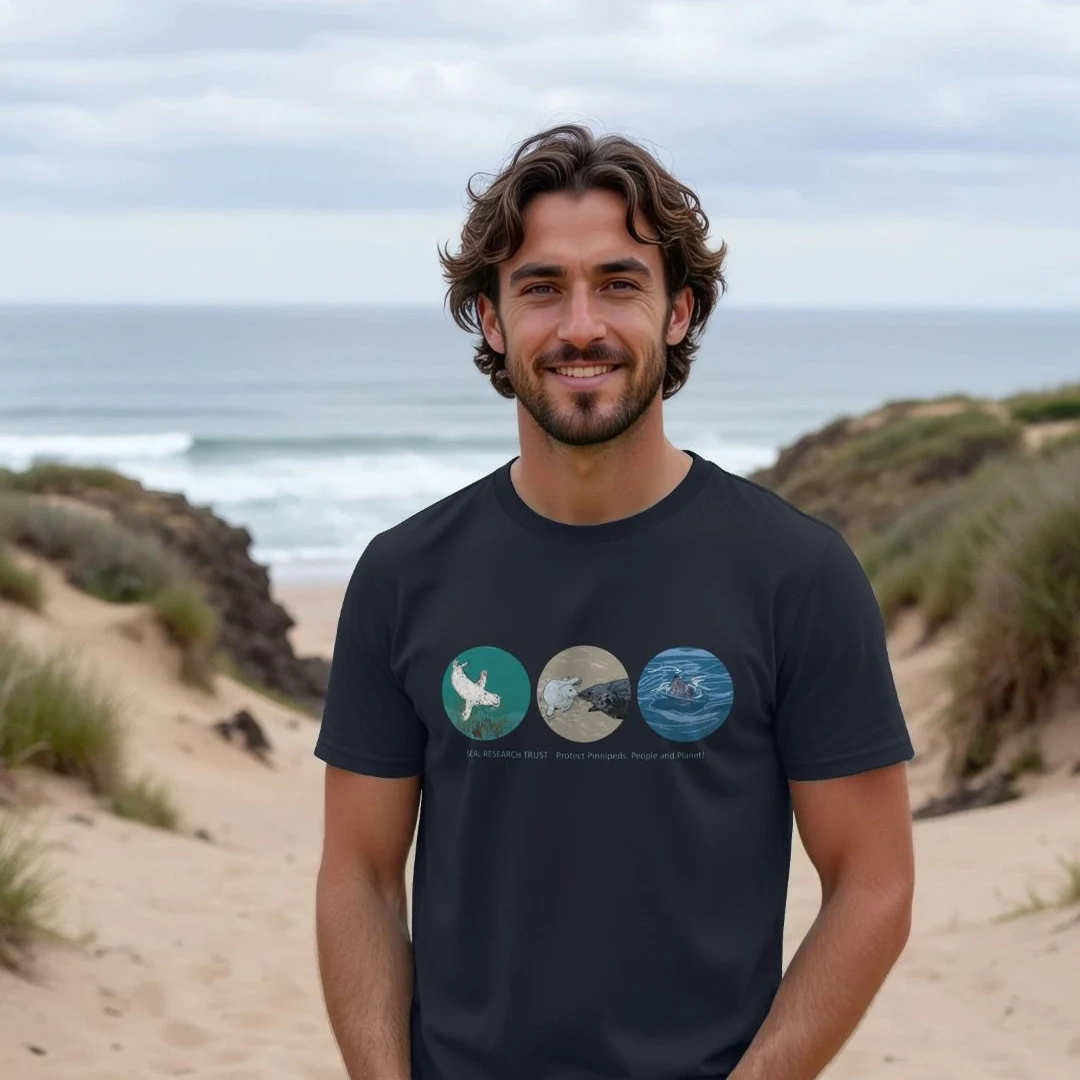
These organic cotton t-shirts and hoodies (for men, women and children) are printed with green energy and eco inks, sent in zero-waste packaging. A portion of sales helps Seal Research Trust, which rescues injured seals, and releases them back in the wild.
You can donate anonymously (add Gift Aid if you’re a UK taxpayer). Another way to help this wonderful charity is to set up an account at easyfundraising.
Then when you buy from a participating company or service, a portion goes to them, at no cost to you (loyalty points are not affected). You can use this service to help Friends of Horsey Seals (Norfolk).
Learning More About Seals

There are many organisations working to protect seals and educate the public, including:
- Seal Research Trust
- Seal Alliance
- Friends of Horsey Seals (Norfolk)
- Seal Secrets is by the founder of Seal Research Trust, condensing knowledge from years of observing seals in the wild.
- Seal Alliance Protection Action Group helps seals and their habitats.
- Pacific Marine Mammal Center (US) offers distance learning programs to help seals.
A Future Where Seals Can Thrive
England’s coastline belongs to everyone — including the wildlife that depends on it. By giving seals space, reducing pollution, and supporting stronger protections, we can help ensure these incredible animals continue to thrive.
The Give Seals Space Campaign hopes that increased public awareness will encourage the government to reconsider its decision and give seals the legal protection they deserve.
A simple action — staying back and letting seals rest — can make a lifetime of difference.