Feathers and Freedom: Exotic Birds Welfare
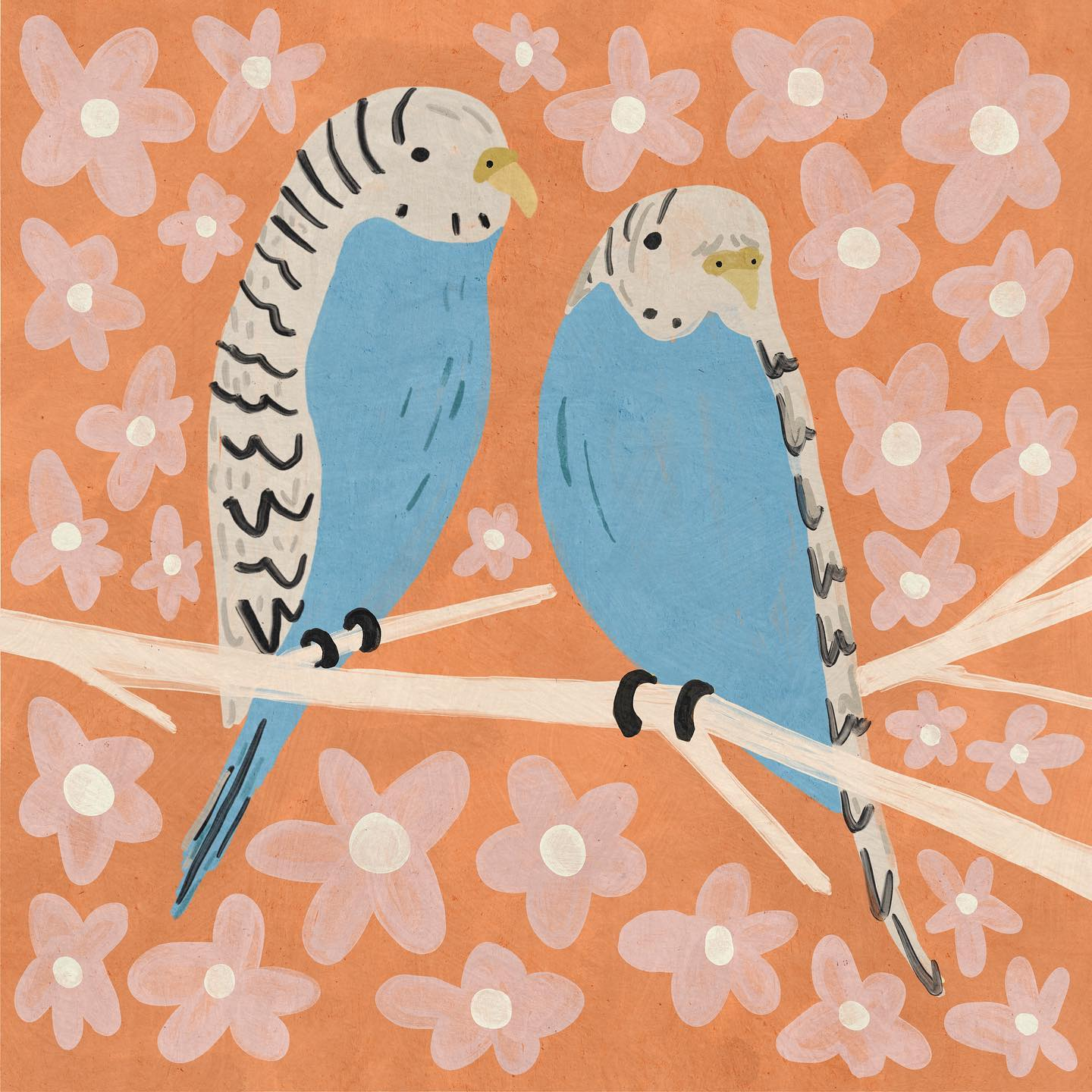
The UK has around one million ‘pet birds’ living in people’s homes. No doubt many are loved and looked after, but really it’s better for them to be living with other birds in an aviary. You would not like being shoved in a small cage for the rest of your life, and likely budgies, parrots and other pet birds won’t either.
Most wild birds sold as pets are not native to England. And in the wild would live in the trees, with several other birds of their own kind.
Don’t cook near domestic birds
Most non-stick pans are made with PFOA (a chemical that ends up in our oceans). You can buy non-toxic alternatives, but even if companies say the opposite, all cooking fumes are dangerous around birds.
Problem Parrots has an excellent suite of pages for any behaviour from biting and screaming to anything else. As you can imagine, many behaviours are due to being in captivity. For instance, parrots never pluck their feathers in the wild. So it’s either illness or boredom/loneliness. In the wild, parrots fly around 30 miles a day, alongside other wild parrots.
If birds are caged, RSPCA says that they should be able to open their wings fully (without touching the side of the cage – ideally bigger). And have at least 3 food dishes (ideally stainless steel), three different perches (including for parrots a concrete one to sleep on), and plenty of safe toys.
RSPCA has a suite of pages on how to care for the UK’s 1 million pet birds, including budgies, cockatiels, macaws, cockatoos, canaries and African grey parrots (now endangered in the wild, due to the exotic pet industry).
Wing clipping is not recommended as it does not stop them flying away outdoors (but will stop them flying upward indoors). Their experts have advice on how to let birds fly safely instead. Ideally by investing in a large aviary with a porch and double-door entry). Or a large indoor flight area for flying free at least six hours a day, with windows and doors shut.
Concerns over the pet shop industry
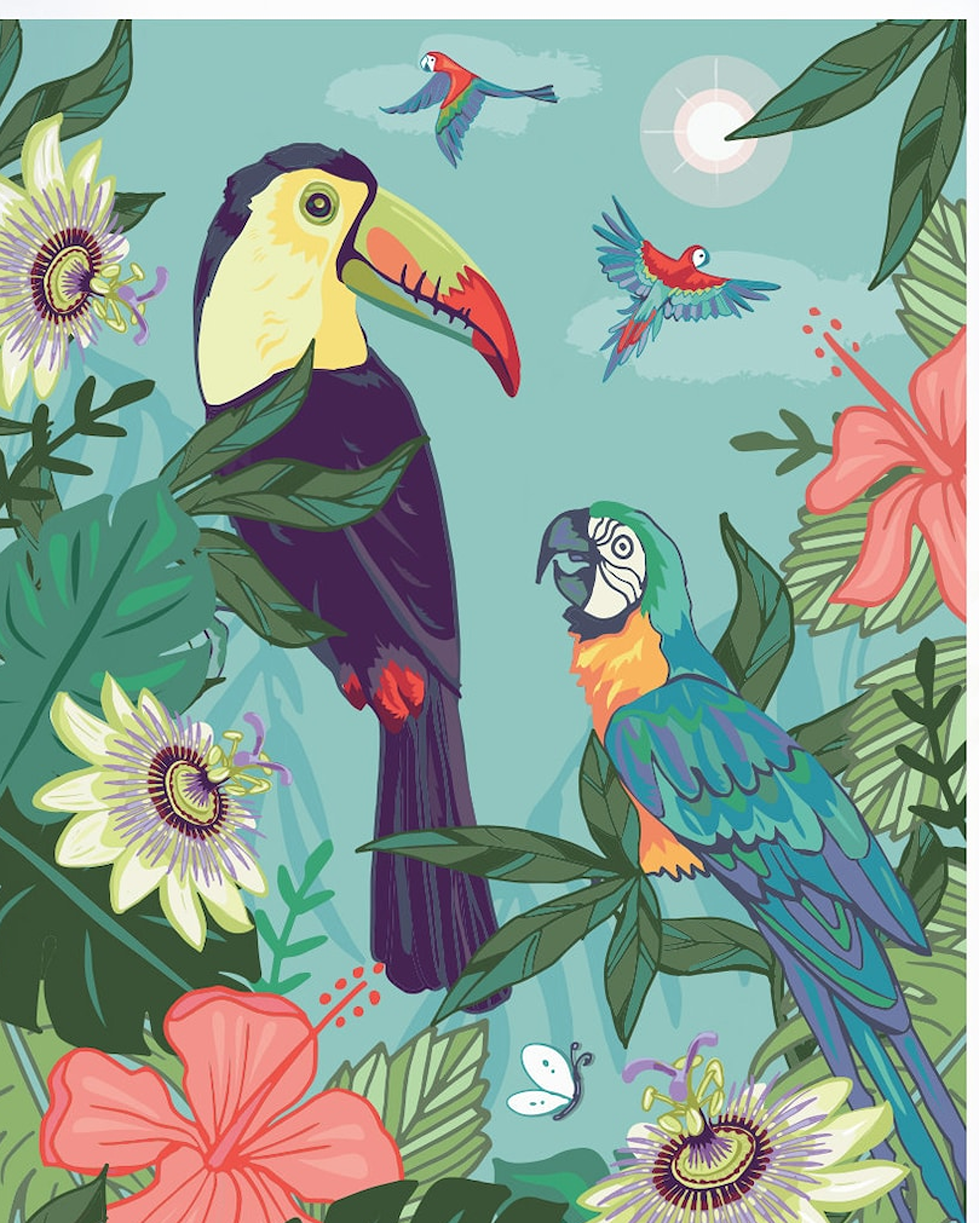
Obviously as can be seen above, welfare experts recommend that even pet birds need a few hours of free flying each day, to keep them entertained and build muscle for good health. So the fact that pet shops are allowed to sell birds that are then put in cages for up to 50 years, is a huge concern.
What happens is that people buy pet birds (without access to an aviary) then end up contacting a growing number of pet bird rescue charities online. To try to find suitable homes in aviaries with other birds, once they realise that the birds need to fly and have company of other birds.
World Animal Protection has a free toolkit for campaigners to ask their councils to ban the sale of live creatures (including birds in pet shops).
This is already happening in many USA cities, so let’s follow suit. West Hollywood has just banned the sale of any live creature, and New York City is hopefully to follow suit soon.
Beyond Plumage: Welfare Needs of Peacocks and Peahens
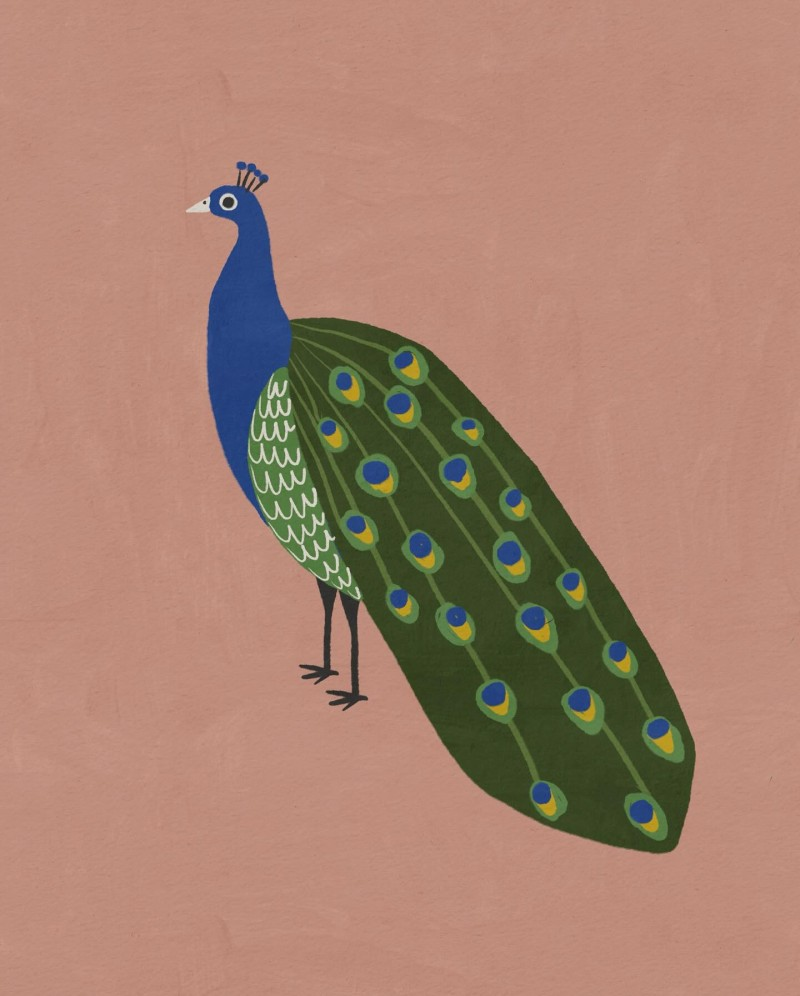
Peacocks and female peahens are some of nature’s most magnificent birds. Native to India and Asia, unfortunately many were brought to England, where they were then either eaten, put in cages or released, which means there are now several villages where they wake people up at night, and even attack cars and poo everywhere!
Peafowl are not native wildlife, they are classed as exotic pets, so if you see any, they are likely escapees from someone’s estate. The best solution is to try to find the landowners, so they can go back to living where they are at present, but hopefully with better secure fencing.
Brockswood Animal Sanctuary is one of the few organisations in England that takes in unwanted peacocks and peahens, and gives them a new home, in a safe wild environment. They’ve built the birds a special large aviary from recycled materials from Birmingham, so they can live as nature intended, and be away from other birds, as they are highly territorial.
Many villagers get annoyed, but others are defending them. When there are issues, volunteers try to humanely capture the peacocks, to move to safer areas. One local police force says ‘we don’t have policemen chasing peacocks around the village. There are skilled volunteers to move them’.
Fun facts about peacocks and peahens
Peacocks and penhens are related to pheasants (exotic birds that are imported here for the hunting industry, which is cruel and also causes floods, due to flattening heather land for them to run faster).
The males are known for their 5-foot long ‘trains’ to woo females, but they shed annually and are not actually feathers, but upper tail coverts. Peahens are more brown-grey (both are loud omnivores that eat snakes and insects).
Just like cockerels, they are very loud early morning (but also late at night) and especially after the rain apparently. Peachicks (!) look just the same, though take three years for males to grow showy tails!
Roosts, shelter & weather comforts
Peafowl like to sleep high. Provide stable perches that don’t wobble, set above head height, with enough length for the whole group. Place droppings boards or easy-clean flooring beneath, because damp litter invites foot problems.
For shelter, think ‘dry and free from draughts (but not hot). Damp chills birds faster than cold air, so use dry bedding and keep the floor raised or well-drained. In winter, add windbreaks and move waterers off muddy ground. In summer, add shade and more than one water point, so timid birds can drink without being pushed away.
Cold-stressed birds huddle, fluff up, and stop moving much. Heat stress looks different, with open-mouth breathing and wings held out from the body. When you spot either pattern, act fast with shelter changes, fresh water, and less disturbance.
Feed, water and daily routines
Feeding affects almost everything you can see, from feather sheen to egg laying. It also affects what you can’t see, like immune strength and gut health. A flashy tail means nothing, if the bird is run down.
Start with a complete feed made for game birds as the base. That gives a balanced mix of protein, energy, vitamins, and minerals. Then add small extras for interest, because peafowl enjoy variety and foraging. Keep grains as a side dish, not the main meal, since too much can dilute nutrition and add weight.
Routine matters as much as ingredients. Feed at regular times and in the same places. As a result, birds settle, calls reduce, and you can spot the one that hangs back. The ‘quiet bird’ is often the first sign that’s something’s wrong.
A little enrichment goes a long way. Scatter part of the feed so they walk and peck naturally. Hang leafy greens at head height, so they stretch and occupy themselves. Add logs or low platforms for hopping and scanning. Provide a dry sand area for dust bathing, because it helps feather care and comfort.
If bullying starts, don’t just leave it. Spread resources out, and use multiple feeders and waterers, add visual barriers, and give the weakest bird an escape route.
Spot problems early (health checks & parasites)
Peafowl hide illness, so waiting for obvious signs often means you’re late. Instead, build small checks into your week. These take minutes and save money, stress, and heartbreak.
Injuries often come from fencing, panic flights, or predator scares. Foot issues are also common when ground stays wet. Peahens bring extra risks during laying season, so watch them closely then. When you’re worried, contact an avian vet early, because guessing at home can waste time.
A weekly head-to-toe check
Pick a calm moment when the birds are already settled. Watch first, then check closer if needed.
- Eyes and nostrils: Clear, no bubbles or crust.
- Breathing: Quiet, no wheeze or tail-bobbing.
- Appetite and droppings: Eating normally, droppings not watery or bloody.
- Feet: Pads smooth, no heat, swelling, or scabs (think bumblefoot).
- Body condition: Breast muscle feels rounded, not sharp.
Act quickly if you see a bird sitting fluffed up, limping, going pale in the face, hiding more than usual, or refusing food. Those changes rarely fix themselves.
When you must catch a peafowl, avoid a long chase. That can cause injury and heat stress. Instead, guide the bird into a smaller area, then use a large towel. Support the body and wings, keep the head covered if that calms them, and finish fast. After handling, return them to a quiet space with water.