End hunting animals (compassion over tradition)
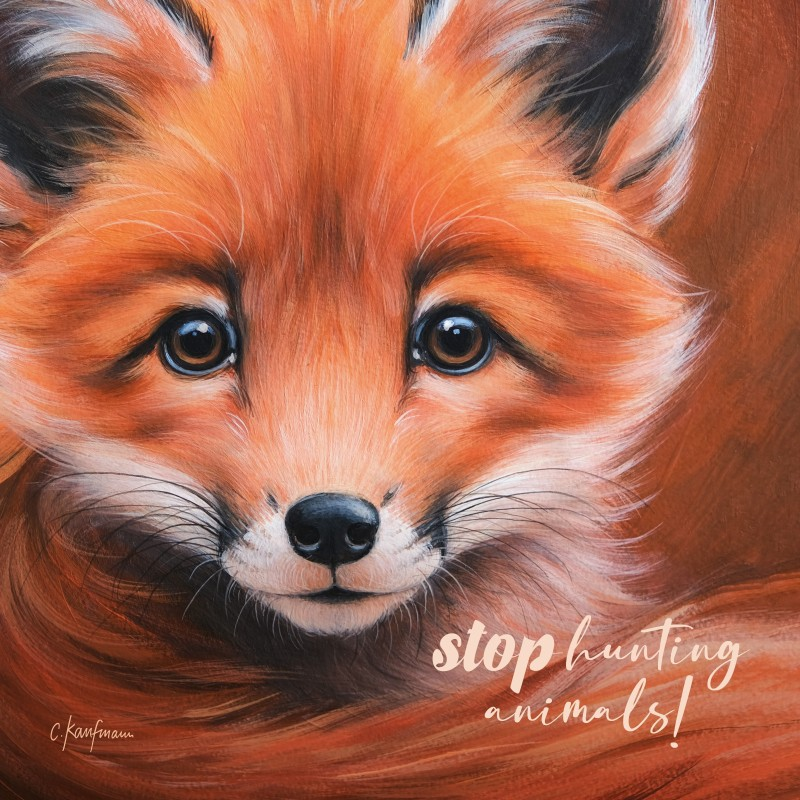
The fox hunting ban is now around 20 years old, but illegal hunts still go on, and other kinds of hunting is still allowed. But unlike ‘necessity hunting’ (when people say in Greenland hunt a seal to eat), recreational hunting is different.
It’s not just unkind but burning peat bogs causes floods, and lead shot ends up in our rivers, harming swans and other wildfowl.
Some birds of prey on Scottish estates are endangered (like hen harriers) due to the hunting industry. And lacking empathy towards creatures is proven to spill over into lack of empathy for humans.
The history of League Against Cruel Sports
League Against Cruel Sports are the experts on who hunts for what. And why in nearly all cases, it’s done for sport and money, not for keeping numbers under control.
The organisation was founded back in 1924 to stop hunting foxes, stags, otters and hares. Founder Ernest Bell was a Cambridge graduate known for his campaigning for both animal and human welfare.
Whilst there he joined the RSPCA and became a vegetarian, and spent the rest of his life working for animal rights. He was also active in helping anti-vivisection charities, RSPB and what is now known as Dog’s Trust.
The organisation also campaigns against dog fighting, cock-fighting and mink hunting (restoring habitats for water voles is key).
If hunting is a sport, let the animal have a rifle as well and let it fire back at you. Hamza Yassin
If the League Against Cruel Sports didn’t exist, I’d have started it myself. Bill Oddie
Why pheasant shoots cause floods
Today of course we have huge issues with floods. This is partly due to climate change and lack of trees. But another big reason is the removal of peatland for garden centres, but also heather is burned for private grouse shoots. Bogs absorb rain, and therefore land floods. Read more on how to prevent floods.
Pheasants are not native birds, but we have millions of them (along with partridges and quail). They are lovely birds with a croaking call but have no road sense, and lots of them are killed each year. As they are massively overbred for the shooting industry.
Learn more in Mark Avery’s book Conflict in the Uplands.
League Against Cruel Sports campaigns against ground-living bird shoots. Most birds are raised in conditions akin to factory farms to be shot for food. And most people on shoots are not good at it, so many bird are injured, and not killed.
Over-breeding leads to endangered sand lizards and baby adders (their natural foot). And some gamekeepers set traps to target native predators like foxes and staots. Which can also trap hares, badgers and even domestic dogs.
Some species (like brown hares, rabbits, Muntjac deer and pigeons ) have no closed season. So adults are shot dead during breeding seasons, with babies left to starve.
The case against hunting deer
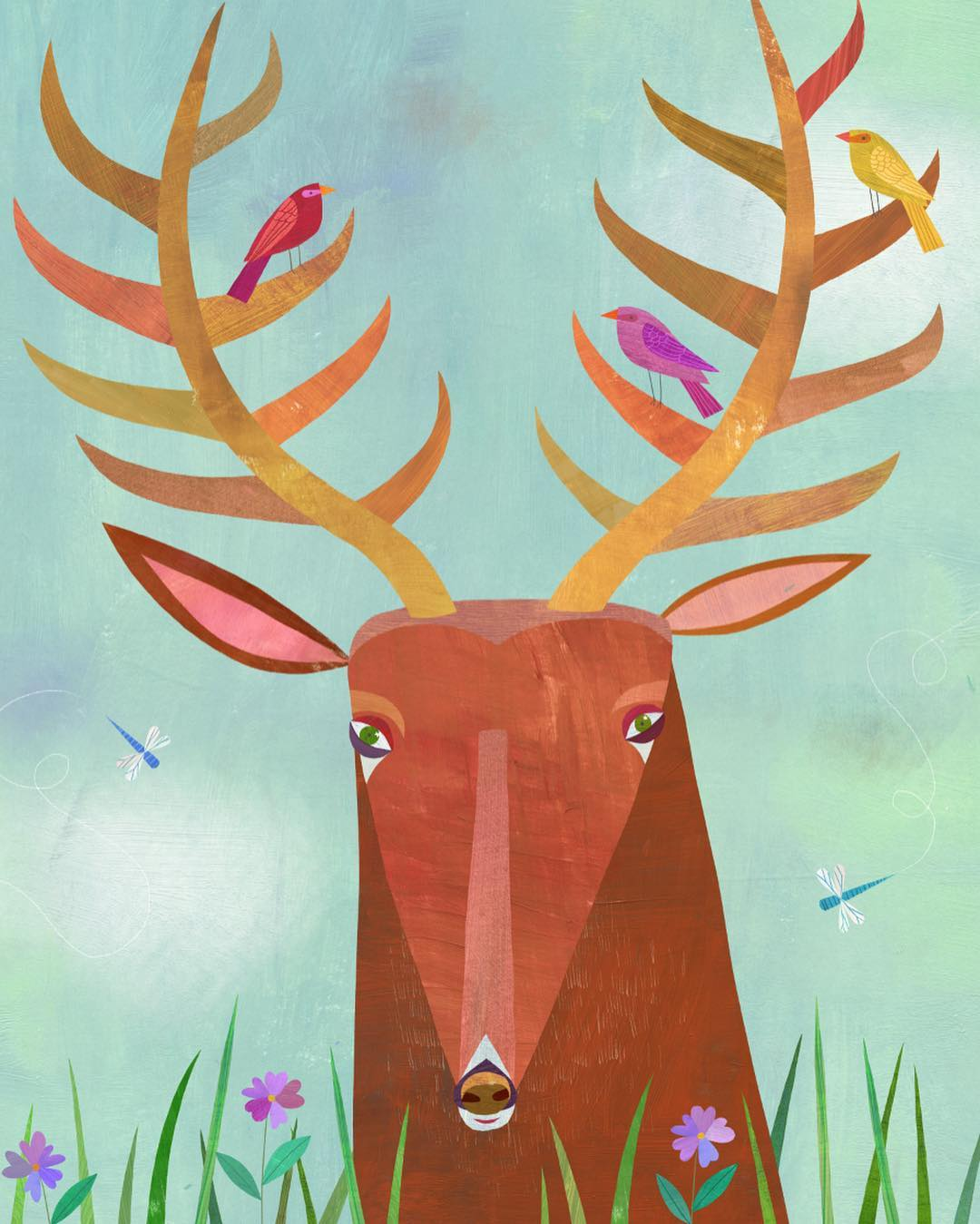
League Against Cruel Sports say that deer hunting is particularly cruel, as they have no sweat glands, so often are exhausted from heatstroke, before death. Some deer have literally ‘leaped over the border’ into their sanctuaries, before being killed to be sold as venison.
There are issues with overpopulation, and deer contraception has to be done right (herding deer could cause more stress). But in Maryland USA, deer contraception seems to be working well.
What are party policies on hunting animals?
- Labour banned animal hunting and plans to ban trail hunting (which uses a false ‘fox urine’ scent but sometimes ends up killing real animals), snare traps (which also can trap dogs) and import of hunting trphies, but this has so far not been fully enacted.
- Conservatives previously wanted to reverse the fox hunt ban, but now says they will keep it. But does not wish to ban trail hunting or any other shooting legislation.
- Green policy is to ban all ‘blood sports’ including trail hunting, and also wish to ban game bird shoots and the use of snares and lead ammunition.
- Lib Dems wish to ban the burning of heather on peatlands for bird shoots, to help prevent floods.
- Reform UK is very pro-hunting, and says if elected, they will reverse any hunting bans.
Nigel Farage has told the press that rural communities feel excluded by restrictions. Excluded from what? From hunts sending hounds through gardens and end up roads after a fox that’s already terrified and running for its life. That’s not community. That’s cruelty, with a horn blown over the top of it. Protect the Wild
Also learn what happens to hounds when no longer useful for hunts.
Ground-living birds (pheasants and their relatives)
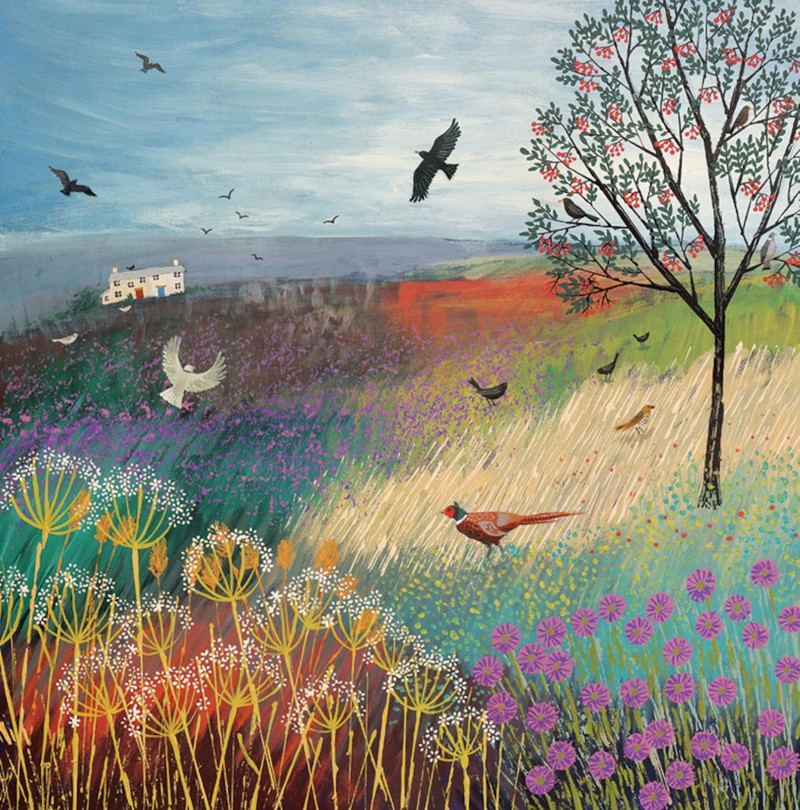
Ground-living birds is what some people used to call ‘game birds’. But those who disagree with hunting think that this is a nicer term, as shooting birds is not a game. The ‘order’ actually also includes wild chickens and turkeys, all are visually striking birds that play important roles in ecosystems.
Pheasants however especially are now over-bred for the shooting industry. This leads to endangered sand lizards (their natural diet) and many road accidents, as they are let loose to be shot, and some escape or are injured and fly off elsewhere.
Heather is also burned for grouse shoots, which leads to flooding.
In nature, ground-living birds would not be too many, as foxes eat them (they also eat wild rabbits and rats). If foxes had their natural habitats (and natural food), they would be less likely to raid bins or hunt chicken coops – read more on keeping chickens safe from foxes).
Despite hunting being legal, all ground-living birds do have some protection under the Wildlife and Countryside Act. So birds must not ‘suffer unnecesssarily – such as remaining injured).
And must not be released in areas that could impact other wildlife – lead shot is also under a voluntary ban. Report concerns to National Wildlife Crime Unit (anonymous if preferred).
Pheasants (croaking Asian birds)
Pheasants have croaking calls and vivid plumage of shimmering green, gold and red (females are more brown to camouflage when nesting). They live in woodlands and field edges, and forage for seeds, grain and insects.
Grouse (show off like peacocks!)
Red grouse have reddish-brown feathers and live in heather uplands. Male grouse fan out their tails and strut their stuff (like peacocks). They have black tails and red ‘eyebrows’ and appear on ‘Famous Grouse’ whisky bottles.
Partridges (don’t live in pear trees!)
England has two species of partriges. Grey partridges have orange faces and black bellies and can lay 19 eggs at one time They live on arable farmland, though their decline in numbers is a conservation issue.
Red-legged partridges are from mainland Europe, with bright red beaks and pink-red legs. They have settled well in our open scrub and farmlands.
Woodcocks (shy and elusive)
Woodcocks are lovely little birds, with mottled brown feathers. They migrate from Scandinavia and Russia, and spend their days asleep in forests, and use their long beaks to forage.
Sadly they are still hunted, despite being Red (highly threatened) of conservation concern, leading to petitions to government to ban this.
Quails (fly to Africa for winter)
Quails breed in England in late spring, spending most time hidden in grass or cereal fields. They have dark and gold marks on brown bodies, and males have black throats.
Capercaillies (only found in Scotland)
These are critically endangered birds (now illegal to hunt) and almost became extinct. Their cousins (black grouse) fan out their tails in elaborate dances, to attract mates.
Around the size of turkeys, they have yellow bills and red marks above their eyes, although again females are more brown. They gather in woodland clearings and make strange gulping clicking noises, to compete for females. They are mostly found in pine forests, feeding on berries and tree buds and shoots.
Ptarmigans (only found in Scottish mountains)
Again, these birds are only found in Scotland (in mountains) and like mountain hares, turn white in winter, to disguise against predators. These plump little birds eat seeds, berries, nuts and leaves (juveniles also eat invertebrates).