Money in the (Bottle) Bank: Deposit Return Schemes
Deposit return schemes are when there is financial incentive to return bottles and cans, to stop them being littered. Just two years launching in Lativa, littered drinks on the Baltic coastline halved, and volunteers found not one container in the largest river.
Users pop cans and bottles into reverse vending machines and receive small rebates. In Finland, the average person earns around £40 a year – which helps to fund their coffee-drinking habit – 4 cups a day!) Others collect littered containers to raise cash for communities.
Helpful tips for independent shops and cafés
Serving coffee? We like Sanctuary Coffee (profits help animals!). Use a sink protector to catch coffee grounds, then bin (caffeine may affect compost creatures). Same with tea leaves.
Before recycling cans, rinse then remove lids (pop ring-pulls over holes). Then step on cans to ‘pinch’ inner rims together, to avoid wildlife getting trapped.
NHS says it’s best to avoid drinking caffeine (tea, cola, coke) for pregnancy/nursing. If you do, limit to 1 cup or can daily (note coffee shops tend to have more caffeine).
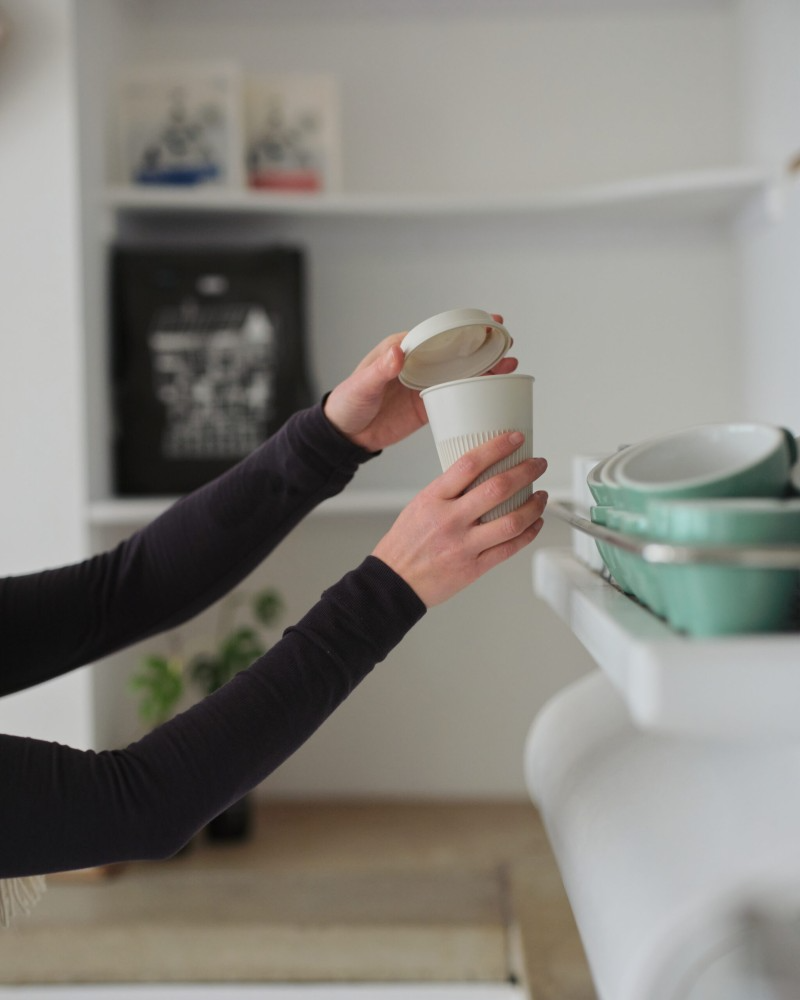
The Circular Returnable Cup
The Circular Returnable Cup is a wonderful idea, to save indie shops waiting around for government to introduce a deposit return scheme (due to England stalling glass to be included, this has been included for decades in Finland).
Brummie Cup (free for community events)
Brummie Cup were created bby an environmental group. Borrow up to 2000 for community events, then wash and return them. There are no lids, so take care with hot drinks.
Billie Cup (used across continental Europe)
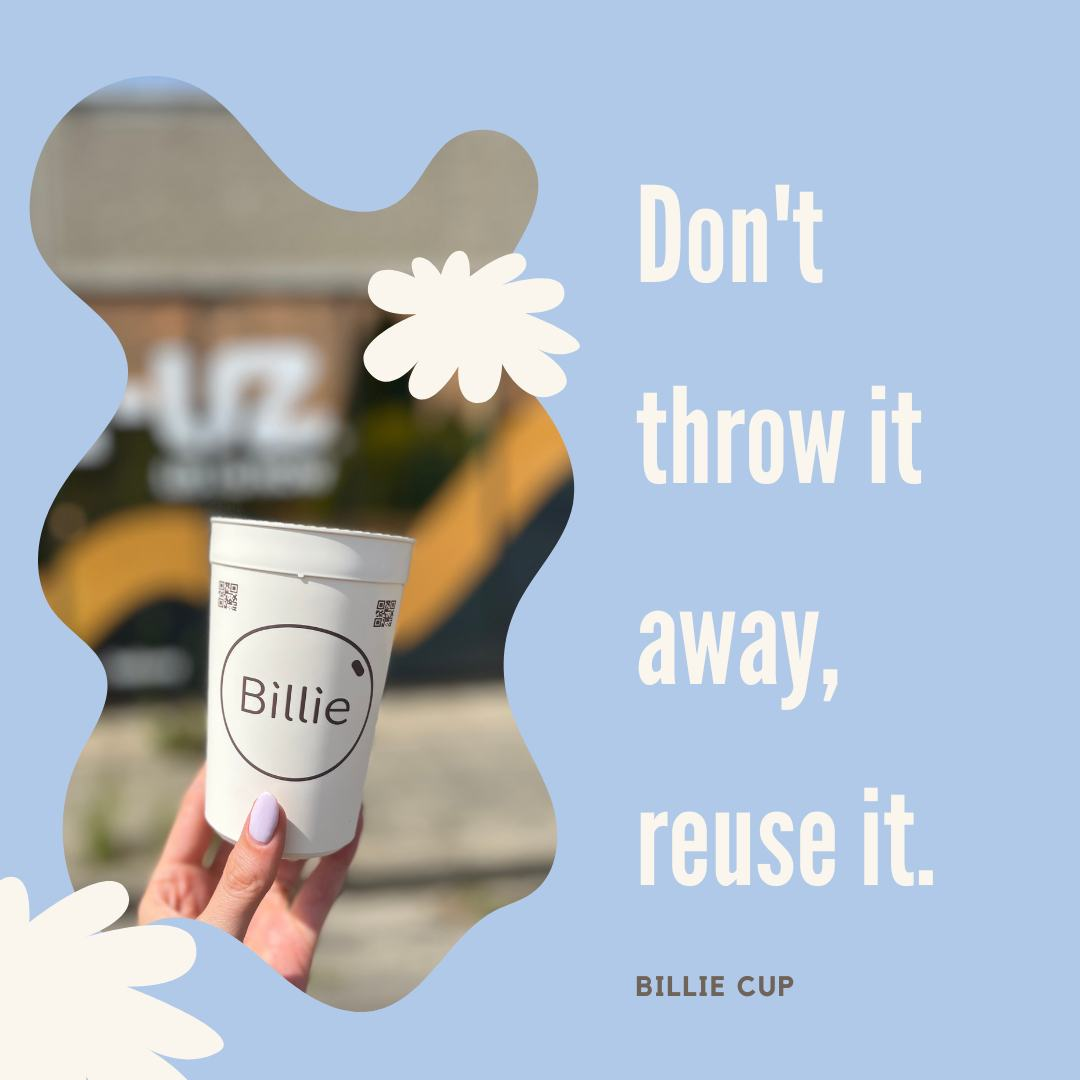
Billie Cup are used across Europe in shops, hotels and restaurants, used hundreds of times then washed and recycled. In five sizes, the one-off lids are used repeatedly. Customers can use tokens (made from fishing waste) at cashless outlets to buy and return cups.
Borrow by Huskee (app-based reusable cups)
Borrow by Huskee (USA) lets people borrow reusable cups (made from coffee waste) then open an app to find the nearest place to return them, within 14 days. Cups are free, you just $3 late fees (just like libraries!) There are also ‘borrow bins’ to drop cups into. And each ‘borrow and return’ gets you closer to a free coffee!
Delays on Deposit Return Schemes
Along with many other barmy decisions of recent governments, the long-awaited deposit return scheme is now delayed until 2027. Why? Because the English government does not want glass included, unlike Wales and Scotland.
Our government says including glass would be too complicated to set up (yet Finland has been recycling glass bottles in deposit return schemes since the 1960s!) Not including bottles just makes more work for those who work to prevent glass litter.
Our neighbours in Europe have been running DRS schemes successfully for years. In what kind of world is collecting glass drinks containers not an essential part of a system designed to collect drinks containers? It reeks of corporate lobbying, who do everything to push the problems they create onto others. Greenpeace UK
Extended Producer Responsibility Laws
Extended Producer Responsibility (EPR) simply means that companies that make packaging, have to pay for clean-up costs. At present, companies that make plastic juice packs to clingfilm meals to fast food meals leave councils (i.e taxpayer money) to pay for clean-up.
If Domino’s charge £16 for a pizza and the morning after the streets are littered with white plastic sauce pots, why are clean-up volunteers having to remove them off our streets? Especially as profits from the big pizza chain go out of the country and into the founder’s pockets. The same for people who make:
- Electricals (phones, chargers, small appliances)
- Batteries (which cause immense harm when littered)
- Textiles (fast fashion and hard-to-recycle blends)
What is Industry’s Response to EPR?
You can imagine. In translation, one could say ‘throwing toys out of the pram’. The retail organisations bring out the old chestnut that ‘the costs will have to be passed to consumers’. No they won’t, because many smaller brands already use compostable packaging, the big brands just won’t do it, as they like the status quo.
ReThink Plastic reports that a coalition of lobbyists from the single-use packaging industry and some Italian MEPs are trying to water down laws. In Rome, there are threats to kill wild boar who are venturing into the city due to food litter, rather than realise it’s the fault of councils letting companies create it in the first place.
The major supermarkets (and even McDonald’s) appear to be playing ball. All now threatened with this tax, are aiming to make packaging easy to recycle or compostable as soon as possible. It’s a shame it took this threat, for them to finally take the issue seriously.
A few years ago, some supermarkets trialled refill stations (like you see in zero waste shops). When they were not popular enough, they pulled them. If EPR had been in place, they likely would have kept up the trials.
To stop packaging pollution, we need a circular economy where we eliminate what we don’t need. Through EPR schemes, companies putting packaging on the market are required to pay for its collection, sorting, and recycling after use. Ellen Macarthur Foundation