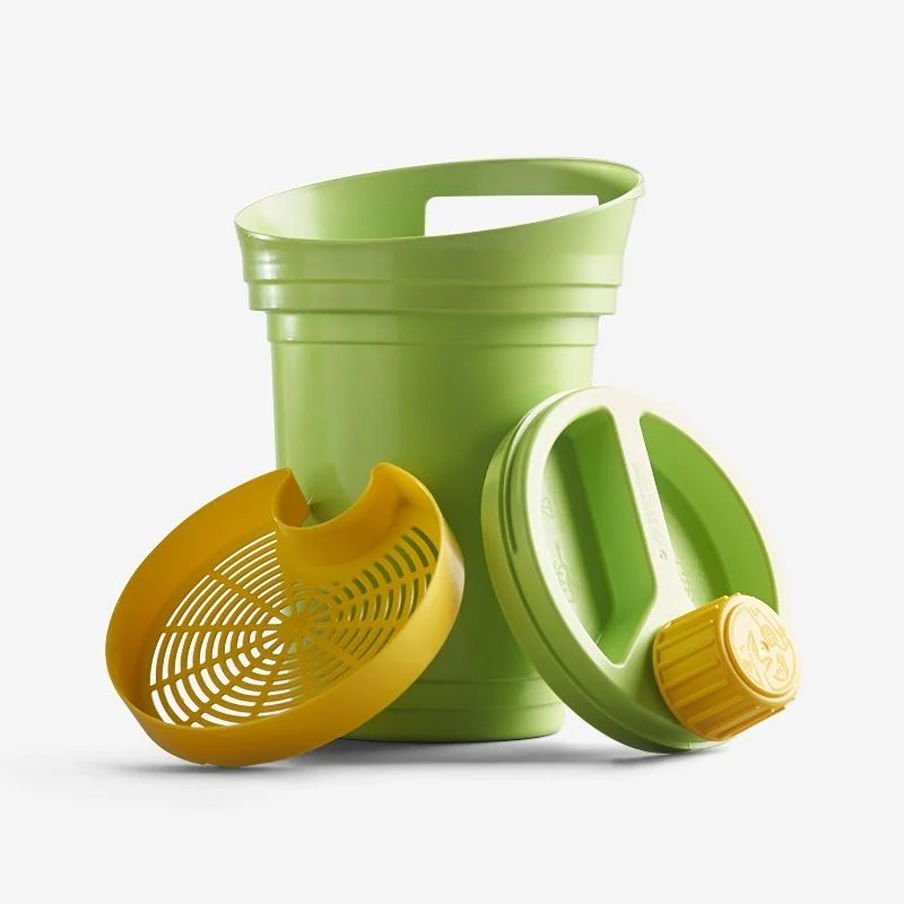
Even Greener cooking oil recycling bin
If you only have a small amount of used vegetable oil, soak it up with kitchen roll and place it in your household bin. This is the simplest and safest way to dispose of small quantities.
Never pour cooking oil down the sink. Even if it looks like it washes away, oil cools and hardens inside pipes. Over time it mixes with grease and other waste to form huge blockages known as fatbergs. These can block drains, damage sewers and cost millions of pounds to remove.
The same advice applies to cream liqueurs and other fatty liquids. Instead of pouring them away, try to use them up where possible.
If you regularly use larger amounts of cooking oil, consider buying a cooking oil recycling bin. Collect the used oil and take it to a local recycling point or oil recycling bank. Recycled cooking oil can be turned into useful products such as biodiesel.
Using less oil
One easy way to reduce the amount of oil you use is by cooking with an air fryer. Many foods become crispy using little or no added oil, making it a convenient option for everyday meals.
You can also use non-stick cookware, bake or steam food more often, or brush on a thin layer of oil instead of pouring it straight into the pan.
Don’t give fatty leftovers to birds
It may seem kind to feed leftover fatty food to birds, ducks or swans, but it can actually do more harm than good.
Greasy foods can coat birds’ feathers, damaging their natural waterproofing and insulation. This makes it harder for them to stay warm and dry, especially during colder weather.
Which are the healthiest cooking oils?
There is no perfect cooking oil. All oils are highly refined and are best used in moderation as part of a balanced diet.
Chef Brandi Doming prefers to avoid cooking oils altogether. Rather than using extracted oils, she recommends eating whole food sources of healthy fats, such as olives instead of olive oil or nuts instead of nut oils. Whole foods provide fibre and other nutrients that refined oils do not.
For those who do cook with oil, choosing the right one depends on how it will be used.
Rapeseed Oil
Rapeseed oil is one of the best all-round choices, especially in the UK. It is produced locally from the bright yellow flowering fields seen across the countryside each spring, making it a lower-food-mile option than imported olive oil.
It has a relatively high smoke point, making it suitable for roasting, frying and everyday cooking. It is especially good for making crispy roast potatoes, without needing goose fat.
Olive Oil
Olive oil is famous for its role in the Mediterranean diet and is excellent for salad dressings, dips and drizzling over cooked vegetables.
While many people also cook with olive oil, some prefer to reserve extra virgin olive oil for lower-temperature cooking because heating can reduce some of its flavour and beneficial plant compounds.
Sunflower Oil
Sunflower oil is affordable and widely available. It can be part of a balanced diet when used in moderation.
However, nutritionist Michaella Mazzoni advises against repeatedly deep-frying with sunflower oil. High cooking temperatures can damage the oil’s structure. She compares it to a broken vase that has been glued back together—it may still look similar, but it is no longer quite the same.
Coconut Oil
Coconut oil has become popular in many recipes, particularly Asian cooking. However, it contains more saturated fat than butter, so eating large amounts regularly may increase cholesterol levels in some people.
It is also flammable when overheated, so care should always be taken during cooking.
An occasional coconut curry is perfectly fine for most people, but coconut oil is best enjoyed as an occasional ingredient rather than an everyday cooking fat.