Compassion for crabs (campaign for better welfare)
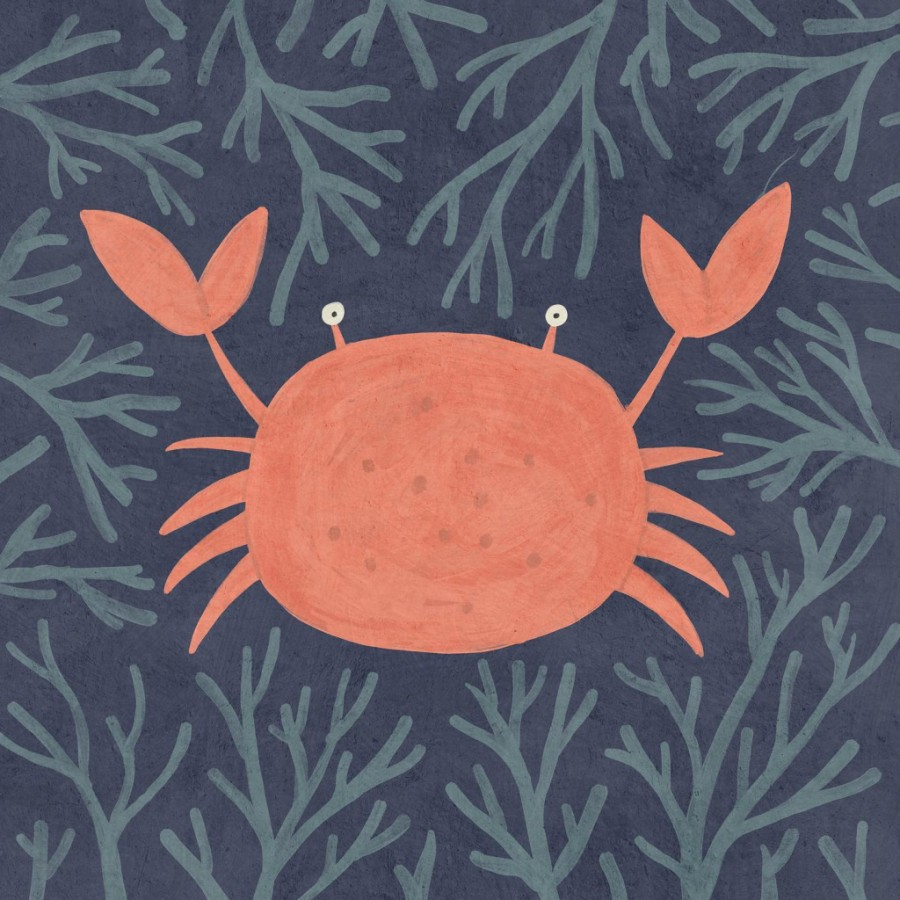
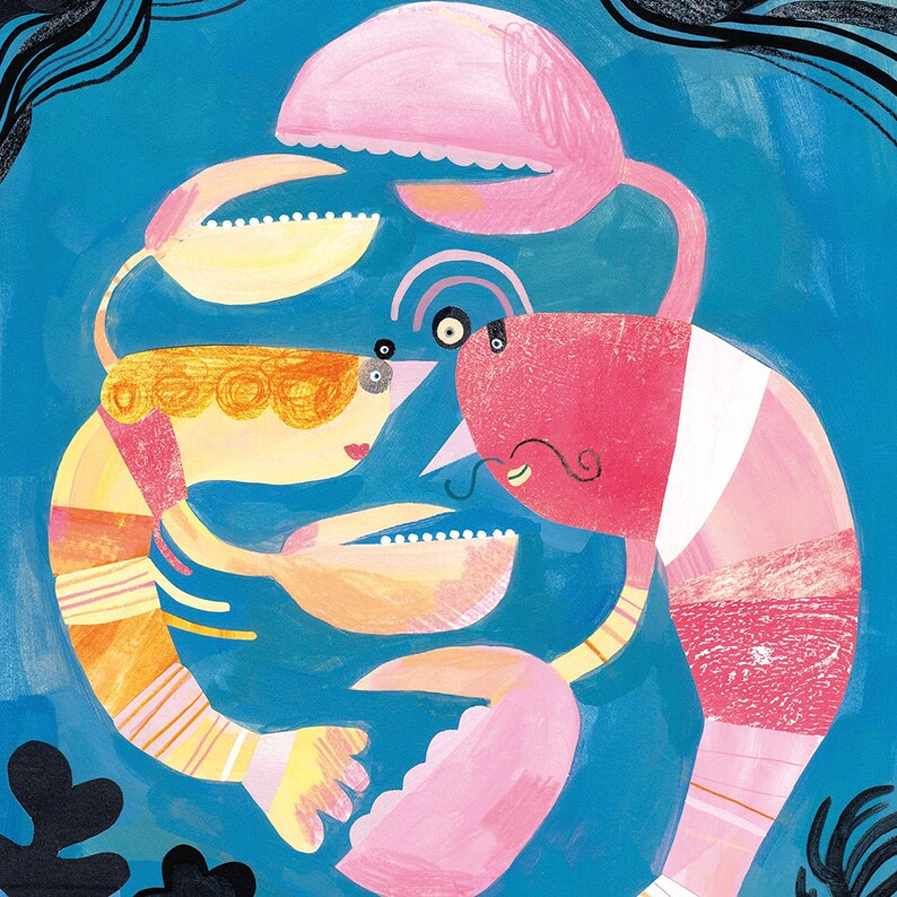
Crabs are super-cute creatures who walk sideways with their 10 legs, but are able to walk in all directions. They communicate by drumming and waving their pincers and have 360 degree vision, so can see in all directions.
Like other crustaceans, crabs have a central nervous system, which means they can feel pain, so don’t let those who sell or cook them tell you otherwise. It’s been proven that declawed crabs try to shield and nurse their wounds.
Crustacean Compassion (which campaigns to stop the sale of live lobsters and crabs) wants it to be illegal for non-trained people to kill them. They also want the end of selling live crustaceans in overcrowded tanks, and an end for langoustines (scampi) having tails ripped off (while alive) for industry.
It also campaigns to stop octopuses being eaten alive, and better welfare for squid (calamari) and cuttlefish – dried versions are used to entertain budgies).
Sign the petition to ask the government to act.
Neurological Evidence of Sentience
To understand compassion for crustaceans and cephalopods, one must examine their biology. For a long time, the commercial fishing and culinary industries operated under the assumption that animals without backbones could not feel pain due to their decentralized nervous systems.
Decades of behavioral and neurological research have debunked this myth.
- Crustacean Nervous Systems: Crabs and lobsters possess hundreds of thousands of sensory receptors. They actively avoid environments associated with electric shocks and can remember and learn to evade painful stimuli.
- Octopus Complexity: Octopuses possess roughly 500 million neurons, two-thirds in their arms. They exhibit remarkable problem-solving skills, use tools, and display individual personalities.
- The Stress Response: When subjected to trauma—such as being placed in boiling water or tightly bound—these creatures release stress hormones akin to the fight-or-flight response, accompanied by neurological activity indicating distress.
Ethical Implications in Culinary Practices
The treatment of crabs, lobsters, and octopuses in the global food industry frequently involves methods that cause prolonged suffering. Traditional preparation methods, such as boiling or dismembering these animals while they are still conscious, have faced growing ethical scrutiny.
Several progressive nations and regions have begun to enact legislative changes to protect these species. For example, countries like Switzerland and the United Kingdom have legally recognized lobsters and octopuses as sentient beings, banning the practice of boiling them alive without prior stunning.
Sideways Steps, Deep Feelings: Crabs
Crustacean Compassion (which campaigns to stop the sale of live lobsters and crabs) wants it to be illegal for non-trained people to kill them. They also want the end of selling live crustaceans in overcrowded tanks, and an end for langoustines (scampi) having tails ripped off (while alive) for industry.
It also campaigns to stop octopuses being eaten alive, and better welfare for squid (calamari) and cuttlefish – dried versions are used to entertain budgies).
Sign the petition to ask the government to act.
Hermit Crabs and the Cost of Litter
Hermit crabs rely on empty shells for homes. So today many are climbing into bottle tops and other rubbish. Volunteer beach cleans remove deadly litter, meaning hermit crabs and other coastal animals stay safe.
Many Crabs Get Hurt During Crabbing
Crabbing (catching live crabs in buckets to show children, then releasing them) is not as harmless as it sounds. Many suffer from over-crowding, poor water quality and long exposure to the sun, when out of the water.
Many also get injured or killed, others forgotten or left behind. Teach children about nature instead. And leave crabs in their watery homes.
Plant-Based Alternatives to Crab
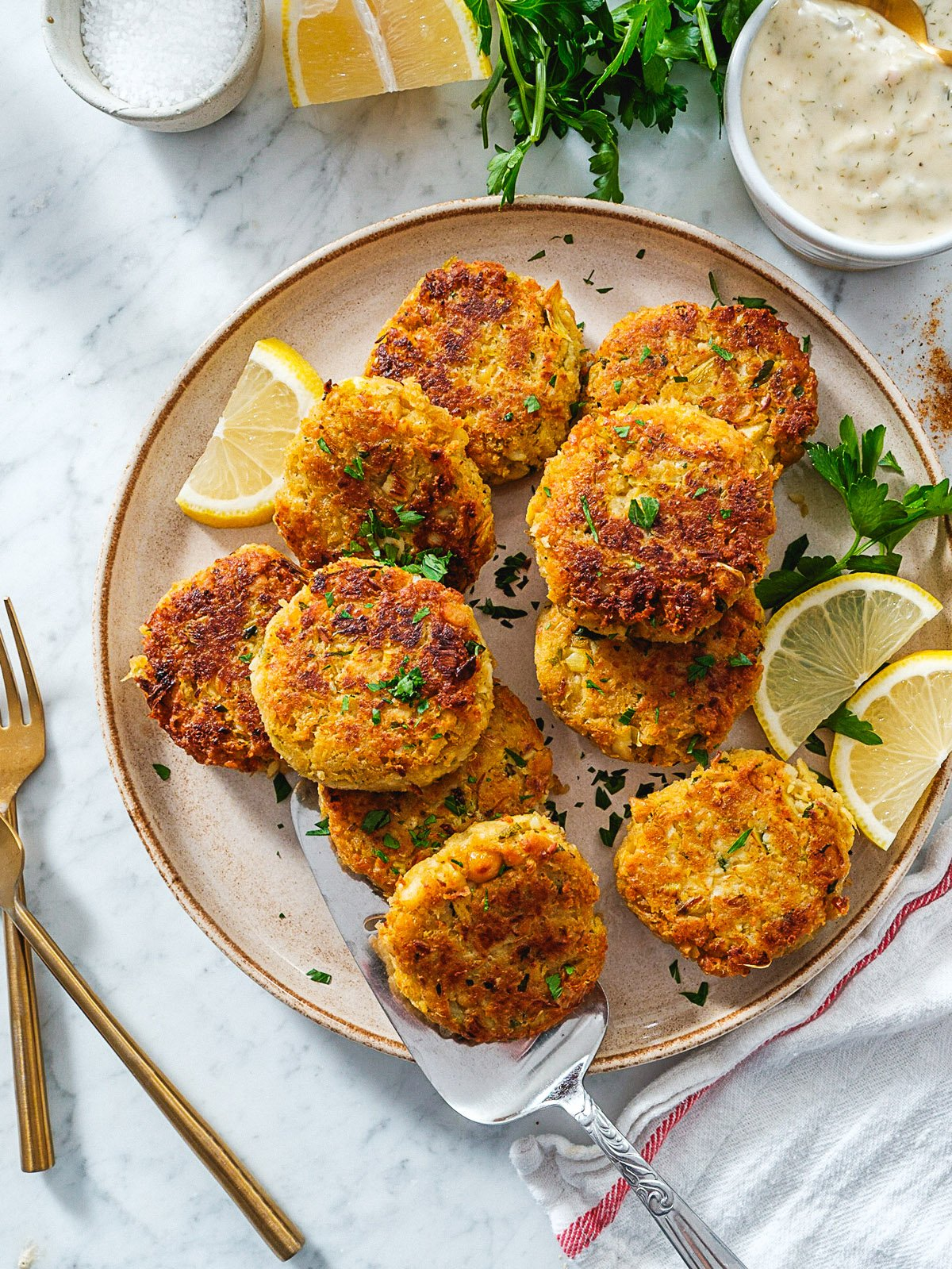
These vegan crab cakes (A Couple Cooks) use hearts of palm with old bay spice (multi-stemmed hearts of palm are more sustainable than single-stemmed – or sub with local canned artichokes).
Avoid seaweed for thyroid/iodine issues.
Read up on food safety for people and pets. For tinned ingredients, rinse/remove lids (or pop ring-pulls over holes) then step on upper cans to pinch rims together, to stop wildlife getting trapped.
Unless you have food waste bins, just bin pepper and allium scraps (onion, leeks, garlic, shallot, chives). To avoid acids harming compost creatures.