Rooted Together (how to start a community garden)
Community gardens are grown and run by volunteers, often in cities to provide a green oasis for relaxation, and to support local wildlife. It’s not taken off in the way it has in US cities like New York and Chicago, where nearly all boroughs grow their own free food and flowers.
Although food banks have their place, far better than eating donated processed food – is to get together and find a plot of unused land, fand grow fresh organic produce for free!
Community gardens don’t always have to be about growing food. They also create lovely natural areas for relaxation in urban areas, as well as flowers for pollinators (bees, butterflies, bats).
Before landscaping, read up on pet-friendly gardens (many plants/mulches are unsafe) and use nontoxic humane slug and snail deterrents. Also read about wildlife-friendly gardens.
Many community gardens have ponds (wildlife and fish ponds are different, as fish are carnivore sand would eat wildlife). Read more on wildlife ponds and garden water safety.
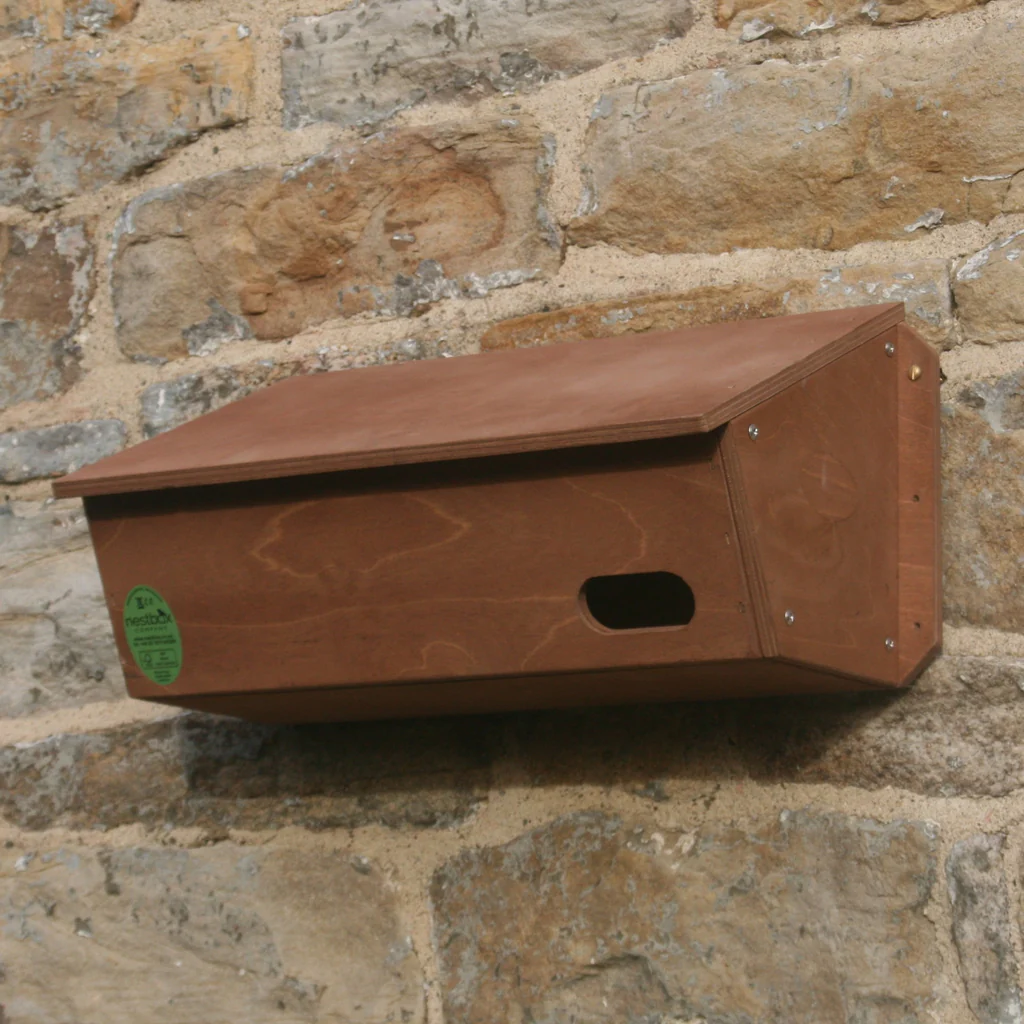
Avoid tin/plastic or coloured nesting boxes, these have issues with over-heating/condensation and attracting predators. Read more on safe havens for garden birds and how to stop birds flying into windows.
Fresh air, gentle exercise, and a purpose
Many people adore maintaining community gardens. It’s a place to go and find nature, meet new friends and do something good for the community. And a great outdoor way to keep fit!
A neglected corner of a community becomes a green nature meeting point, where plants also support local bees and other pollinators, and raised beds make use of tight urban spaces. It’s also empowering, for people to grow their own food and flowers, without needing to buy from supermarkets.
Communities that take pride in where they live, tend to also have less litter and less crime.
How to design a community garden
Make plans, before setting one up, depending on local communities:
Find no-dig gardening tools, for wildlife-friendly maintenance. The best ‘tool’ for no-dig gardening is mulch. So ensure that it’s pet-safe if animals are nearby (no cocoa, pine or rubber – which can poison, puncture and choke respectively).
- Who could help run it, and when?
- Are children visiting? If so, create child-friendly spaces
- Do you need wheelchair access, and paths that are easy to walk?
- Are older people helping? Consider raised beds
- Is produce shared? Or is the food grown for a local school or charity? Or are you more concerned with planting trees and flowers for local pollinators?
The many benefits of community gardens
Community gardens empower people! You can grow own organic vegetables, herbs and fruits, some even grow orchards of trees for free fruit and nuts. As well as giving nutritious produce for all, it helps to dent the profits of the big supermarkets, who are often importing chemical-laden fruit. Better a juicy ripe peach from a local tree than a plastic punnet!
Community gardens also provide natural exercise. You don’t have to dig (it’s not good for earthworms or baby stag beetles). But growing food is still a physical act of planting seeds, adding mulch, and obviously harvesting the produce. It also means fresh air and chat, with cups of tea thrown in!
If children come along, they also get to learn where their food is from. A recent survey found that many younger children thought that potatoes grew on trees, and tomatoes came from underground! It sounds funny, but it’s not really, as it means young ones have now become distant from nature.
Let’s Plant & Grow Together is the ‘gold standard community garden handbook, by organic pioneer Ben Raskin. Transform neglected plots into flourishing spaces, and get tips on planning, soil fertility and fundraising. Includes a directory of plants ideal for community gardens.
From Wasteland to Oasis: We Need More Brownfield Gardens
 From Wasteland to Oasis: We Need More Brownfield Gardens
Brownfield gardens are like community gardens, but this time they are built on ugly stretches of land, like old car parks or vacant industrial lots. It’s a great idea, but care must be taken. There are planning laws, such gardens may be near polluting and noisy road traffic. And you can’t just plant over tarmac with sump oil from old car parks, this must be removed and recycled first.
Not just for looking nice, but to prevent such areas remaining toxic to birds, wildlife, people and pets.
Removing sump oil and pollutants
Old car parks are likely to still have sump oil. Download this free depaving guide (by volunteers in Oregon, USA) to give you all the info you need).
Depaving also can reduce heat island effect (for cooler temperatures) and reduces risk of rain pollutants running down storm drains and reaching the sea.
Brownfield gardens likely don’t have good soil. So add good peat-free compost (or build raised beds) and get a local with good organic gardening knowledge to assist).
Upcycling found materials
Don’t just throw away the rubble. You can upcycle it into paving stones. Smashed stones can be little rockeries. The only limit is your imagination!
One old litter-filled canal next to a disused railway line and dairy farm, was turned into a beautiful meadow with a large sloping wildlife pond.
An Essex gardener upcycled ceramics from old toilets and building rubble to landscape a wildlife meadow. He used shopping trolleys and piping to create insect habitats, and says he’s partial to removing bits of ‘old car carcass’ to use in his designs!
Like all public gardens, invest in large-scale water butts (with child/pet locks), to avoid bills and save rainwater.
The High Line (an elevated brownfield garden)
The best-known brownfield garden is New York’s The High Line, built above an old city railway track that use dto carry meat on trains through the city. It closed in 1980 and lay abandoned with rusted metals and ‘weeds’ (wildflowers’).
Former mayor Rudolph Giuliani wanted to tear it down to build a new urban space with restaurants, art galleries and loft living.
But two local civilian activists campaigned to preserve the area. It now features several gardens, a public park and masses of plants for local wildlife and pollinators. The park that used to contain broken glass, old furniture and spray paint cans has been replaced by walkers and bumble bees!