Good Reasons to Avoid Peat Compost

Peat is basically a soil made from dead and decaying matter, mixed with clay and rocks. It takes ages to form (around 1mm a year) yet is immensely important (and England contains most of the world’s peat bogs – they are like our ‘rainforests’).
Formed over thousands of years in low-oxygen environments, you’ll find natural peat bogs across England in bogs, mires (wetlands) and fens. England’s most extensive peat bogs are found in the Pennines, North York Moors, and parts of the Lake District and south west England.
Peat bogs absorb water (so prevent floods), stop release of greenhouse gases (so reduce climate change) and also support habitats of many endangered birds (like plovers and curlews) and dragonflies – most live in peat bogs).
But instead of leaving them where they are, industry moves in and removes them – to grow plants for garden centres. Most stores now don’t sell peat compost (there is an upcoming Bill to ban the sale of peat for horticultural use, but it will take years). But a lot of peat is ‘hidden’ (in pot plants or plug plants etc).
You wouldn’t like it if a bulldozer came into your home and upturned your entire life, leaving you homeless and without food and shelter. Yet that is exactly what is happening, in the peat industry to our most precious wildlife, many of them endangered species.
Using peat in your garden is a sign of environmental vandalism. f
The government is running out of time to fulfil its promise to ban the seal of peat to gardeners. Peat belongs in bogs, not bags. Whenever a peatland is dug up, a natural habitat is destroyed, with appalling consequences for wildlife and our climate. Alison Steadman (actress and wildlife campaigner)
Peatlands have the power to help lock up carbon, alleviate flooding and help wildlife recover. So why on earth are we still allowing them to be dug-up? It has to stop. Iolo Williams, wildlife expert
Make Your Own Garden Compost!

This takes a bit of effort to get started, but you are then rewarded with homemade compost for free. Read our post on how to make your own compost. There are just a few caveats:
Unless you an expert on ‘balancing greens and browns’, it’s best to just bin a few food scraps (to naturally break down, as acids could harm compost creatures:
- All alliums (onion, garlic, shallot, leeks, chives)
- Tomatoes, citrus and rhubarb
- Tea leaves and coffee grounds
Wear organic cotton/rubber gloves when handling fresh compost (contains mould) and keep away from pets, for the same reason (read more on pet-friendly gardens). For houseplants, avoid facing foliage to outdoor gardens, to help stop birds flying into windows.
Avoid ‘hot compost bins’ (these kill garden creatures due to no soil inside). Also avoid wormeries unless you know what you’re doing (the little red wriggly worms often don’t survive in soil when being transferred, or get lost in the post if delivered to homes).
Make Your Own Leaf Mould

Make your own leaf mould from old rotting leaves in autumn. This is a great soil improver, to replace peat.
Again, keep leaf mould away from pets, as it harbours bacteria and fungi that could produce toxic mycotoxins . Read more on giving dogs baths, if they come into contact with damp leaves.
Enrich the Earth is a campaign to get more councils to collect green waste (millions of tons are discarded each year). This could be used to make green compost, another good nutrient-rich peat alternative.
Coir Compost Blocks

If you are not making your own compost, this is the next best choice. Coir is the waste product made from coconut husks in Sri Lanka, and holds water very well.
Sold in blocks, just soak in water (for 5 minutes) to produce instant compost (no more lugging heavy bags from the garden centre to the car to your house!)
Coco & Coir offers a wide range of coir compost including an everyday one, and those for specialist planting needs plus versions for houseplants and cutting/seed compost.
Their information page is extensive, covering all your question needs. Join the peat-free loyalty club, and receive 10% off regular orders.
Coir compost is sold in blocks, to which you add water. As a rough guide:
- 5kg makes 75 litres of compost
- 1kg makes 15 litres of compost
- 650g makes 9 litres of compost
Coir mulch retains soil moisture, and reduces weeds by up to 90% (ideal for no-dig gardening that protects earth worms and stag beetles). Ideal for acid plants (rhododendrons are toxic to pets including rabbits and guinea pigs).
Lightweight and easy to store in cupboards, just soak in water for 20 minutes, before use. It can also be used to create natural ‘woodland pathways in gardens.
As long as pets don’t eat it, coir is a safer mulch to pets, than cocoa, pine or recycled rubber mulches – which are toxic, puncture/scented or choking hazards respectively).
Avoid using netting in gardens, as most is sold with holes way too large, than recommended diameters to avoid wildlife getting trapped. Protect crops with fruit protection bags instead.
The Coconut Compost Company

The Coconut Compost Company is another good brand, which donates 10% of profits to Sri Lankan charities.
Other Peat-Free Growing Composts

Sold in bags that are are easily recycled (at supermarket bag bins, if your kerbside does not recycle), these are all sold wholesale for garden centres and larger projects (public gardens and parks, stately homes etc)).
Natural Grower is a brand of natural compost and liquid feeds, with well-balanced NPK values and trace elements. Made with renewable energy, it’s approved by both Soil Association and Vegan Society.
RocketGro (made in Somerset) offers a wide range of peat-free composts (from everyday to specialist versions for roses, hanging baskets, herb/alpine plants, tomatoes and lawns.
The Hunting Industry Burns Peat Bogs

Peat burning often occurs on land used for grouse shoots, by burning vegetation (that lays on top of peat), usually purple moor grass or heather. This provides new heather shoots for grouse (so they are easier to find and shoot).
A voluntary ban by government a few years ago did not work, with Greenpeace reporting fires on peatlands, in northern England’s national parks.
The peat bogs on a grouse shooting estate were on fire. The burning of peatlands is likely to exacerbate floods downstream. Towns in the Calder Valley such as Todmorden, Hebden Bridge and Mytholmroyd have been flooded repeatedly. George Monbiot
Books on the Importance of Peat Bogs

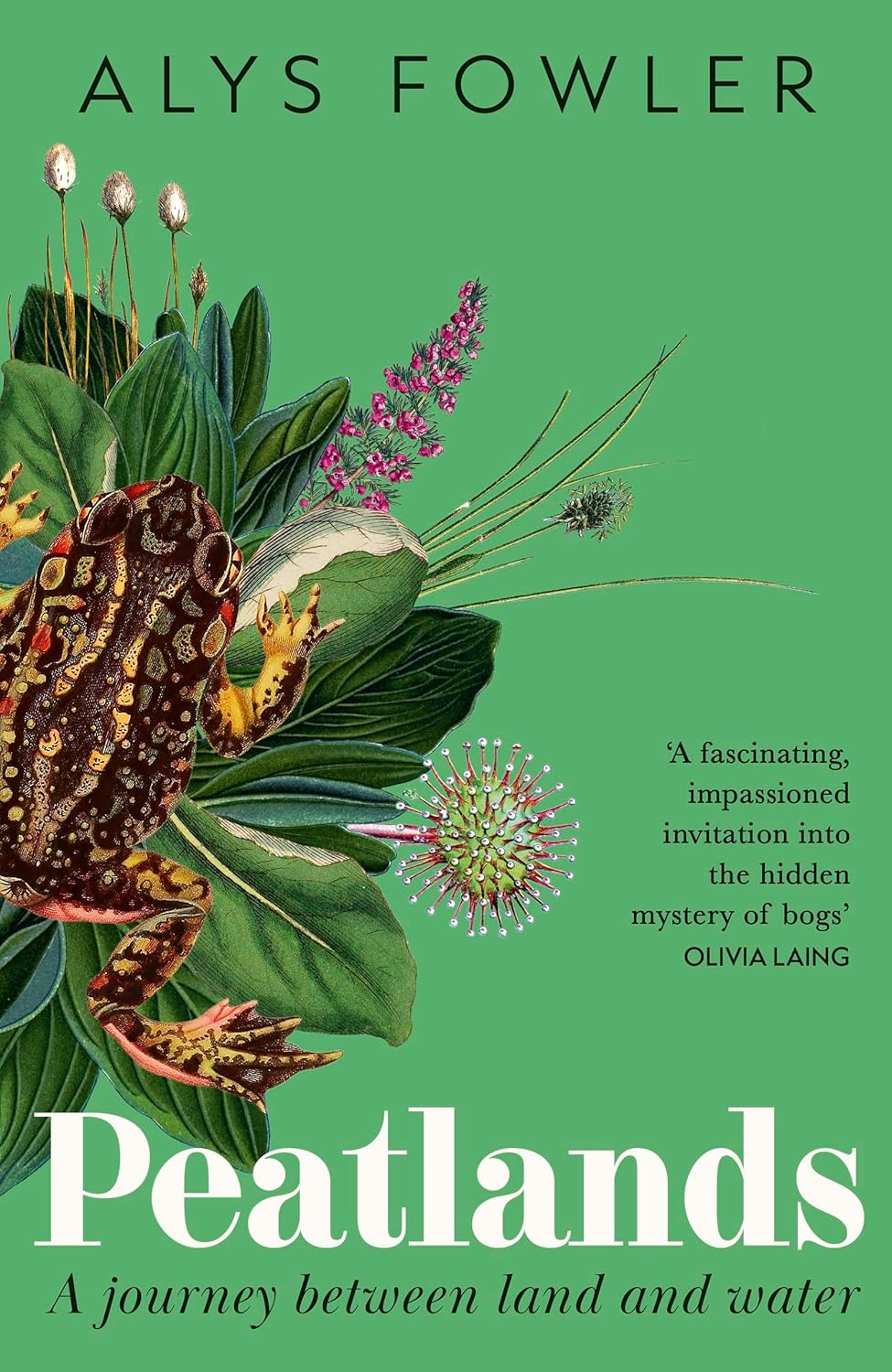
Peatlands is a book on the value of peat bogs by award-winning garden writer Alys Fowler. She calls for us to sink deep into the dark black earths of these rugged places, and take a look at the birds, animals, plants and insects, that live within them.
Living in Wales (nestled between bogs) makes this book both personal and illuminating. Her odyssey takes her from the Peak District to Ireland, creating an intimate picture of these magical places and the people who care.
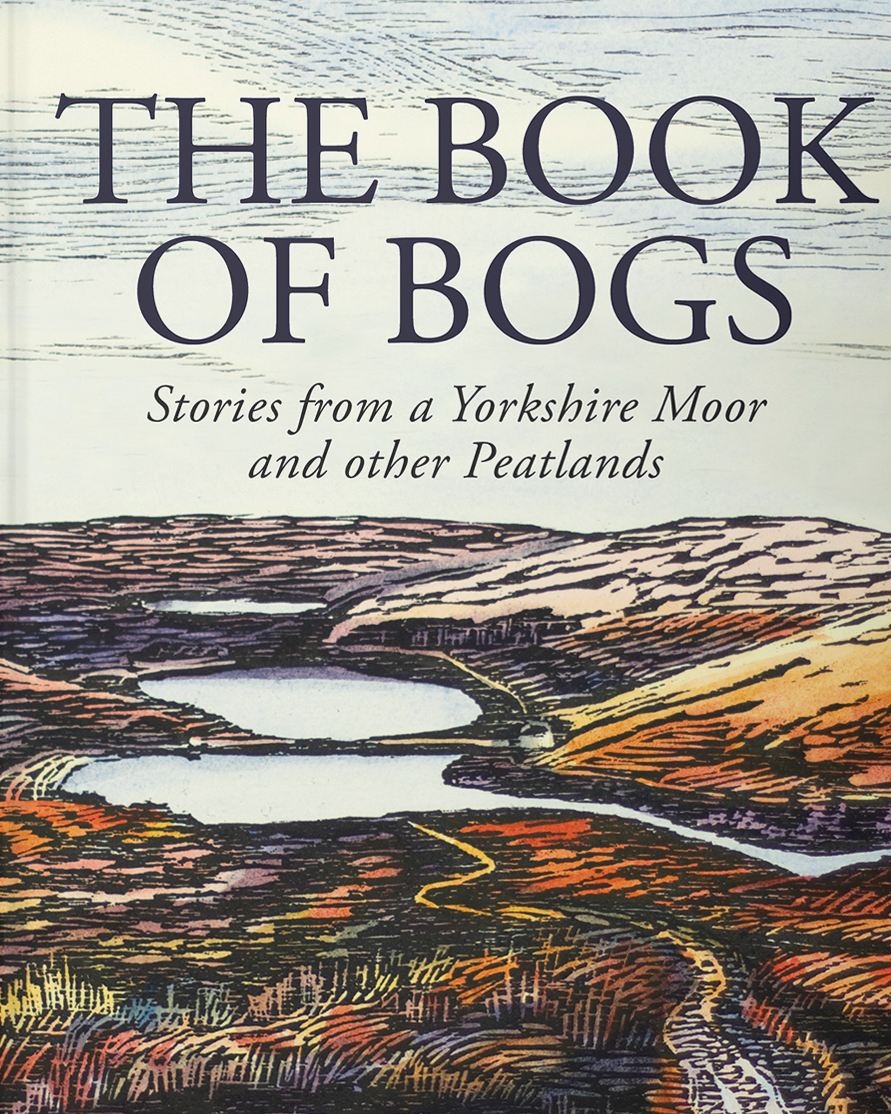
The Book of Bogs is an anthology of stories and poetries from various writers, looking at threatened landscapes like bogs and other peatlands. Like peat, this book is full of living things: scientific study, archaeological discovery; personal stories of suffering and growth. Not just in England but abroad, like the peatlands of Papua New Guinea.
Choose Peat-Free Whisky
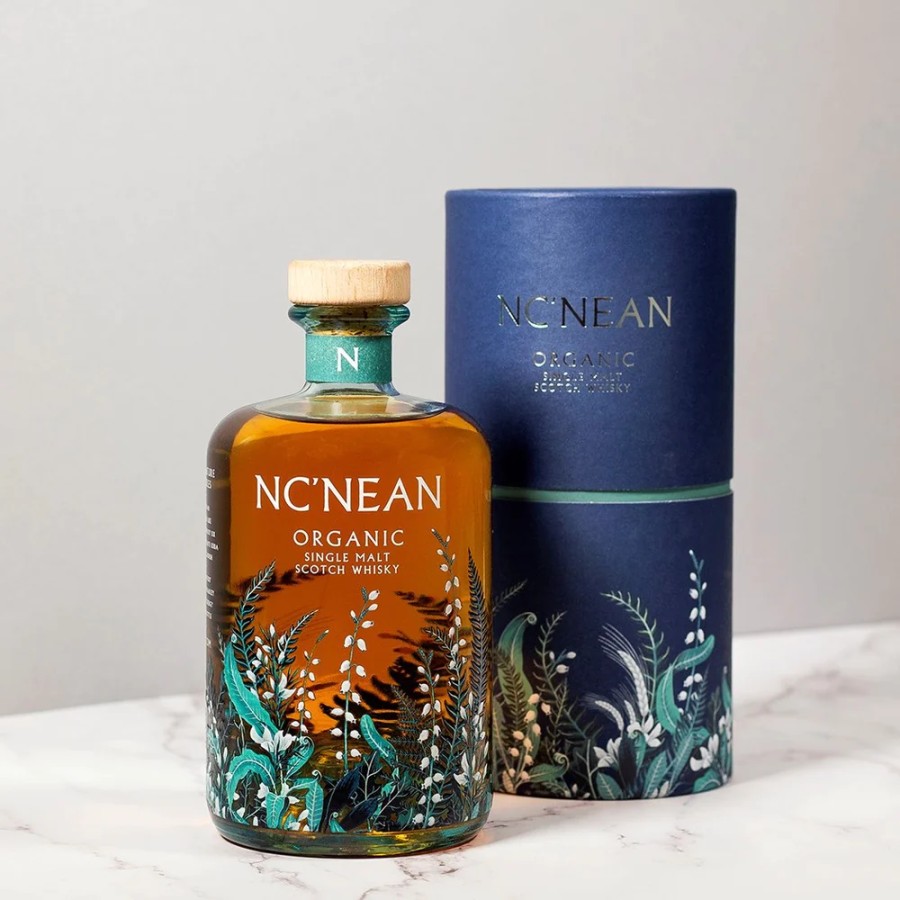
Most brands of whisky are made with peat. Read our post on peat-free whisky!